
How David Fincher Uses Precise Camera Movement to Shape Tension and Control
Image source: David Fincher’s Impossible Eye
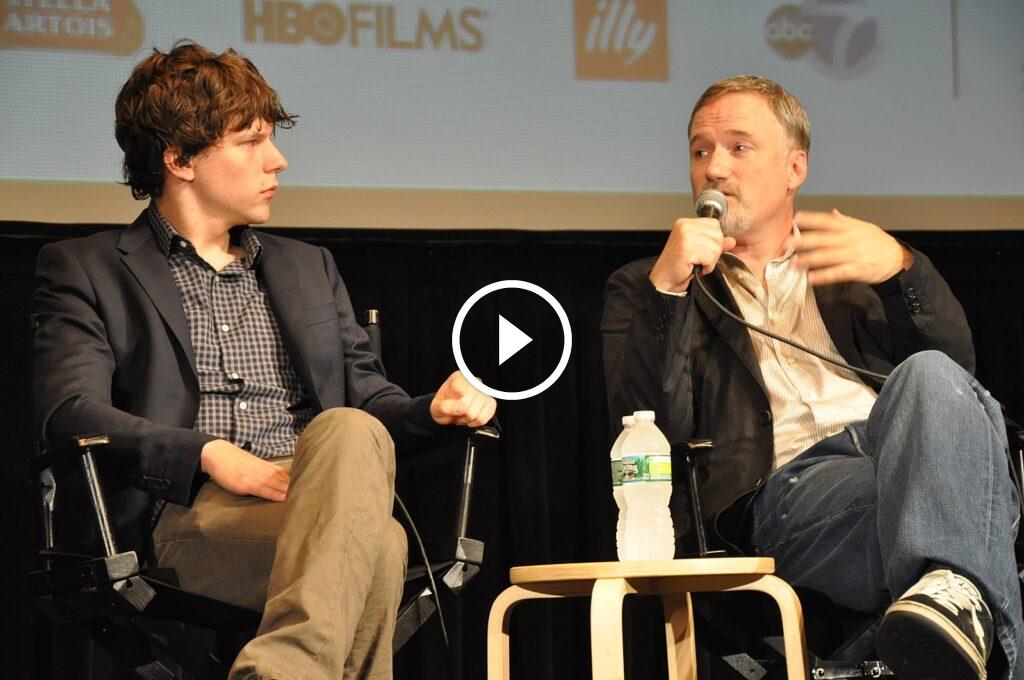
Image source: Unraveling the Mind of David Fincher: A Journey Through his …
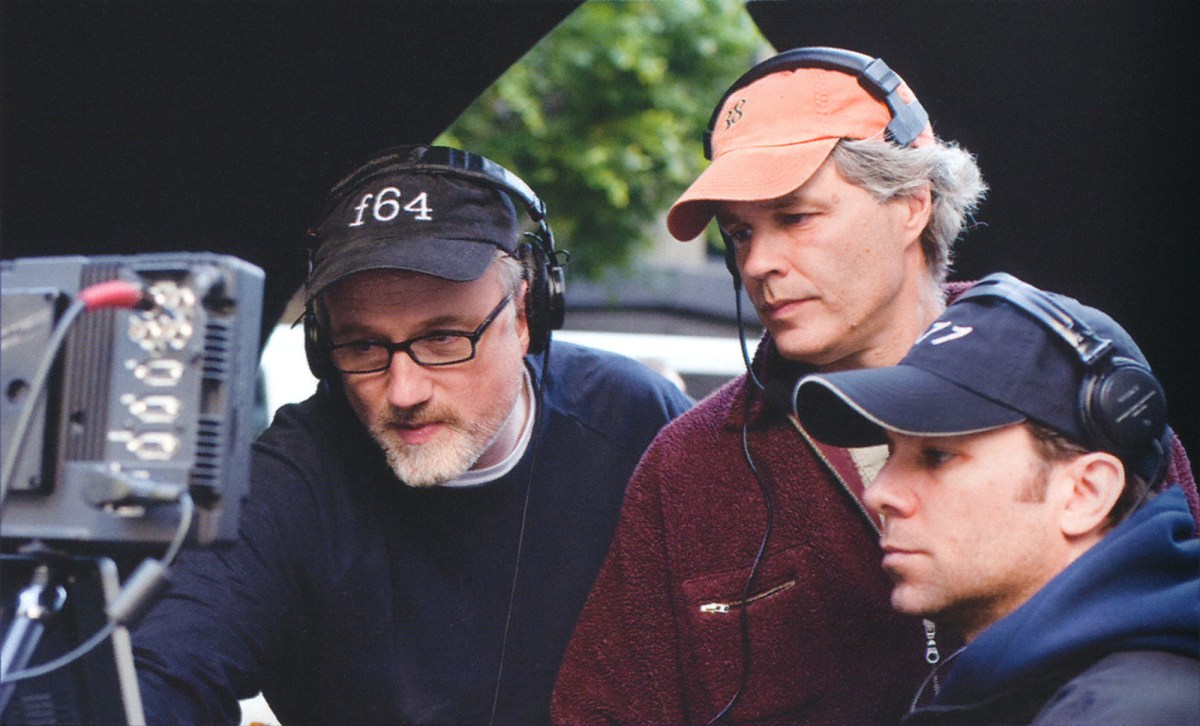
Image source: thefincheranalyst.com · 2025/12/07 · cinetalk-peter-rosenfeldCineTalk: Peter Rosenfeld SOC, Camera Operator – The Fincher…
How David Fincher uses precise camera movement
David Fincher’s camera often moves so closely with an actor that the movement barely calls attention to itself. The precision is not just a visual signature: it keeps the viewer locked to the character, while a change in the camera’s behavior can make a moment feel strikingly different. Cinematographer Erik Messerschmidt says that when the camera stays in sync with an actor, viewers are less aware of the operator and more connected to the story. 1
Movement that follows action
A Fincher move usually starts with blocking, not with the camera. The shot is designed around where an actor stands, when they turn, how fast they walk, and where a line lands. That makes the camera feel like a disciplined observer rather than an independent performer.
In a Gone Girl shot, the camera travels beside Nick Dunne as he enters his ransacked living room. It matches his speed and glides smoothly—until a tiny bump interrupts the move. Fincher noticed that bump while reviewing the edit. The example shows how even a brief, unintended jolt can draw attention away from what Nick is seeing. 2
The synchronization can be smaller than a tracking shot. As an actor leans forward or bends down, the camera may pan, tilt, or move with them rather than visibly correct its framing afterward. Messerschmidt says this takes rehearsal, cooperation with the actors, skilled operating, and sometimes stabilization in postproduction. 1
The important distinction is that the movement is not decorative. It is behaviorally motivated. A Fincher camera often appears to “think” with the character: if the character hesitates, the move hesitates; if the character advances, the frame advances with equal restraint.
flowchart LR A["Actor's position and timing"] --> B["Rehearsed camera move"] B --> C["Camera stays in sync"] C --> D["Operator becomes less noticeable"] D --> E["Attention stays on the scene"]Restraint is part of precision
Fincher does not move the camera simply because he can. For Zodiac, cinematographer Harris Savides said they rarely moved it: the film needed viewers to absorb conversations and evidence, not be distracted by visual flourishes. Fincher described the intended approach as matter-of-fact rather than seductive. 3
That restraint gives departures from it a purpose. Fincher chose handheld camerawork for the investigation of taxi driver Paul Stine’s crime scene so the audience could feel as though it were walking through the site with the detectives. Precision, in other words, does not always mean smoothness. It means choosing the camera behavior that serves this scene. 3
This is one reason his movement feels controlled rather than expressive in the usual sense. A stylish crane or obvious push-in can signal meaning too early. Fincher more often prefers a move that arrives late, almost invisibly, so the audience discovers the emphasis at the same time the character does. That delay creates tension because the frame does not announce its intention.
Built into the whole scene
The finished movement depends on more than the operator. Actors must hit repeatable positions, and the coverage must fit together in the edit. For Mank’s final dinner scene, Messerschmidt says Fincher rehearsed Gary Oldman’s route around the table so particular lines would land at particular places; that let the filmmakers plan tracking shots, points of view, and reactions. 1
That kind of preparation is part of Fincher’s wider method. The camera is often blocked as if it were another performer in the room, with each move tied to dialogue, eyelines, and the geometry of the set. When the scene is built this way, the camera can move with apparent spontaneity while actually being among the most predetermined elements in the frame.
The result is a camera that can feel uncannily attentive without seeming busy. It follows when following clarifies the action, stays still when the audience needs to listen, and breaks its usual composure when a scene calls for a more immediate point of view. 1, 3
What gives Fincher’s movement its tension
Fincher’s camera movement works because it is usually exact before it is dramatic. The viewer senses that the frame is under control, and that control becomes part of the scene’s emotional pressure. A room feels more threatening when the camera does not wobble into anxiety but instead keeps a firm, clinical distance.
A few practical traits define the approach:
- The move is motivated by action. The camera follows turns, entrances, exits, and pauses rather than announcing itself with unrelated motion.
- The move is repeatable. Fincher’s scenes often depend on marks, timing, and blocking precise enough to survive multiple takes and editorial comparison.
- The move has a point of view. When the camera shifts, it usually changes what the audience knows, not just how the image looks.
- The move can be withheld. Holding still is often as important as moving, especially when the scene depends on observation, suspicion, or discomfort.
That balance is why Fincher’s camera language feels so controlled. The movement is rarely flashy, but it is rarely casual. Each adjustment is designed to keep attention on performance, information, and the slow accumulation of unease.
Common mistakes when copying the style
A Fincher-like shot is easy to misread as “smooth camera equals Fincher.” In practice, the style depends on precision, not polish alone.
Common mistakes include:
- Moving too much. Constant motion makes the camera feel eager rather than controlled.
- Moving without blocking. If the actor’s path and the camera’s path are not rehearsed together, the frame loses the sense of inevitability.
- Using stabilization as a substitute for intention. A stabilized shot can still feel loose if the move lacks a clear dramatic reason.
- Making every shot equally careful. Fincher-style tension comes from contrast between stillness, subtle movement, and the occasional sharper departure.
For cinematographers and directors, the larger lesson is that camera movement is strongest when it behaves like a decision, not a habit. Fincher’s films treat motion as part of scene construction, with blocking, lensing, and editing all working toward the same controlled effect.