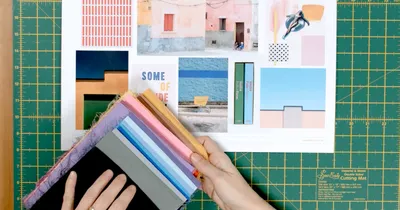
Understanding the Differences: Mood Boards, Lookbooks, and Shot Lists for Filmmakers
Image source: What Is a Mood Board and What Is It For? - Domestika
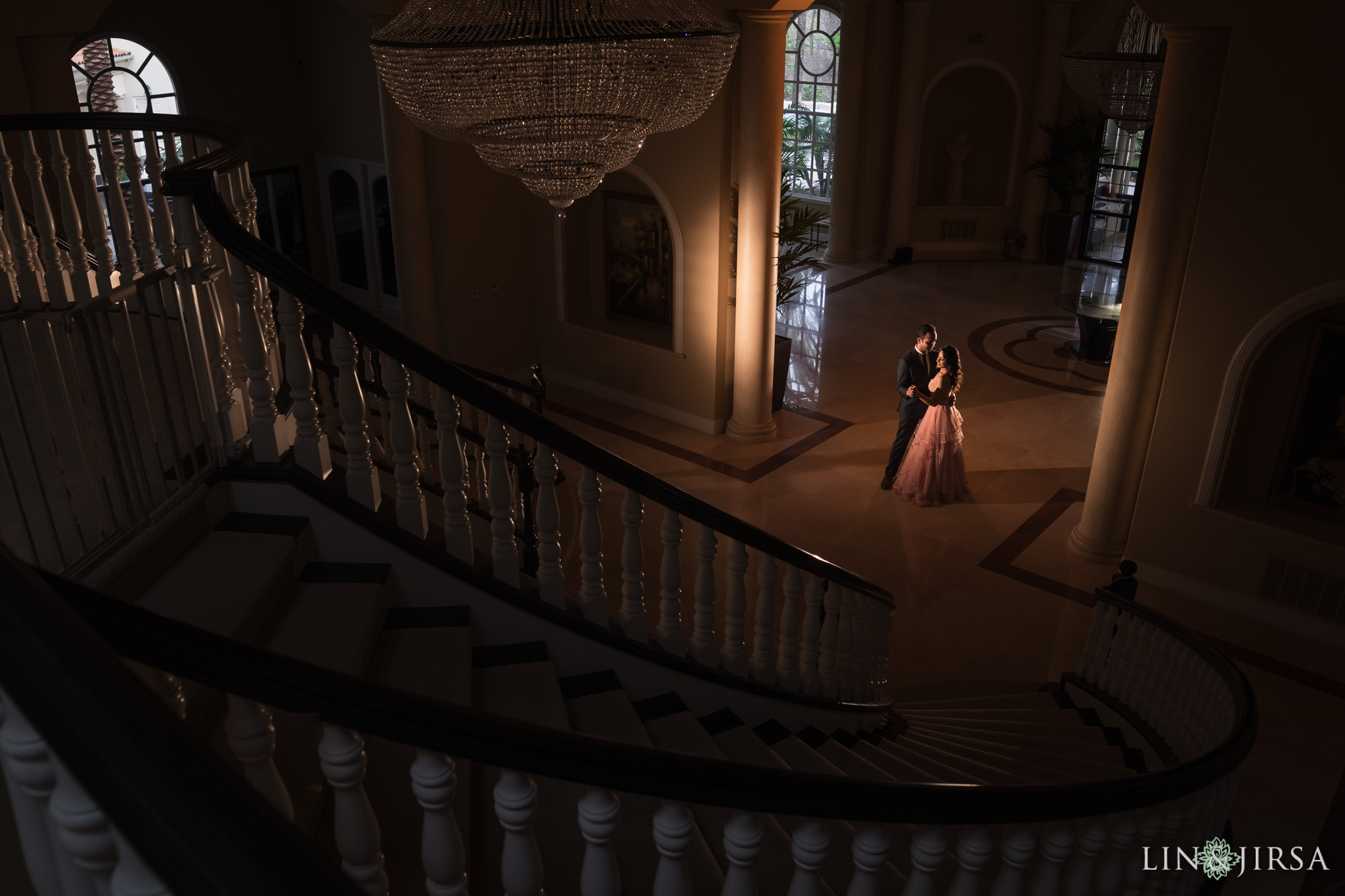
Image source: Moodboard Vs Shot List

Image source: How to use and create a moodboard for photography — Patrick Fore Photography - Commercial Photography | San Diego Based
The key difference is their purpose and level of specificity:
| Aspect | Mood Board | Lookbook | Shot List |
|---|---|---|---|
| What it is | Collage of images, colors, textures, quotes | Curated collection of finished photos showing “looks” | Written checklist of every shot to capture |
| Primary purpose | Set the tone/mood & inspire 1, 2, 3 | Showcase styled outfits/collections to customers/buyers 4, 5, 6 | Plan execution of every shot on shoot day 7, 8 |
| When used | Early pre-production (concept phase) 9, 2 | Pre-production (visual reference) OR as final marketing product 7, 10, 11 | Pre-production → shoot day (execution) 7, 8 |
| Content | Inspiration from anywhere (Pinterest, paintings, movies) 9, 12 | Actual photos of models wearing styled outfits 4, 6, 11 | Technical details: camera angle, lens, movement, action 7, 13 |
| Audience | Creative team (internal alignment) 9, 12 | Customers, buyers, stylists (external) 6, 14, 11 | Photographer/crew (practical checklist) 7, 8 |
| Specificity | Abstract vibe (compass, not manual) 1, 15 | Concrete visual references (what the look should be) 7, 10 | Very specific (every shot numbered) 7, 8 |
The short version
A mood board defines the feeling, a lookbook defines the visual identity of the finished looks, and a shot list defines the exact images or scenes that must be captured. In film and photography, they overlap in pre-production, but they solve different problems: inspiration, reference, and execution.
Mood board: tone, texture, and emotional direction
A mood board is a visual collage built to communicate atmosphere. It usually combines stills, color swatches, lighting references, costume notes, textures, location ideas, typography, and sometimes music lyrics or words that describe the intended emotional register. Its job is not to explain every frame; its job is to align the team on what the project should feel like.
That makes a mood board especially useful at the earliest stage of a project, when the story, palette, and visual language are still being shaped. A horror project may lean on crushed blacks, sodium vapor streetlight, wet pavement, and hard side light. A romantic comedy may lean on pastel production design, soft daylight, and clean framing. In both cases, the mood board is the place where those instincts become shared visual evidence.
A strong mood board is broad enough to inspire, but focused enough to avoid contradiction. If one reference says “winter minimalism” and another says “maximalist neon nightclub,” the board is no longer clarifying the look; it is splitting the team’s intent.
Lookbook: a concrete visual reference for the finished aesthetic
A lookbook is more specific than a mood board. In fashion, it traditionally means a curated presentation of styled outfits or a collection, often shown through finished photographs for buyers, stylists, or clients. In filmmaking and video production, the term is often used more loosely to mean a set of polished reference images that show what the final visual world should resemble.
Where a mood board suggests mood, a lookbook shows outcome. It presents the wardrobe, styling, composition, and often the lighting approach in a more resolved form. If a mood board says “urban dusk with restrained luxury,” a lookbook shows what that actually looks like on a body, in a frame, with the right hair, makeup, fabrics, and background treatment.
In practice, lookbooks are useful when a project has a repeatable visual system. Fashion campaigns, branded content, music videos, and series work often benefit from this format because the lookbook can communicate consistency across multiple setups. It helps answer questions such as: Which outfits belong together? How much skin is shown? Are the frames polished or loose? Is the light glossy, matte, or contrasty?
A lookbook can also function as a sales or approval document. That is one reason it feels more finished than a mood board: it is often meant to persuade, not just inspire. In fashion and commercial work, the lookbook often sits closer to the final product than to the brainstorming phase.
Shot list: the production blueprint
A shot list is the most practical of the three. It is a written production tool that organizes the actual coverage needed on the day of the shoot. A good shot list usually includes the shot number, scene or setup, framing, angle, lens choice, camera movement, action, and any important notes about continuity or performance.
If the mood board is the compass and the lookbook is the visual target, the shot list is the map. It is where creative intent becomes a shootable plan. A director or cinematographer can use it to reduce missed coverage, manage time, and coordinate the work of camera, art, lighting, and talent.
Shot lists are especially important when the schedule is tight. A commercial, music video, or short narrative scene can lose time quickly if the crew is deciding shots on the fly. The shot list prevents that drift by turning creative priorities into a sequence of discrete tasks. It also reveals whether a plan is realistic: if a setup requires four lens changes, two lighting resets, and a steadicam move, it will likely take longer than a clean master and two inserts.
How they work together
In a well-run production, the three tools support one another rather than competing.
- Mood board: establishes the emotional and visual language
- Lookbook: refines the style into a more finished reference
- Shot list: translates the style into actionable coverage
A fashion film might begin with a mood board of late-1970s editorial references, cold chrome surfaces, and overexposed daylight. That mood board becomes a lookbook of specific wardrobe combinations, posing ideas, and framing references. Then the shot list breaks the project into a wide establishing shot, medium profile turns, detail shots of fabric movement, and close-ups of accessories.
This sequence matters because each document answers a different question. The mood board asks, “What should this feel like?” The lookbook asks, “What should it look like when fully styled?” The shot list asks, “What exactly needs to be captured?”
Common mistakes
Treating a mood board like a shot list
A mood board is not meant to specify every angle, lens, or camera move. When it becomes overloaded with technical detail, it stops doing the work of establishing tone.
Using a lookbook as a random inspiration dump
A lookbook should be curated. Too many mixed references weaken its value because the final style becomes harder to read. A lookbook works best when the images reinforce one coherent visual system.
Writing a shot list without creative priorities
A shot list that only names shots without clarifying what matters can become a time sink. The most useful shot lists indicate which frames are essential, which are desirable, and which can be dropped if production runs long.
Simple analogy
- Mood board = Your “north star” for the feeling you want 15
- Lookbook = Visual reference showing what the styled looks should look like 7, 10
- Shot list = The actual checklist you follow to execute the shoot 8, 7
In fashion photography, a mood board sets the aesthetic vibe, the lookbook shows reference photos of styled outfits, and the shot list details exactly which products/looks to photograph and how. 16
Quick comparison for filmmakers
- Use a mood board when the project needs shared emotional direction.
- Use a lookbook when the project needs a clearer visual reference for styling, wardrobe, and finish.
- Use a shot list when the production needs a concrete plan for what will be filmed.
For filmmakers, the biggest distinction is not that one is “more creative” than another. It is that each one operates at a different level of decision-making. Mood boards guide taste, lookbooks define the target, and shot lists keep the day on track.
FAQ
Is a lookbook the same as a mood board?
No. A mood board is broad and atmospheric, while a lookbook is more concrete and finished. A mood board collects ideas; a lookbook shows the intended result in a more resolved form.
Can a shot list replace a lookbook?
No. A shot list covers execution, not styling or visual identity. It tells a crew what to capture, but it does not replace the reference material that defines the intended look.
What is the difference between a lookbook and a portfolio?
A lookbook presents a specific project, collection, or visual direction. A portfolio presents past work. One is prospective and project-based; the other is retrospective and representative.
What is the difference between mood boards and lookbooks in fashion photography?
In fashion photography, the mood board sets the overall aesthetic language, while the lookbook shows the clothing, styling, and framing in a more finished way. The mood board helps define the feeling; the lookbook helps define the actual look.
References
-
Lookbook - (History of Photography) - Vocab, Definition, Explanations | Fiveable
-
Using a Mood Board for Fashion Shoots | Inside Fashion and Beauty Photography with Lindsay Adler