The Future of Filmmaking: How AI is Revolutionising Cinematography

Image source: Lights, Camera, Innovation: How AI is Shaping the Future …
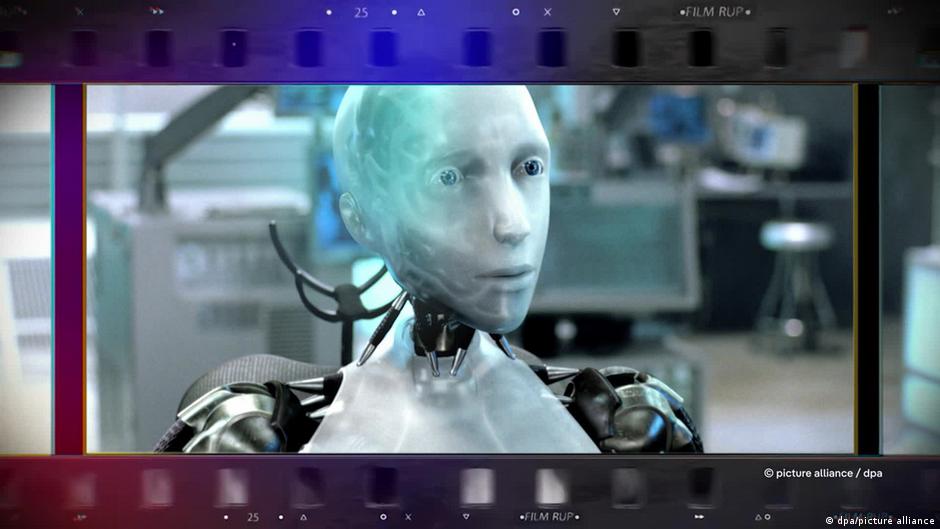
Image source: How artificial intelligence is changing film – DW – 07/12/2025

Image source: The Future of Cinematography: AI-Powered Camera Movement — Matt Sheils
AI is transforming cinematography and the camera department by automating technical tasks, enhancing creative possibilities, and accelerizing workflows across pre-production, filming, and post-production. Rather than replacing cinematographers, these tools act as powerful assistants that handle repetitive work while humans focus on artistic vision. 1, 2
Key Transformations by Stage
| Stage | AI Applications | Impact |
|---|---|---|
| Pre-production | AI-assisted storyboarding, 3D set modeling, camera path planning, concept art generation (DALL-E, Midjourney) 3, 4 | Front-loads work to shorten physical production; enables A/B-testing shots before shooting 3 |
| Filming | AI-powered camera movement that analyzes scenes/emotions for dynamic shots 1; automated subject tracking, framing, shot composition in real time 2; AI drones for automated tracking/stabilization 5 | Reduces manual operation; speeds shooting; minimizes retakes; democratizes high-quality cinematography for indie filmmakers 2 |
| Post-production | Automated cosmetic improvements, de-aging, dialogue replacement, object removal, color grading, removing booms 3, 6; VFX automation with 80–90% efficiency gains 3 | Cuts time/costs dramatically; handles microtasks that once absorbed hundreds of staff hours 3 |
Specific Camera Department Changes
- Automated camera work: AI-enabled cameras follow subjects, adjust framing, and compose shots automatically, reducing the need for extensive manual operation and physical burden on camera crews 2
- Dynamic camera movement: Algorithms analyze character emotion, scene mood, and story arc to create camera movements that enhance storytelling—providing innovative ideas cinematographers might not consider manually 1
- Virtual cinematography: Generative models synthesize scenes/environments from text prompts, allowing filmmakers to refine visuals without traditional cameras 4
Creative & Ethical Considerations
AI enhances storytelling by enabling personalization and new art forms, but raises concerns about jobs for screenwriters, actors, and crew. Industry leaders emphasize three ethical principles: prioritize human-centered storytelling, use AI to amplify (not diminish) creativity, and control AI rather than letting it control. 7, 8
The greatest near-term value emerges in pre- and post-production—areas where AI enhances rather than replaces creative judgment. AI cannot yet handle the open-ended complexity of creating a film or replace artistic vision and intuition. 3, 9
References
-
The Future of Cinematography: AI-Powered Camera Movement — Matt Sheils
-
Transforming Cinematography: The Rise of AI-Enabled Automated Camera Work
-
The AI Takeover In Cinema: How Movie Studios Use Artificial Intelligence
-
How artificial intelligence is changing film – DW – 07/12/2025
-
Cinematography in the Age of AI – Creative Evolution or Artistic Erosion?