Unlocking the Power of LED Volume Stages for Filmmaking
Image source: Understanding LED Volume Technology for Immersive …
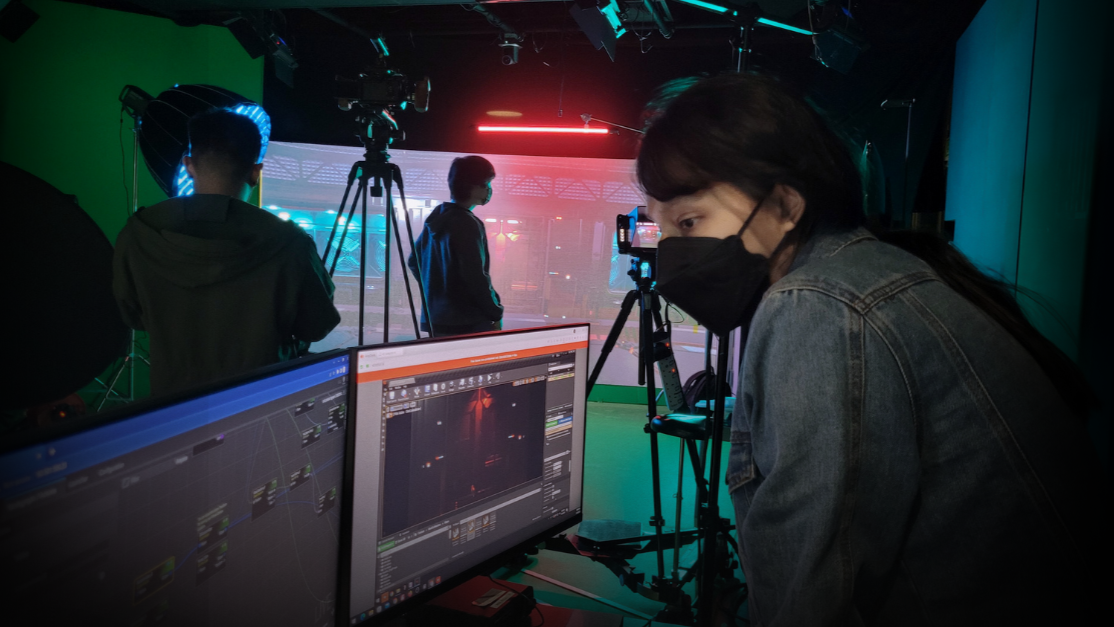
Image source: Inside the LED Volume: How ICVFX Bridges Real and …
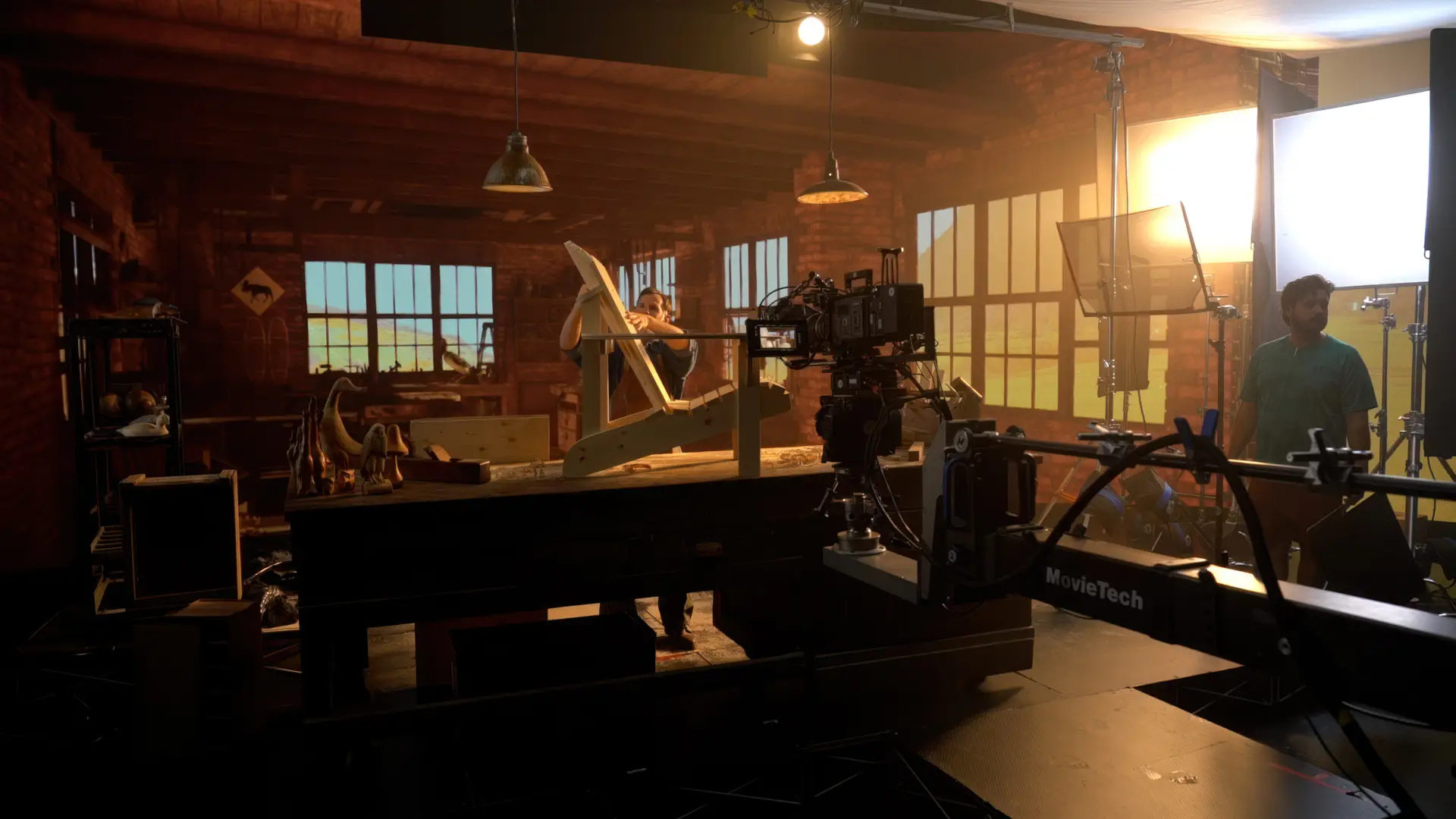
Image source: LED Volume and Green Screen: Difference, Pros and Cons.
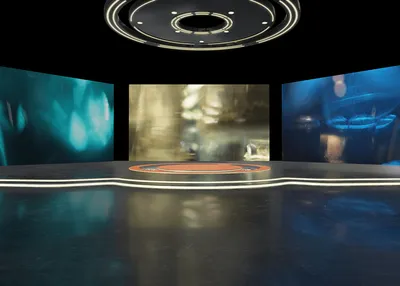
An LED volume stage (often called “the Volume”) is a large, curved set of high-resolution LED screens that displays real-time, photorealistic digital environments for filming. Instead of shooting on location or against a green screen, filmmakers capture actors and physical props directly in front of these walls, with the background visible in-camera while the camera moves. 1, 2
How It Works: The Core Technology
| Component | Function |
|---|---|
| LED Panels | Hundreds of high-brightness screens form a curved wall (often 20+ ft tall, 75+ ft wide) that emits real light 1, 3 |
| Real-Time Engine | Typically Unreal Engine (from video games) renders 3D environments instantly, not pre-recorded footage 1[charter.film] |
| Camera Tracking | Sensors track the camera’s position/distance; the background shifts perspective in real-time to maintain correct 3D parallax 4, 1 |
| Inner/Outer Frustum | The inner frustum is what the camera sees (moves with camera); the outer frustum stays static to provide consistent lighting/reflections 1 |
Key Advantages for Filmmakers
1. Final-Pixel Results On Set
You see the near-final image while shooting, not months later in post. This lets you correct mistakes, adjust lighting, or reshoot immediately [charter.film]. 5
2. Real Lighting & Reflections
The LED walls emit actual light, creating authentic reflections on glass/metal, natural color spill on skin, and dynamic lighting that matches the environment—no “light-wrapping” needed [charter.film]. 5
3. Actor Immersion
Performers see their surroundings (alien deserts, city streets) instead of a green void, leading to stronger performances [charter.film]. 5
4. Efficiency & Cost Savings
- Instant location swaps (desert → space station in minutes)
- No weather/permit risks
- Reduced post-production (less rotoscoping, compositing) [charter.film] 4
5. Built-In Depth of Field
The moving background creates realistic parallax, giving cinematic depth even in a studio [charter.film]. 2
LED Volume vs. Green Screen
| Factor | Green Screen | LED Volume |
|---|---|---|
| Background visible on set | No (invisible) | Yes (photorealistic) |
| Reflections | Fake (added in post) | Real (from LED light) |
| Green spill/halos | Common issue | Eliminated |
| Post-production time | Heavy (months) | Lighter (weeks) |
| Actor performance | Harder to immerse | Enhanced context |
| Cost | Lower upfront | Higher upfront 1[charter.film] |
Technical Challenges to Consider
- Moiré Patterns: Wavy distorted lines when filming screens at certain angles/focus—requires precise camera positioning and filters [charter.film] 4
- Pixel Pitch: Close-ups need higher resolution; lower pixel density shows grid lines [charter.film] 5
- Latency: Camera tracking has a few frames of delay—fast handheld movements can break the illusion 4
- Lighting Balance: Too much LED spill or poorly balanced fill light breaks the environment’s realism 4
- High Cost: Expensive to install/maintain; draws significant power [charter.film] 6
Famous Usage
The technology gained mainstream fame through Disney’s The Mandalorian (2019), produced by Industrial Light & Magic’s StageCraft system. It’s now used in The Batman, Dune, Doctor Who, and major commercials. 2, 4
Bottom Line for Filmmakers
LED volumes are not magic—they demand craft, planning, and precision. But when paired with creative vision, they offer instant location flexibility, cinematic in-camera results, and dramatically reduced post-production. Virtual production won’t replace location work entirely, but it’s a powerful new tool for modern storytelling. 4
References
-
Why Midwest Filmmakers Can’t Get Enough of LED Volume Stages
-
LED Volume Stage Film Production Company - Boiling Point Media