Mastering the Over-the-Shoulder Shot: Framing Dialogue Like a Pro
Image source: Over-the-shoulder shot - Wikipedia

Image source: Over the shoulder shot (OTS) guide with examples
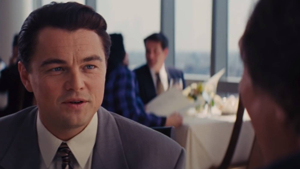
Image source: Over the shoulder shot: Its uses in cinema
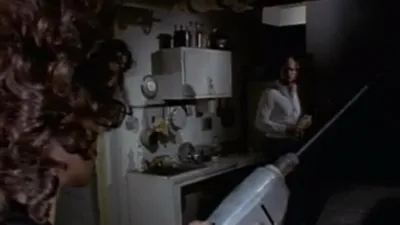
For a dialogue scene, frame an over-the-shoulder shot so the foreground shoulder and a bit of head act as a natural frame, while the speaking character’s face stays the visual focus. Keep the camera just behind and slightly to the side of the foreground character, and use the setup to preserve eye lines, spatial clarity, and emotional connection between both people. 1, 2, 3
Framing setup
Place the camera behind one character’s shoulder, angled enough to show the other character clearly in the background. The foreground shoulder should occupy only a small part of the frame, enough to give depth without blocking the face you want the audience to watch. A medium or medium-close framing usually works best for dialogue because it keeps facial expression readable. 2, 3, 4, 1
Composition tips
Keep the speaking character near the rule-of-thirds area rather than centered, unless you want a more formal or confrontational feel. Match the height of the camera to the character’s eye line for a neutral exchange, or shift slightly higher or lower to suggest vulnerability or dominance. Use the shoulder in the foreground as a visual anchor, but avoid letting it dominate the shot. 4, 5, 1, 2
Dialogue blocking
For a standard shot-reverse-shot scene, position each character on opposite sides of the axis so screen direction stays consistent. If the scene feels intimate, bring the characters closer and use a tighter OTS; if it feels tense or distant, widen the space between them or make the foreground subject loom larger. A slight change in angle or distance can signal a shift in power during the conversation. 3, 2, 4
Simple example
If Character A is speaking to Character B, place the camera just behind A’s shoulder so B’s face fills the frame, with A’s shoulder soft in the foreground. Then reverse the setup for B’s reply, keeping the eyelines aligned so the edit feels continuous. 1, 2, 3
References
-
How to Film a Dialogue Scene: Angles, Framing & Rule of Thirds - Tutorial 17
-
The Over The Shoulder Shot in Film (and How to Shoot a Dialogue Scene) #overtheshoulder