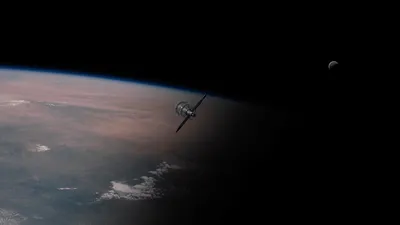
Exploring the Future: AI Tools Transforming Filmmaking
Image source: The Best AI Tools for Filmmakers (2026)
Image source: Cinematic-Grade Video Quality Enhancement Software
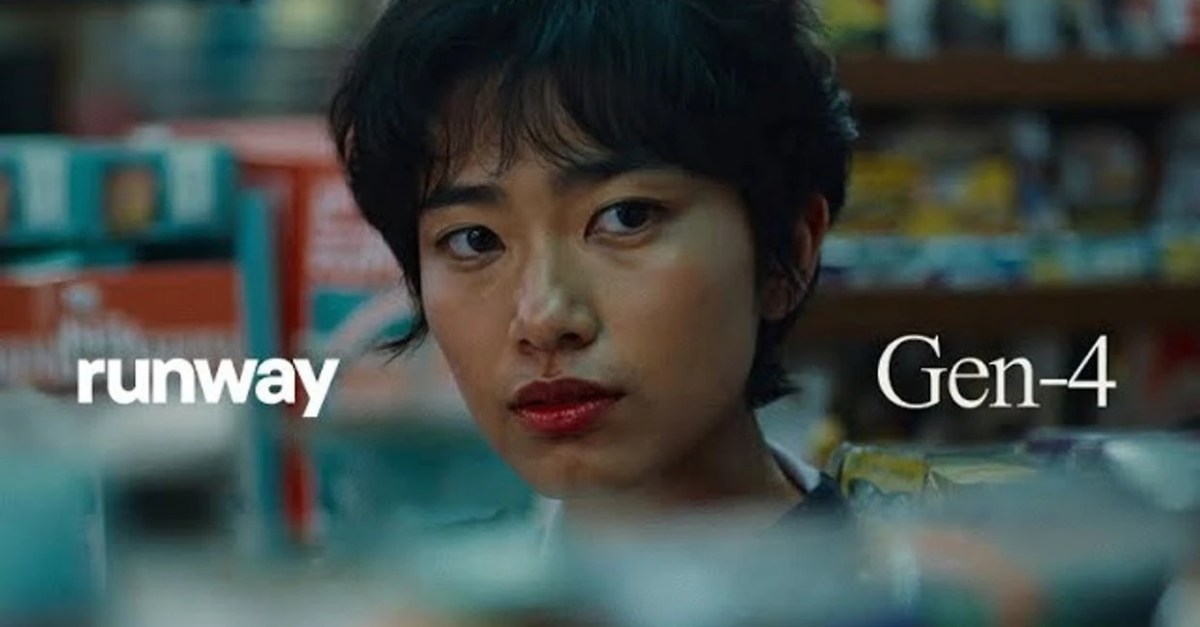
Image source: Runway says its latest AI video model can actually …
The current AI tools landscape for filmmakers is split across pre-production, generation, post-production, and distribution, with a clear move toward multimodal workflows that combine text, image, video, audio, and editing in one stack. The biggest practical shift in 2026 is that tools are no longer just “AI generators”; they are becoming production platforms that plug into professional editing and finishing software. 1, 2, 3, 4
What’s leading now
For video generation, Runway and OpenAI’s Sora are two of the most prominent names. Runway’s latest Gen-4.5 emphasizes cinematic fidelity and control, while Sora 2 adds synchronized dialogue and sound effects, which makes it more useful for early scene prototyping and short-form cinematic tests. 5, 6
For voice and audio, ElevenLabs has expanded beyond voice cloning into a broader media suite for speech, music, and sound effects, making it especially relevant for narration, dubbing, and temp audio in film workflows. 7, 8
For image and concept work, Midjourney remains a common choice in filmmaker tool stacks, while Adobe Firefly is increasingly important because it connects directly to Creative Cloud and now offers video generation and generative extend inside Premiere Pro. 3, 9
Where the value is
Pre-production is where AI saves the most time for most filmmakers today: script ideation, shot lists, storyboards, scheduling, and visual development are all being accelerated by dedicated and general-purpose tools. Adobe’s ecosystem is pushing this direction strongly with Firefly Boards and Premiere integrations, while specialized pre-production tools like Shai Creative and other planning suites are targeting storyboard and shot-list workflows. 4, 10, 11, 1
In production and VFX, AI is most useful for rapid iteration, cleanups, object removal, rough comps, and scene planning rather than final-pass replacement of human crews. That’s why many teams treat AI as a speed layer over existing workflows instead of a full replacement for traditional cinematography or editing. 2, 11, 1
Post-production stack
The post-production layer is where the most mature filmmaker-facing AI features live. DaVinci Resolve 20 introduced a large set of AI-assisted tools such as IntelliScript, Dialogue Matcher, Magic Mask improvements, and audio automation, which are designed to reduce repetitive edit and sound tasks. 12, 13
Adobe is similarly pushing AI into finishing workflows with Generative Extend and the Firefly video model, and its 2026 updates emphasize tighter integration between ideation and final edit in Premiere Pro. For restoration and upscaling, Topaz Video remains a strong option, especially for archival footage and delivery-quality enhancement. 14, 15, 16, 3
What indie filmmakers use
Independent filmmakers are mostly building compact stacks around a few categories: one tool for concept art, one for video generation, one for voice, and one for editing/final polish. A typical modern stack might be Runway or Sora for visuals, Midjourney for look development, ElevenLabs for voices, and DaVinci Resolve or Adobe Premiere for finishing. 6, 13, 17, 18, 5, 7
That approach works because current tools are still uneven: they’re excellent for prototyping and selective tasks, but consistency, character continuity, and long-scene coherence remain the main bottlenecks. The result is that AI is best seen as a workflow multiplier, not a single-button movie maker. 18, 19, 1, 2
Practical take
If you want to understand the market right now, think in four buckets: ideation, generation, post, and distribution. The strongest tools are the ones that either integrate into existing pro software, like Adobe and DaVinci, or specialize in one painful task, like voice, upscaling, or video generation. 11, 15, 1, 3, 7, 12
For most filmmakers, the best starting point is a small stack rather than chasing every new model: one visual generator, one voice tool, one editor, and one restoration/upscaling tool. 13, 15, 5, 7
References
-
Free AI Voice Generator & Voice Agents Platform | ElevenLabs
-
ElevenLabs Tutorial: Voice Cloning, TTS & Dubbing Guide (2026)
-
8 Best Platforms for AI-Driven Pre-Production in Film? [2025]
-
Sora Isn’t Ready for Primetime, but Could Democratize Movie Industry
-
ElevenLabs Announces Partnerships with Iconic Hollywood Actors
-
Watch the Crazy AI Videos Artists Made With Sora - Business Insider
-
AI tools for filmmakers: next-level dialogue with text to speech
-
Filmmakers use OpenAI Sora, and these 5 videos will blow your mind!
-
ElevenLabs Just Changed EVERYTHING (Video Generation is Here)
-
Asteria is Building the Future of Filmmaking with Hybrid AI …
-
Adobe Firefly improves AI video creation with new tools, new models and unlimited generations