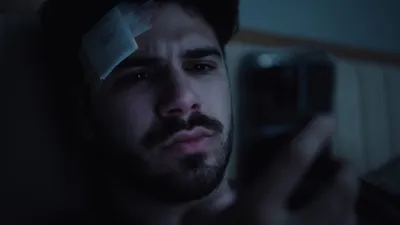
Mastering Nighttime Interior Lighting: Tips for Filmmakers
Image source: Narrative Cinematography: Lighting Night Interiors - Ahmad Asaad
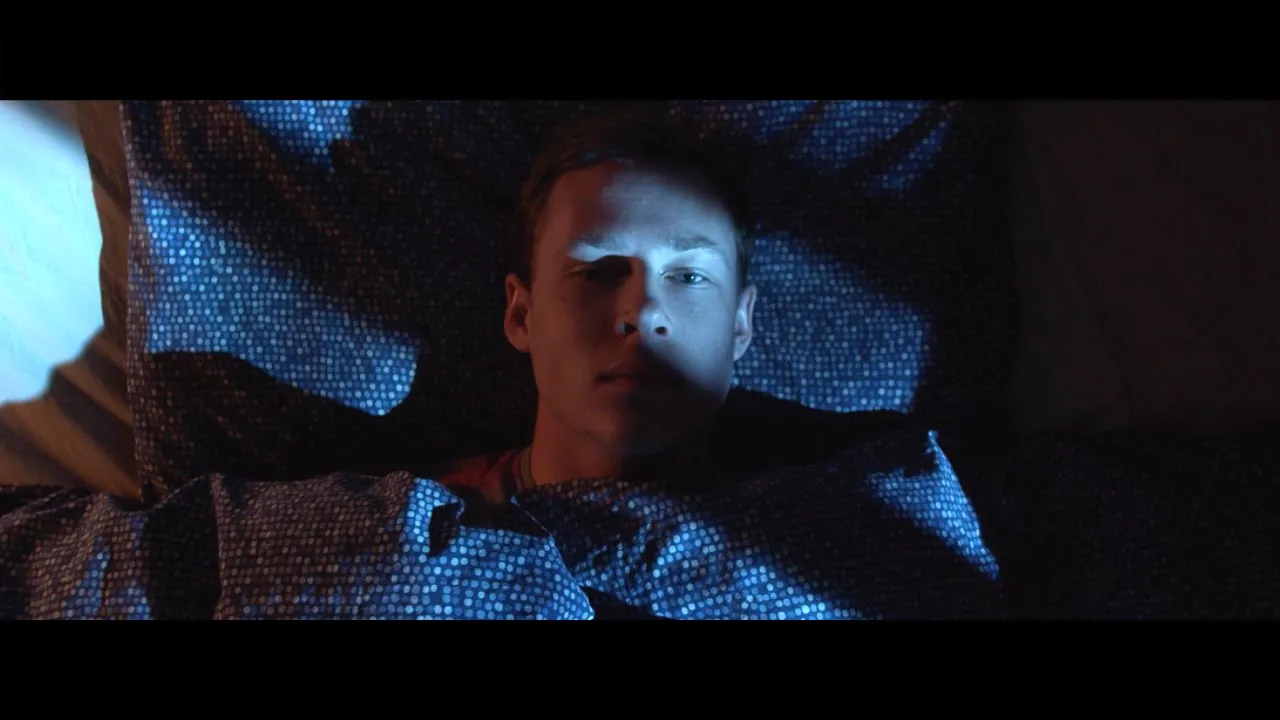
Image source: How to Light an Interior Bedroom Night Scene | Lighting …
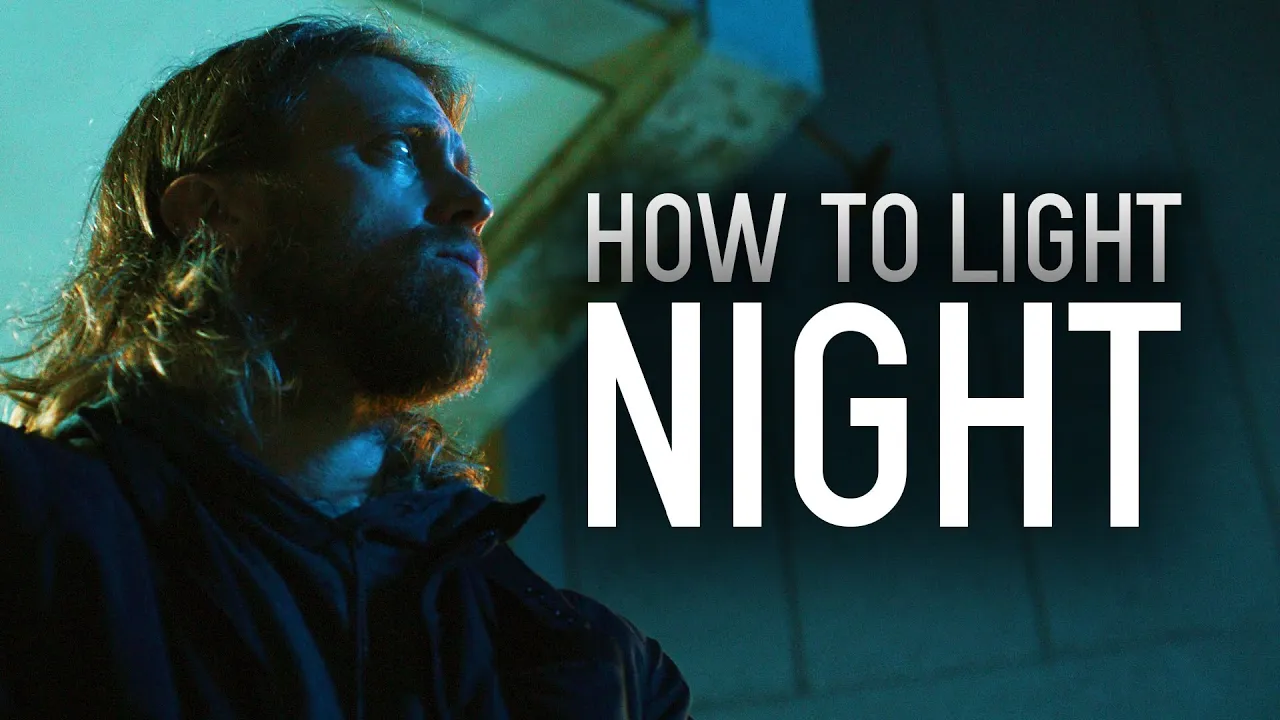
Image source: How To Light A Cinematic Night Scene | Filmmaking Tutorial
To light a night interior scene, your main goal is to make the viewer see what’s going on while still feeling the darkness. Here’s the core approach: 1
1. Motivate your light from a real source
Decide where the light is coming from: a window (moonlight), a lamp, TV screen, candle, ceiling light, etc. All artificial lights should look like they’re coming from that source. 2, 3
- Moonlight through window: Use a blue-tinted light outside the window, bounced into the room or through sheers/curtains. 4, 1, 2
- Practical lamp: Use an actual lamp in the scene as your “practical” light; shape and boost it with artificial lights motivated from it. 5, 2
2. Create controlled pockets of light
Avoid flat, even lighting. Use:
- Key light: Soft, directional light on your subject, opposite the camera, with a grid to control spill. 6, 7, 1
- Ambience/fill: Gentle bounce light (e.g., from a wall or white cloth) to fill darkness without washing it out. 1, 2
- Background light: Light the background to create interest, not to make it bright. 6
3. Use color and contrast
- Add blue (CTB) gel or RGB tubes for moonlight; don’t white-balance the camera with it on, so the blue stays. 3, 2
- Mix hard and soft light (e.g., spotlight + soft key) to avoid muddy, flat images in dark scenes. 1
- Use negative fill (black cloth/card) close to the subject to deepen shadows and increase contrast. 7, 5
4. Practical tips
- Avoid white/plain walls: Add lamps, pictures, or texture so light has something to play on. 5, 6
- Light outside the window: Silhouette a tree or add depth outside to avoid a flat black void. 5
- Use sheers: Sheer curtains catch window light and help motivate moonlight without overexposing. 7, 1
- Camera settings: Lower ISO, daylight white balance, and a slightly slower shutter can enhance the night look. 8
A simple 3-light setup often works:
- Key light (soft, with grid) for the subject
- Practical (lamp/LED bulb) for motivation
- Window/moonlight source outside. 9, 7
Do you want this for photography, film/cinematography, or home/video call lighting, and do you have a specific room (bedroom, dining room, office) you’re working with?
References
-
Narrative Cinematography: Lighting Night Interiors - Ahmad Asaad
-
Tips for lighting this interior for a night scene? (details below)
-
Lighting a Dinning Room Shot at Night (cinematography breakdown)
-
Int. Night Scene. How can I light it? - Lighting for Film & Video