Navigating Ethical Boundaries: The Role of AI in Modern Filmmaking

Image source: What Filmmakers Should Know about AI Copyright …
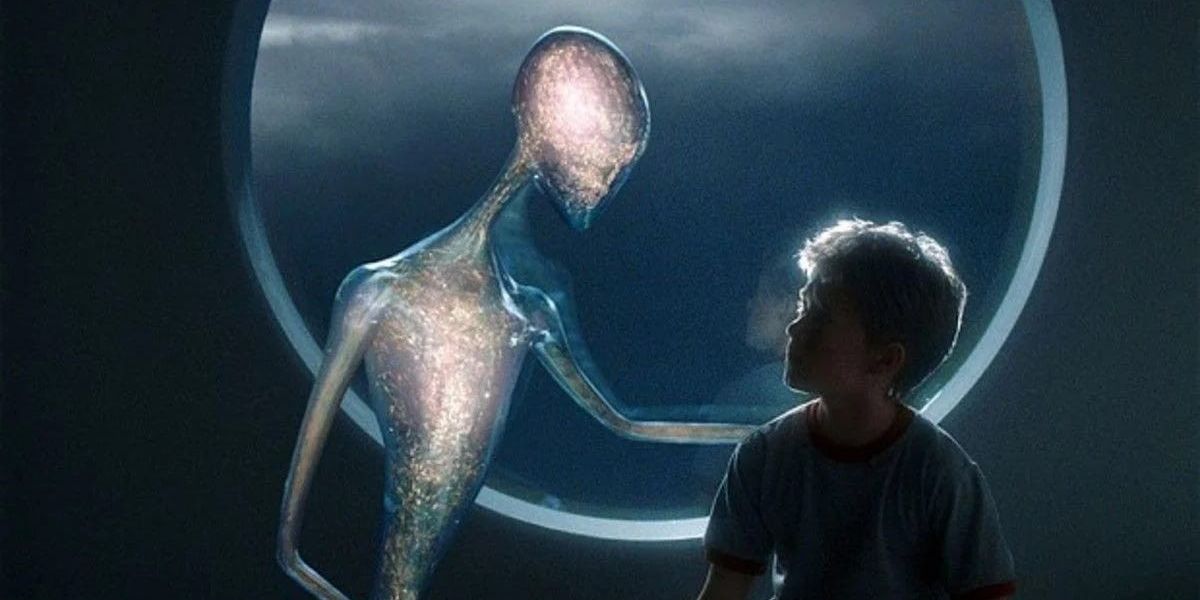
Image source: What is Ethical AI in Film and TV?
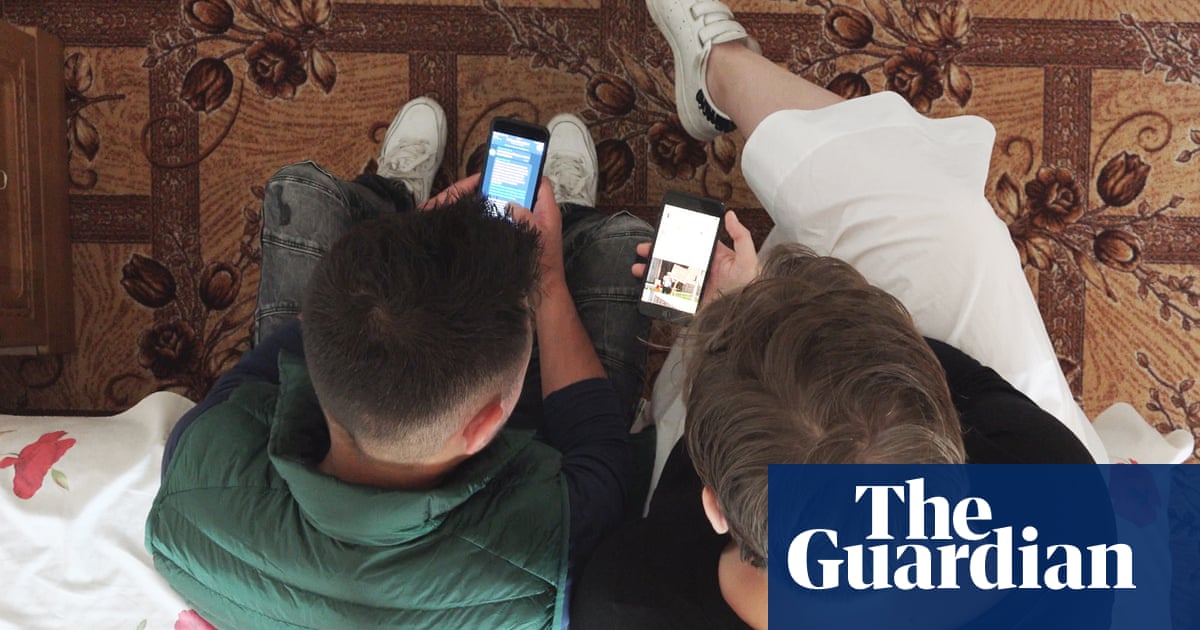
Image source: Documentary producers release new ethical AI guidelines for film-makers
AI in filmmaking raises two interconnected challenges: copyright uncertainty for AI-generated content and ethical risks around labor, consent, and authenticity.
Copyright considerations
| Aspect | Key point |
|---|---|
| AI-only content | In the U.S., purely AI-generated works are not copyrightable because they lack “human authorship” 1, 2. |
| AI-assisted films | A film that includes AI elements (e.g., VFX, background art) can still be copyrighted as a whole if there is substantial human creative direction, selection, and arrangement 1, 3. |
| Registration requirement | Filmmakers must disclose AI-generated material in copyright applications; the Office will exclude those specific elements from registration 1, 4. |
| Jurisdiction difference | The U.S. requires human authorship; the UK’s 1988 Act instead assigns authorship to “the person by whom the arrangements necessary for the creation are undertaken” for computer-generated works 5. |
| Training-data risk | AI models trained on existing movies/images may infringe copyrights if used without licensing, raising fair-use and clearance issues for creators 6, 7. |
Ethical considerations
| Issue | Why it matters |
|---|---|
| Job displacement | AI can automate editing, scriptwriting, VFX, and even acting, threatening roles for screenwriters, actors, and VFX artists 8, 9, 10. |
| Consent & likeness rights | AI can create digital replicas/deepfakes of actors (including deceased ones) without consent, violating publicity rights and legacy 9, 10, 11. |
| Transparency | Audiences should know when AI creates or alters content (e.g., synthetic actors, altered footage) to avoid misinformation and protect trust 12, 10, 11. |
| Bias & representation | Skewed training data can perpetuate stereotypes in characters, casting, and storytelling, undermining diverse representation 10, 11, 13. |
| Authenticity & homogenization | Overreliance on AI may diminish human creativity, leading to formulaic, less innovative films 8, 9. |
| Historical accuracy (documentaries) | Synthetic content can obscure real historical narratives; guidelines emphasize primary sources, transparency, and accuracy 12, 6. |
Documentary producers have already released ethical AI guidelines based on four principles: primary sources, transparency, legal compliance, and ethical human simulations. 12
Do you want this focused on U.S. law specifically, or on how these issues apply in the EU/Germany (given you’re in Berlin)?
References
-
AI Filmmaking Copyright and Legal Guide: What Creators Need to …
-
Who Owns Creativity? — AI in Entertainment - Troutman Pepper Locke
-
[PDF] IN THIS ARTICLE Motion picture works that use generative AI …
-
AI in Film: Copyright, Labour & Moral Rights Guide - China Legal Hub
-
Ethics in AI filmmaking: Panel insights and legal issues - LinkedIn
-
The Future of Filmmaking: AI’s Legal and Ethical Implications (USA)
-
Unlocking the Ethics of AI-Generated Actors: Navigating the implications of AI in film production
-
Documentary producers release new ethical AI guidelines for film-makers
-
Navigating the Ethical Maze: The Use of AI in Filmmaking - Fish Films