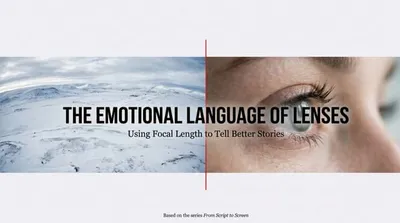
The Impact of Focal Length on Storytelling and Emotional Depth in Cinematography
Image source: Perspective and Emotion: The Role of Wide-Angle and Telephoto Lenses in Visual Narratives
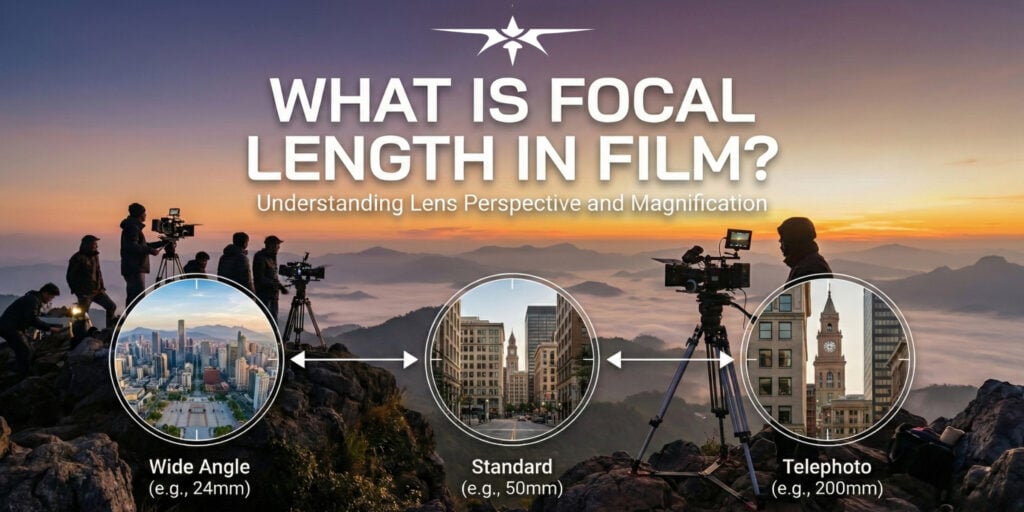
Image source: What is Focal Length in Film?
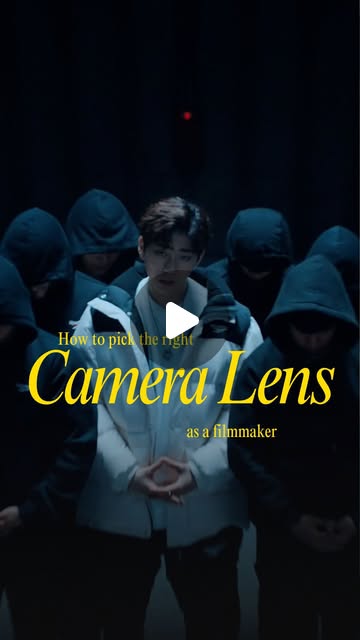
Image source: Lens Choice in Filmmaking: How It Shapes Your Emotions
Focal length is a powerful storytelling tool because it changes perspective, depth, and emotional connection—not just how much you zoom in. By manipulating how viewers relate to characters and environments, it dictates whether you feel intimacy, fear, vastness, or isolation. 1, 2, 3
Key Emotional Effects by Focal Length Range
| Focal Length | Lens Type | Emotional Impact & Storytelling Use |
|---|---|---|
| 14–35mm | Wide-angle | Creates vastness, curiosity, and openness; shows a character’s relationship to their environment 3, 4. Can make a hallway feel ominously long in horror films 5. Getting uncomfortably close makes viewers feel in the action 4. |
| 35–50mm | Standard | Feels natural, grounded, and authentic—closest to human vision 6, 4. Perfect for realistic interviews, romantic scenes, and dialogue where you want genuine intimacy without distortion 4, 5. |
| 50–85mm | Portrait/Normal | Intimate and trustworthy; ideal for close-up dialogue and emotional beats 6, 4. The 85mm is a “portrait powerhouse” that lets you see micro-expressions like “the blink before the tear” 4. |
| 70–135mm+ | Telephoto | Creates drama, intensity, and isolation; compresses background and flattens space 3, 4. Makes characters feel powerful or in control while isolating them from surroundings 6, 5. Mirrors feelings of alienation or claustrophobia 3. |
How It Works Psychologically
-
Wide lenses exaggerate distance: Objects closer appear larger; farther objects seem pushed back, creating depth but potentially awkward spacing in dialogue. Can distort faces to make characters feel “off,” sick, or distorted. 5, 6, 7
-
Telephoto lenses compress space: Background appears flatter and closer to the subject, focusing attention on emotions while blurring distractions. Creates shallow depth of field that isolates the subject. 6, 7, 5
-
Cutting between focal lengths changes mood: Intentional shifts can dramatically alter the scene’s emotional tone, though it can be risky if not done carefully. 7
Focal length acts as a “silent language” that speaks directly to the viewer’s subconscious, guiding where they look and how they feel. Mastering it allows cinematographers to make stories more immersive and emotionally compelling. 5
Want to know which focal length works best for a specific genre (like horror vs. romance) or a particular shot type you’re planning?
References
-
Perspective and Emotion: The Role of Wide-Angle and Telephoto Lenses in Visual Narratives
-
The Power of Perspective: How Focal Lengths Shape Perception
-
How the choice of a focal length changes the mood of the scene completely