Mastering Film Noir: A Deep Dive into Lighting Techniques
Image source: Film Noir Lighting
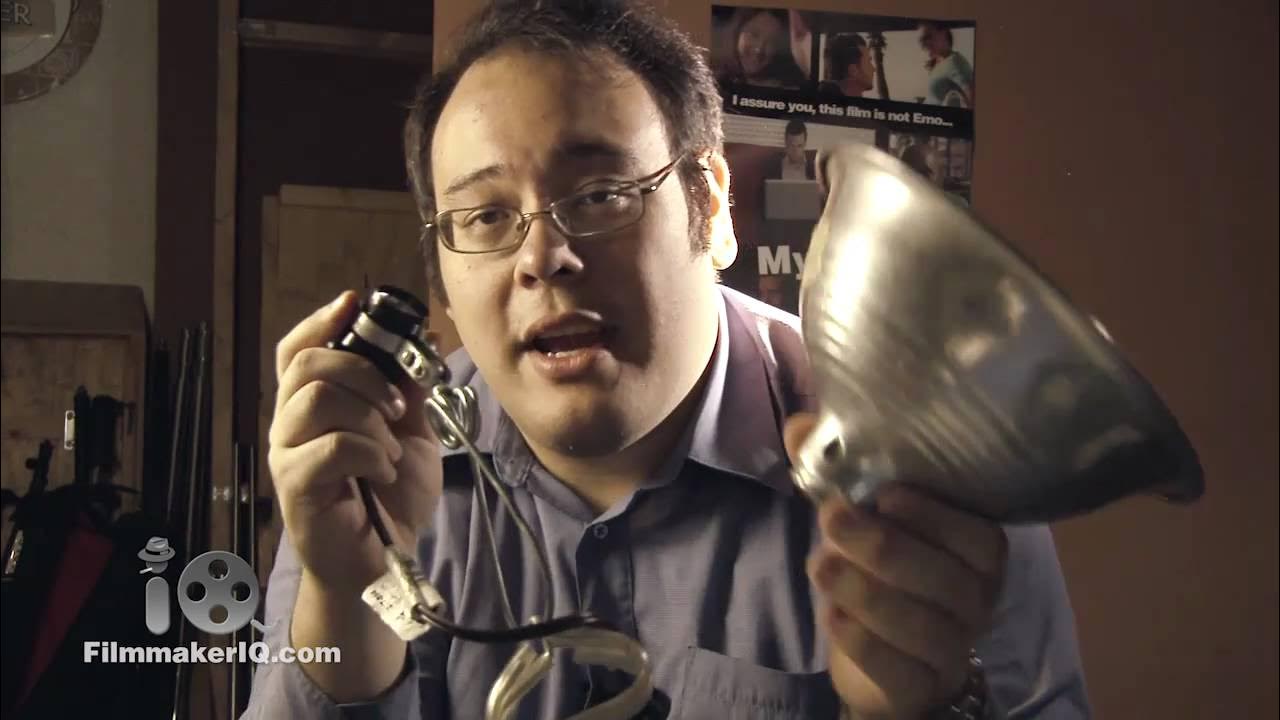
Image source: 3 Basic DIY Lighting Techniques for shooting better Film Noir
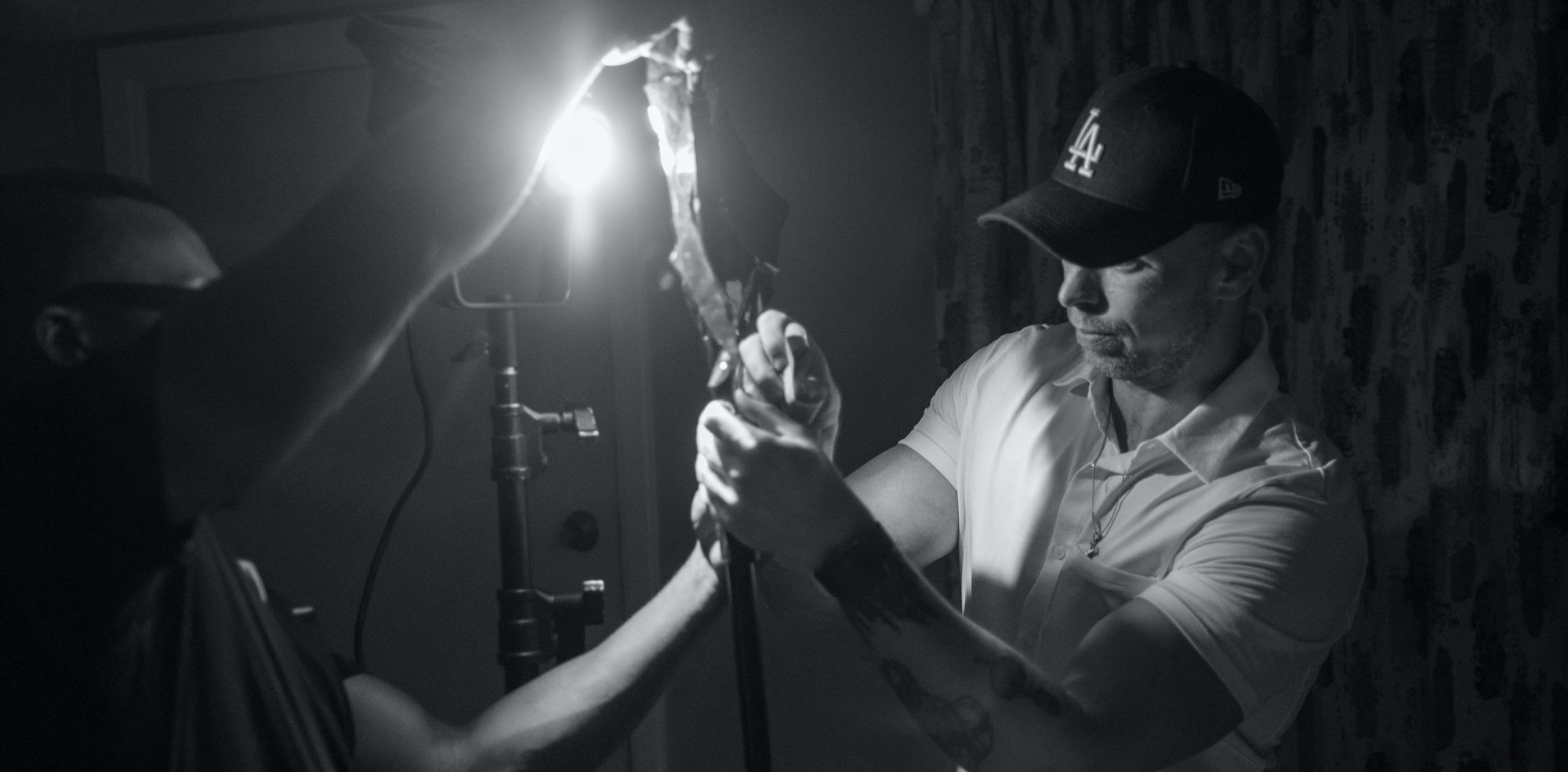
Image source: Film Noir Lighting | For Depth, Volume & Dramatic Effects | Wedio
Film noir lighting is defined by low-key lighting in the Chiaroscuro style: high-contrast, shadow-heavy illumination with minimal mid-tones, creating a moody, mysterious atmosphere. 1, 2
Core Techniques
| Technique | What It Is | Purpose |
|---|---|---|
| Low-key lighting | Darkest contrasts with deep shadows, no mid-tones or whites 3 | Emphasizes gloom, mystery, and tension 3 |
| Hard lights | Single-point light sources creating sharp-edged shadows 1 | Adds dramatic, suspenseful tone through high black-white contrast 2 |
| Strong key light | Brightest, dominant light illuminating the subject 1 | Main illumination of scene and character’s face 2 |
| Minimal fill light | Very little or no fill light to exaggerate contrast 1 | Keeps shadows deep and dark 5 |
| Backlighting | Light behind subject creating an outline 1 | Separates character from background 2, 3 |
| Low-angle lighting | Light positioned low, facing up at subject 3 | Creates dramatic, unsettling shadows 3 |
Signature Visual Effects
- Venetian blind shadows: Using cucoloris (“cookies”) or gobos—cutouts of wood/metal/plastic—to cast patterned shadows like window blinds 1
- Silhouettes: Backlighting subjects against a wall to show only their outline 5
- Eye lights: Isolating light to illuminate only the eyes and brow for dramatic effect, often using flags or barn doors to block stray light 6, 1
- Smoke/fog: Adding atmosphere; high shutter speeds work well with smoke 2, 4
- Shadows for drama: Positioning light to make objects appear larger or bolder 5
Practical Setup Tips
- Use 1–2 point lighting rather than full three-point 4
- Employ barn doors or flags to narrow light and control what viewers see 2, 1
- Set camera to f/4–f/5.6 aperture, low ISO, and spot metering 3
- Use high wattage lights (800W+) to avoid “non-noir grey” 4
- Consider 3/4 backlighting (light at 11 or 1 o’clock position) 6 The style originated in 1930s–40s American cinema, with cinematographer John Alton’s book “Painting with Light” (1949) serving as the essential guide. 14
References
-
Film Noir Lighting | For Depth, Volume & Dramatic Effects | Wedio
-
Create Detective Style Films with Film Noir Lighting - Videomaker
-
Film Noir Lighting Style: 5 Soft Lighting Techniques - Reel Designer
-
Create Film Noir Lighting with LED Gear: A Budget Guide - FilmLocal
-
Film Noir Lighting: The Powerful and Enigmatic World of Shadows
-
Film Noir Lighting: John Alton Inspired Techniques | GVM Light Setup
-
3 Basic DIY Lighting Techniques for shooting better Film Noir