Mastering Cinematic Lighting: High-Key vs Low-Key Explained
Explore high-key vs low-key lighting in film, and learn how to master cinematic moods.
Image source: 10. Side Lighting Or…
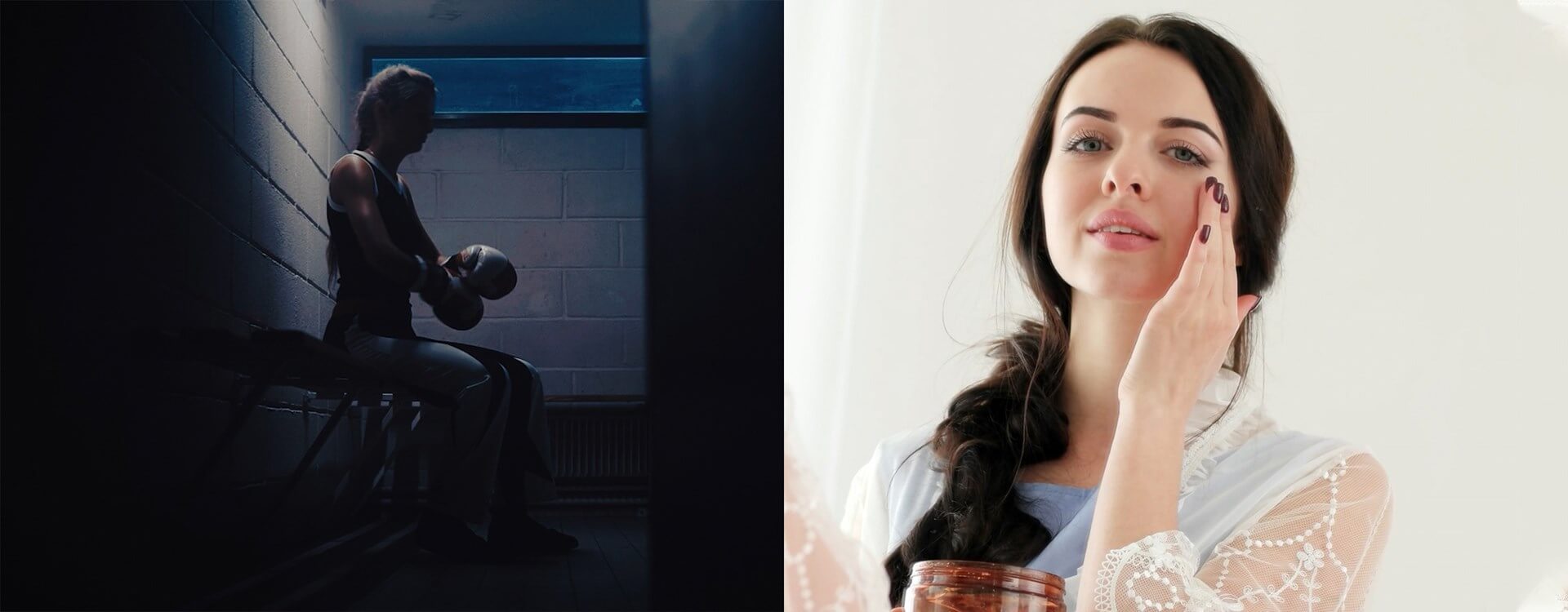
Image source: High key lighting vs. low key lighting | Artlist
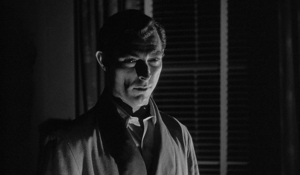
Image source: Low-Key Lighting - Filmmakers Academy
High-key lighting creates bright, even scenes with minimal shadows and low contrast, while low-key lighting produces dark, dramatic scenes with heavy shadows and high contrast. 1, 2
Key Differences
| Aspect | High-Key Lighting | Low-Key Lighting |
|---|---|---|
| Contrast ratio | Low (2:1 to 3:1) 1 | High (8:1 or greater) 1, 2 |
| Shadows | Minimal, subtle 3, 4 | Prominent, deep blacks 2, 5 |
| Tones | Dominated by whites/light tones 3, 6 | Dominated by blacks/dark tones 5, 6 |
| Fill light | Abundant fill light 2, 4 | Minimal or no fill light 2, 5 |
| Mood | Joyful, optimistic, open 3, 7 | Mysterious, tense, ominous 1, 5 |
| Tonal range | Compressed (mid-tones & highlights) 1 | Expanded (shadows & dark areas) 1 |
Common Uses
High-key lighting:
Low-key lighting:
- Horror and thriller films 5, 8
- Film noir, gangster, and crime films 9
- Drama scenes requiring tension 5 The main technical difference: high-key uses abundant fill light to soften shadows, while low-key uses a strong key light with little/no fill to emphasize them. 2, 4
References
-
What is Low Key Lighting — Definition, Examples in Photo & Film
-
What is High-Key Lighting? [Complete Guide] - Video Collective
-
Types of Lighting in Film: Basic Techniques to Know - 42West
-
Cinematography 101 - High Key vs Low Key Lighting - What You Need To Know And When To Use
-
What is low-key lighting and why should you use it? - Videomaker