Mastering Dutch Angle Shots: A Comprehensive Guide for Filmmakers
Image source: The Tilt That Changed Cinema: A Short History of the Dutch Angle

Image source: Should You Use A Dutch Angle Shot in Your Films? (Answer: Yes, But…)
Image source: What Is A Dutch Angle in Film?
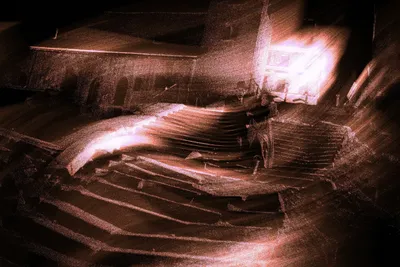
A Dutch angle (also called a canted shot or Dutch tilt) is a cinematography technique where the camera is tilted on its roll axis so the horizon line is slanted. Filmmakers use it primarily to create unease, disorientation, or psychological tension by making the frame feel visually unstable. 1, 2
When to use Dutch angles
| Situation | Purpose |
|---|---|
| Horror/thriller scenes | Portray danger, menace, or ominous mood 1 |
| Character in distress | Show confusion, panic, drunkenness, or intoxication 2, 3 |
| Psychological turmoil | Visualize a character’s unstable mental state 2, 4 |
| Chaos or impending action | Signal the situation is unstable and about to change 2, 5 |
| Point-of-view shots | Connect viewers directly to how a character perceives the world 2 |
| Sci-fi/surreal moments | Convey a shift in reality or surrealism 2 |
| Chase sequences | Add extra tension to action 2 |
Why it works
- Visual imbalance: The slanted frame disrupts normalcy, making audiences feel “off-kilter” 2, 1
- Emotional amplification: Heightens tension and makes everyday scenes feel more intense 2
- Subjectivity: Creates abstraction, mystery, and disorientation 1
Key guidelines
- Use sparingly: Don’t overdo it—the shot loses weight if it appears too often 3, 1
- Be intentional: It must serve the story, not be arbitrary 6
- Vary the tilt: Subtle 5° tilts imply uncanny feeling; extreme 90° angles show chaos 3, 1
- Consider movement: Adding camera movement (panning, zooming) enhances the uneasy effect 1, 3 A Dutch angle in a tense confrontation scene, demonstrating the tilted frame
The technique originated in German Expressionism (1920s–30s) in films like The Cabinet of Dr. Caligari to reflect unstable mental states. 4, 7
Should I show you specific famous film examples where Dutch angles are used effectively?
References
-
The Dutch / Oblique Angle Camera Shot: What It Is & When To Use It
-
The Tilt That Changed Cinema: A Short History of the Dutch Angle
-
Should You Use A Dutch Angle Shot in Your Films? (Answer: Yes, But…)
-
The Craft of the Dutch Angle – Unease, Distortion, and Doubt in a …
-
Film 101: Understanding the Dutch Angle - 2025 - MasterClass
-
The Dutch Angle: A Cinematic Shot for Dramatic Impact | Skillshare Blog
-
What is a Dutch angle shot and how does it shift perspective? - Adobe
-
How to Use The Dutch Angle Shot [Cinematic Techniques in Film] #dutchangle