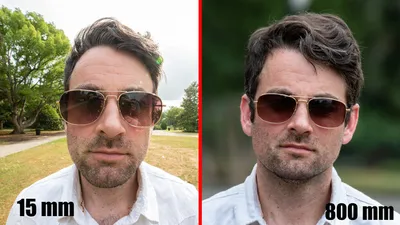
Mastering Lens Compression: The Key to Cinematic Visuals
Image source: How Lens Compression and Perspective Distortion Work

Image source: Understanding Lens Compression: A Simple Guide … - Wallpics

Image source: The Curious Case of Lens Compression - Photocrati
Lens compression is not a magic property of a lens but the visual effect that occurs when you change focal length and camera-to-subject distance so that background elements appear closer to the subject and relatively larger; in cinematography it’s used to change perceived depth, isolate subjects, or make backgrounds feel denser. 1, 2
How it works
- Telephoto (long) focal lengths and moving the camera farther from the subject while keeping the same framing cause background elements to appear larger and closer to the subject, which creates the common “compressed” look. 1
- Wide-angle (short) focal lengths require you to get closer to the subject for the same framing, which exaggerates separation between foreground and background and makes scenes feel more spacious. 3, 4
Key technical points (short)
- Compression is a perspective effect driven by camera position, not an optical distortion produced solely by a lens; the same perspective can be reproduced by changing distance and focal length together. 5, 6
- Focal length changes field of view, which in combination with camera distance determines relative sizes and spacing of scene elements — longer focal lengths plus greater distance reduces apparent depth. 7, 8
- Aperture does not create compression; it controls depth of field (how much is in focus) and thus affects separation but not the geometric compression itself. 7, 1
Practical uses in cinematography
- Portraits and coverage: Use 85–200mm (or cinema equivalents) from farther back to flatter facial features and pull the background closer, producing a more cinematic, intimate frame. 2, 1
- Compressing environments: Cityscapes or landscapes shot with long lenses make distant buildings, mountains, or lights feel stacked and closer, adding density or drama. 9, 10
- Cutting and continuity: When you need to match eye-lines or background scale between shots, consider camera distance and focal length together — switching focal length without adjusting distance changes perceived depth and can break continuity. 2, 5
Simple exercise to see it yourself
- Fix framing on a subject, then (A) step back and zoom in (longer focal length), and (B) step close and use a wide lens to match framing; compare how close the background feels in each shot — you’ll see compression increase in (A) and depth exaggeration in (B). 4, 10
If you want, I can: (a) make a short shot list showing specific lenses and camera distances for common cinematic looks, or (b) produce side-by-side example images/diagrams illustrating the effect — which would you prefer?
References
-
What is Lens Compression in Photography? Guide for Beginners
-
How Lens Compression Works | Get better photos when you understand this!
-
There’s no such thing as lens compression, it’s just perspective …
-
What is the compression effect? Learn how it works and how to take …
-
02 | Basic Cinematography: Focal length, lens compression, and bokeh.