
Mastering Previsualization: A Filmmaker's Essential Guide
Image source: The Importance of Pre-Visualization in Modern Filmmaking
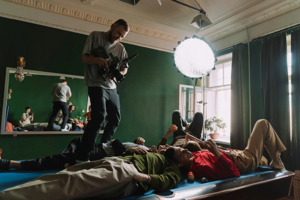
Image source: The Importance of Pre-Visualization in Modern Filmmaking
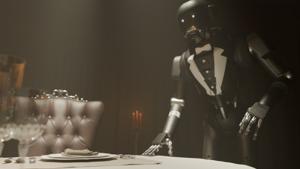
Image source: Budget Optimization
Previsualization, or previs, is the practice of building rough visual versions of scenes before principal photography so camera movement, blocking, timing, effects, and logistics can be tested before the real shoot begins. 1, 2 It turns a script page into something that can be staged, measured, discussed, and revised in visual form.
Why filmmakers use previs
Previs is most valuable when a scene depends on coordination rather than simple coverage. A dialogue exchange can often be planned with a floor plan and shot list, but a chase, fight, creature scene, or VFX-heavy sequence benefits from seeing the moving parts together before the camera rolls.
- Plan complex shots and camera movement so the director, cinematographer and VFX teams share the same vision. 3
- Save time and money by finding problems and iterating ideas before expensive set time or stunts. 4
- Coordinate live action with visual effects, motion capture, stunts, and crowd/vehicle choreography. 5
In practice, previs reduces ambiguity. It can reveal that a crane move collides with practical set walls, that a stunt beat runs too long for the intended emotional rhythm, or that a VFX gag needs a cleaner screen direction for compositing. That is why previs is especially common in action cinema, science fiction, fantasy, and any production where multiple departments must hit the same marks precisely.
Common forms of previs
Previs is not one single deliverable. It ranges from simple hand-drawn frames to full 3D scene builds, and the right level of detail depends on the scene.
- Storyboards: static 2D sketches that show shot composition and sequence. 3
- Animatics: timed, edited storyboards with rough motion and sound to establish pacing. 2
- 3D previs: simplified 3D scenes and animated camera moves that simulate the final shot in three-dimensional space. 3
- Postvis and techvis: postvisualization refines VFX integration after shooting; technical previs focuses on exact measurements for rigs, cranes, and camera paths. 6, 7
Storyboards are best for visual clarity and editorial order. Animatics add duration, which makes them useful for timing action beats, dialogue pauses, and music cues. 3D previs is the most useful when camera position, depth, and movement matter, because it can show whether a move feels aggressive, elegant, rushed, or unreadable from the intended lensing.
Techvis is often mistaken for creative previs, but it serves a different purpose. It is closer to a production blueprint, translating the shot into practical camera heights, boom arcs, lens coverage, rig dimensions, and vehicle pathing. Postvis, by contrast, is used after a shoot to preview unfinished effects in context so editorial and VFX can continue to shape the sequence.
How previs is made
A typical previs workflow starts with the script and moves toward increasing precision.
- Script → key frames or storyboard → animatic → blocked 3D scene with rough models → refinement with camera moves, timings, and temporary VFX or mocap → deliverables for the shoot (shot lists, camera charts, previs reels). 2, 3
The earliest pass usually focuses on intent: where the audience should look, what information must land, and what the emotional beat is. Once that is clear, the scene is translated into timing and geometry. A rough 3D environment may use proxy walls, simple figures, and basic props rather than detailed assets, because the goal is not realism but readable movement and useful planning.
A strong previs pass also reflects production constraints. If a camera must be on a dolly track, that path should be visible. If a stunt requires a safe landing zone, the frame should respect it. If the final shot will use a wide lens to exaggerate scale, the previs should account for how close objects appear to move relative to the camera.
What previs is used to decide
Previs is often used to answer a small set of practical questions before the crew arrives.
- Where does the camera start and end?
- What is the on-screen geography of the scene?
- How long does each beat last?
- What must be practical, and what can be completed with VFX?
- Which department needs the earliest information to avoid a bottleneck?
Those decisions matter because a scene can fail for technical reasons even when the concept is strong. A visually exciting move may become unreadable if the camera crosses the wrong axis. A fast cut may feel abrupt if the action does not build in a clear rhythm. A planned drone shot may look great on paper but be impossible once set obstacles, weather, or safety limits are considered.
Practical benefits
- Reduces on-set guesswork and costly reshoots. 4
- Improves communication between departments (VFX, stunts, camera, production design). 8
- Lets directors experiment creatively with scale, camera placement, and sequencing before committing resources. 9
The creative value is just as important as the logistical value. Previs makes it easier to compare alternatives: a close, tense version of a scene against a wider, more spatial version; a single long move against a sequence of shorter cuts; a practical stunt against a hybrid approach that uses visual effects for only the hardest beats. Those comparisons are much easier when they are visible rather than described in a production meeting.
Example: large-scale action planning
Directors of large effects-driven films use 3D previs to stage battle sequences or stunt-heavy action so every camera move and VFX element can be timed and coordinated before filming begins. 5
A simple example is a rooftop pursuit. Storyboards might define the major beats: landing, sprinting, leap, impact, escape. Animatics can test whether those beats fit the intended pace. 3D previs can then show whether the camera should track parallel to the run, swing ahead for anticipation, or drop lower to increase the sense of speed. If a practical stunt requires wires or safety mats, the previs can help hide those support elements by changing angle or timing rather than by guessing on the day.
Common mistakes
The most common previs mistake is over-detailing the wrong part of the scene. If a shot depends on performance, emotion, or editorial rhythm, spending too much time on polished animation can hide the real question, which is whether the scene plays. If a shot depends on engineering or stunt safety, spending too little time on spatial accuracy can create false confidence.
Another mistake is treating previs as a lock instead of a tool. Good previs is flexible enough to change when the location, weather, lens package, stunt plan, or budget changes. A useful previs package supports decision-making; it does not replace it.
In practice
For working filmmakers, previs sits between script development and the shoot itself. It is the point where abstract intent becomes something the director, cinematographer, production designer, stunt team, and VFX team can all inspect from the same angle. In a production pipeline, that shared visual reference can be the difference between a sequence that merely gets scheduled and a sequence that is actually achievable.
References
-
Pre-Visualization (Previs): Planning Films in 3D Before Shooting
-
What Is Pre-vis And How Did Peter Jackson Use It In Movies? - The Action Reel
-
What is Previs and why is it revolutionising the film industry?