Shot Lists vs Storyboards: Which One Should You Use, and When?
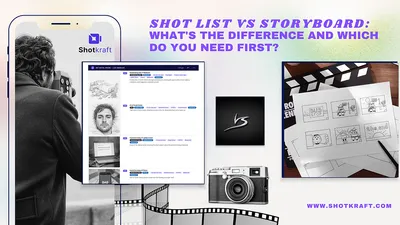
Image source: Shot List vs Storyboard: What’s the Difference and Which …
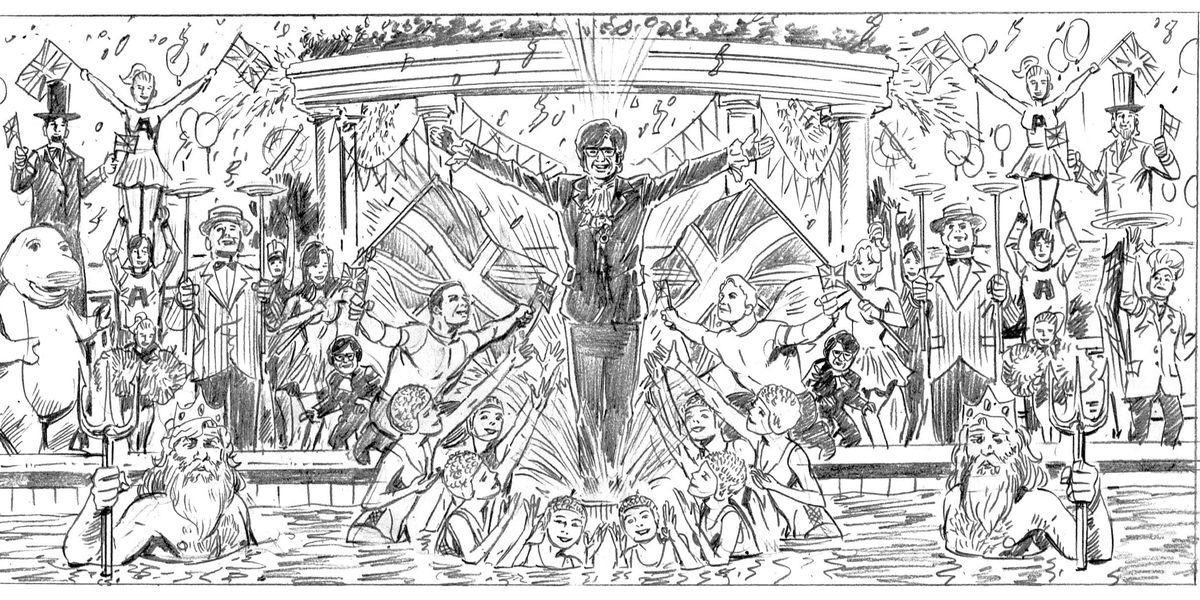
Image source: Pre-Production Basics From Storyboard to Shot List to Script …
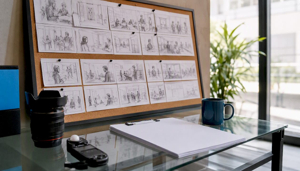
Image source: Storyboard vs Shot List: Which Do You Need? | Kinter Media
Shot lists vs storyboards: which to use and when
Use a shot list to plan what needs to be captured; use a storyboard to work out what the audience will see. For a straightforward shoot, a shot list may be enough. Add storyboards when framing, movement, timing, or approval need to be settled before filming. On complex shoots, the two tools work best together. 1, 2
What each document does
| Shot list | Storyboard | |
|---|---|---|
| Format | A written table, usually one row per planned shot | A sequence of sketched or rendered panels |
| Main question | “What do we need to shoot, and how will we execute it?” | “What will this sequence look like and how will it read?” |
| Useful details | Shot ID, subject and action, framing, movement, location, equipment or prop notes, priority | Composition, staging, camera or subject movement, action, and sometimes dialogue or timing |
| On-set value | Helps the crew track coverage, group setups, and plan the day | Gives the crew a shared visual reference |
A storyboard can show a reveal beautifully but still leave out the reaction shot or insert an editor needs. A shot list catches those coverage needs and can be grouped by camera setup rather than the order shots appear in the finished video. 1, 2
A shot list is a production tool. It translates the script, treatment, or interview plan into something the crew can execute, which is why it usually includes practical notes such as lens, location, talent, props, or special requirements. A storyboard is a previsualization tool. It clarifies blocking, composition, screen direction, and the rhythm of a sequence before anyone rolls camera.
In practice, the difference is simple: a shot list helps a crew make the day run efficiently, while a storyboard helps everyone agree on the visual idea before the day starts. That distinction matters most when the scene depends on a very specific framing, a complicated move, or a reveal that could easily be misunderstood in words alone.
Which should you choose?
- Shot list only: Interviews, simple dialogue, documentary coverage, events, or small shoots where the visual approach can stay flexible. For unscripted work, make it a loose list of desired moments and essential coverage—not a rigid prediction of events. 2, 1
- Storyboard plus shot list: Commercials needing client approval, intricate action, stunts, VFX, animation, product reveals, or sequences where camera position and timing are hard to explain in words. Board the visually difficult parts; every routine angle does not need a panel. 1, 2
- Storyboard first, temporarily: At a pitch or early animation stage, panels may be the clearest way to test the idea. For a live-action crew shoot, turn the approved visual plan into a working shot list before filming. 2, 1
A good rule is to storyboard when the sequence must be understood visually before it can be built physically. A good shot list is enough when the scene is mostly about getting usable coverage in a controllable environment. That is why many documentary crews and small narrative teams work from a list, while larger productions often board the crucial beats and then refine them into a detailed list for the day.
When a shot list is the better tool
A shot list wins when speed, flexibility, and coverage matter more than exact visual design. It is the cleaner choice for:
- Interviews and talking-head setups: The essential needs are the A-camera angle, a backup angle, and cutaways.
- Doc and event work: The action is not fully controlled, so the list should capture priorities rather than fixed blocking.
- Run-and-gun productions: The crew needs to move quickly and keep the plan readable.
- Low-budget narrative scenes: The director and cinematographer may already know the look, so the main task is covering the scene efficiently.
In these cases, a storyboard can become busy without adding much value. A list of masters, mediums, close-ups, inserts, and pickup shots is often more useful than pages of panels.
When a storyboard is the better tool
A storyboard matters when the audience’s experience depends on the exact visual sequence. It is most helpful for:
- Action and stunt work: The geography of the scene has to be clear before cameras roll.
- Visual effects: Plates, eyelines, screen direction, and empty space often need to be planned in advance.
- Product and tabletop work: The precise reveal, rotation, and light behavior may need approval.
- Animation and motion design: Every shot is built rather than discovered on set.
- Scenes with complex blocking: Multiple characters, mirrors, doorways, foreground elements, or choreography can be difficult to describe in a list.
Storyboards are also useful for communicating with clients, producers, and departments that need a shared image of the intended result. In commercial work, that shared image can save time later by reducing revisions after setup decisions have already been made.
A practical workflow
Start with the script or intended story beats. If a sequence needs visual problem-solving or sign-off, sketch it first—even rough stick figures will do. Then give each planned shot an ID, translate the panels into shot-list rows, and add coverage the drawings may have missed. Finally, group shots by setup, mark what is essential, and update the list when plans change on set. 3, 1, 2
flowchart LR A[Script or story beats] --> B{Visual complexity or approval needed?} B -- Yes --> C[Storyboard key sequences] B -- No --> D[Build shot list] C --> D D --> E[Check coverage and group setups] E --> F[Shoot and update the plan]A practical workflow often starts with a one-page breakdown of the scene, not with final art. The storyboard establishes the visual decisions: where the camera is, what the viewer learns first, and what must be visible in frame. The shot list then turns those decisions into a schedule of setups, camera positions, and coverage items that can be tracked on set.
For example, an interview might need a short list covering the main angle, a second angle, and relevant cutaways. A tightly timed product reveal benefits from panels showing exactly when and where the product appears, followed by a shot list that accounts for the setups and any additional coverage. 1, 2
A useful habit is to separate must-have coverage from nice-to-have shots. Must-have shots are the ones the edit cannot function without; nice-to-have shots are the inserts, texture details, and alternative angles that improve the cut if time allows. That distinction keeps the day focused when weather, light, or performance forces a change of plan.
Common mistakes
- Using a storyboard as a shot list: Panels may show the scene clearly, but they do not always include the practical coverage an editor needs.
- Overstoryboarding simple material: A basic interview or event rarely needs frame-by-frame planning.
- Overspecifying every shot too early: If the scene is still evolving, a rigid shot list can make the process less responsive.
- Leaving the list too vague: “Coverage” is not a shot plan. The list should name the shot type, subject, and purpose.
- Ignoring production order: The finished sequence order is not the same as the shoot order. Grouping by lighting setup or location usually saves time.
A simple decision rule
If the main challenge is communication of the visual idea, start with a storyboard. If the main challenge is capturing the right material efficiently, start with a shot list. If the scene needs both clarity and execution, use both: board the complicated beats, then build a shot list that turns the concept into a workable day.
In cinematography and preproduction, the best plan is usually the one that makes both the director’s intent and the crew’s logistics visible at the same time.