Low-Angle and High-Angle Shots: How to Frame Power, Weakness and Perspective
Image source: Camera Angles in Intro to Film Theory | Fiveable
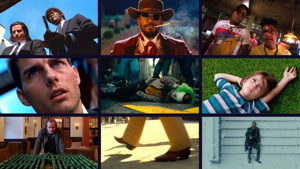
Image source: www.studiobinder.com · blog · types-of-camera-shot-angles-in-Camera Angles Explained: The Different Types of Camera Shot…
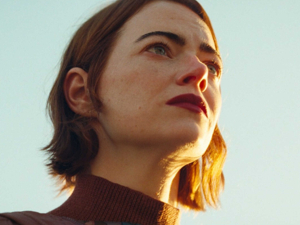
Image source: The Low Angle Shot in Film — Ultimate Guide - StudioBinder
Low-angle and high-angle shots: power and vulnerability on screen
A low-angle shot looks up at a subject, and a high-angle shot looks down. Filmmakers use that difference to suggest power, vulnerability, dominance, or uncertainty, but the meaning always depends on context: performance, blocking, lens choice, and what surrounds the subject in the frame. 1, 2
What changes in the frame
| Angle | Camera position | Common effect |
|---|---|---|
| Low | Below the subject’s eyeline, pointed upward | The subject can seem larger, authoritative, heroic, or threatening. 1, 3 |
| High | Above the subject, pointed downward | The subject can seem smaller, exposed, isolated, or less in control. 1, 4 |
The useful distinction is not simply “hero versus victim.” A low angle can make a rescuer inspiring or an antagonist frightening. It can also place viewers in the uneasy position of someone looking up at an overwhelming figure. Likewise, a high angle can show vulnerability, but it can also reveal where a character stands in a larger space. 4, 5, 6
Why angle changes the psychology of a shot
Camera height affects how the eye reads size and status. When the lens is placed below a subject, vertical lines converge upward and the body often dominates more of the frame. That visual enlargement is one reason low angles feel assertive, even when the subject is quiet. A slight tilt upward can be enough; the shot does not need to be extreme to communicate control.
High angles do the opposite by reducing visual dominance. The subject’s head and shoulders compress into the frame, and surrounding floor, furniture, or negative space becomes more visible. That extra environment can make a character seem observed, cornered, or detached from their surroundings. In practical terms, high angle is often as much about revealing context as it is about diminishing the person.
Power between characters
Angles become especially expressive when a scene cuts between two people. Imagine a confrontation: one character is filmed from below as they issue an order; the reverse shot looks down on the person receiving it. The contrast makes the imbalance legible before either character explains it. Pairing low and high angles this way is a common means of emphasizing a power difference. 2, 7
That same device works in subtler scenes. In a job interview, the interviewer might be framed from a low position to feel immovable, while the applicant is framed from above to feel evaluated. In a breakup, the character in control may start upright and dominant, then lose that visual advantage as the scene turns emotionally. The angle shift becomes a narrative beat, not just a composition choice.
How to use the angle without overplaying it
A low angle is strongest when the set, wardrobe, and blocking support it. A subject standing still against a clean ceiling line may feel formal and monumental. The same angle on a character leaning forward into the lens can feel aggressive or unstable. The camera’s position alone does not determine the result; posture and movement steer the read.
A high angle works best when it has a reason in the story space. Looking down from a balcony, stairwell, crane, or doorway makes the viewpoint feel motivated and visually grounded. It also helps when the frame includes useful information: another character at the edge, a scattered room, a drop in elevation, or an object that explains the stakes. If the shot removes too much context, the effect can become decorative instead of dramatic.
Common pitfalls
- Using low angle for “importance” on every character. If everyone is shot from below, the image loses hierarchy and the scene flattens.
- Making the angle too extreme too early. A dramatic tilt upward or downward can feel forced if the story has not earned it.
- Ignoring eyeline and lens height. A camera that is technically low but aimed only slightly upward may read very differently from one that is close to the floor and pointed steeply up.
- Forgetting the background. Ceiling fixtures, sky, walls, and open floor space all shape the emotional read of the shot.
- Treating angle as a substitute for blocking. Performance, spacing, and movement still carry most of the scene’s meaning.
Practical framing notes
Low-angle shots often work well when the subject’s silhouette is clean and the background supports upward scale. Tall architecture, doorframes, pillars, or a bright sky can amplify the sense of authority. If the camera is too close with a wide lens, the lower face or hands may distort, which can strengthen menace or exaggerate confidence depending on the intention.
High-angle shots are often most effective when the lens can see what the character cannot. A tabletop, a mess on the floor, or another person approaching from off-center can turn the angle into storytelling. A modest height difference is usually enough; the shot does not need to be a bird’s-eye view to communicate fragility.
Choosing the right angle for the moment
The strongest choice is therefore the angle that fits the moment, not a fixed rule for the character. Film the same person from below during a victory and from above after a setback, and the change in perspective can help the audience feel a change in their apparent control. 1, 6
A useful way to think about it is this: low angle often says “this person currently has force,” while high angle often says “this person currently lacks leverage.” That difference can be moral, emotional, or purely situational. A child may be framed from below to feel adventurous, and a king may be framed from above to feel isolated. In both cases, the angle is telling the audience how to read the instant, not assigning a permanent trait.