Previz for Action Sequences: How to Plan Stunts, Coverage and Camera Movement
Image source: Shooting Stars for RRR
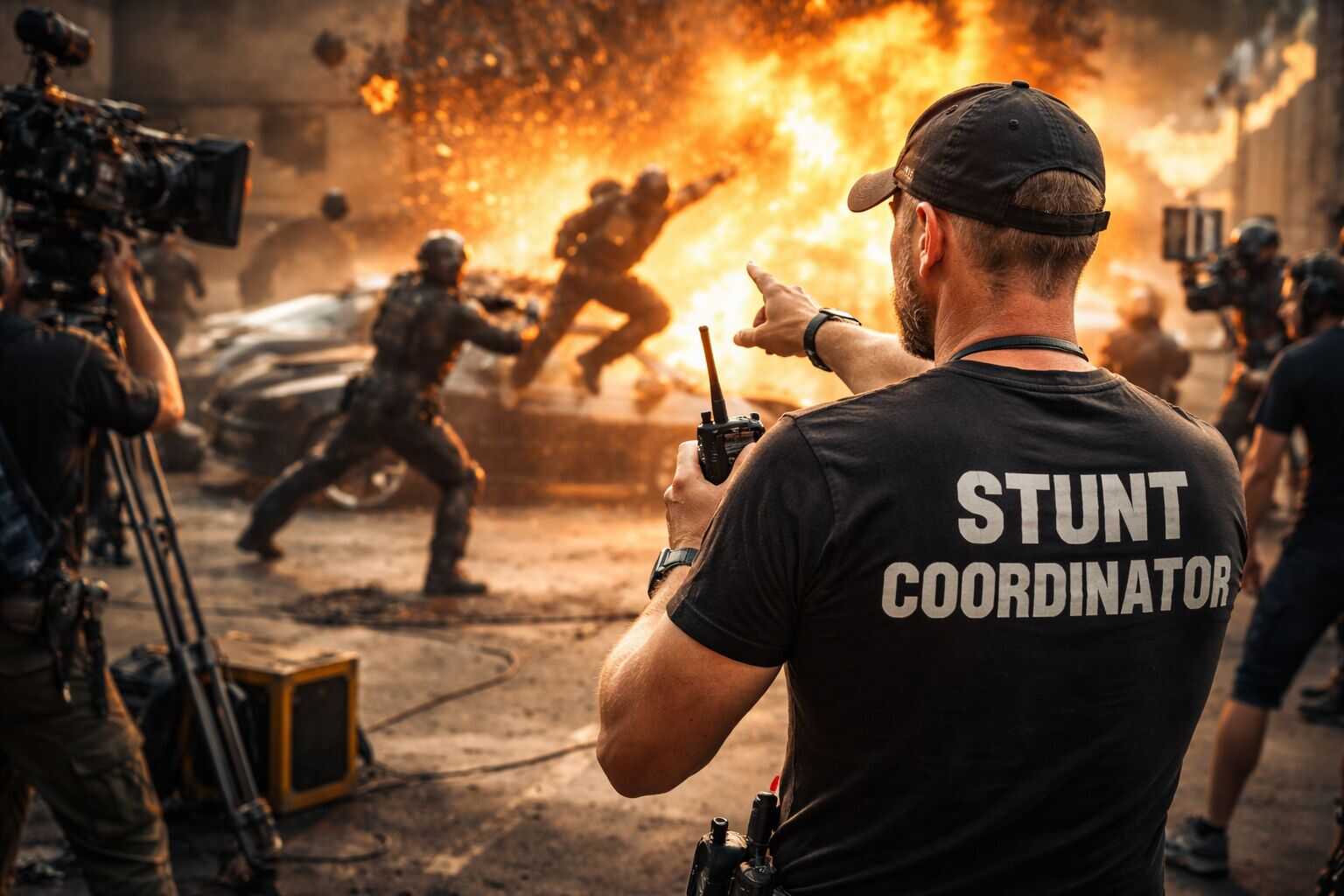
Image source: www.dfirentals.com · news · how-are-fight-scenes-filmedHow Are Fight Scenes Filmed? Choreography & Camera Craft
Image source: What is AI previs?
Previz for action sequences: planning stunts and coverage
The most useful action previz is a rough, timed version of the finished scene, not just a demonstration of impressive choreography. It lets the director, stunt coordinator, cinematographer and editor test whether the audience can follow the action, whether the necessary angles will cut together, and which ideas need a more detailed technical and safety plan. Previz is a planning aid—not approval to perform a stunt. 1, 2
Build the sequence
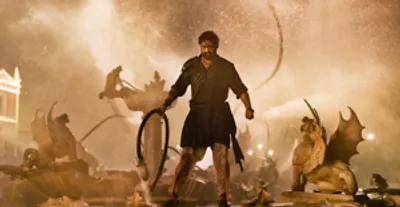
Start with the dramatic beats: what the character wants, what blocks them, what changes, and what the audience must see. Then map entrances, exits, obstacles, performer paths and camera positions. A simple overhead plan and phone-shot rehearsal may answer more questions than polished animation; use 3D when scale, moving cameras, effects or complex geography make it worthwhile. On RRR, the stunt team test-filmed proposed action shots on a rehearsal stage and sometimes on location before principal photography. 1, 3
A useful way to think about action previz is as a question of legibility. The geography has to read, the performer’s objective has to read, and the cause-and-effect of each move has to read. If any one of those is missing, the audience may understand the spectacle but lose the story. That is why action planning usually begins with blocking rather than with camera moves: the camera can only clarify what the choreography already expresses.
For stunt-heavy scenes, the first pass should separate what the stunt is from how it will be filmed. A fall, hit, leap, slide, or vehicle move may be simple in story terms but require very different rigging, mats, camera clearance, and crew placement in reality. Early previz helps expose those differences before anyone commits to a lens package or a crane position.
flowchart LR A["Story beats and geography"] --> B["Choreography and rough blocking"] B --> C["Shoot or animate candidate angles"] C --> D["Edit a timed previz"] D --> E{"Clear, achievable and adequately covered?"} E -- "No" --> B E -- "Yes" --> F["Techvis, stunt assessment and rehearsals"] F --> G["Brief crews and shoot"]Plan for the cut
For each beat, ask three questions: Where are we? What happened? Why does it matter? A wide shot can establish the space; a readable angle can show the action; a reaction or aftermath can show its consequence. Cut the rough material together before committing to a shot list. If the edit needs an angle that nobody planned—or a performer appears to change direction across a cut—the gap is cheaper to fix in previz than on set. Stuntvis is particularly useful because it tests choreography as photographed and edited, rather than in isolation. 1, 4
For example, a character fleeing down a corridor might need an opening wide to establish the exit, a shot that clearly shows the obstacle, and a reaction that explains the character’s new choice. Extra close-ups are useful only if they add information or provide a deliberate edit point. Treat that as a test, not a universal formula: Civil War deliberately avoided storyboards and previz for some action to preserve a spontaneous, newsreel-like perspective. 5
A practical coverage pass usually checks three things at once:
- Orientation: does the audience know where the bodies, exits and hazards are?
- Motion continuity: do speed, direction and screen direction survive the cut?
- Emphasis: does the edit land on the strike, the near-miss, the decision or the aftermath?
That makes action previz closer to editorial planning than to illustration. A beautiful camera move that obscures the stunt is a failure; a plain angle that preserves timing and spatial clarity may be the correct choice.
Turn ideas into a shoot
Once the cut works, distinguish creative previz from the technical plan. Check actual set dimensions, camera paths and support, lens choices, performer changes, effects timing and where crew can work. On Loki, 3D previz helped plan blocking and possible stitch points for a long action shot; physical walkthroughs and rehearsals then changed how parts of it were executed. 3
This is where techvis begins. A shot that looks effortless in animation may require a locked-off camera, a hidden cut, a smaller lens, or a different stunt approach once equipment, safety margins and crew movement are considered. If the move depends on a precise camera height, a whip-pan stitch, or a vehicle path with limited clearance, those details need to be solved before the day of photography, not discovered during it.
A solid techvis package usually includes:
- a timed edit or animatic,
- an overhead plan with performer and camera paths,
- a shot list with lens and support notes,
- identified stitch points or transition points,
- effects cues, if any,
- and a clear list of unresolved safety or logistics questions.
The stunt coordinator and production safety team must separately assess the real action, brief those involved and revise the assessment if the action changes. A virtual move looking convincing does not establish that a practical stunt is safe. 2 In practice, that means the action is rehearsed, the plan is checked against the location or set, and only then is the filming approach locked.
Common mistakes in action previz
The most frequent error is treating previz as a finished creative object instead of a working document. A sequence can look exciting in isolation and still fail if the audience cannot tell who has the advantage, where the threat is coming from, or why the next cut matters. Another common mistake is over-designing camera movement before the stunt language is settled; if the performer path changes, the shot list usually has to change with it.
Other avoidable problems include:
- Too many angles: coverage can become muddy if every beat is repeated from every side.
- Not enough geography: the scene may become readable only after a wide is restored in the edit.
- Unclear transitions: handoffs between doubles, rigs, CG elements or hidden cuts need to be visible in the plan.
- Ignoring safety space: cameras, operators and support gear need their own protected zones.
- Failing to version the plan: once the action changes, older previz becomes dangerous if it keeps circulating as if it were current.
The best previz files are living documents. Each revision should answer what changed, why it changed, and whether the editorial logic still holds. That discipline matters on action scenes because story, coverage and safety are linked; changing one usually changes the other two.
A practical workflow
A simple workflow for action previz is:
- Define the dramatic beat and the physical objective.
- Block the action with the stunt team using plain geometry first.
- Capture rough camera options with phone video, overhead sketches or 3D.
- Cut the options into a timed scene and check clarity beat by beat.
- Build the techvis around the shots that actually survive the edit.
- Rehearse the practical version with safety and crew placement in mind.
- Lock only the version that is both readable and feasible.
That sequence keeps creative choices and safety decisions in the same conversation, which is where action planning works best. Previz is most valuable when it shows not only what the audience will see, but also what the set will need to make it happen.