Mastering Camera Shots: A Complete Guide with Real-World Examples
Uncover the essential types of camera shots for filmmakers with practical examples!
Image source: Filming 101: Types of Camera Shots and Angles
Image source: Camera shot types explained - Cinema8

Image source: Types of Shots in Film: A Comprehensive Guide
Camera shots are categorized mainly by how much of the subject and scene they frame. Here are the essential types explained with their framing and purpose:
Shot Sizes (by Framing Distance)
| Shot Type | Framing | Purpose & Example |
|---|---|---|
| Extreme Long Shot (ELS) / Extreme Wide Shot | Subject is tiny against a vast landscape; entire environment visible 1 | Shows scale/isolation; e.g., a lone warrior in a desert in Lawrence of Arabia 1 |
| Long Shot (LS) / Wide Shot | Full body visible, but subject still small against background 1, 3 | Puts character in context; e.g., a hero walking toward a castle 3 |
| Full Shot (FS) | Entire body from head to feet, framed tightly 1 | Emphasizes body movement; e.g., a dancer’s full routine 1 |
| Medium Long Shot (MLS) / Medium Wide Shot | From knees up 1 | Balances subject and surroundings; splits full shot & medium shot 1 |
| Cowboy Shot | From mid-thighs upward 1 | Highlights gun/hands; classic in Westerns for gunfighters 1 |
| Medium Shot (MS) | Waist up through torso 1, 3 | Shows face + body language; e.g., two people conversing at a table 1, 3 |
| Medium Close-Up (MCU) | Chest up 1 | Favors the face while keeping some surroundings 1 |
| Close-Up (CU) | Fills frame with face; shows emotions/reactions 1, 3 | Critical for important moments; e.g., an actor’s tearful expression 1, 3 |
| Extreme Close-Up (ECU) | Shows specific features: eyes, mouth, hands 1, 3 | Builds tension; e.g., eyes widening before a shootout in For a Few Dollars More 3 |
| Establishing Shot | Frames the starting location of the film 1 | Establishes where the scene takes place 1 |
Other Key Shot Categories
By Camera Angle:
- Eye Level: Neutral perspective 1
- Low Angle: Subject looks superior/powerful 1
- High Angle: Subject looks inferior/weak 1
- Dutch Angle: Camera slanted; creates tension/disorientation 1
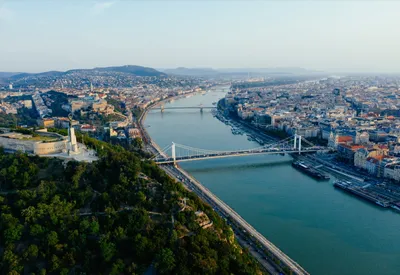
- Bird’s-Eye/Overhead: Camera directly above 1
By Movement:
- Tracking/Dolly Shot: Camera moves toward/away from subject 11, 1
- Pan: Camera rotates horizontally 1
- Tilt: Camera rotates vertically 1
- Zoom: Lens focal length changes 1
By Framing Composition:
- Two Shot: Two people in frame 1
- Over-the-Shoulder (OTS): View from behind one person’s shoulder 1
- Point-of-View (POV): Shows what a character sees 1 The choice of shot directly affects how audiences feel—close-ups create emotional intimacy, while wide shots emphasize isolation or grandeur. 3
References
-
Types of shot - Camera - GCSE Moving Image Arts (CCEA) Revision - BBC Bitesize
-
11 Must-Know Types of Film Shots Explained [with Examples] - VEED
-
Ultimate Guide to Camera Shots: Every Shot Size Explained [The Shot List, Ep 1]