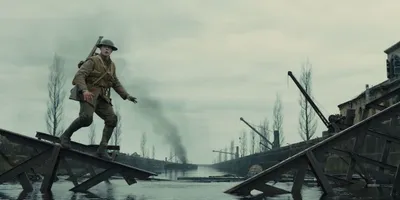
Exploring the Masterful Cinematic Techniques of Roger Deakins
Image source: Roger Deakins Breaking Down His Best Films is a Masterclass in Cinematography
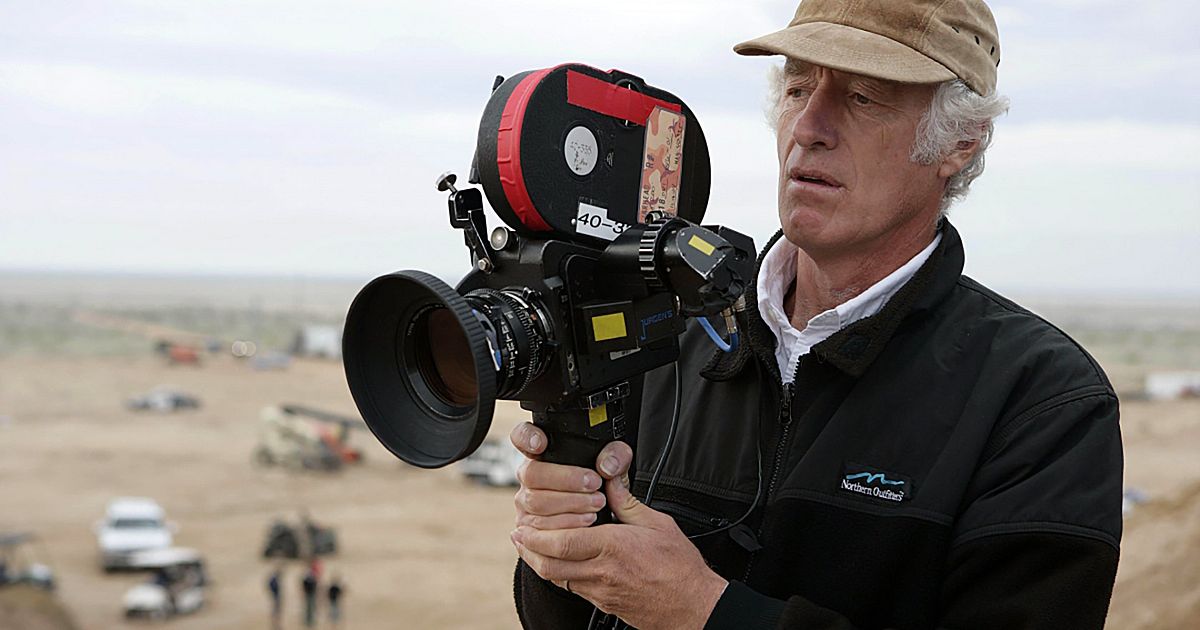
Image source: A Brief Guide to Roger Deakins’ Cinematography
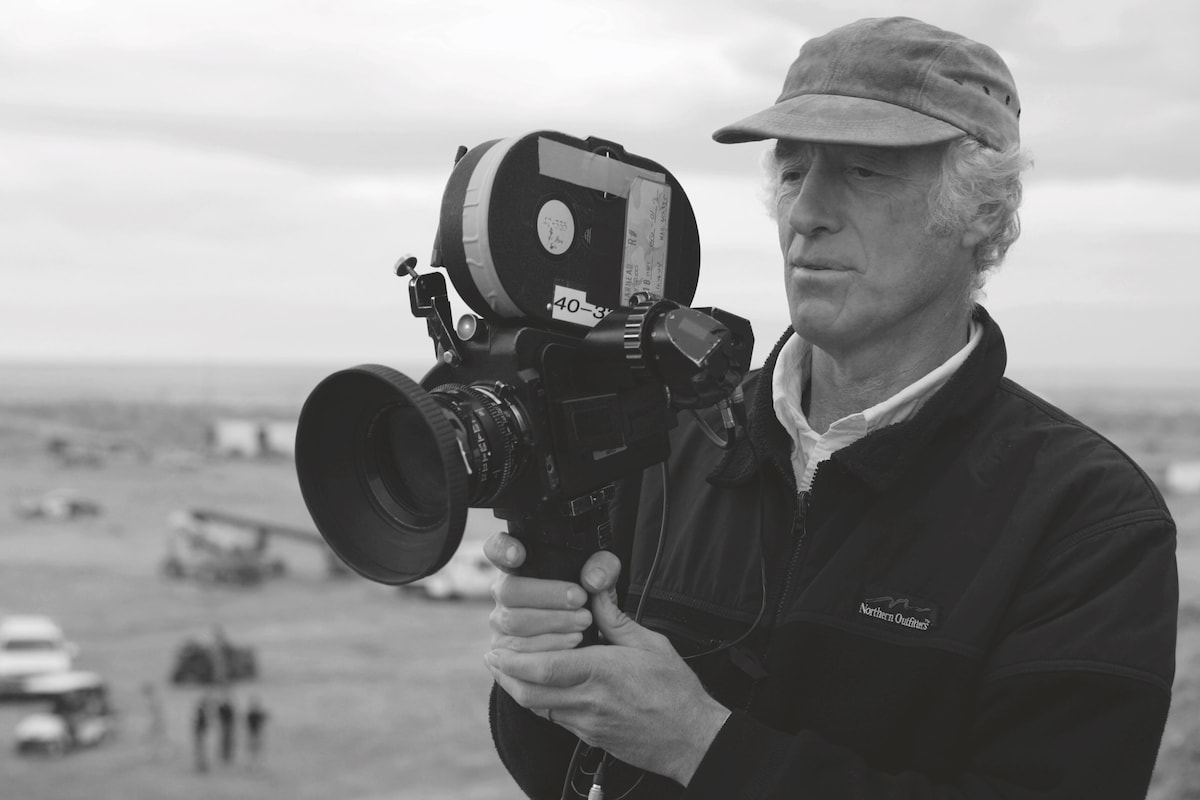
Image source: Roger Deakins on the Five Films Every Aspiring …
Direct answer — Roger Deakins’ cinematography is defined by meticulous preparation, simple but highly controlled lighting that serves story and mood, a preference for spherical primes and medium/wide focal lengths, restrained color and contrast choices, and camera movement and framing that put the audience where the director wants them emotionally. 1, 2
Key characteristics
- Preparation and collaboration: He involves himself early in scouting, production design and blocking so lighting and camera can be planned to serve the film’s world. 2, 1
- “Invisible” cinematography: Deakins aims for imagery that feels natural and coherent so the audience is immersed in story rather than distracted by technique. 1, 2
- Minimalist, motivated lighting: He builds looks from simple, motivated sources (practicals, bounced tungsten/HMI) and often uses one strong source plus careful fill and background reversal to create depth. 3, 4
- Bounce and diffusion techniques: Long-used muslin bounces and scrims are signature methods to wrap and soften light for large interiors and to control contrast falloff. 4, 5
- Contrast and exposure choices: He typically prefers moderate contrast (roughly 2–3 stops) and will sometimes overexpose the lit side by 1–2 stops to shape faces without gimmickry. 5, 4
- Lens, format and camera choices: Deakins favors spherical prime lenses (he’s often cited a fondness for ~32mm), medium/wide focal lengths, and modern digital cameras like the ARRI Alexa when appropriate, avoiding heavy filtration or gimmicks. 2, 4
- Color restraint and practical-driven color: Colors are usually muted or naturalistic; practicals (lamps, windows) are used as both motivation and design elements, with careful use of CTOs/gels when needed. 3, 5
- Framing, movement and staging: He uses frames within frames (doorways, windows), measured camera moves, and often operates the camera himself to respond to actors and preserve intimacy; multiple-camera setups are avoided unless essential. 6, 2
- Adaptability: Rather than a single “look,” Deakins adapts techniques to each film’s needs (he varies style between films like Fargo, Skyfall, Blade Runner 2049, and 1917) while keeping the same disciplined approach. 7, 2
Examples (how traits appear onscreen)
- Blade Runner 2049: neon practicals and controlled color palettes that build a believable, stylized world while keeping human subjects readable. 7
- 1917: seamless long takes where planning, blocking and lighting are subordinated to the continuous, immersive perspective. 2
- No Country for Old Men / The Shawshank Redemption: restrained color, strong composition, and lighting that defines space and character without calling attention to itself. 3, 7
Practical tips to emulate Deakins (concise)
- Prep more: scout, discuss production design, plan camera blocking early. 1
- Use motivated light and practicals; bounce and diffuse rather than flood with brute force. 4
- Favor spherical primes and medium/wide focal lengths; keep filters minimal. 4, 2
- Control contrast with falloff and background reversal (light background opposite the subject key). 5
- Let cinematography serve the story — make the world hang together visually. 1
If you want, I can:
- Break these traits down shot-by-shot from one film (pick a film), or
- Create a one-page checklist you can use on set to get Deakins-style results.
Which would you prefer?
References
-
Roger Deakins Breaking Down His Best Films is a Masterclass in Cinematography
-
Roger Deakins Cinematography: A Legendary Craftsman for over …