
Mastering Camera Coverage: Essential Shot Reference Guides for Filmmakers
Image source: Coverage: Get the Shots You Need - Learn About Film

Image source: Shot List: How to Plan Every Camera Setup for Your Shoot
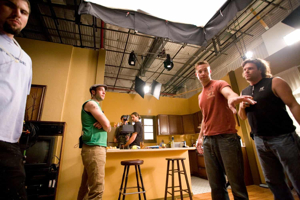
Image source: Filmmaking Techniques to Get Proper Coverage
Using shot references is a strong way to plan camera coverage because it helps you translate the scene’s blocking into a practical shot list and camera setup plan. A good coverage plan usually starts wide, then moves into medium and close shots so the editor has enough options and the scene’s geography stays clear. 1, 2, 3, 4
Practical workflow
- Break the scene into beats: entrances, reveals, turns, emotional shifts, exits.
- Match each beat to a reference shot that shows the needed framing, angle, and movement.
- Build a shot list with shot size, angle, movement, and purpose for each setup. 3, 5
- Check continuity rules like eyelines, action matching, and the 180-degree line while assigning shots. 2, 6
- Add cutaways and inserts for hands, objects, and details so edits can be smoothed over later. 4
How references help
Shot references do more than inspire the look; they give you a shorthand for coverage decisions like “wide to establish,” “OTS for dialogue,” or “insert for prop action”. They also make it easier to communicate with the director, DP, and crew because everyone can point to the same visual target. If you are planning a dialogue scene, references are especially useful for deciding when you need master shots, over-the-shoulders, singles, and reaction shots. 7, 8, 9, 10, 2, 3
Simple coverage template
- Wide/master: establish space and blocking.
- Medium two-shot or OTS: cover the conversation.
- Singles: capture performance and reaction.
- Inserts: capture important actions or objects.
- Cutaways: cover transitions and continuity issues. 2, 4
Example
For a two-person argument at a kitchen table, you might use a wide master, then alternating OTS singles, then a close-up insert of a hand slamming a glass down, and finally a reaction close-up for the emotional beat. That combination gives you both clarity and edit flexibility without overshooting. 8, 11, 4, 2
If you want, I can turn a specific scene description into a shot-reference coverage plan.
References
-
Shot Planning and Storyboarding | Cinematography Class Notes
-
Cinematic Lens Reference Guide for Storyboard Shots - CinemaDrop
-
How to learn camera coverage better? Tips for shooting for …