
Exploring the Cinematic Beauty of Blade Runner 2049: A Comprehensive Visual Analysis
Image source: Filmmaking and Cinematography Techniques: Blade Runner 2049

Image source: Cinematography Breakdown - BLADE RUNNER 2049
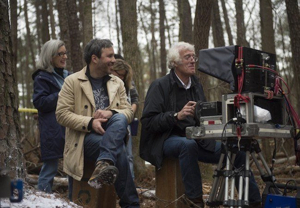
Image source: Discover Cinematographer Roger Deakins’ Most Trusted …
The cinematography of Blade Runner 2049 (note: the correct title is 2049, not “2049” as a separate word) was crafted by legendary cinematographer Roger Deakins, who won the Academy Award for Best Cinematography for his work. The film is a masterclass in intentional visual storytelling where every frame is deliberately composed. 1, 2
Key Visual Elements
| Aspect | Technique & Purpose |
|---|---|
| Framing & Composition | Wide frames with negative space and centered compositions express loneliness, control, and loss of identity 2. Deakins used wide lenses to reveal more background, immersing viewers in the world 1. |
| Camera Movement | Most shots are locked on a tripod with minimal movement—Villeneuve avoids shaky camera work 1. Three symbolic movements repeat: tracking shots through hallways, subtle “punch-ins” to draw attention, and sideways gliding motions 1. |
| Lighting Design | Deakins prioritizes practical lighting (neon lights, billboards, holograms visible in-frame) as integrated design elements 3, 4. Dramatic chiaroscuro contrasts stark shadows with piercing light beams to highlight internal struggles 5. |
| Color Palette | Each location uses a dominant color for subconscious storytelling: - Yellow: information/enlightenment (plot twists) 6 - Orange: warning/caution/transformation 6 - Green: vibrance/discovery (officer K’s companion) 6 - Muted/desaturated tones punctuated by vibrant neon convey melancholy 5 |
| Atmosphere | Extensive use of fog, haze, and atmospheric effects creates a dystopian dreamlike quality 7, 8. |
| Mise-en-scène | Sharp, geometric architecture frames characters within angular structures (“frames within frames”), overpowering human presence 6, 7. Large sets and miniatures create realistic detail rather than pure CGI 1. |
Technical Details
- Shot with Arri Alexa XT Studio camera using Zeiss Master Prime lenses 9
- 1.55:1 aspect ratio (narrower than standard, enhancing verticality) 9
- Deakins achieved color effects in-camera rather than in post-production 10
The result is a stark, atmospheric, and colorful digital tone that evokes a futuristic Los Angeles while maintaining the neo-noir soul of the original. 8
References
-
Bladerunner 2049: A Masterwork of Color and Lighting I XS Multimedia In Sight Ep. 1
-
(Extra Credit) Blade Runner 2049 Cinematography – Intro to Film 2023scholarblogs.emory.edu
-
Cinematography Analysis: Blade Runner 2049 (2017, Denis Villeneuve)
-
Dive Deeper into Blade Runner 2049 with Roger Deakins, ASC, BSC
-
Roger Deakins’ Oscar-winning Cinematography of “Blade Runner 2049” - Neil Oseman