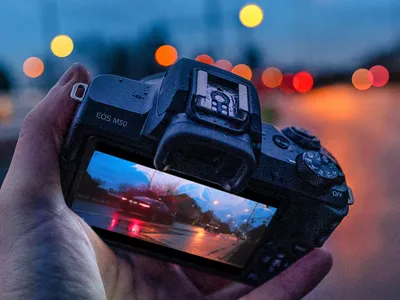
Unlock Stunning Low-Light Footage: Top Lens Choices for Videographers
Image source: How to Shoot Cinematic Video in Low Light with a Budget Camera
Image source: My Favorite Sony Full Frame Lenses (FE) [A74, A1, A7R V, etc]
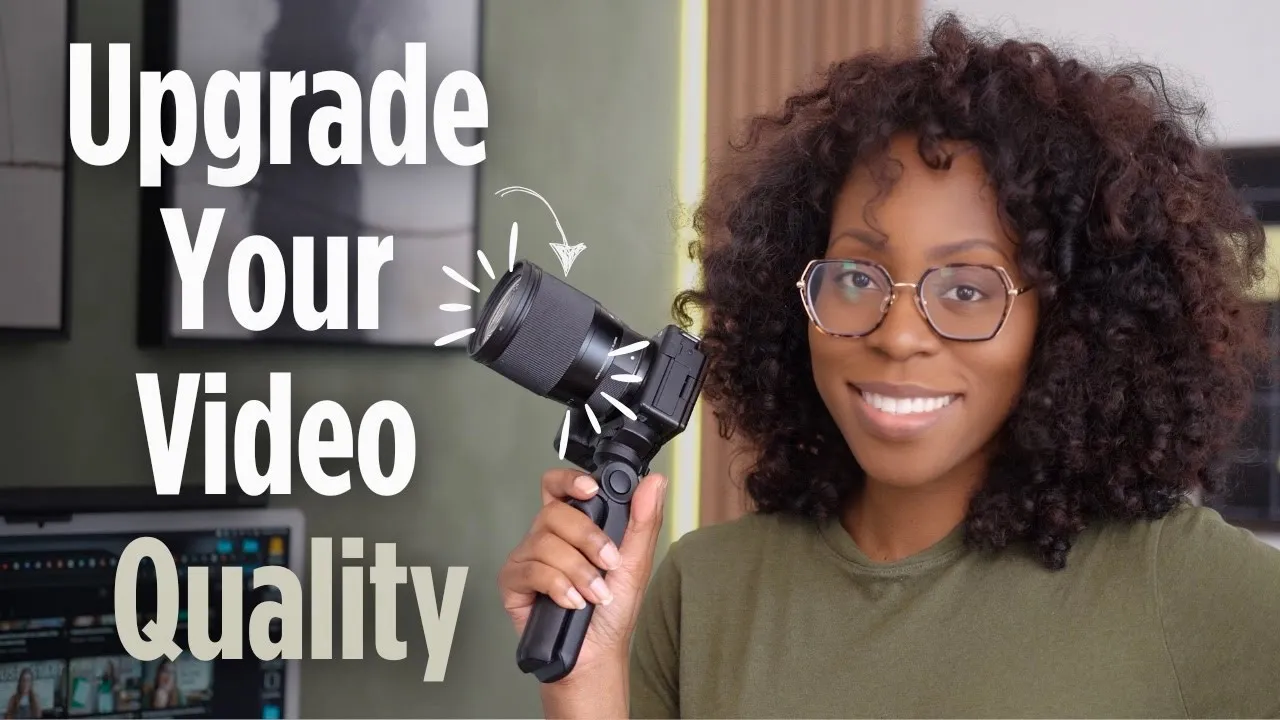
Image source: The BEST Lens Upgrade for Beginners | Sigma 16mm f1.4
The best lenses for low-light video prioritize wide maximum apertures (f/1.2–f/2.0). Prime lenses are generally superior to zooms for this purpose.
Key Criteria
| Factor | Why It Matters |
|---|---|
| Aperture | f/1.2–f/1.4 lets in 2–3× more light than f/2.8, reducing ISO noise 1, 2 |
| Prime vs. Zoom | Primes typically have wider apertures; zooms offer flexibility but often max out at f/2.8 2, 3 |
| Autofocus | Essential for solo shooting; manual focus primes (cinema lenses) offer T1.4–T1.5 but require skill 1, 4 |
Top Recommendations by Mount
Sony E-Mount (Full-Frame)
| Lens | Aperture | Best For |
|---|---|---|
| Sony FE 50mm f/1.2 GM | f/1.2 | Ultimate AF + image quality 1, 5 |
| Sigma 35mm f/1.2 DG DN Art | f/1.2 | Cinematic low-light wide-angle 1, 3 |
| Sigma 50mm f/1.2 DG DN Art | f/1.2 | Portraits, versatile standard 1 |
| Sony FE 24mm f/1.4 GM | f/1.4 | Environmental portraits, landscapes 6 |
Sony E-Mount (APS-C)
| Lens | Aperture | Best For |
|---|---|---|
| Sigma 16mm f/1.4 DC DN | f/1.4 | Vlogging, livestreams (excellent low-light performance) 7, 8, 9 |
| Sigma 30mm f/1.4 DC DN | f/1.4 | Talk shots, standard framing 7, 10 |
Canon RF/EF-Mount
| Lens | Aperture | Best For |
|---|---|---|
| Canon RF 50mm f/1.2 L | f/1.2 | Professional RF low-light 11 |
| Sigma 35mm f/1.2 DG DN Art | f/1.2 | Canon RF wide-angle 1 |
| Canon EF 50mm f/1.8 STM | f/1.8 | Budget entry (EF via adapter) 12, 13 |
Nikon Z-Mount
| Lens | Aperture | Best For |
|---|---|---|
| Nikon Z 20mm f/1.8 | f/1.8 | Wide low-light with AF 14 |
| Viltrox 16mm f/1.8 | f/1.8 | Budget wide-angle 14 |
Budget Cinema Primes (Manual Focus)
- Zeiss CP.2 T1.5 – Razor-sharp, professional cinema 1
- Schneider Xenon T1.5 – Excellent low-light performance 1
- Laowa 7.5mm T2.1 – Ultra-wide, fast aperture 15
Practical Tips
- Shoot at ISO ≤1600 on older DSLRs; newer full-frame cameras handle ISO 3200–6400 well 12
- Use de-clicked aperture rings (cinema lenses) for smooth exposure changes 7
- Prime lenses perform best wide-open at their maximum aperture 7
What camera mount are you using? This will help me narrow down the best specific lens for your setup.
References
-
How to Shoot Cinematic Video in Low Light with a Budget Camera
-
Best Cine Lenses With Autofocus for Cinematic Video Creation
-
My Favorite Sony Full Frame Lenses (FE) [A74, A1, A7R V, etc]
-
Cinematic look at night Tips for DSLR filmmaking in low light
-
Best Lenses for Low Light Photography | by Sharon Advik - Medium
-
Best Z full frame prime lens for low light video with AF which is <30mm?
-
The Best Lenses to Build Out Your Sony Mirrorless Camera Kit
-
Our guide to the best Sony FE lenses - Wex Service Repair Centre
-
Sigma 45mm F2.8 Autofocus & Vlogging Test with Panasonic LUMIX S5| Walking Stabilization