
Prime Lenses vs Zoom Lenses: Which is Best for Your Filmmaking Needs?
Image source: Prime vs Zoom Lenses: Differences & When to Use

Image source: Cine Lens Mania: Primes versus Zooms
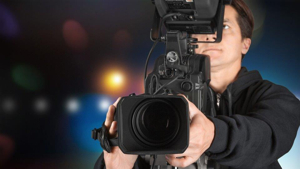
Image source: Basic Video Production Tips: Prime vs. Zoom Lenses
For shot-by-shot deconstruction, a clear structure is to break the scene into individual shots, note each shot’s duration, camera position, lens choice, movement, and how those variables support the scene’s meaning. That approach is consistent with formal scene-analysis methods used in film study, which emphasize isolating shots and documenting cinematic variables before drawing conclusions. 1
For prime vs zoom lenses, primes usually give you a fixed focal length, wider apertures, lighter weight, and often a sharper, shallower-focus look, while zooms give you framing flexibility without changing lenses. In practice, primes are often favored for scripted narrative work, while zooms are especially common in documentary-style or fast-changing production environments. 2, 3, 4
How to deconstruct a scene
A useful workflow is:
- List each shot in order.
- Describe framing, angle, camera movement, and lens feel.
- Note how the shot changes pacing, tension, or emotion.
- Compare patterns across the scene rather than treating shots in isolation.
That method lets you connect technical choices to story effect instead of just naming shots. 1
Lens choice in film scenes
Primes tend to be chosen when filmmakers want a controlled visual style, stronger low-light performance, and more pronounced subject separation. Zooms are chosen when flexibility matters more than absolute optical simplicity, especially when the filmmaker needs to adjust composition quickly or cover multiple framings efficiently. A practical rule: if the scene depends on precision and consistency, primes often fit; if the scene depends on speed and adaptability, zooms often fit. 4, 5, 6, 2
Simple example
If you deconstruct a tense dialogue scene, you might find:
- a wide establishing shot to orient space,
- a medium two-shot for interaction,
- tighter close-ups as conflict escalates,
- then a lingering close-up that heightens emotion.
If those close-ups appear very compressed and isolated, that may suggest a prime lens look; if the shot subtly reframes without a cut, that may indicate a zoom was used. 3, 2
Best way to combine both
If your goal is to write or create content around these topics, the strongest format is:
- scene deconstruction article or video essay,
- then a lens section explaining how primes and zooms shape the scene’s look and production strategy.
That pairing works well because scene analysis gives you the storytelling framework, and lens comparison gives you the craft perspective. 2, 1
References
-
The Deconstructor - Columbia Center for Teaching and Learning
-
The Role of Lenses in Filmmaking: Types, Uses, and Iconic Examples
-
Ultimate Guide to Camera Lenses — Every Type of Camera Lens Explained [Shot List Ep. 7]