
Unpacking the Masterpiece: A Shot-by-Shot Analysis of an Iconic Movie Scene
Image source: Best of the Decade - Movie Shots - Skooby Watches Movies
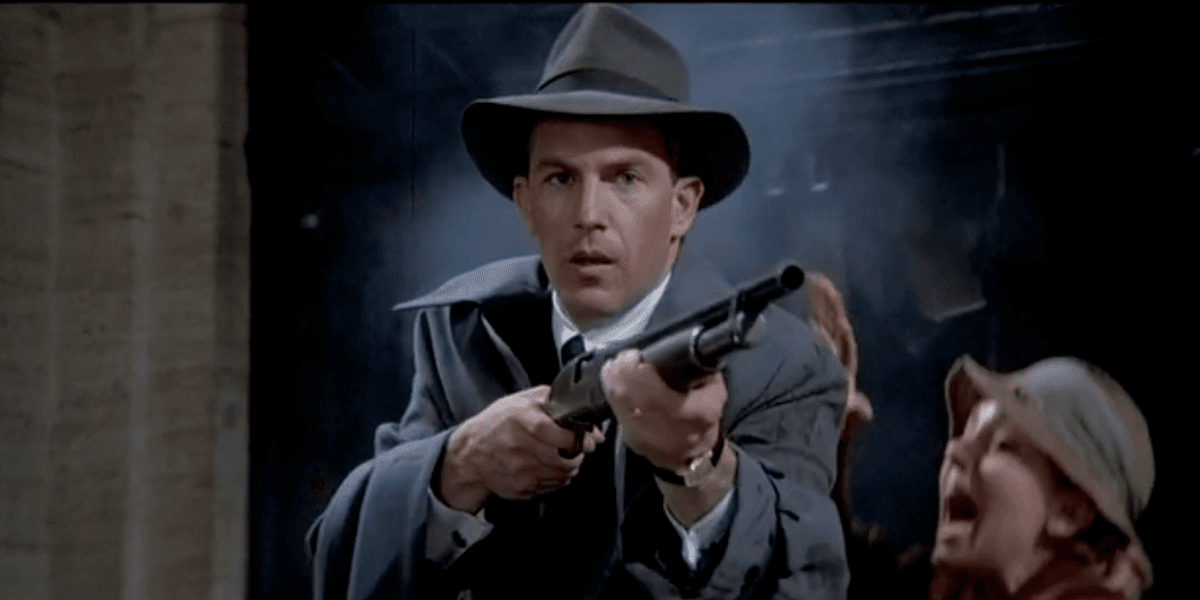
Image source: A Shot by Shot Breakdown of the Bloodiest Scene from …
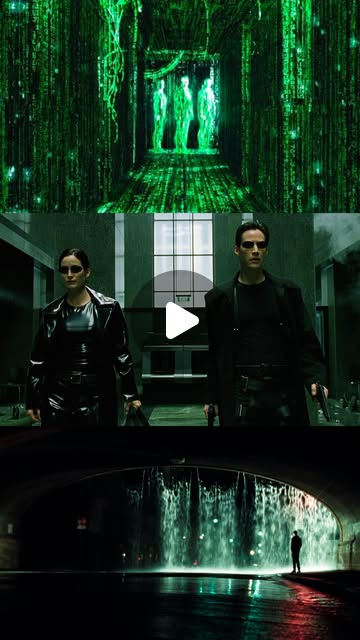
Image source: One of cinema’s most beautiful shots, but wide. Can you guess …
An iconic movie scene is best deconstructed shot by shot by tracking three things at once: what the camera shows, how the edit controls time, and how each choice pushes character or suspense. The most useful breakdown is not a list of cuts, but a map of framing, movement, lensing, rhythm, and sound design working together.
What Makes a Scene Worth Studying Shot by Shot
The scenes that get studied most often are the ones where every cut has a job. In Psycho (1960), the shower scene uses 78 camera setups and 52 cuts in 3 minutes 1, 2. In Star Wars: Return of the Jedi (1983), the throne room confrontation turns performance, blocking, and scale into a redemption scene 3. In both cases, the scene becomes memorable because the visual grammar is doing narrative work, not just recording action.
A strong shot-by-shot analysis looks for:
- Establishing orientation: where the characters are in space
- Shot scale progression: wide, medium, close-up, insert
- Camera motivation: why the angle or movement changes
- Cut rhythm: whether the edit speeds up, slows down, or withholds information
- Light and contrast: how shadow, color, or exposure shape mood
- Performance emphasis: which reaction or gesture the frame protects
That approach is especially useful for cinematographers because the same scene can teach composition, coverage strategy, and editing logic at once.
How to Break Down an Iconic Scene
A practical deconstruction usually moves in this order:
-
Identify the scene’s purpose
- Is it suspense, revelation, defeat, seduction, triumph, or grief?
-
Track the spatial grammar
- Where is each character placed?
- What is the axis of action?
- When does the film cross that axis, if it does?
-
Note the shot pattern
- Does it begin wide and tighten?
- Does it alternate between objective and subjective views?
- Are inserts used for key props or gestures?
-
Study the lighting
- Is the scene built with hard key light, soft fill, motivated practicals, silhouette, or expressionistic shadow?
-
Measure the edit
- Are cuts invisible or aggressive?
- Does shot length shorten as tension rises?
- Are reaction shots withheld for a punchline or reveal?
-
Connect image to feeling
- The best scenes make the audience feel timing before they understand plot.
Example: Psycho Shower Scene
Alfred Hitchcock’s shower scene remains one of the clearest examples of editing creating violence without showing graphic detail. The power of the sequence comes from fragmentation: the body is never fully read in one stable image, and the audience assembles the attack from partial views.
What the shots do
The scene starts with relative calm and ordinary bathroom coverage, then breaks into a rapid pattern of close framings, inserts, and skewed angles. The shower curtain becomes a boundary, then a trap. The attack is not presented as one continuous action but as a series of visual shocks.
Why it works
- Close framing removes escape
- Once the sequence tightens, there is no visual distance left between viewer and victim.
- Cutting replaces explicitness
- The violence is implied through motion, sound, and reaction rather than shown in a single master shot.
- Black-and-white photography sharpens contrast
- Water, tile, skin, and shadow read with unusual clarity, which makes the scene feel clinical and brutal at once.
- The rhythm is musical
- The montage creates a stabbing cadence that is as much about timing as image.
Craft lesson
The scene proves that a violent moment does not need coverage that explains everything. A sequence can feel more intense when it is constructed from fragments that force the viewer to complete the event mentally.
Example: Star Wars: Return of the Jedi Throne Room Confrontation
The throne room confrontation works because it stages moral conflict as visual hierarchy. The Emperor sits elevated and controlled; Luke and Vader are framed in a space that feels ceremonial, empty, and dangerous. The scene builds tension by keeping the blocking simple and the visual geometry strict.
What the shots do
The sequence balances wide frames that establish the scale of the throne room with tighter coverage that isolates faces, hands, and lightsabers. The composition often places the Emperor above or centered with negative space around him, making him feel static and dominant while the other characters are pushed into emotional movement.
Why it works
- Vertical placement communicates power
- The Emperor’s elevated position immediately signals authority.
- The frame holds on reactions
- The emotional turn lands because the edit allows fear, restraint, and conflict to register before action takes over.
- The space feels ceremonial
- The throne room is not a cluttered battlefield; it is a stage for judgment.
- Color separates moral forces
- Dark costumes, red light, and the metallic environment create a cold, controlled palette that matches the scene’s emotional stakes.
Craft lesson
A confrontation scene can become iconic when the blocking is as clear as dialogue. If the audience can read power relationships instantly, the scene gains force even before the climax arrives.
Common Pitfalls in Shot-by-Shot Analysis
A useful breakdown avoids a few common mistakes:
- Listing cuts without explaining purpose
- The value is in why the shot changes, not just how often.
- Ignoring sound
- Foley, score, and silence often carry half the scene’s tension.
- Treating lighting as decoration
- In major scenes, light usually defines power, danger, or intimacy.
- Skipping spatial logic
- If the audience cannot track where people are, the scene loses emotional clarity.
- Overlooking performance timing
- A glance held one beat longer can matter more than a camera move.
What Iconic Scenes Teach Filmmakers
Iconic scenes are rarely memorable because of one isolated trick. They usually combine a few repeatable principles: disciplined framing, intentional cutting, strong blocking, and a visual design that matches the scene’s emotional purpose. For cinematography and previsualization, that makes them ideal reference points for building sequences that are legible, tense, and visually distinct.
The most useful lesson is simple: a scene becomes iconic when every shot feels necessary.