Mastering Real-Time Rendering: Enhance Your Virtual Production Workflow
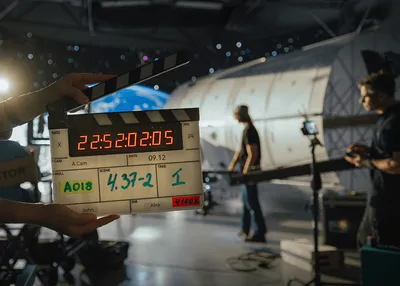
Image source: Beginner’s Guide to Virtual Production Platforms
Image source: Real-time rendering in Virtual Production

Image source: #virtualproduction #realtimerendering #filmtech #vfxstudios | Brian Macauto
Real-time rendering in virtual production is the process of translating 3D scenes into pixels instantly at video speeds (24–90+ fps), allowing filmmakers to see final-looking shots while shooting instead of waiting hours per frame for offline rendering. 1, 2
How it works
| Component | Role |
|---|---|
| Camera tracking | Tracks the physical camera’s 3D position and sends it to the engine 3 |
| Game engine (Unreal Engine) | Renders each frame from the camera’s perspective in real time 4, 3 |
| LED volumes | Displays the rendered 3D environment behind actors, creating immersive backgrounds 5, 4 |
| Parallax rendering | As the camera moves, objects shift realistically to maintain depth perception 3 |
Key benefits
- Instant iteration: Lighting, sets, and cameras update on the spot—no overnight renders 4
- Previs = Final-vis: Many shots are nearly finished straight from the stage 4
- Fewer reshoots: Crew adjusts sets virtually before shooting, saving costs 1
- On-set collaboration: Art, animation, and VFX teams work together in one real-time scene 4
Technology enabling it
Recent advances in LED technology, physical/virtual camera integration, and game engines with ray tracing/global illumination made real-time rendering viable for mainstream VFX. New neural rendering techniques using AI further accelerate photorealistic content generation. 6, 7, 8 Are you looking for information on a specific aspect—like Unreal Engine workflows, LED volume setups, or how this compares to traditional green screen?
References
-
#virtualproduction #realtimerendering #filmtech #vfxstudios | Brian Macauto
-
Real-time Rendering and Virtual Production | 14 | v2 | The Filmmaker’s
-
research on virtual production in digital animation (Unreal …
-
The Future of Film: Virtual Production and Real-Time Rendering Explained