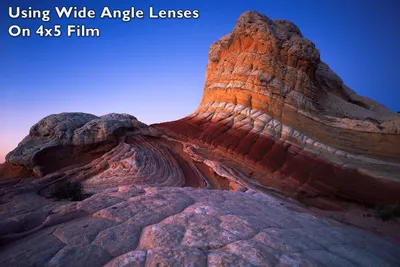
Unlocking the Power of Wide Angle Lenses in Filmmaking
Image source: Embrace The Middle Ground

Image source: Using perspective distortion with wide angle lenses in …
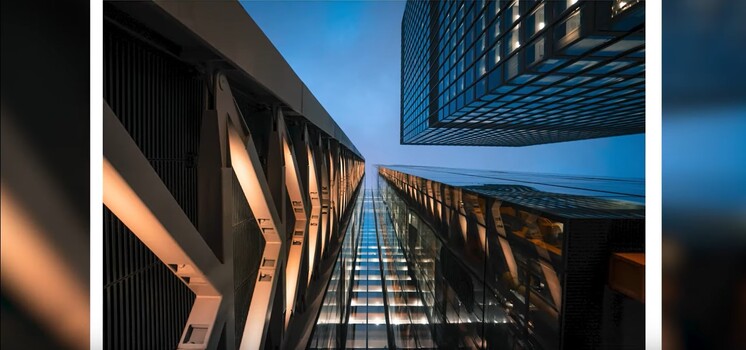
Image source: A Simple Composition Technique to Improve Your Wide …
Wide-angle lenses are used in filmmaking to show more of the scene, emphasize space and depth, and make movement feel more dynamic. The main tradeoff is distortion: objects near the camera look much larger, and faces or edges can stretch when the camera is very close to the subject. 1, 2, 3
Main uses
- Establishing shots: they help orient the audience to a place and the spatial layout of a scene. 2, 3
- Tight locations: they let you fit more into frame when you cannot move the camera back. 3, 1
- Action and movement: they make motion feel faster and more energetic because more of the environment is visible. 4, 5
- Scale and storytelling: they can make a character look small against a large environment, which is useful for isolation, awe, or tension. 6, 2
- Comedy or unease: exaggerated facial or body proportions can create a playful, awkward, or surreal effect. 7, 6
Distortion explained
What people usually call “wide-angle distortion” is often really perspective distortion, which comes from the camera being close to the subject rather than from the lens alone. If you shoot a face too close with a wide lens, the nose can look bigger, the ears smaller, and the outer edges of the frame can stretch. Lens design can also add optical distortion such as barrel distortion, where straight lines bow outward near the edges. 8, 9, 10, 1, 7
How to use it well
- Keep important subjects closer to the center if you want less edge stretching. 8
- Step back when possible, then crop or reframe instead of moving too close. 9, 7
- Use foreground elements intentionally; wide lenses make close objects feel powerful and can add depth. 10, 3
- Watch corners and straight lines in architectural shots, because wide lenses can bend them. 10, 8
Practical rule
A wide-angle lens works best when the goal is to show context, depth, or energy rather than flattering close-ups. For close dialogue or portraits, it can be strong stylistically, but the camera distance needs careful control or the image can feel unintentionally distorted. 1, 2, 7
References
-
The Power of the Lens – Focal Length in Visual Storytelling – Masterclass & Reference Guide
-
WHAT IS PERSPECTIVE DISTORTION & WHAT IS IT USED FOR IN FILM?