
Green Screen vs LED Volume: A Comprehensive Comparison of Pros, Cons and Costs for Filmmakers
Image source: LED Volume and Green Screen: Difference, Pros and Cons.
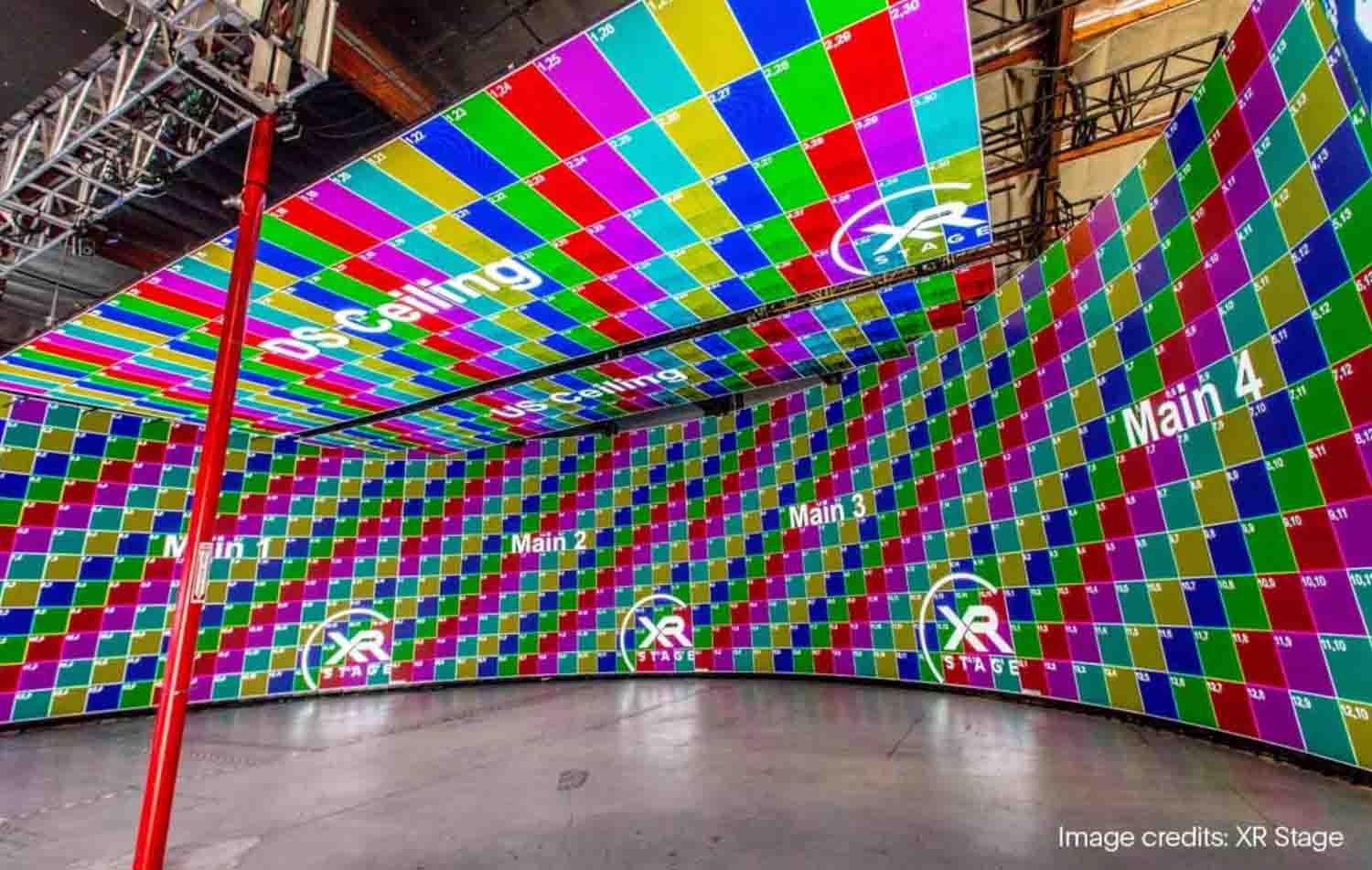
Image source: LED Volume or Green screen? Which should l use?
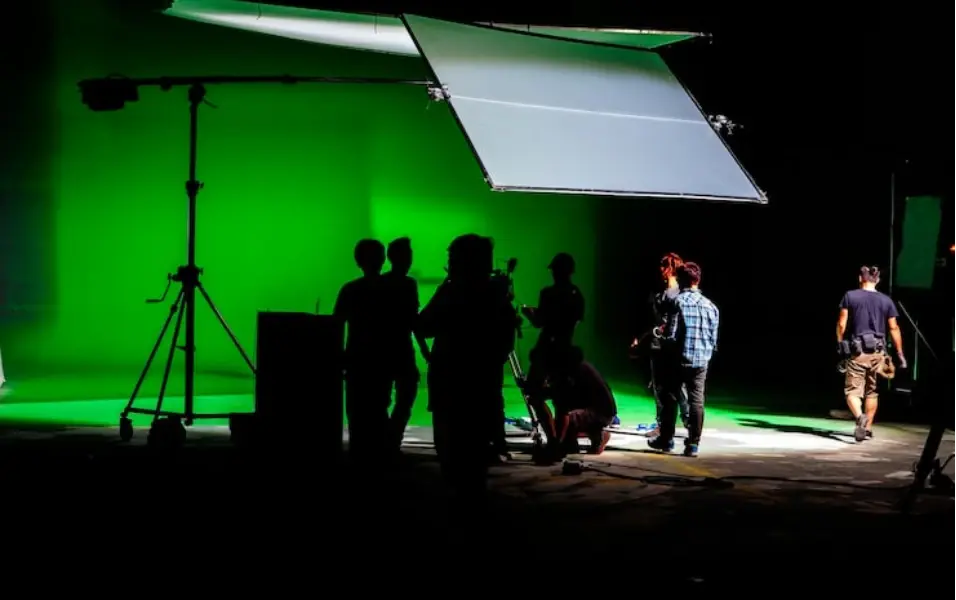
Image source: LED Wall vs Green Screen for Virtual Productions in 2025
Green screen is usually the cheaper, more flexible choice up front; LED volume is better when realistic in-camera backgrounds, natural reflections, and faster post workflows matter more than cost. For tight budgets and projects that can absorb compositing work, green screen usually wins; for productions that want a believable environment on set and less cleanup later, LED volume is often the stronger tool. 1, 2, 3
Pros and cons
| Option | Pros | Cons |
|---|---|---|
| Green screen | Lowest setup cost, easy to rig, very flexible in post, good for full-CG or heavily changed backgrounds 2, 4, 5 | Needs careful lighting, can get green spill on actors/props, actors must imagine the environment, and more compositing work happens later 1, 3, 5 |
| LED volume | Real-time environment on set, natural reflections and lighting, better actor reference, less keying/compositing work 1, 2, 5 | High upfront cost, specialized crew and hardware, less flexible after the shoot, and possible technical issues like moiré or render lag 2, 3 |
Green screen is fundamentally a capture-and-replace workflow. The subject is photographed against a uniform color so the background can be removed and rebuilt later. That makes it ideal when the final environment is not yet designed, when the shot needs a fully invented world, or when the background will change repeatedly during post.
The main challenge is control. The screen must be lit evenly, the subject must be separated from it cleanly, and the production must avoid reflections of green on skin, hair, glass, chrome, or glossy wardrobe. Even when the key is clean, the comp still needs believable shadows, grain matching, atmospheric depth, and edge treatment to keep the shot from looking pasted together.
LED volume replaces the blank screen with a wall of LED panels that display a rendered background or environment plate in real time. Because the environment is visible during photography, cameras capture motivated reflections, color spill, and practical lighting that can make a shot feel grounded before any compositing begins. This is especially useful for car interiors, dialogue scenes with windows, science fiction cockpits, and any setup where the background is supposed to influence the foreground lighting.
That realism comes with trade-offs. LED panels are expensive, the stage requires tracking, rendering, sync, and calibration, and the content pipeline must be ready before the shoot day. Once the environment is baked into the wall, late changes are harder than they are with green screen, where nearly every background decision can be deferred.
Cost picture
Green screen is generally the lower-cost option because it mainly requires backdrop, lighting, and post-production labor rather than a major hardware buildout. LED volume has much higher upfront costs because it needs LED panels, tracking systems, rendering infrastructure, rigging, and specialized operators. In practice, green screen tends to win for single projects or smaller productions, while LED volume can make more sense when reused across many shoots and when it saves enough post-production time to offset the higher setup cost. 2, 3
Cost is not just a question of rental or purchase price. Green screen can look inexpensive on the day and expensive in post if the plates are noisy, underlit, or poorly blocked. Every edge that needs rotoscoping, every reflection that needs cleanup, and every background that needs extra paint work adds labor. LED volume flips that equation: the stage day is often expensive, but it can reduce downstream time in comp, matchmove, and environment integration.
A practical way to think about the comparison is by where the complexity lands:
- Green screen pushes cost into lighting control, compositing, and revisions.
- LED volume pushes cost into prep, hardware, and stage operations.
That difference matters for schedule. A short-form project with a fixed background concept may absorb a green screen composite far more easily than a production that must rent or operate an LED stage for only a few shots. Conversely, a series, commercial campaign, or recurring virtual production workflow can justify LED volume more readily because the stage and pipeline are reused.
Image quality and lighting behavior
Green screen gives the colorist and compositor the most freedom, but it does not provide the scene lighting that the final environment would naturally create. That means a desert sunset, neon alley, or moonlit forest still has to be recreated on the subject with practical sources, flags, gels, and CG lighting logic. If the foreground lighting does not match the intended background, the shot can feel disconnected even when the key itself is clean.
LED volume improves that match because the environment is present while the scene is filmed. Light from the wall can motivate eye reflections, bounce, and color transitions across faces, wardrobe, and props. For cinematography, that is a major advantage: the camera is reacting to a scene that already exists in the frame, rather than to an empty stage that will be “fixed” later.
There is a technical limit, though. LED walls do not always reproduce the brightness range or fine detail of the real world perfectly, and they can create moiré, color shifts, or seam issues depending on panel pitch, lens choice, shutter angle, and camera position. Close-focus shots and reflective surfaces require careful testing because the display itself can become visible in ways that a green screen would never create.
When green screen is the better choice
Green screen is the better choice when:
- the budget is limited,
- the final environment is not yet locked,
- the project expects extensive post work anyway,
- the scene includes large or complex compositing,
- the shoot only needs the background as a placeholder.
It is especially common in independent filmmaking, lower-budget commercials, news and corporate production, and VFX-heavy shots where the background is entirely synthetic. If the team already has compositing capacity and can control lighting well, green screen remains the most economical route.
A strong green screen workflow depends on disciplined production design:
- keep the subject far enough from the screen to reduce spill,
- light the screen separately and evenly,
- avoid wardrobe colors that drift toward green,
- shoot clean references and lens grids for post,
- preserve enough edge detail in hair, smoke, translucent fabric, and motion blur for the composite to hold up.
When LED volume is the better choice
LED volume is the better choice when:
- reflections and interactive light matter,
- the scene needs to feel real for performance,
- the production wants to reduce comp work,
- the background must be seen on set,
- the schedule can support stage prep and calibration.
It is especially useful in scenes with vehicle interiors, practical glass, wet surfaces, metallic props, and actors who need eye-lines and environmental feedback to perform naturally. The advantage is not just visual; it is logistical. Directors, cinematographers, and clients can evaluate framing and mood in-camera instead of waiting for post to reveal whether the concept works.
Virtual production pipelines often pair LED walls with camera tracking and previsualized environments so parallax stays correct as the camera moves. That creates a more convincing illusion than a static background plate, but it also means the environment must be built and managed as a live technical asset. The art department, VFX team, and camera team have to coordinate early, because the stage is only as good as the assets loaded into it.
Common pitfalls
The biggest mistake with green screen is treating it as a shortcut. A poorly lit screen, bad separation, or reflective wardrobe can make the composite more expensive than building a practical set extension. The background may be “cheap” to film, but it is not cheap to rescue.
The biggest mistake with LED volume is assuming it replaces planning. The stage does not eliminate preproduction; it shifts the work earlier. Camera lenses, blocking, exposure, panel brightness, color pipeline, and motion behavior all need to be tested together. If the environment is not ready, the wall can become an expensive backdrop with little practical advantage.
A second mistake is using the wrong tool for the wrong shot. Broad daylight exteriors with little foreground interaction are often easier and cheaper on green screen. Scenes that rely on reflective light, interactive weather, or visible screens inside the frame often benefit from LED volume. The best choice is the one that reduces total production friction, not the one that sounds most advanced.
Rule of thumb
- Green screen: cheaper, more flexible later, more work in post. 3, 1
- LED volume: pricier, more realistic on set, less work in post. 5, 2
In practice, many productions use both. Green screen handles shots that need maximum freedom or heavy background replacement, while LED volume is reserved for hero moments where the environment must influence the photography itself. That mixed approach is often the most efficient way to balance cost, realism, and schedule.
References
-
LED Screen vs. Green Screen: A Practical Comparison for Buyers
-
Green Screen vs. LED Walls Pros & Cons — American Movie Company