Tracking Shots and Dolly Moves: When Camera Movement Adds Meaning
Image source: How Hitchcock’s Vertigo gave us the dolly zoom – one of cinema’s trippiest visual effects
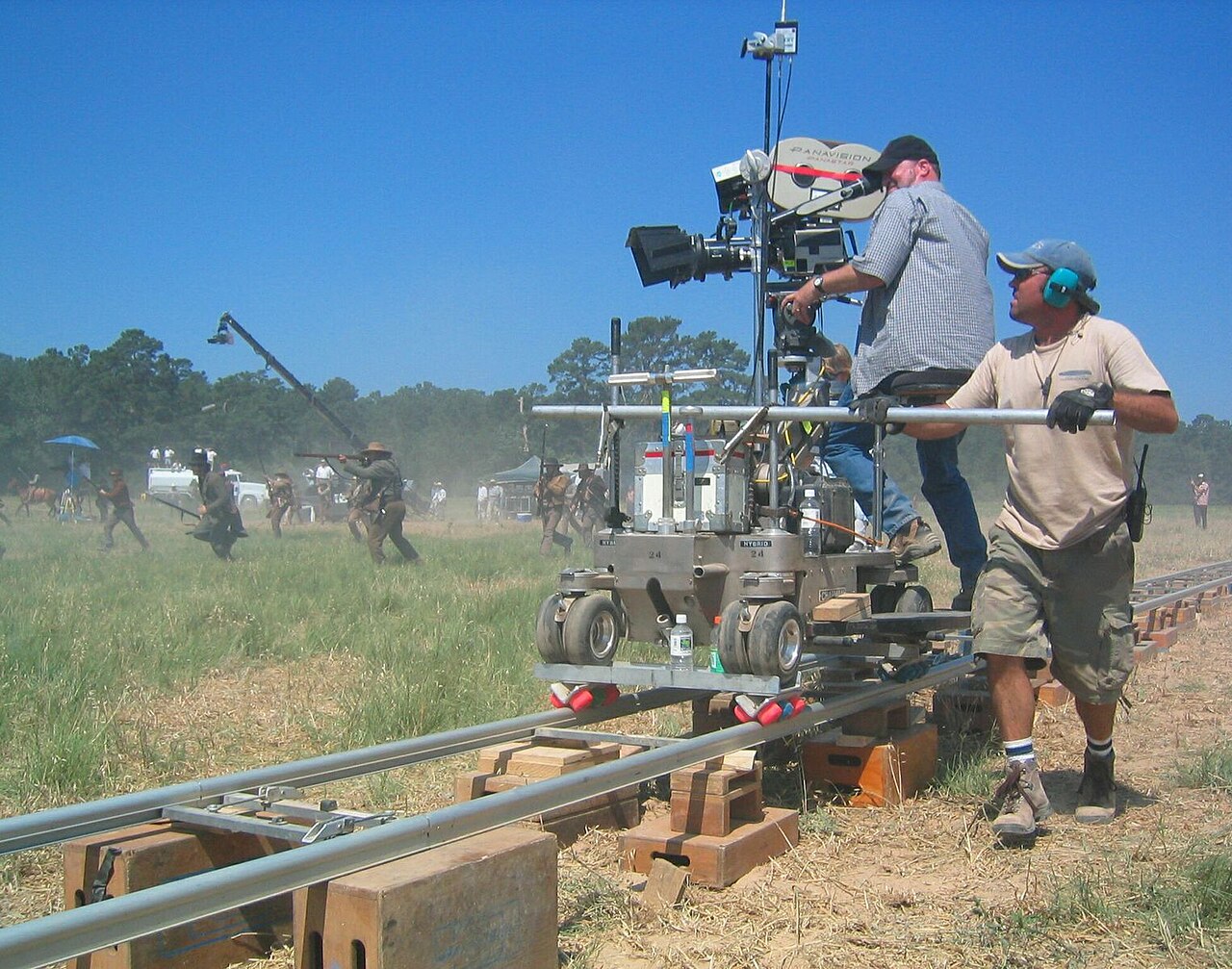
Image source: Tracking shot - Wikipedia
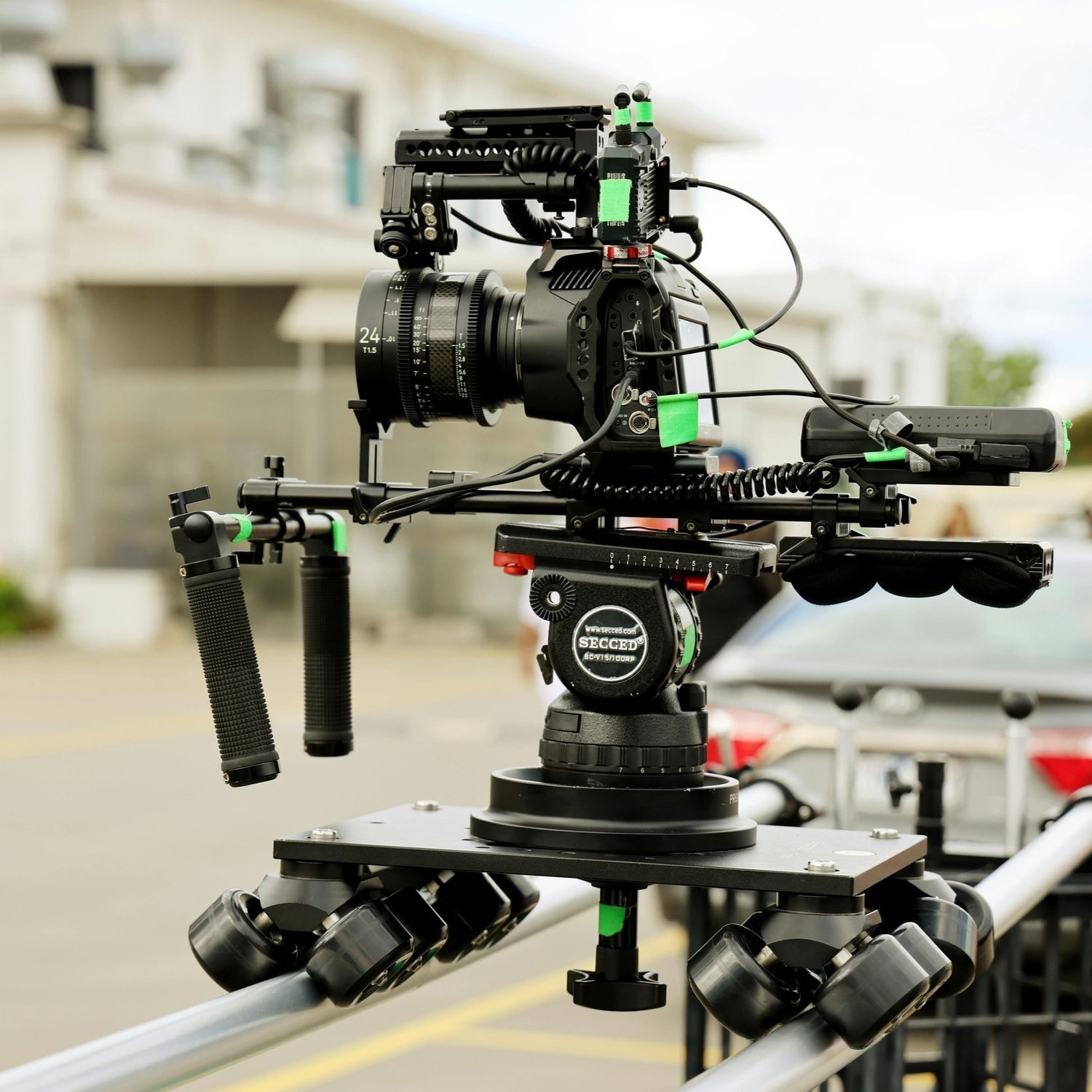
Image source: Tools of the Trade | Tracking and Dolly Shots
Tracking shots and dolly moves: when camera movement adds meaning
Camera movement matters when it changes more than composition. A tracking shot can make the audience travel with a character; a dolly move can create approach, retreat, discovery, or pressure. The useful question is not whether the shot looks cinematic, but what the audience understands or feels because the camera moves. 1, 2
Two terms, one distinction
A tracking shot follows a moving subject through space, whether the camera is carried, stabilized, or mounted on a wheeled platform. A dolly is that wheeled platform; “dolly in” and “dolly out” commonly describe moving the camera toward or away from a subject. The terms overlap, so describing the camera’s path is often clearer than relying on the label alone. 3, 4
Physical movement also differs from a zoom. Moving the camera changes its position relative to foreground and background objects, revealing or hiding parts of the space; zooming changes the lens’s field of view without moving the viewpoint. 1
That difference matters because a dolly move changes parallax. Nearby objects shift faster than distant ones, so the frame feels embedded in real space rather than optically compressed. A zoom can narrow or widen attention, but it does not let the camera cross a threshold, round a corner, or enter a room in a way the audience can feel in perspective.
What the move can say
| Movement | Possible meaning | What makes it work |
|---|---|---|
| Follow or lead a character | We share their journey—or anticipate where they are going | Let the route reveal the world or alter our understanding of the character |
| Move alongside | We observe behavior and surroundings together | Hold a considered distance rather than automatically pushing closer |
| Dolly in | Attention narrows; an emotion, decision, or threat grows harder to avoid | Start wide enough that the changing frame has a purpose |
| Dolly out | A character’s isolation or the larger situation becomes visible | Give the newly revealed space something meaningful to contribute |
| Move away from the apparent subject | Our attention transfers elsewhere | Make the departure itself part of the point of view |
These are possibilities, not fixed meanings. Speed, framing, sound, performance, and what the camera chooses not to follow can reverse the effect. In Taxi Driver, for example, the camera leaves Travis at a pay phone and moves toward an empty hallway; the absence becomes more expressive than another close-up of his face. 1
A tracking shot is especially strong when the scene is about access. Following a person through a space can say that they belong there, that they are being admitted, or that they are learning how the place works. A dolly in tends to say that something has become harder to ignore. A dolly out can widen the moral frame, making a private moment feel small against the scale of the setting.
Meaning depends on what the camera reveals
A moving shot is not meaningful because it moves; it becomes meaningful when the route carries information. Passing a line of bodyguards, crossing a crowded kitchen, or drifting from a speaker to the people listening all create different kinds of emphasis. The camera can turn the environment into story, not just backdrop.
That is why long, motivated moves often feel more powerful than decorative ones. If the camera reaches its destination only to repeat information already available, the movement has been empty. If the path reveals status, vulnerability, distance, or control, the shot has done narrative work before the edit arrives.
The strongest camera moves usually have a clear rule: follow the person who matters, reveal the thing that changes the scene, or stop where the meaning changes. A move without a rule can still be beautiful, but beauty alone rarely holds a dramatic scene together.
Three scenes worth studying
- In Goodfellas, the camera follows Henry and Karen through the Copacabana’s back entrance, kitchen, and ballroom in a continuous Steadicam shot. Each greeting and unobstructed passage lets Karen—and the audience—experience Henry’s status. The route is the seduction, not just a stylish way to reach their table. 5
- In Children of Men, lengthy moving shots were intended to make viewers feel present in the action. But the camera does not always obey the protagonist: after Theo runs back to a car, it lingers on two dead police officers, asking the audience to consider people the plot is leaving behind. 2
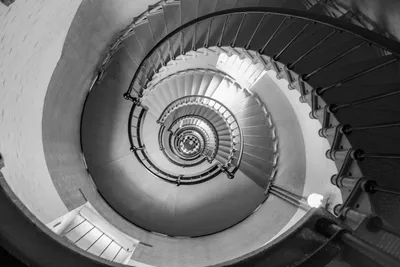
- In Vertigo, the dolly zoom moves the camera while zooming the lens in the opposite direction, keeping the central subject roughly the same size as the background seems to stretch or compress. Its altered perspective gives a visual form to Scottie’s disorientation; it is a special effect with a particular dramatic purpose, not the default meaning of a dolly move. 6, 7
These examples point to three different uses of movement: privilege, witness, and psychological rupture. The Copacabana shot grants access. The Children of Men shots create immersion while refusing to narrow the world to one hero’s path. The Vertigo move breaks spatial stability so the audience feels a destabilized mind rather than merely sees one.
Design the move backward
Start with the change the viewer should experience, then choose the path. For a scene in which a newcomer realizes an apparently ordinary person has power, follow them through a crowded entrance and allow doors to open, staff to greet that person, and obstacles to disappear. If those discoveries are the scene, one continuous move lets the audience learn the hierarchy rather than receive it in a cutaway—much as the Copacabana shot does. 5
Then test the shot without movement. If a static frame or a cut communicates the same thing with equal force, keep it simple. If the move controls when information appears, changes whose perspective is shared, or makes the duration of an experience important, the camera is doing narrative work. 1, 2
A useful way to plan the shot is to write the beat changes as verbs: reveal, admit, delay, isolate, follow, abandon. The camera path should express one of those verbs cleanly. If the move contains three or four different ideas at once, the effect often becomes generic “energy” instead of a readable dramatic choice.
Common mistakes
- Moving for coverage instead of meaning. A camera can travel because the scene has a point of view, or because the setup simply allows it. The first choice strengthens the scene; the second often flatters the equipment.
- Starting too close. A dolly in has little power if the frame begins already compressed. The move needs room to change.
- Following everything. A tracking shot becomes weaker when it chases every action in the frame. Leaving something behind can be more expressive than keeping pace.
- Confusing a zoom with a dolly. A zoom changes scale; a dolly changes spatial relationship. The emotional result is not the same.
- Making the move invisible when it should be felt. Some shots should float away unnoticed. Others, especially when meaning comes from access or discovery, need the audience to register the motion.
A practical rule for deciding
If the camera move changes the order in which the audience learns the scene, the move matters. If it only restates what the performance already says, the scene may be stronger without it. Tracking shots and dolly moves are most effective when they control access to information: who gets seen, what gets revealed, and how long the audience has to sit with it.
References
-
Children of Men: Humanity’s Last Hope - American Cinematographer
-
Goodfellas at 30: The making of one of film’s greatest shots - BBC
-
What is a dolly zoom: How to film the Vertigo effect - Adobe
-
How Hitchcock’s Vertigo gave us the dolly zoom – one of cinema’s trippiest visual effects