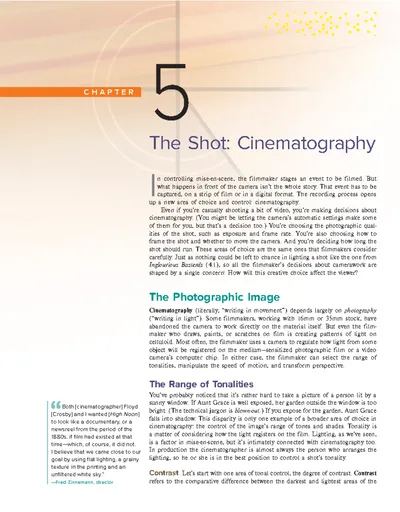
Shot Reference Tags for Lighting, Lens and Composition
Image source: CIN 101 CHAPTER 5: The Shot - Understanding Cinematography Techniques
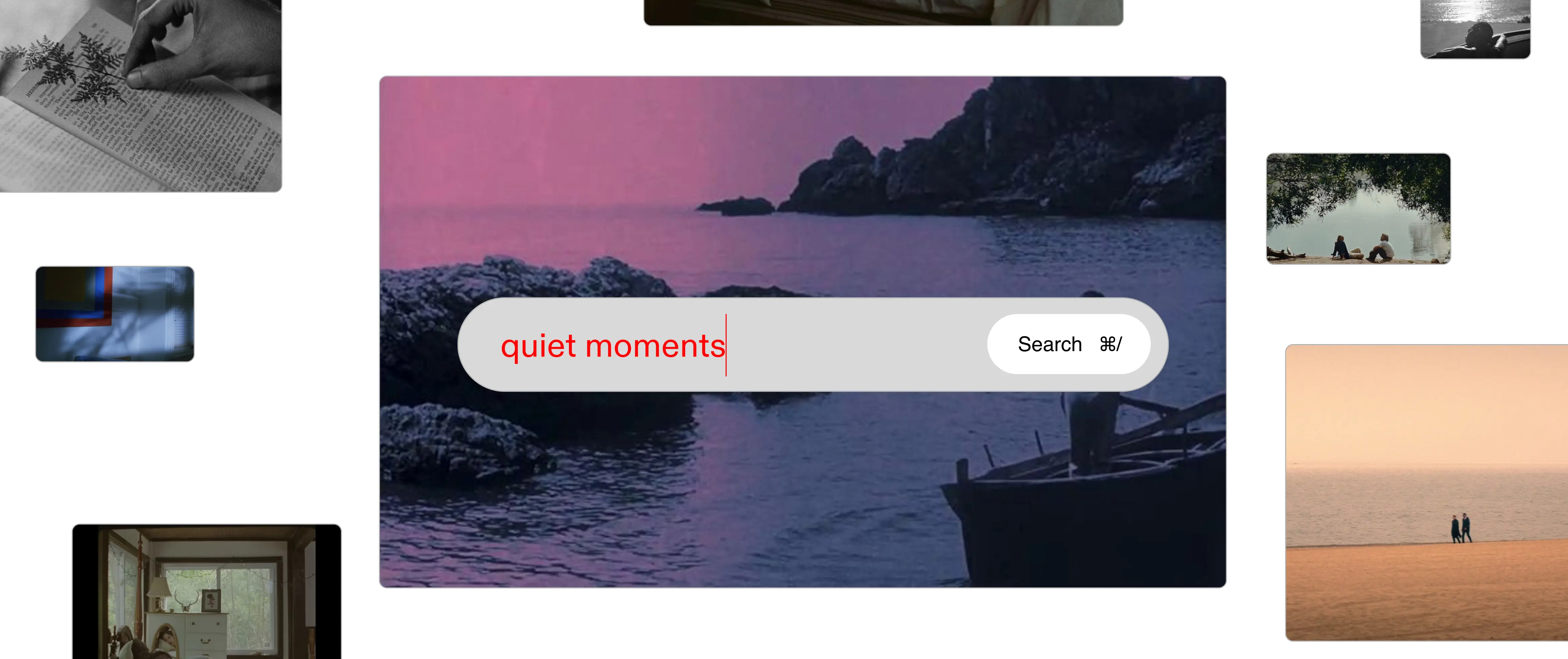
Image source: Director treatment tool: build it with real film frames
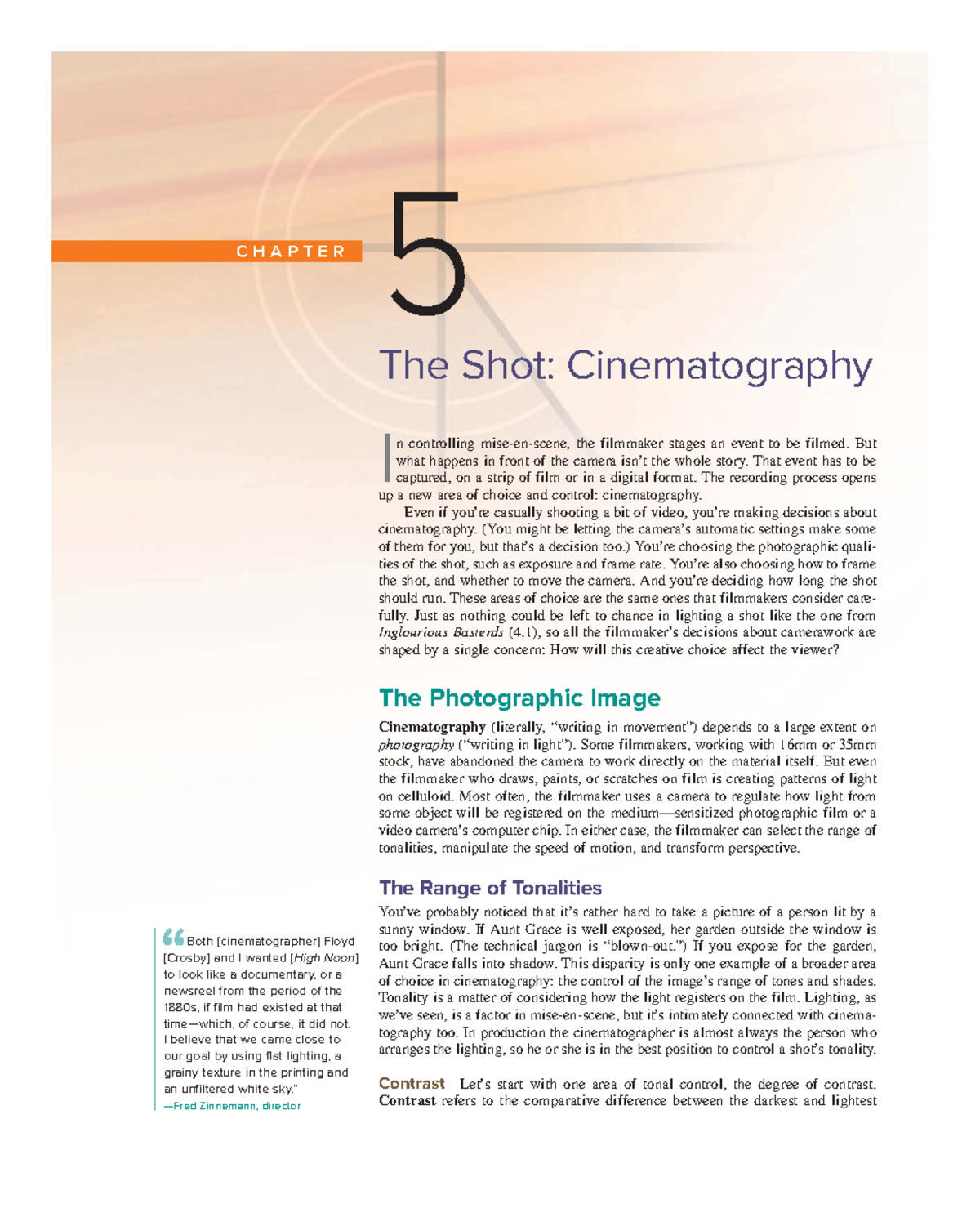
Image source: Chapter 5: The Shot & Cinematography - Compulsory Reading Notes
Tagging shot references by lighting, lens and composition
Tag shot references in three separate groups: what the light is doing, what the optics appear to be doing, and how the frame is arranged. That makes a library searchable by the decisions that can actually be recreated on set, rather than only by film title or vague mood. Cinematography reference libraries use similar categories, including lighting, lens, framing and composition. 1, 2
| Group | Useful tags | What to look for |
|---|---|---|
| Lighting | side-lit, backlit, soft, hard, low-key, warm practical | Light direction, shadow edges, contrast and visible sources. A key light illuminates the subject; fill reduces its shadows, while backlight can define an edge. 3 |
| Lens | wide-angle look, normal look, telephoto look, shallow focus, deep focus | Field of view, apparent spatial depth and how much of the scene looks sharp. Record a focal length in millimetres only when there is reliable production metadata to support it. 4, 5 |
| Composition | wide shot, close-up, centered, off-center, negative space, leading lines, low angle | Subject size, placement, camera angle and the space around the subject. Keep shot size separate from placement so an entry can be found as, for example, off-center close-up. 6, 7 |
Why these three tags matter
Lighting, lens and composition are the three fastest ways to describe why a frame feels the way it does. A hard side-light creates a very different emotional read from a soft front-light even if the subject, location and wardrobe stay the same. A telephoto look compresses space and tends to isolate the subject more than a wide-angle look, while composition determines whether the frame feels controlled, tense, empty or observational.
That separation also prevents the most common tagging mistake: using one broad mood label for several different visual decisions. Moody does not tell a library whether the frame is low-key, backlit, underexposed, centered, or framed with heavy negative space. Specific tags do.
Lighting tags: describe direction, quality and contrast
Lighting tags work best when they answer three questions:
- Where is the light coming from?
front-lit,side-lit,backlit,top-lit,underlit - How hard does it look?
soft,hard - How contrasty is the scene?
low-key,high-key,low fill,strong fill
A key light is the primary source that establishes the subject’s shape, while fill light reduces the depth of the shadows created by that key. Backlight separates the subject from the background and often creates a rim or halo at the edge of hair, shoulders or clothing. 3 Practical sources visible in frame can also be worth tagging, especially when they motivate the exposure or color of the scene: table lamp, neon practical, window light, candlelight.
A useful rule is to tag what is visible, not what is assumed. A frame may look soft because the source is large or because it is heavily diffused, but the still image alone rarely proves the exact modifier. If the look matters more than the rig, tag the appearance: soft backlight is more useful than guessing the lamp shape.
Lens tags: describe the visual effect, not just the focal length
Lens tags should capture the look a shot creates on screen. In practice, that means describing apparent perspective, subject separation and the amount of the frame that feels sharp.
Common lens-oriented tags include:
wide-angle lookfor expanded space, more environment and stronger perspectivenormal lookfor a more natural relationship between subject and backgroundtelephoto lookfor compressed depth and a flatter relationship between planesshallow focuswhen only a thin plane looks sharpdeep focuswhen much of the frame appears in focus
A single image usually cannot prove the exact focal length. Perspective depends on camera-to-subject distance as much as lens choice, and a similar framing can be achieved with different focal lengths moved to different positions. For that reason, 85 mm is a technical claim, while telephoto look is a visual description that can be used safely when the metadata is unknown. 5 If the production slate, lens data or camera report is available, a millimetre value can be added as supplemental information rather than as the primary tag.
For archival work, it helps to separate focal length from focus behavior. A wide lens can still have shallow focus, and a long lens can still hold more of the scene sharp if the aperture and subject distance allow it. Tagging both avoids false assumptions.
Composition tags: frame size, placement and visual structure
Composition tags describe how the frame is organized. The most useful ones answer four questions:
- How large is the subject in frame?
extreme wide,wide shot,medium shot,close-up,insert - Where is the subject placed?
centered,off-center,left-weighted,right-weighted,top-weighted - How does the space behave?
negative space,tight frame,open frame - How does the eye travel?
leading lines,layered depth,framed by foreground,diagonal composition
A shot size tag and a placement tag should stay separate. Close-up tells how much of the subject is visible; off-center tells where it sits in the frame. Keeping them distinct makes it possible to find a reference such as an off-center close-up or a centered wide shot without ambiguity. 6, 7
A few composition tags are especially useful in shot-reference libraries:
negative spacefor empty areas that isolate the subject or leave room for text or movementheadroomwhen the space above the head is deliberately controlledlead roomwhen the subject looks or moves into open frame spacesymmetricalwhen the frame feels balanced on both sideslow angleorhigh anglewhen the camera position alters power, scale or vulnerability
Rule of thirds can be used as a compositional note, but it is not a substitute for describing actual placement. A frame may place the eyes on an upper third line, but the more useful tag is still off-center or upper-third placement, because that survives more search contexts than the name of the rule.
A practical tagging pass
- Describe only what is visible first. For a frame with a bright window behind a person, the first pass might be
backlit,soft,medium shot, andsubject-left. - Add interpretive tags cautiously.
Telephoto lookis a useful visual description;85 mmis a technical claim. A single image generally cannot establish an exact focal length without additional information about the camera and scene. 5 - Keep a short note on purpose. “Window separates the subject from a dark room” is more useful during a shoot than another broad tag such as
cinematic. - Use a consistent vocabulary. Pick one form, such as
backlit, not a mix ofback light,rim lightingandlit from behindfor every similar frame. Add a distinctrim lighttag when that visible edge is specifically what needs to be found. - Tag the strongest decision first. A frame can be
soft backlit,telephoto look, andnegative spaceat once, but one of those usually matters most for retrieval.
A compact reference entry might read: Lighting: soft side-light, low fill; lens: wide-angle look, deep focus; composition: medium-wide, subject-right, negative space-left; note: “Leaves room on the left for an approaching character.” This describes the image without pretending to know the camera package or lighting setup from the still alone. 3, 5, 7
Common tagging mistakes
The most common error is collapsing several different visual decisions into one adjective. Moody can hide whether the frame is low-key, underexposed, rim-lit or simply desaturated. Cinematic is even less useful because it does not identify the actual craft choices that make a frame work.
Another mistake is tagging the subject instead of the frame. Sad or tense may be valid story notes, but they do not help a cinematographer find the same balance of light, lens and composition later. A better tag set would be low-key, soft backlight, close-up, off-center, negative space.
A third mistake is overcommitting to technical precision. If the only source is a screenshot, telephoto look is safer than a guessed focal length. If the edge light is visible but the source is not, rim light may be correct while 2K Fresnel is not.
A simple reference vocabulary
A practical shot library usually becomes more searchable when its tags stay small and repeatable. A compact controlled vocabulary often includes:
- Lighting:
front-lit,side-lit,backlit,soft,hard,low-key,high-key,practical,rim light - Lens:
wide-angle look,normal look,telephoto look,shallow focus,deep focus - Composition:
wide shot,medium shot,close-up,centered,off-center,negative space,lead room,headroom,symmetrical,low angle
Used this way, shot references become a working tool for previs, lighting breakdowns and lens planning. The best tags do not merely name an image; they point directly to the choices needed to recreate it.
References
-
ShotDeck | The Ultimate Cinematic Image Library for Filmmakers
-
Shot Composition: How to Frame Your Scenes Like a Pro - Backstage