Atlas
Atlas indexWebGL / Interactive Web Film
Cinema you steer: real-time 3D rendered live in the browser by a GPU.
- webgl
- webgpu
- three.js
- glsl-shaders
- real-time-3d
- creative-coding
- interactive
- scrollytelling
- matcaps
What it is
A craft where moving images are generated frame-by-frame in the browser via WebGL/WebGPU rather than played back as recorded footage. The 'film' is code: geometry, shaders, physics and camera all run in real time, and the viewer's input (cursor, scroll, drag, keys) bends the picture. Built largely on three.js, it spans award-site hero sequences, scrollytelling, and fully playable portfolio worlds, blurring motion design, game tech and the web page.
How it is made
The scene graph and the loop
Three.js wraps raw WebGL into a scene of meshes, cameras and lights, redrawn every frame inside requestAnimationFrame. Because it renders close to native GPU mechanics, developers optimise per-frame: instancing repeated geometry, culling, and budgeting draw calls so the loop holds 60fps on a phone.
Shaders do the look
Surface and atmosphere live in GLSL fragment/vertex shaders running on the GPU. Effects like volumetric light rays, refraction, distortion and bloom are written as math, not modelled. A cheap trick that defines the style is the matcap: a pre-lit sphere texture faking shadows and highlights with zero real lights.
Physics, input and assets
Interactivity comes from coupling a physics engine (e.g. Cannon.js primitives) to the visual meshes and feeding pointer/scroll/keyboard state into the loop. Assets are modelled in Blender, exported as compressed glTF, and post-processing passes (bloom, DOF) composite the final image. Newer work moves to WebGPU via TSL for heavier throughput.
Where it comes from
From Flash plugins to native WebGL
Before ~2010, 3D in the browser meant plugins (Papervision3D, Away3D on Flash) or Java applets. Ricardo Cabello ('mrdoob'), out of the demoscene, ported his ActionScript engine to JavaScript and released three.js on GitHub in April 2010, riding Chrome's new WebGL support to kill the plugin era.
The awards-site engine
Through the 2010s, agency culture (Awwwards, FWA, CSS Design Awards) made WebGL the default language of 'site of the day.' Studios like Active Theory (founded 2012, LA) pushed three.js so hard on projects like Google I/O builds that by 2018 they wrote their own engine, Hydra, to exceed it.
Open-sourcing the craft
The discipline grew teachable in public: Codrops (Manoela Ilic, since 2009) published the shader and distortion tutorials, Bruno Simon's open-source folio-2019 and Three.js Journey course turned a viral car-game portfolio into curriculum, and livecoders like Yuri Artiukh decompiled award sites on stream.
Artists
-
three.js (JavaScript 3D library, first released April 2010); official example gallery (WebGL + WebGPU/TSL)
Spanish demoscene coder who ported his Flash engine to JS and gave the web its de-facto 3D library, whose official examples are the canonical reference frames for the whole craft.
-
folio-2019 drivable-car portfolio (Awwwards Site of the Month, Nov 2019); folio-2025 WebGPU/TSL rebuild + devlog series; Three.js Journey course
Paris creative developer whose physics-driven car-game portfolio (three.js + Cannon.js + matcaps) became the canonical teaching example and whose 2025 rebuild documents the move to WebGPU/TSL on YouTube.
-
Studio portfolio v3–v6 (multiple Awwwards SOTD); proprietary Hydra 3D engine; Paper Planes (Google I/O), Discover Your Patronus (Pottermore), CHILE20 (adidas)
Venice Beach studio (founded 2012) that rendered high-fidelity interactive 3D on three.js, then built its own Hydra engine — its v6 portfolio walks you through real-time office worlds with multiplayer and AI chat.
-
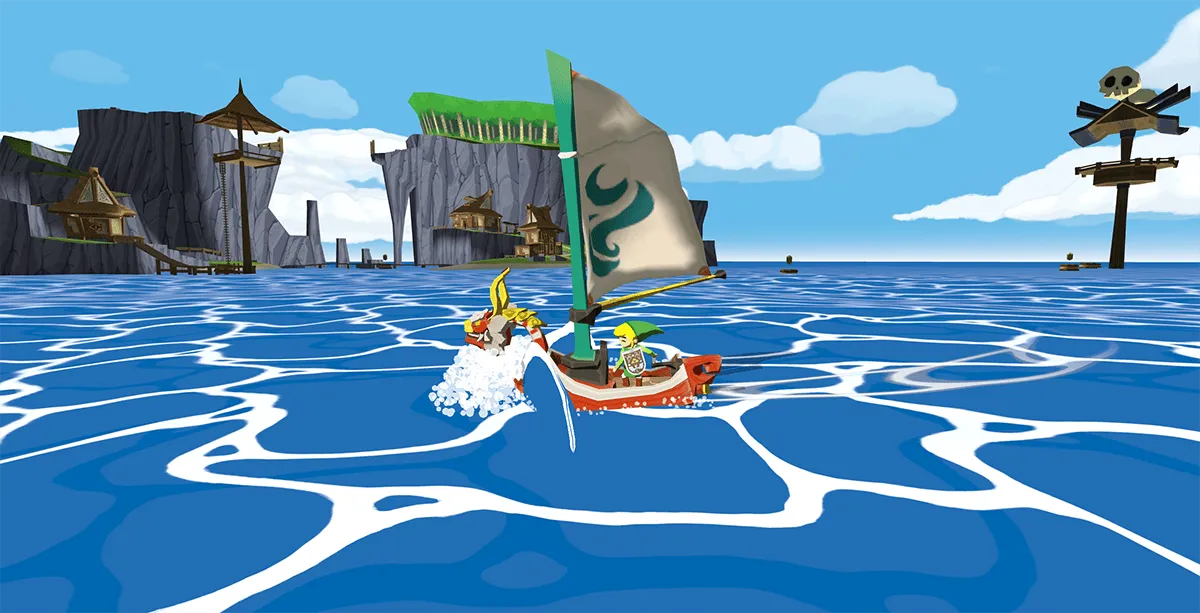
Wind Waker.js (three.js cel-shaded ocean, WebGPU/TSL upgrade 2026); 'Le Sel d'Issey' (Issey Miyake); McDonald's Switzerland Golden Slide game
Paris senior creative developer and FWA juror whose refraction and distortion shader work spans a WebGPU remake of Zelda: The Wind Waker's ocean and award-winning brand experiences.
-
'ALL YOUR HTML' livecoding series (reverse-engineering award sites); Codrops tutorials; Awwwards Academy WebGL course
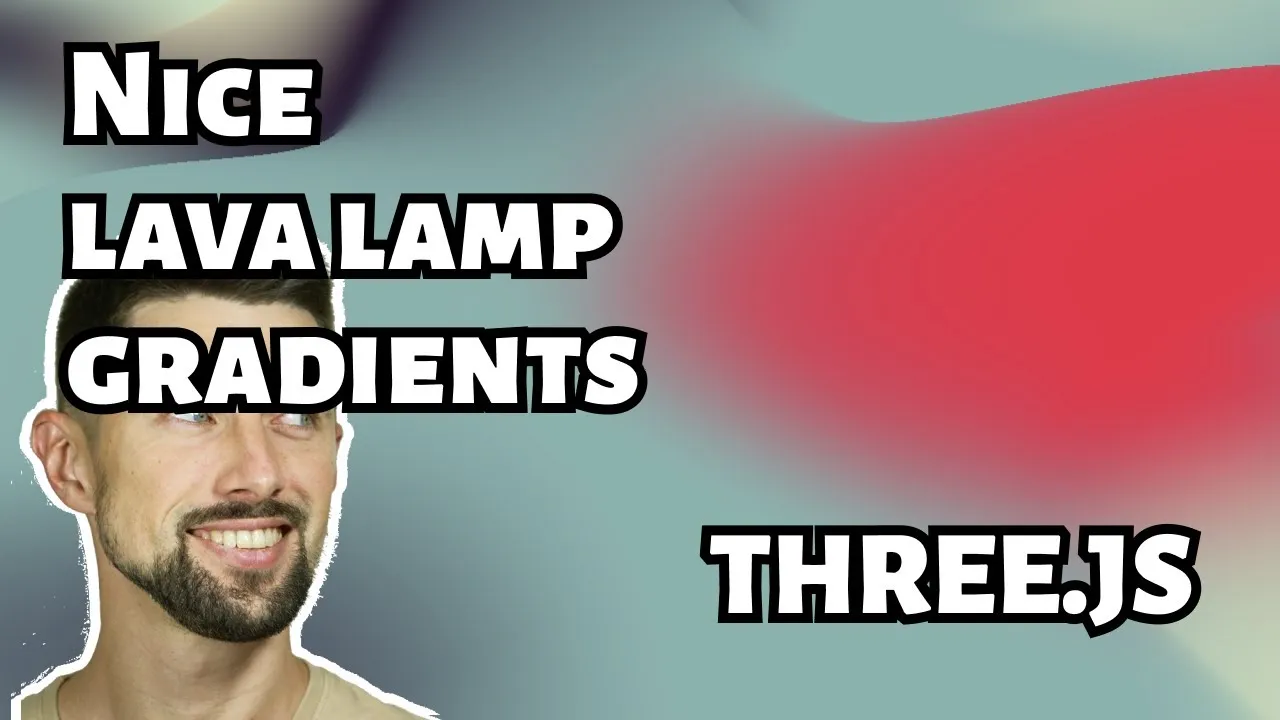
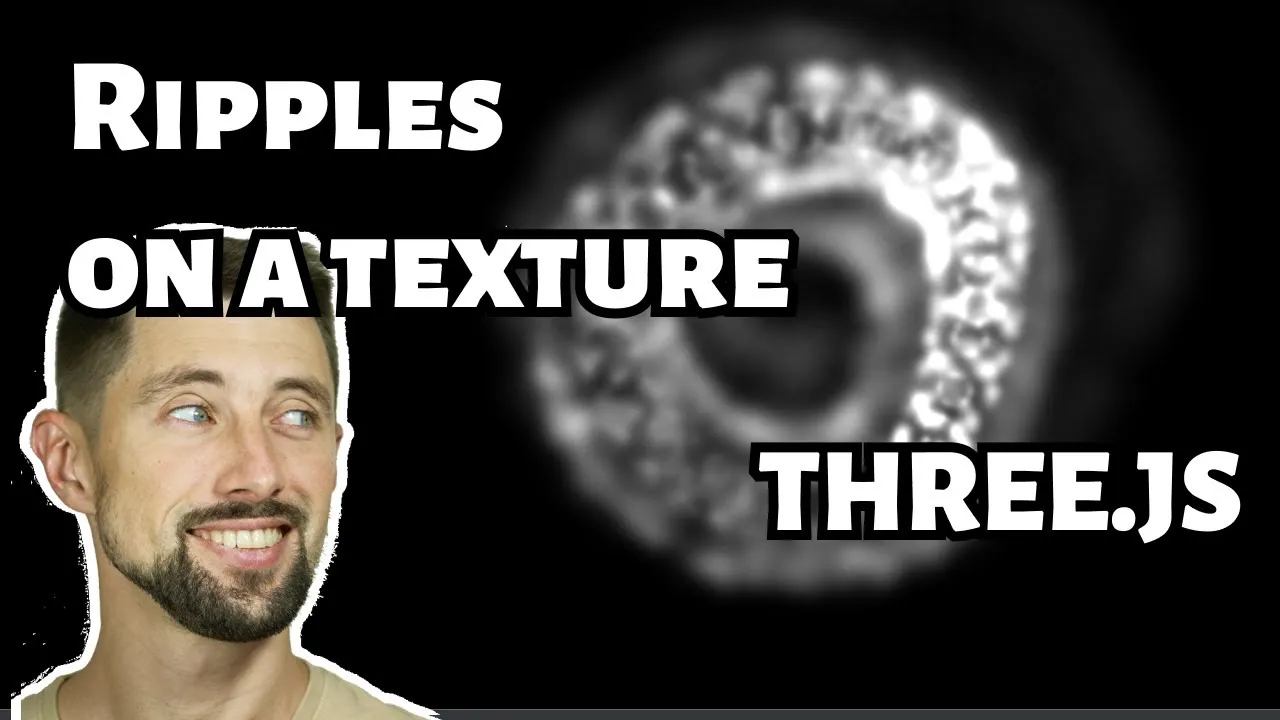
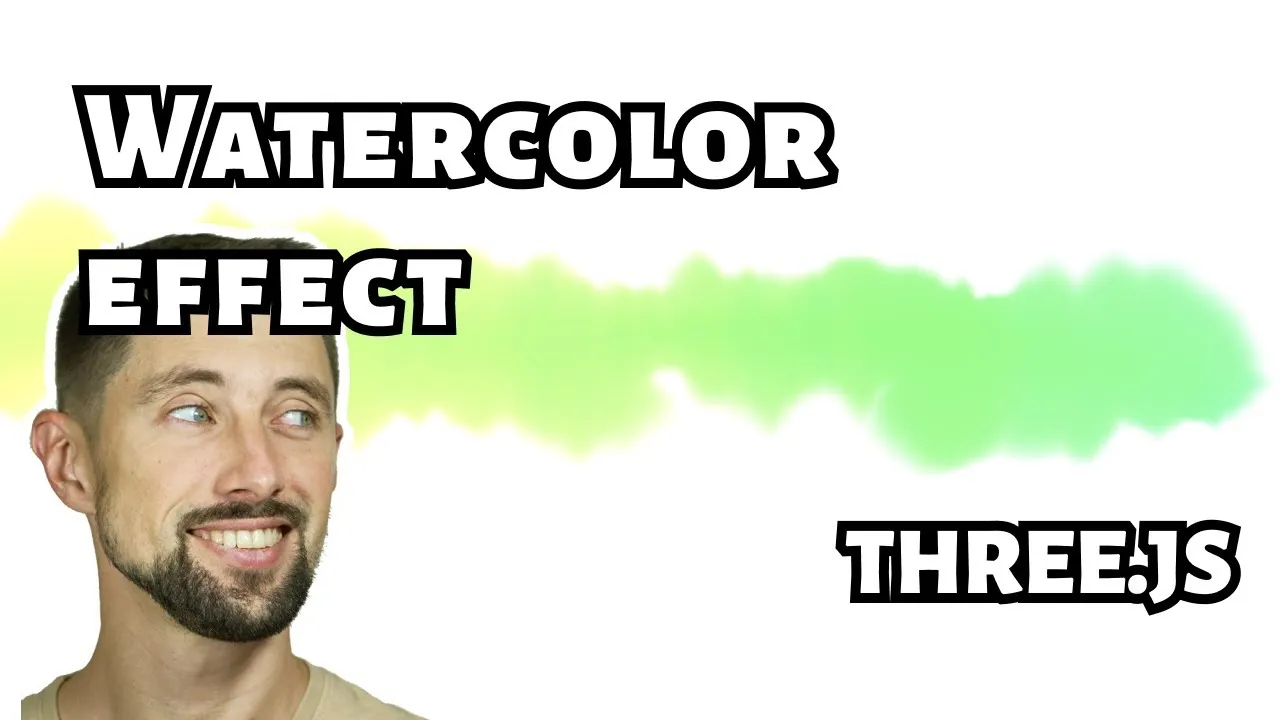
Kyiv creative coder who reverse-engineers award sites live, rebuilding single fragment-shader effects — raymarching, ripples, watercolor, gradient meshes — in three.js for a public audience.
-
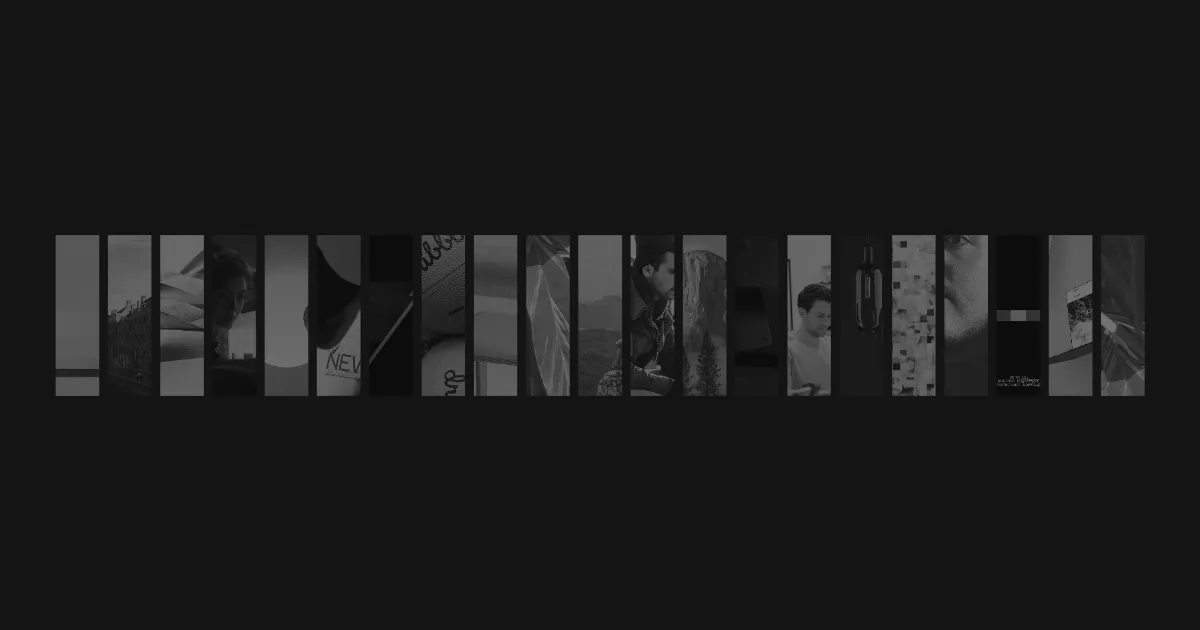
Portfolio 2021 (Awwwards Site of the Month, June 2021, design by Jon Way); Portfolio 2017/2018/2019 (multiple Awwwards SOTD)
French creative developer known for a series of highly awarded vanilla-WebGL/GLSL personal portfolios built around smooth shader-driven page transitions.
-
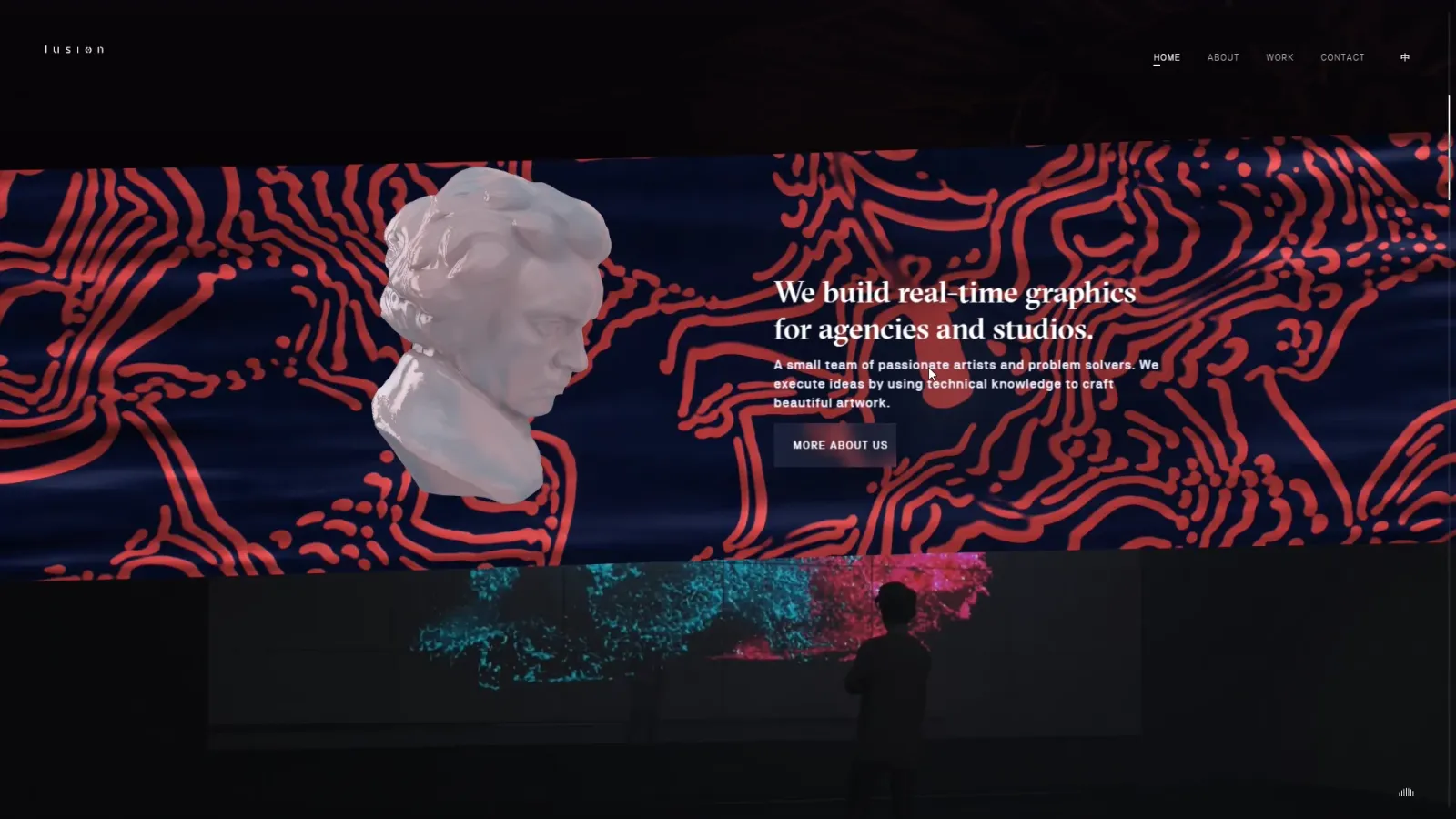
Lusion studio site (FWA / Awwwards / CSSDA Site of the Year); Porsche Dream Machine; Zero Tech; Lusion Labs; client work for Coca-Cola, Max Mara, Google
Bristol real-time studio founded by Edan Kwan in 2017, known for ultra-high-fidelity WebGL with custom baked-illumination matcaps and GPU cloth/particle simulation.
-
The Book of Shaders (with Jen Lowe); glslViewer; LYGIA shader library
Buenos Aires-born, New York-based artist whose The Book of Shaders, glslViewer sandbox and LYGIA library taught a generation to write fragment and vertex GLSL.
-
clicktorelease.com experiments; CCapture.js (fixed-framerate canvas capture); THREE.MeshLine
Barcelona-born WebGL developer behind clicktorelease.com experiments, CCapture.js for frame-locked video export, and THREE.MeshLine for thick lines in three.js.
-
Interactive WebGL brand campaigns and browser games for Google, Disney, Pepsi
Wellington and Amsterdam digital studio that builds playful, character-driven interactive WebGL experiences and browser games for major brands.
-
'The Web Can Do What?!' and Gemini work with Google; Netflix Kids, Strava platform work
Digital studio (part of DEPT) making interactive WebGL product sites, brand experiences and experimental browser demos.
-
Superlist scroll-driven 3D; Dala WebGL particle system; Crosswire 3D environment
Brand and motion studio pairing design with three.js/WebGL — scroll-tied 3D, particle systems and shader effects — alongside an experimental Labs division.
-
In-depth shader & R3F blog: particles/FBO, caustics, Moebius post-processing, raymarching
New York frontend engineer whose long-form blog teaches shaders, raymarching, GPGPU particles and post-processing through interactive React Three Fiber scenes.
-
Felix Turner (Airtight Interactive)
MOSH glitch web app; Uberviz audio-reactive visualizers; WebGL work for Apple, Google, Nike
Los Angeles creative technologist who builds high-performance WebGL and GLSL experiences for major brands and publishes audio-reactive visualizers and shader tutorials.
-
canvas-sketch (open-source JS generative-art framework); Meridian & Subscapes (Art Blocks); Wayfinder (NFB of Canada, 2021); math-as-code
London-based Canadian creative coder whose canvas-sketch framework is the default scaffold for browser generative work and whose Art Blocks output proved code-rendered, on-chain frames as a fine-art medium.
Frames
Ricardo Cabello (mrdoob)
-
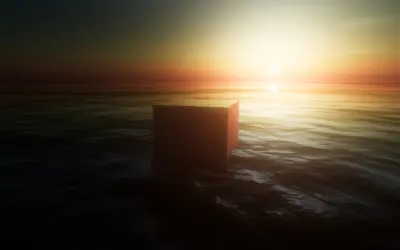
three.js example: webgl_shaders_ocean · Ricardo Cabello (mrdoob) · Source -

three.js example: webgl_animation_keyframes · Ricardo Cabello (mrdoob) · Source -
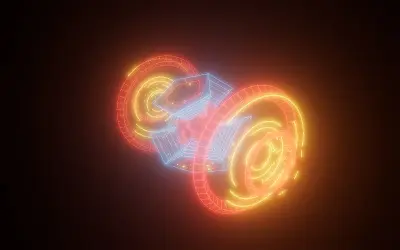
three.js example: webgl_postprocessing_unreal_bloom · Ricardo Cabello (mrdoob) · Source -
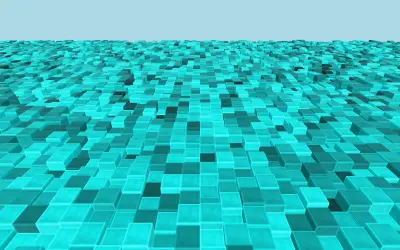
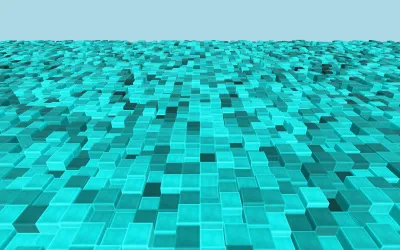
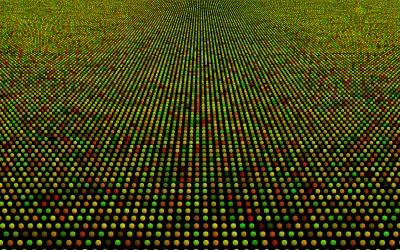
three.js example: webgl_instancing_dynamic · Ricardo Cabello (mrdoob) · Source -
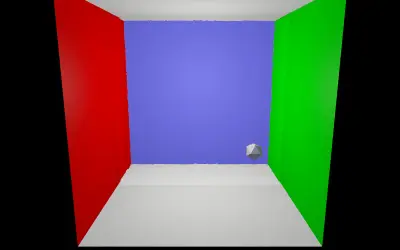
three.js example: webgl_refraction · Ricardo Cabello (mrdoob) · Source -
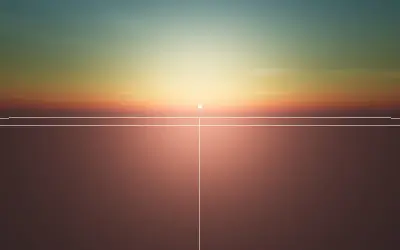
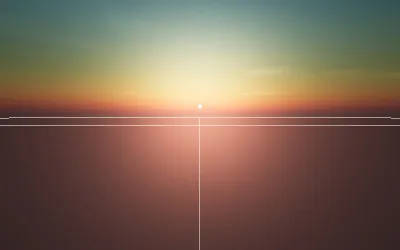
three.js example: webgl_shaders_sky · Ricardo Cabello (mrdoob) · Source -
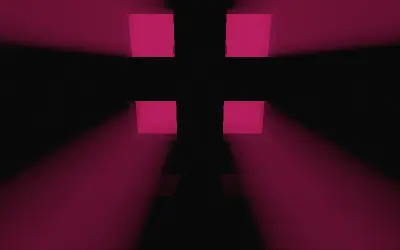
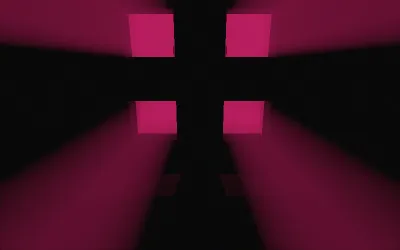
three.js example: webgl_postprocessing_godrays · Ricardo Cabello (mrdoob) · Source -

three.js example: webgl_volume_cloud · Ricardo Cabello (mrdoob) · Source -

three.js example: webgl_gpgpu_birds · Ricardo Cabello (mrdoob) · Source -
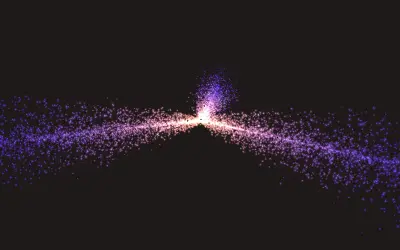
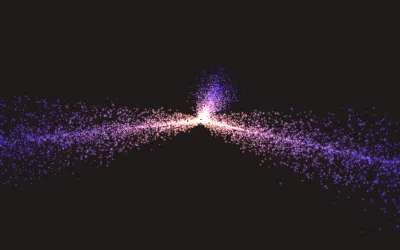
three.js example: webgpu_tsl_galaxy · Ricardo Cabello (mrdoob) · Source -
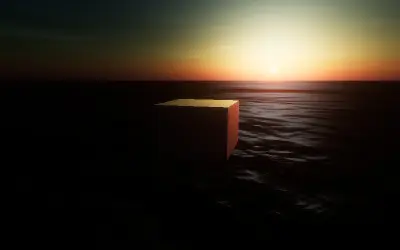
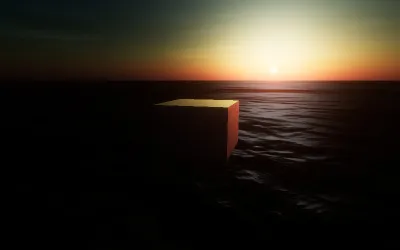
three.js example: webgpu_ocean · Ricardo Cabello (mrdoob) · Source -
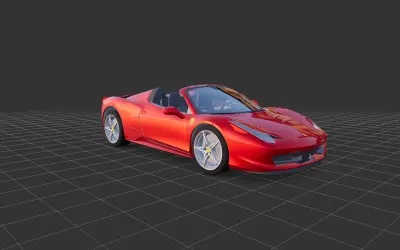
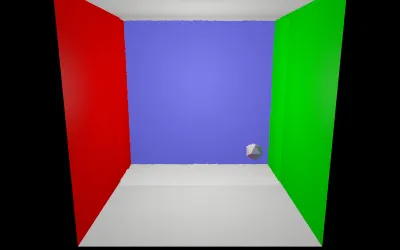
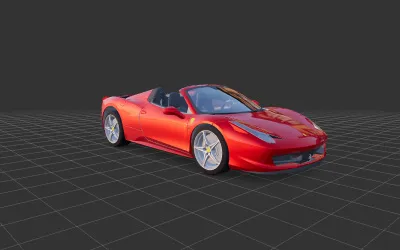
three.js example: webgl_materials_car · Ricardo Cabello (mrdoob) · Source -
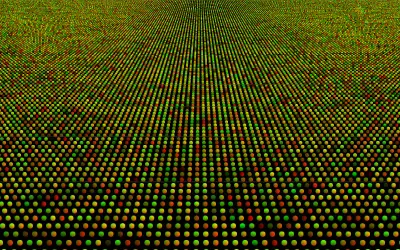
three.js example: webgpu_compute_particles · Ricardo Cabello (mrdoob) · Source -
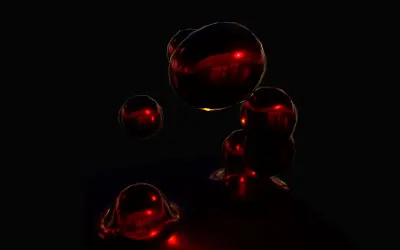
three.js example: webgl_marchingcubes · Ricardo Cabello (mrdoob) · Source




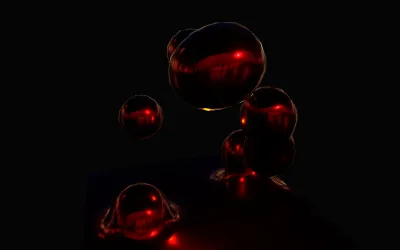
Bruno Simon

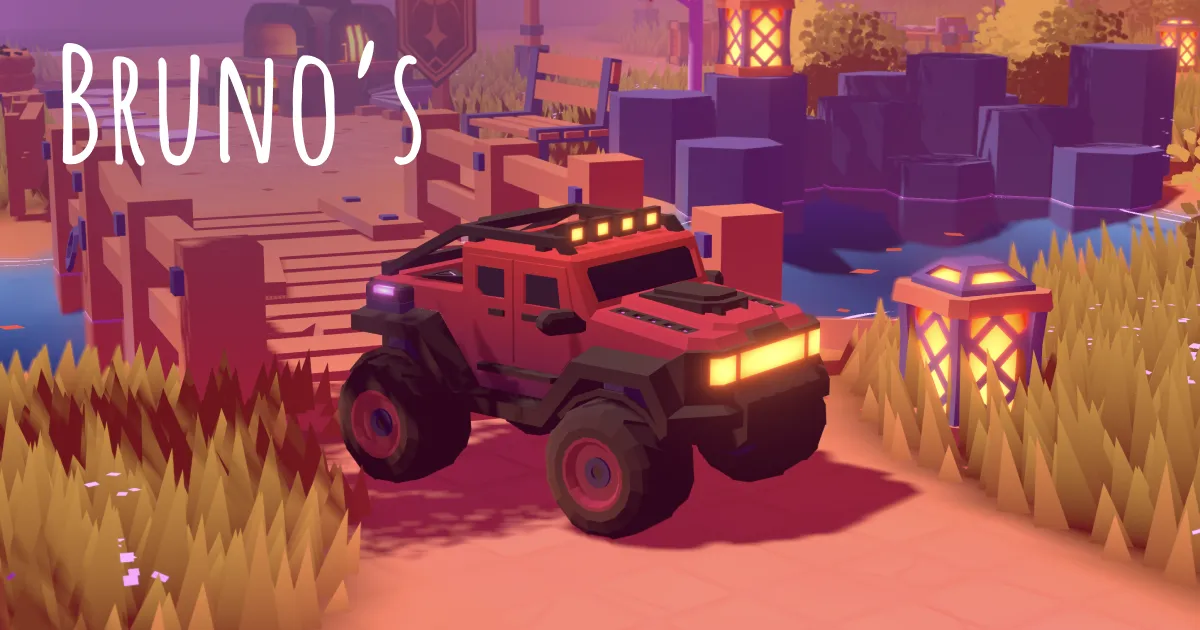


Active Theory
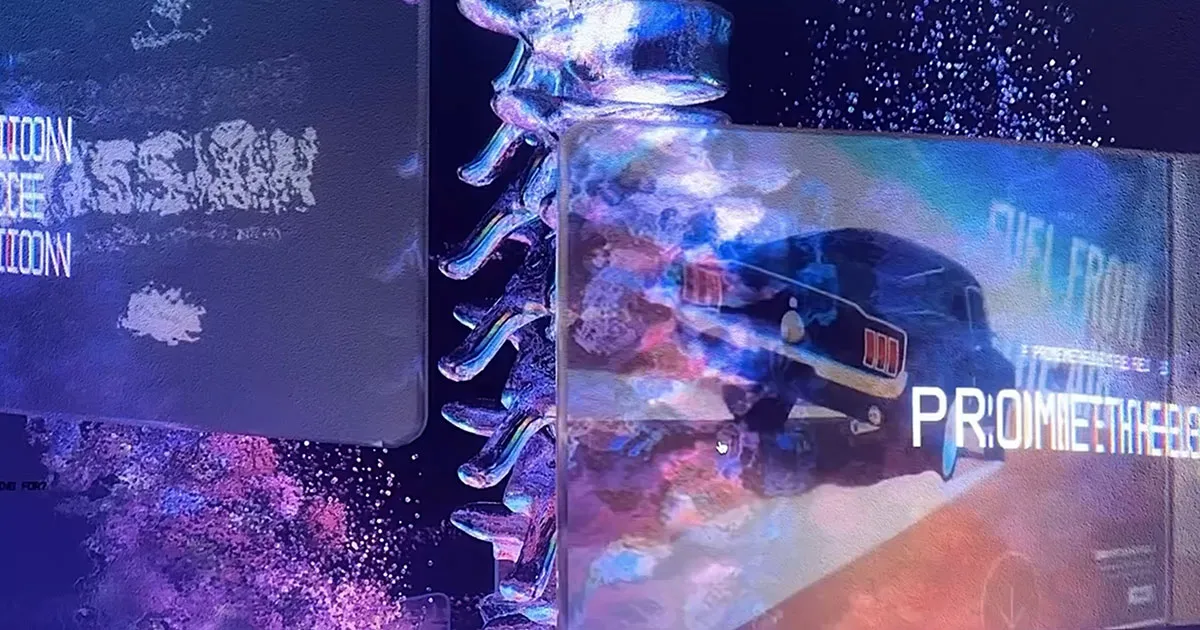
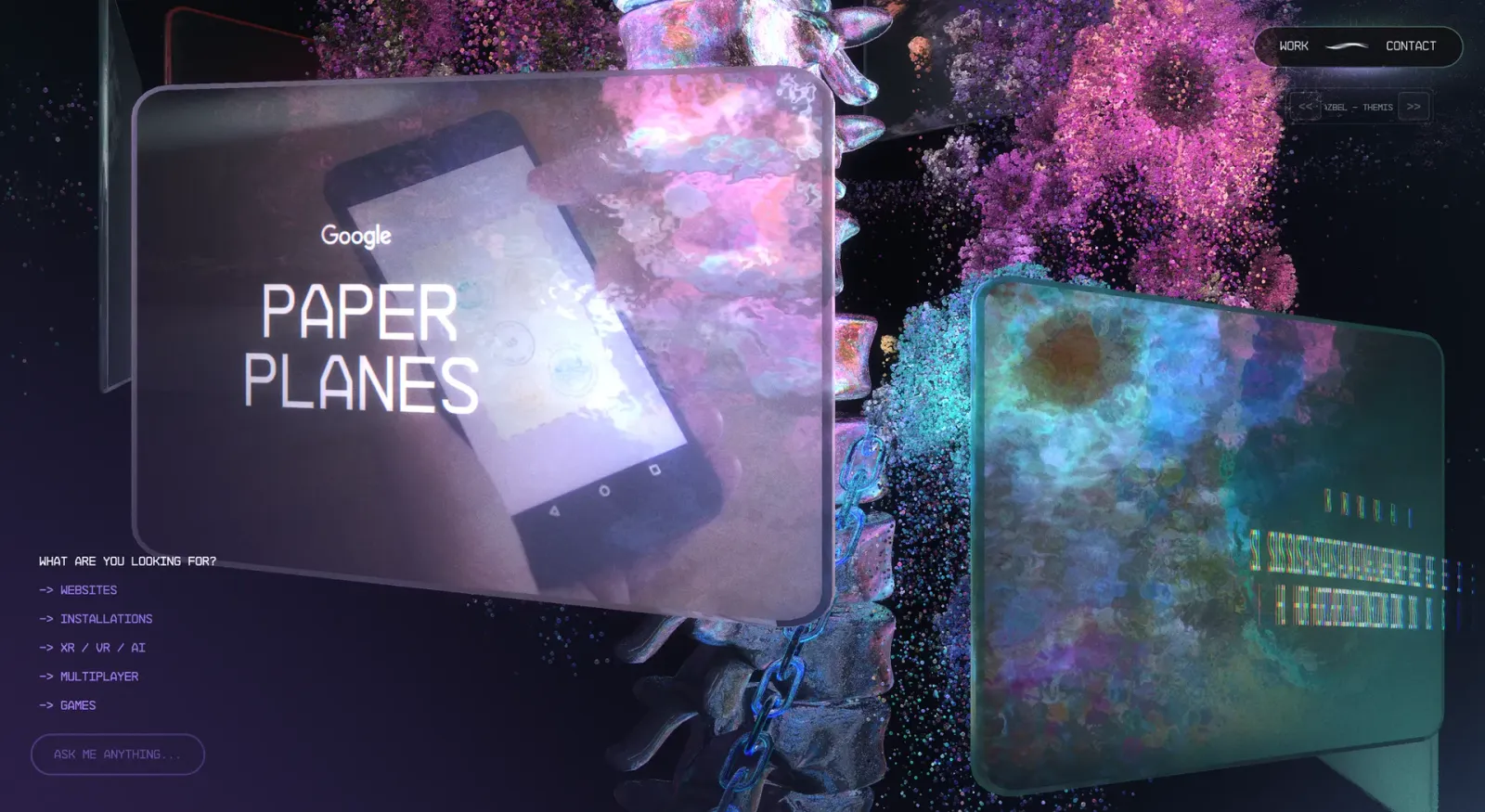
Robin Payot
-
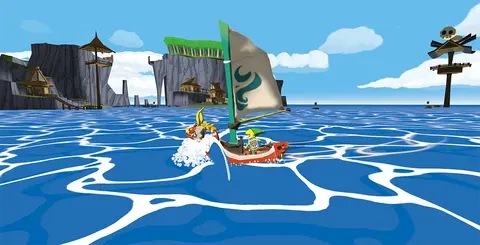
Wind Waker.js · Robin Payot · Source
Yuri Artiukh (akella)

Aristide Benoist
-
Aristide Benoist — Portfolio · Aristide Benoist · Source

Techniques
- fragment & vertex GLSL shaders
- raymarching / signed distance fields
- GPGPU / FBO particle simulation
- post-processing chains (bloom, dithering, color grading)
- matcap shading
- instanced meshes
- scroll-driven camera & scrollytelling
- audio-reactive shader uniforms
- physics-based interaction
- frame-locked capture for video export
- WebGPU compute & TSL node materials
- render-target / ping-pong feedback buffers
- vertex displacement & mesh distortion
- draco / meshopt glTF geometry compression
- deferred / baked global-illumination via custom matcaps
Tools
- Three.js
- WebGL / WebGL2
- WebGPU
- GLSL / TSL
- React Three Fiber + drei
- OGL
- Babylon.js
- GSAP / Lenis
- CCapture.js
- PlayCanvas
- gltfjsx
- Theatre.js
- Spline
- Spector.js
- Blender
What to take from it
Fake the light with a matcap
You rarely need real lights. A single pre-lit sphere texture (matcap) sampled by surface normal gives believable shading and highlights for almost free — the look behind Bruno Simon's whole world. Reach for real lights only when objects must move relative to a light source.
Let input drive the camera, not a cut
Instead of edited shots, bind scroll position or pointer to camera and material uniforms so the 'edit' happens continuously under the viewer's hand. The frame is never recorded, so every visit is a slightly different take — design the easing, not the timeline.
Decompile award sites to learn
The fastest curriculum is naming a single effect on a winning site (a bulge distortion, light rays, refraction) and rebuilding just that in isolation with a fragment shader — the Codrops/akella method. One isolated effect at a time beats cloning a whole scene.