Atlas
Atlas indexHoudini Procedural FX / Simulation Spectacle
Build the rule, let physics make the picture.
- houdini
- procedural
- simulation
- vex
- flip-fluids
- pyro-fx
- vellum
- rigid-body-destruction
What it is
A node-based, procedural school of digital image-making built on SideFX Houdini, where fire, water, smoke, sand, cloth and shattering matter are authored as solver networks and VEX rather than hand-keyed frames. The craft prizes scalability and reproducibility: an artist tunes parameters and the simulation recomputes, so a single graph can yield thousands of variations. Spans blockbuster destruction/elemental VFX and the generative, organic 'sim as motion design' lineage that pushed Houdini beyond pure spectacle.
How it is made
Solver networks over keyframes
Work lives in node graphs — SOPs for geometry, DOPs for dynamics — where a chosen solver (Pyro for fire/smoke, FLIP for liquids, Bullet RBD for fracture, Vellum for cloth/grain/soft tissue, MPM for snow/mud/sand) steps physics across substeps. Change an input upstream and the whole result recooks, making iteration the core medium.
Voxels, points and VEX
Smoke and fire are voxel fields; liquids and granular matter are particles meshed to surfaces; destruction is fractured packed primitives. Artists write VEX (and Python) to drive custom forces, micro-solvers and emission, treating each setup like a small experiment in applied math and physics.
Cache, mesh, render
Heavy sims are cached to disk, converted (VDB volumes, particle-to-surface meshing) and handed to renderers like Karma, Mantra, Redshift or Octane. Multi-solver setups let fluids, grains, cloth and rigids interact in one environment for physically coupled results.
Where it comes from
PRISMS to Houdini (1987–1996)
Kim Davidson and Greg Hermanovic built the procedural toolset PRISMS at Side Effects Software in 1987; it evolved (via the 'Sage' beta) into Houdini 1.0, announced at SIGGRAPH 1996. Procedural, node-based thinking was the founding idea, not a later add-on.
The solver decade
Dynamics matured fast: RBD/cloth/wire in 2005, fluid dynamics in 2007, PyroFX in Houdini 10 (2009), FLIP Fluids in Houdini 11 (2010), Bullet rigid bodies in Houdini 12 (2012), then Vellum and the crowd tools. Houdini became the studio default for hero elemental and destruction shots.
Sim as motion design
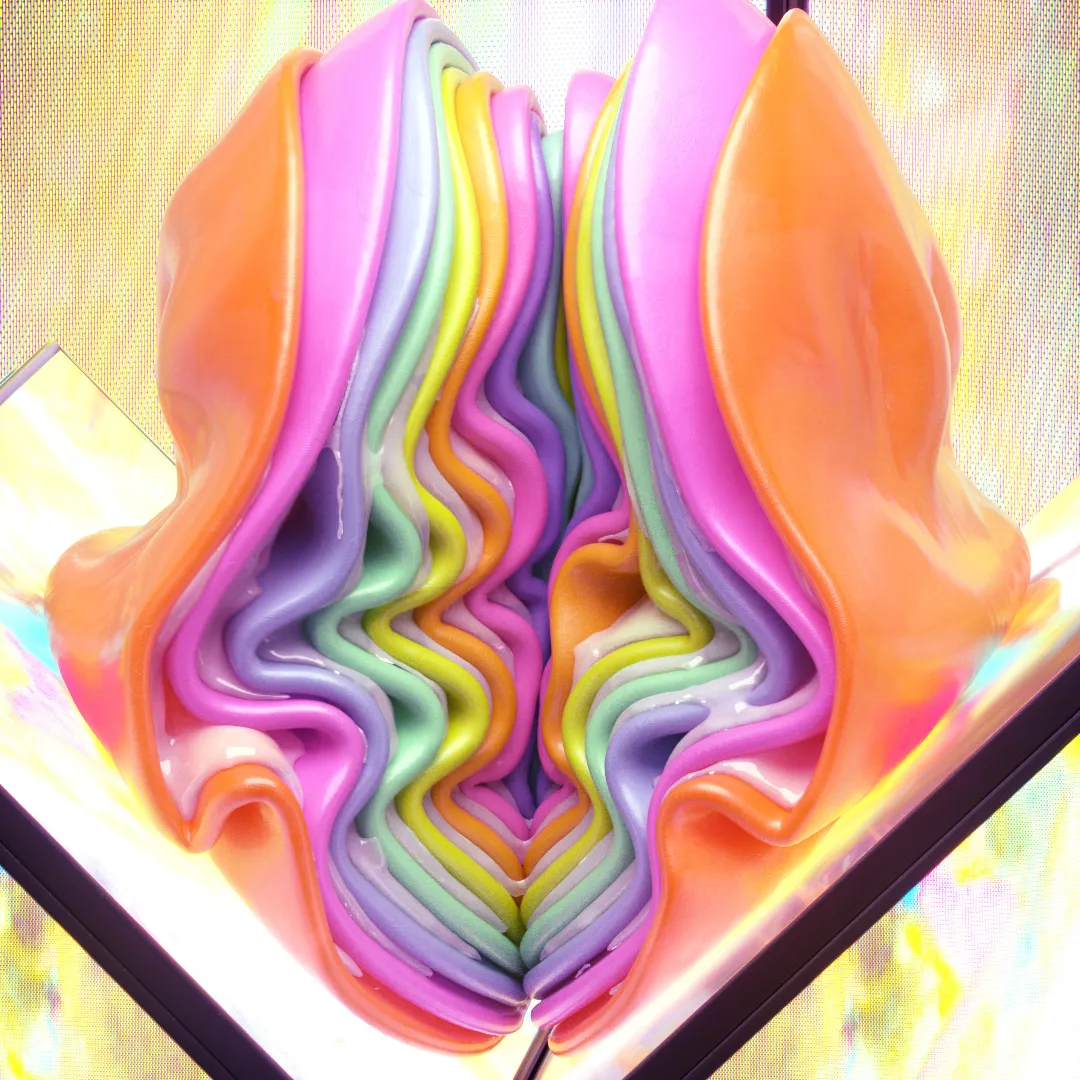
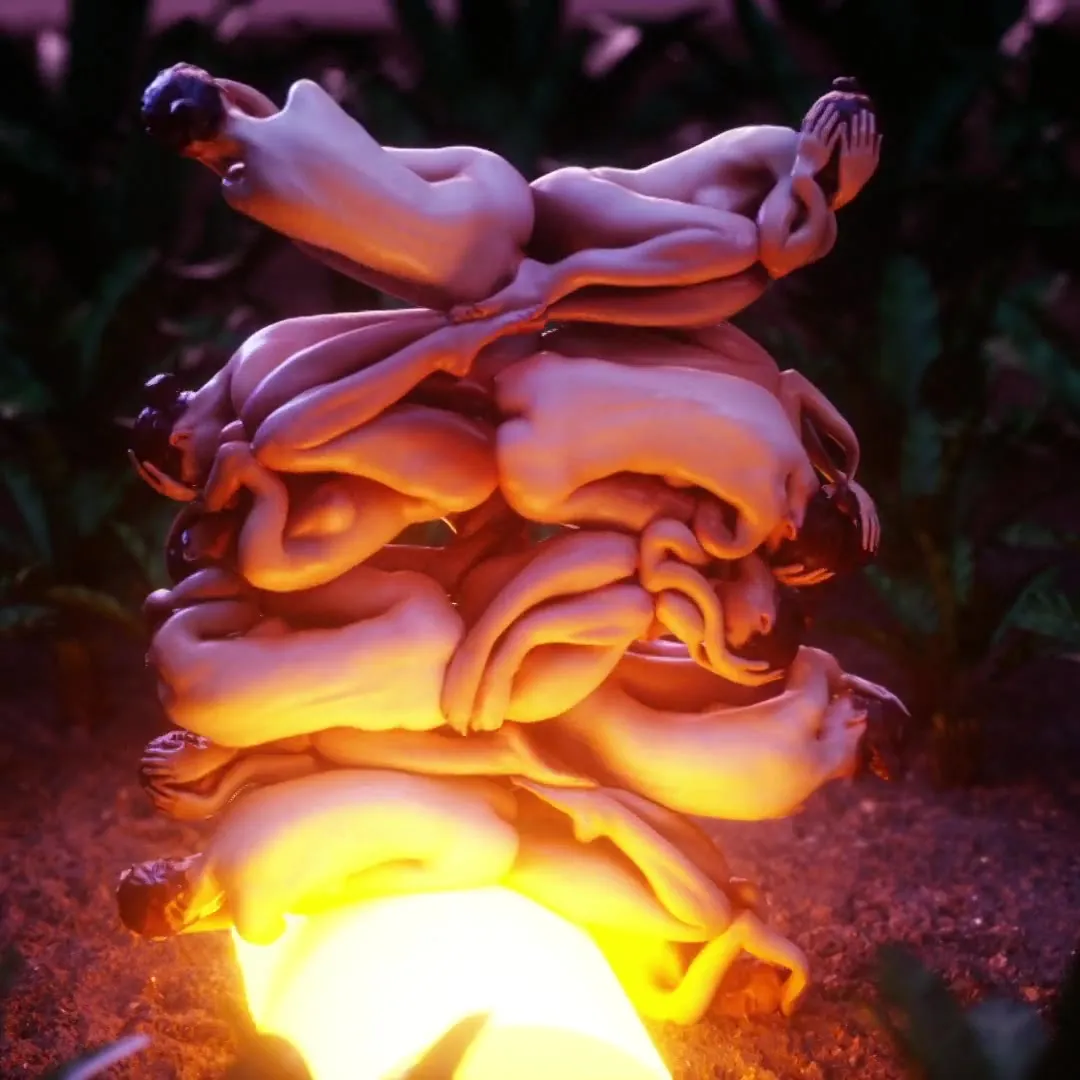
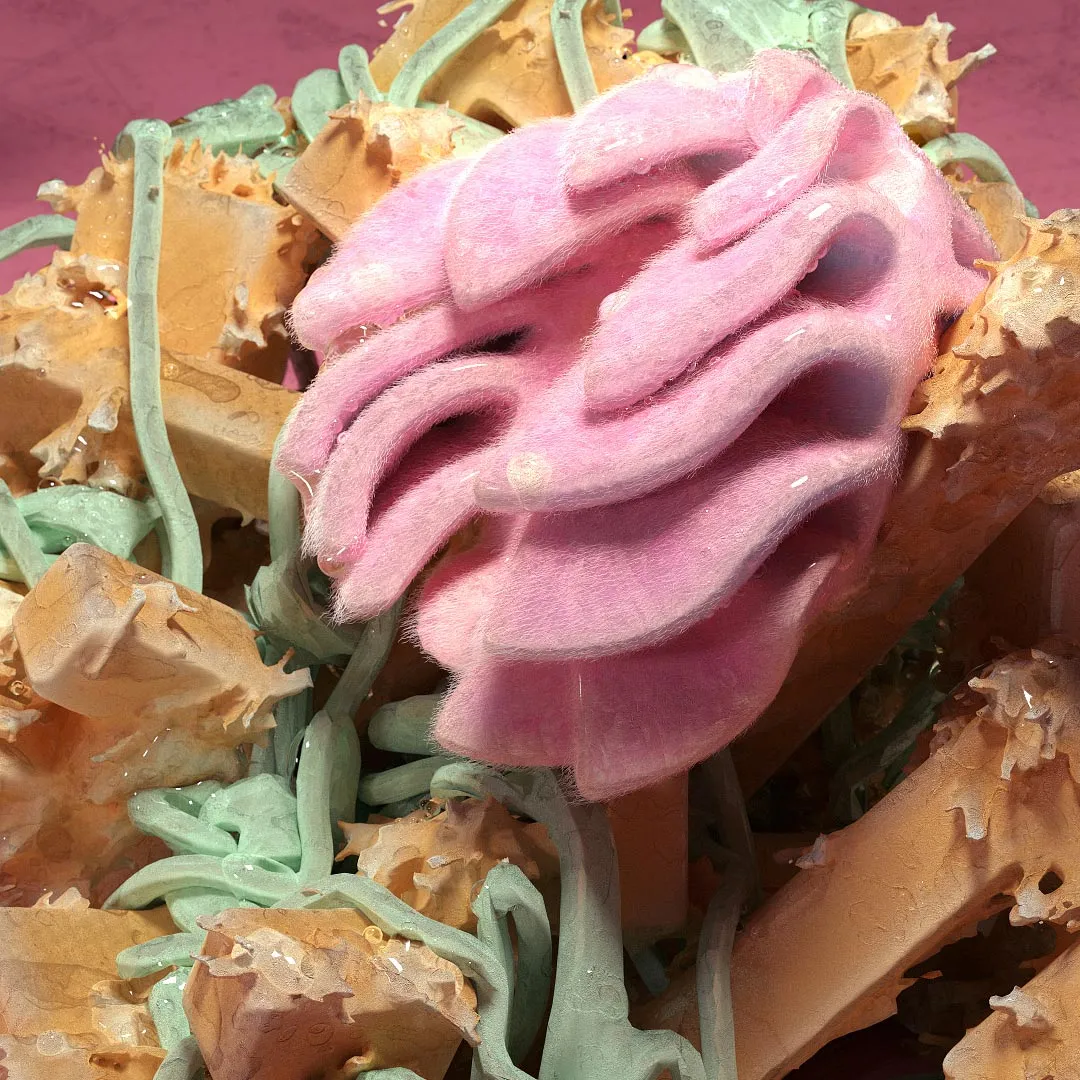
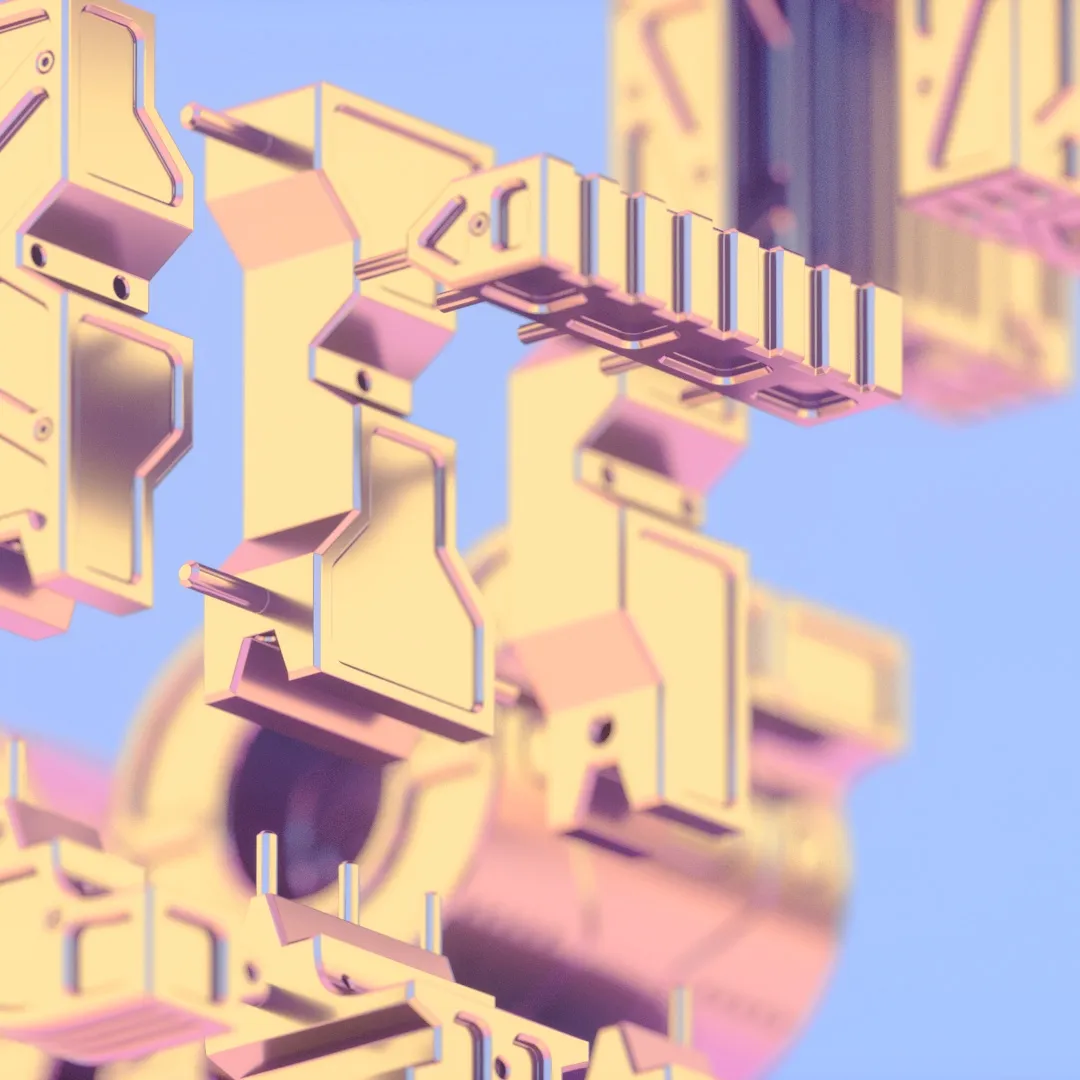
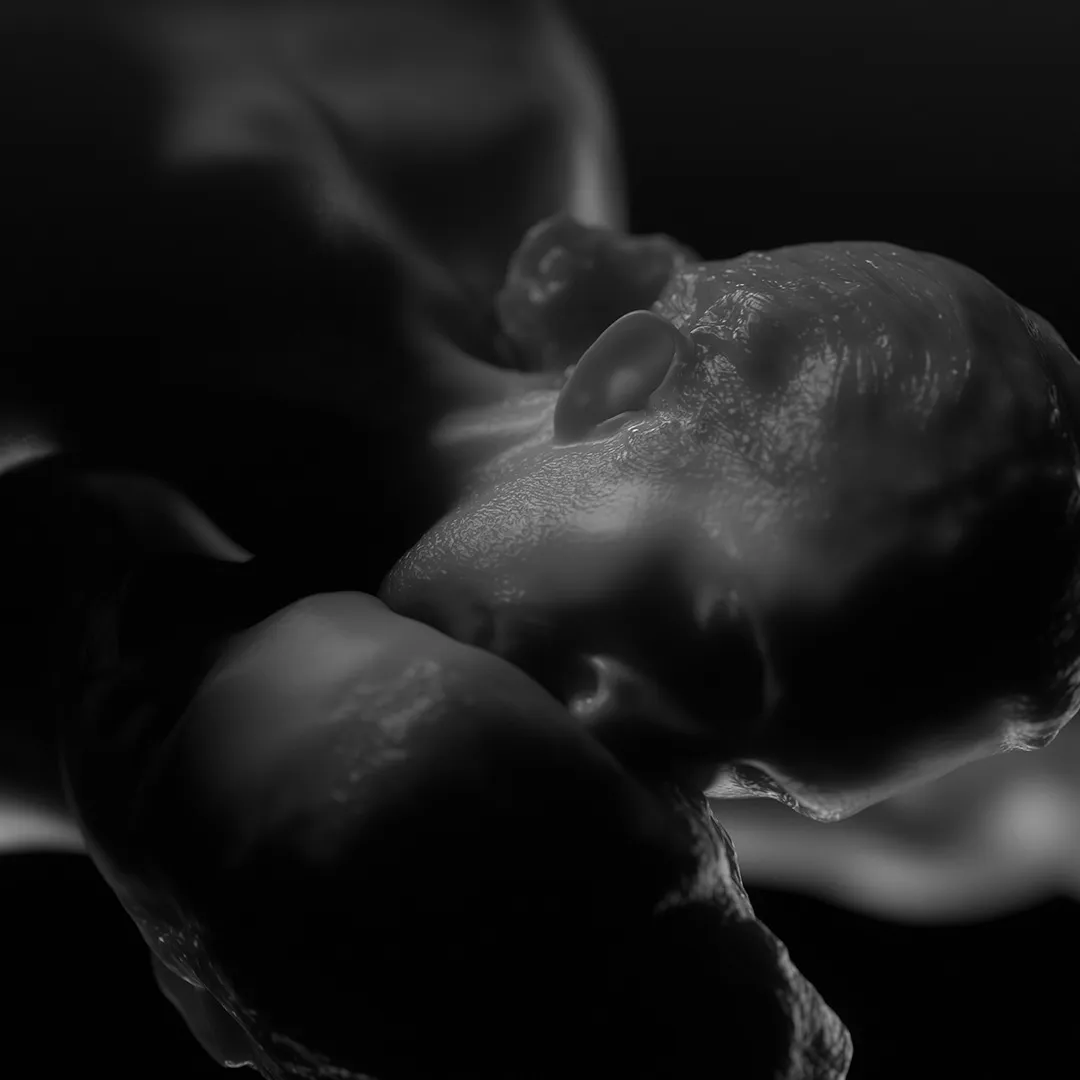
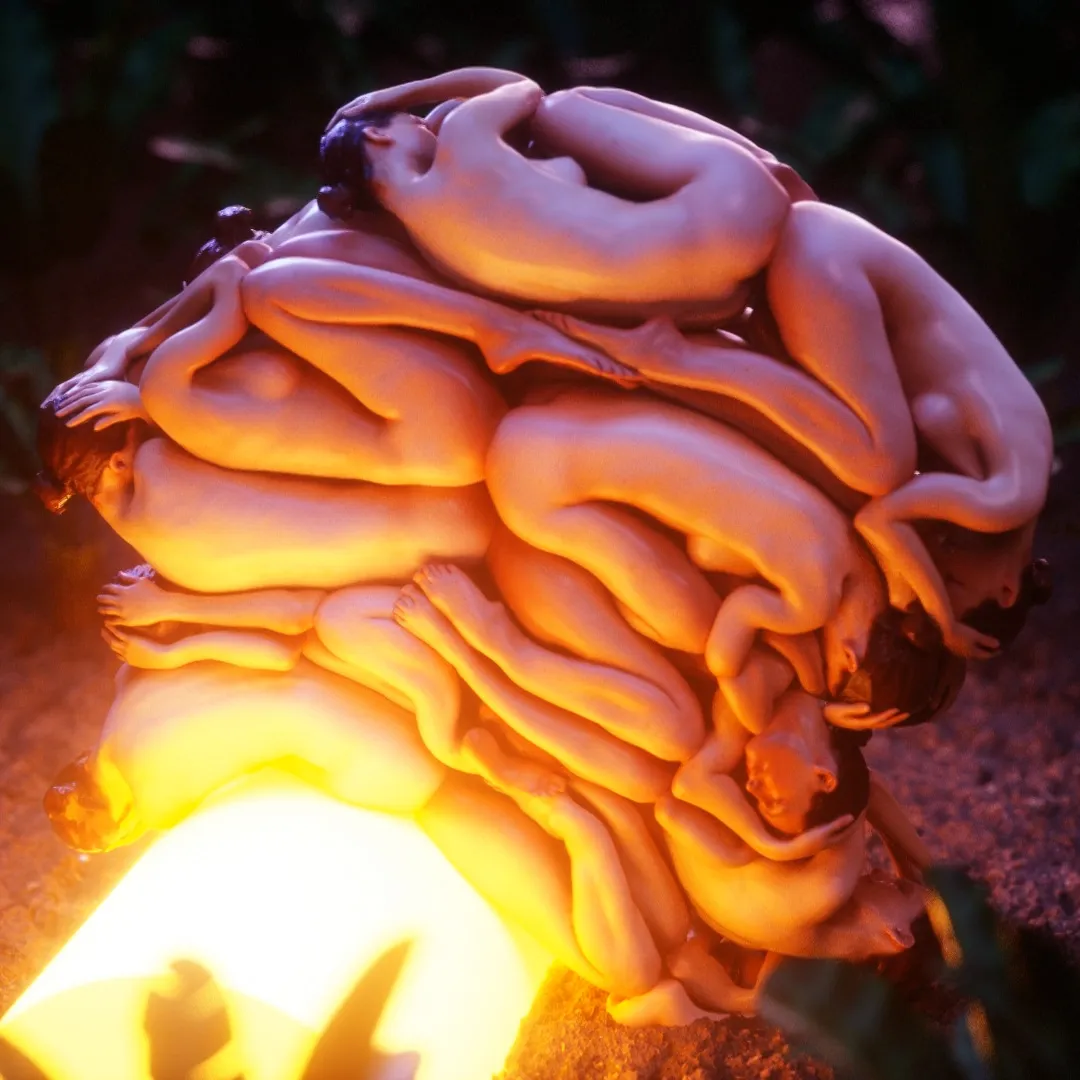
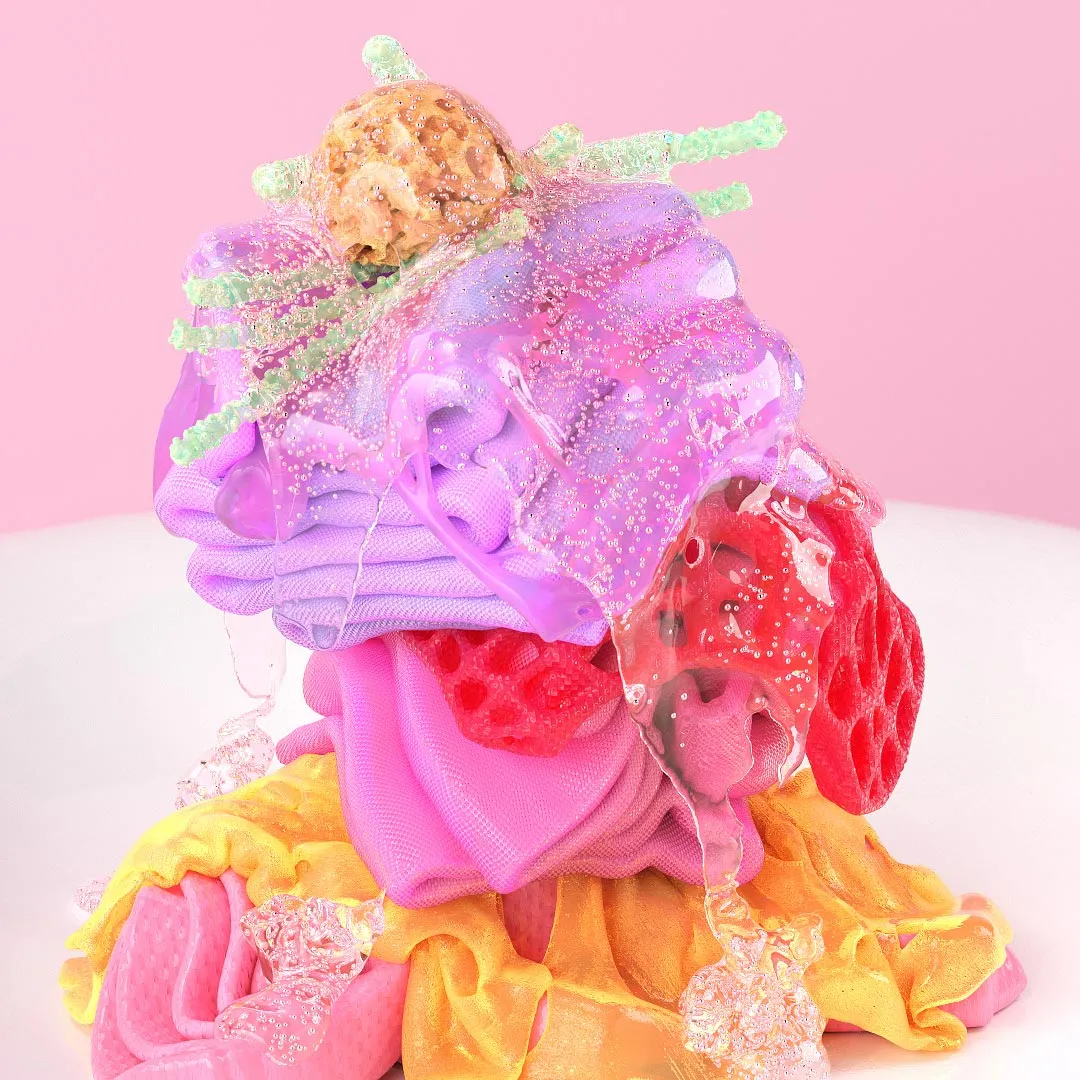
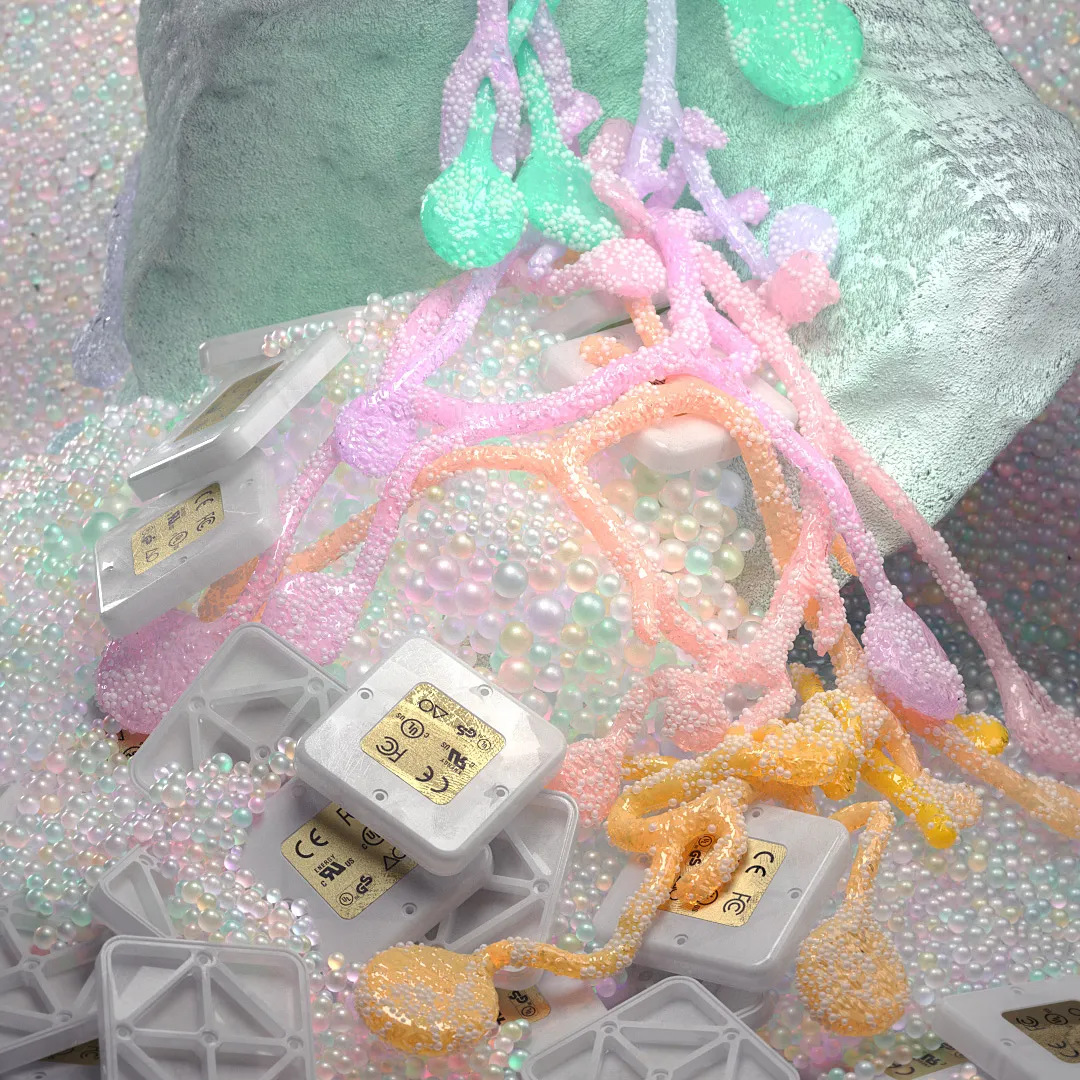
In the 2010s a wave of artists pulled Houdini out of pure VFX into generative, organic motion design — fleshy grain/FLIP forms and procedurally 'grown' structures — proving the same solvers could make abstract, designed imagery, not just realistic spectacle.
Artists
-
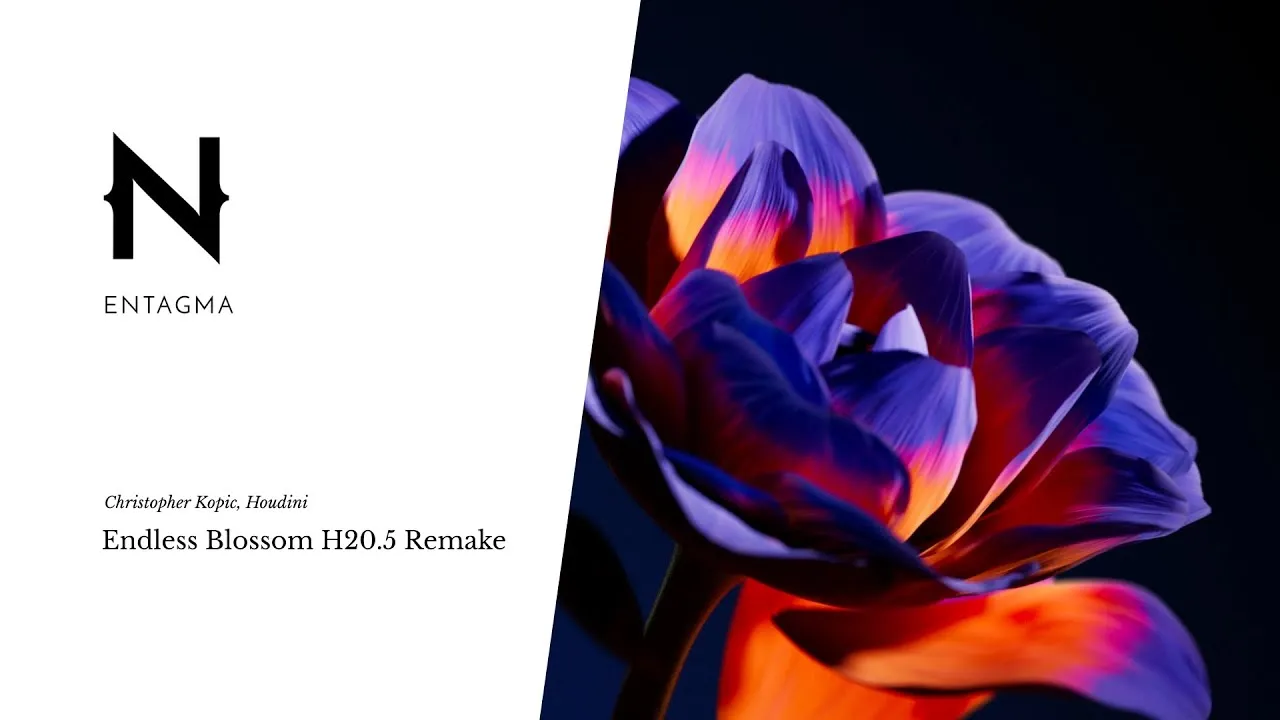
Endless Blossom (procedural growth, H20.5 remake); Smol MPM falling-snow study; FLIP bubble add-on; MPM postprocessing workflows; Dividing Cell Grid; 'Houdini in Five Minutes' course
German tech-art duo (Manuel Casasola Merkle & Moritz Schwind) who teach the deep end of procedural Houdini — math, physics and bioinformatics algorithms turned into generative form via MPM, FLIP, Vellum and VEX.
-
Cognition; Arashi Nectar; Entangle; Forms; Omoshiroi Kuchi; Cost to Consume; Pure Texture; Plug Party 2k3
Computational designer whose FLIP-and-VDB organic, fleshy simulations pulled Houdini's solvers into motion design beyond conventional VFX.
-
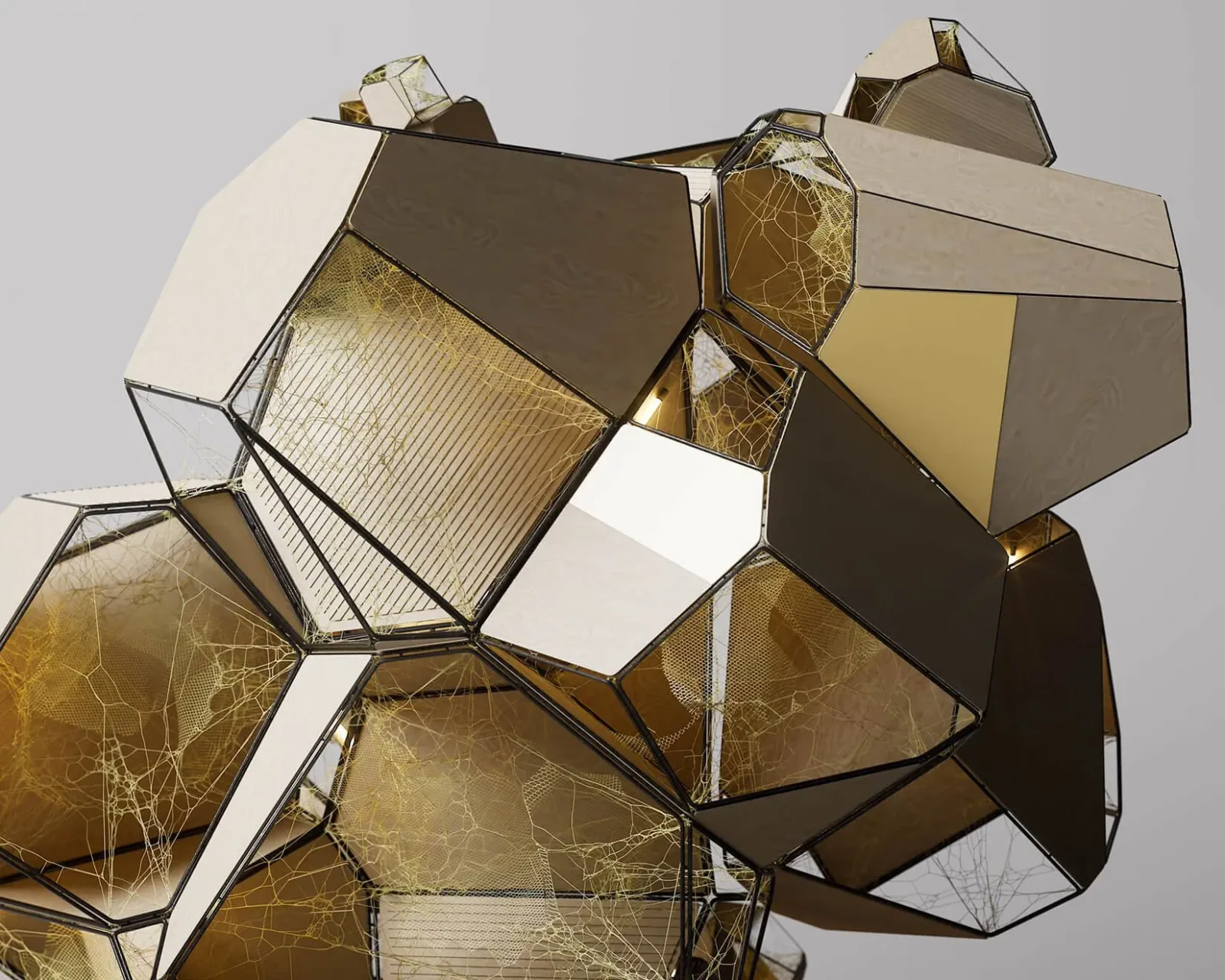
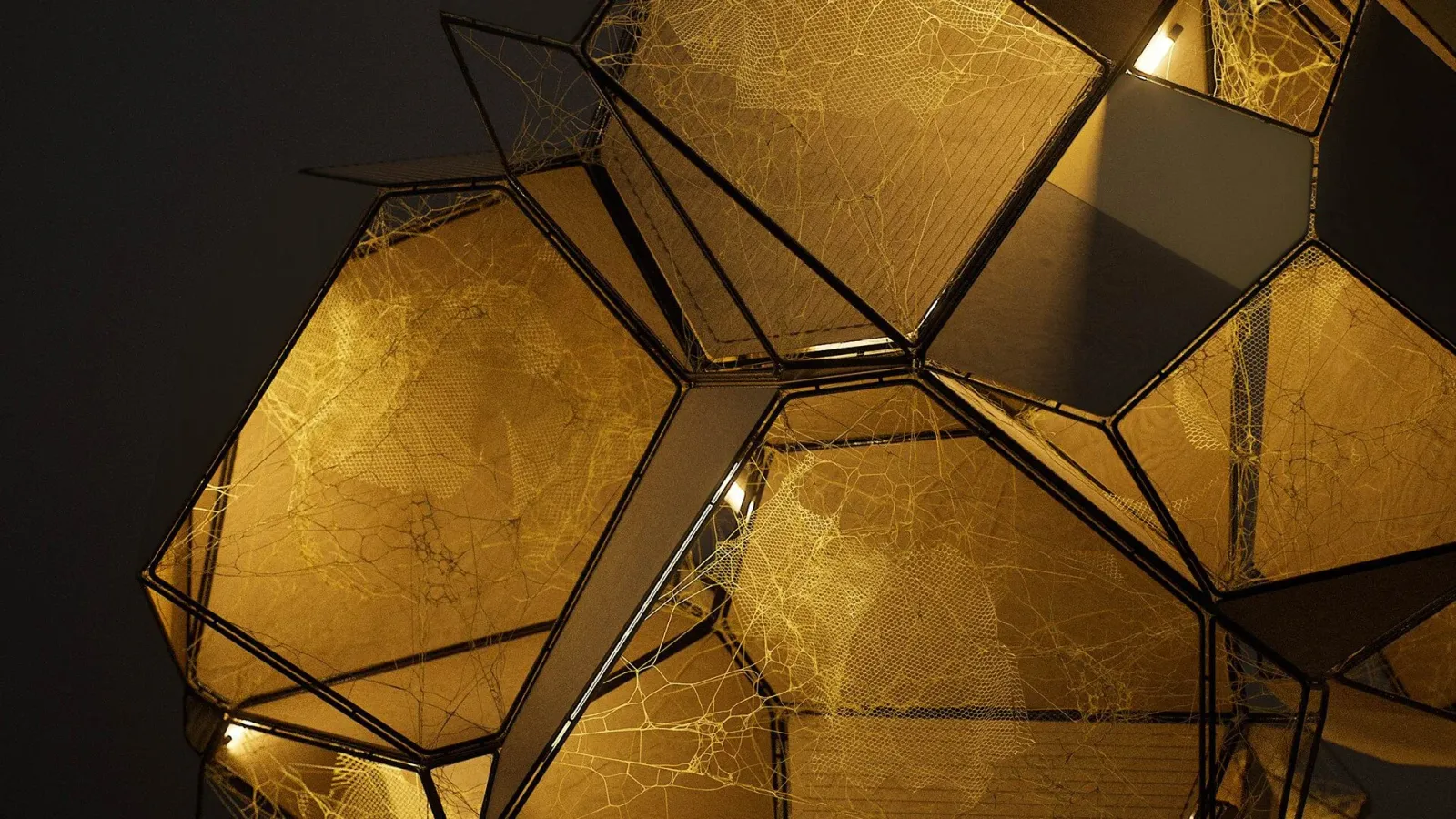
Us By Night Titles (2017, fully generative); Superstructures #01/#02; Versus (Nature vs Structure, 2016); Tide (2019); vor (Panoply Curiosity, 2022)
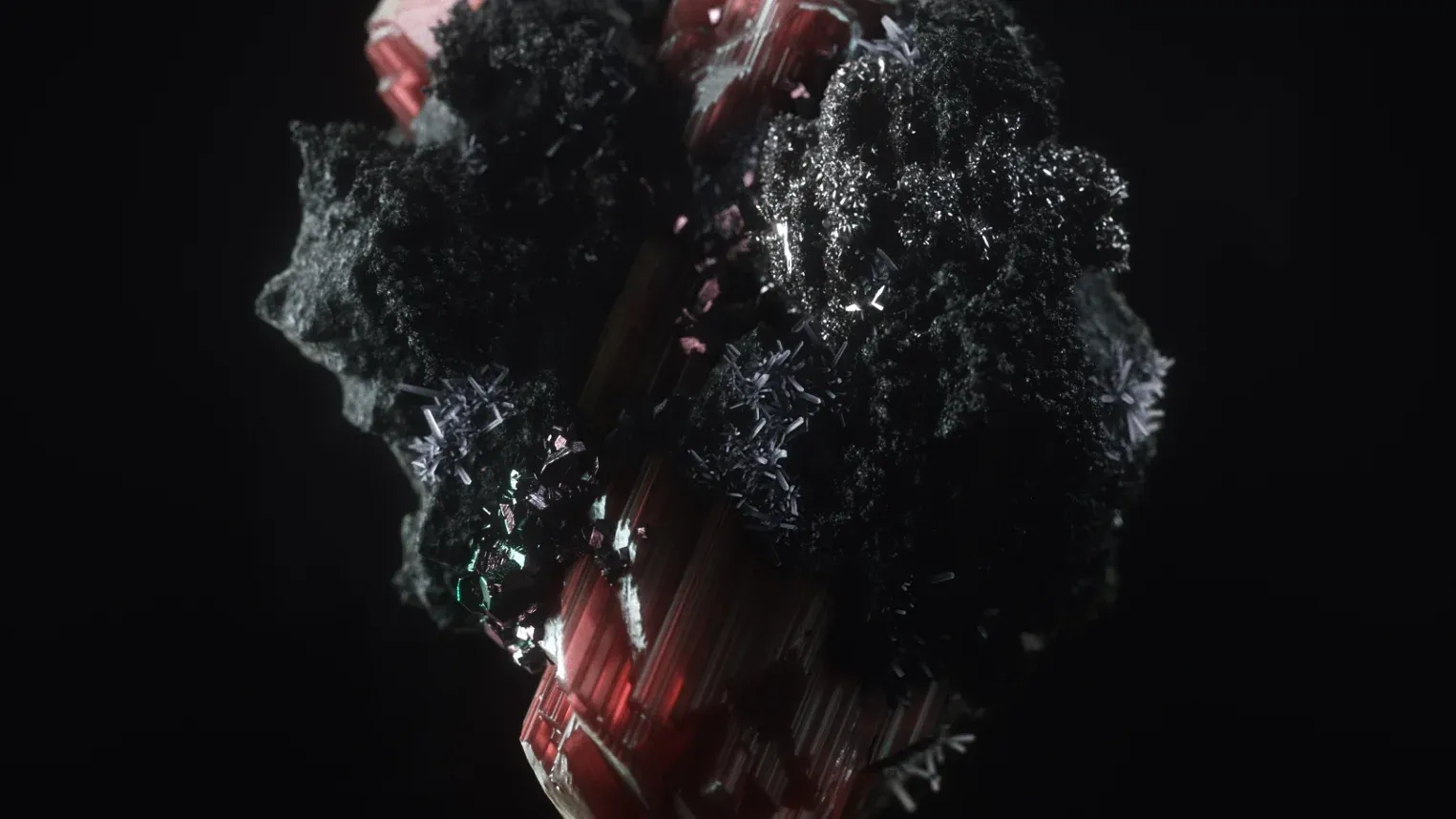
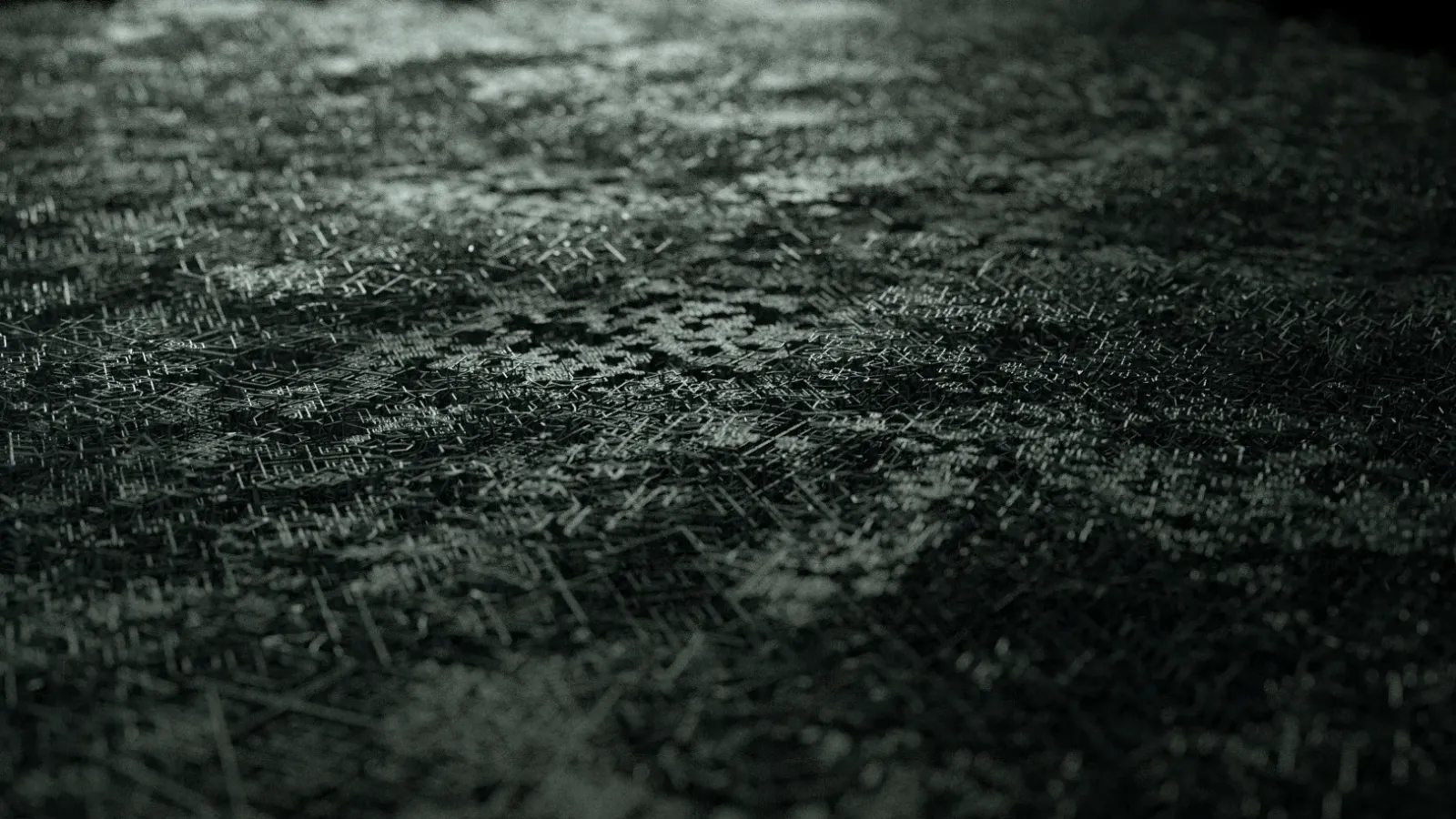
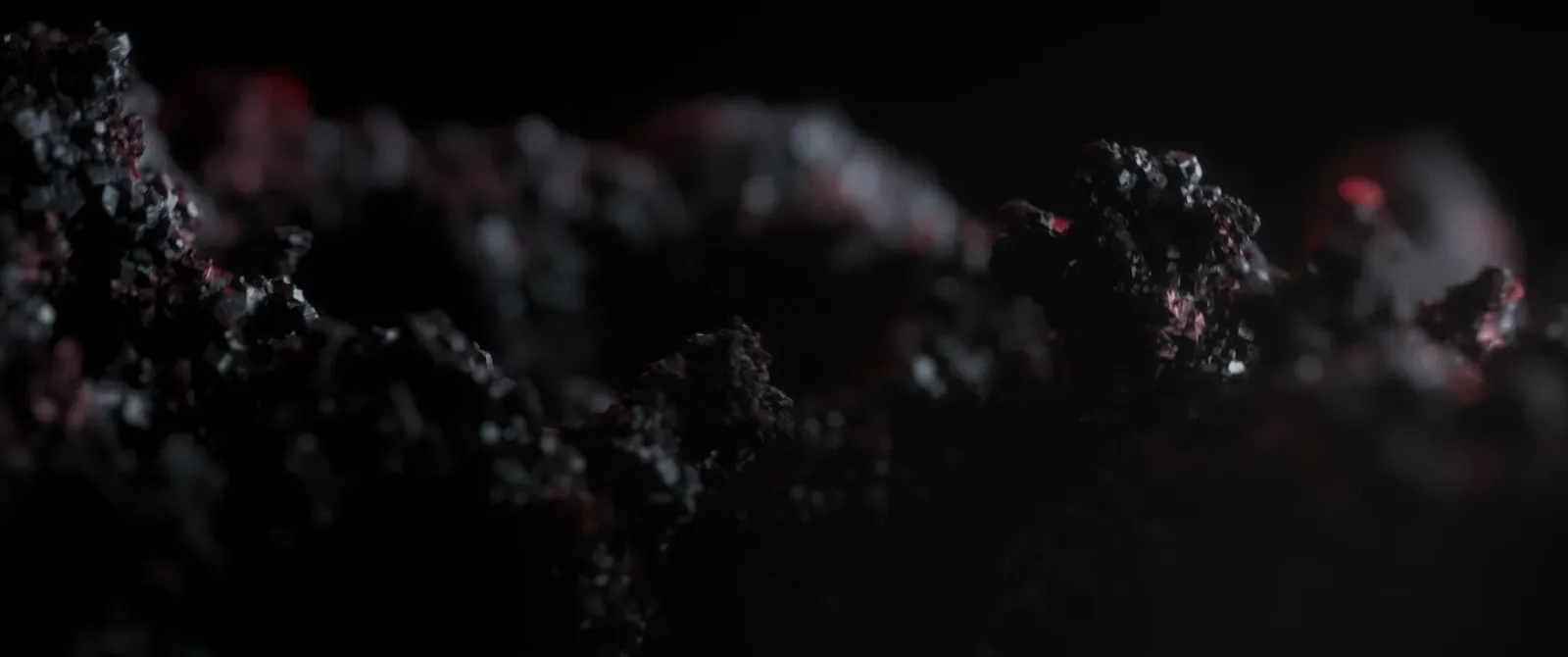
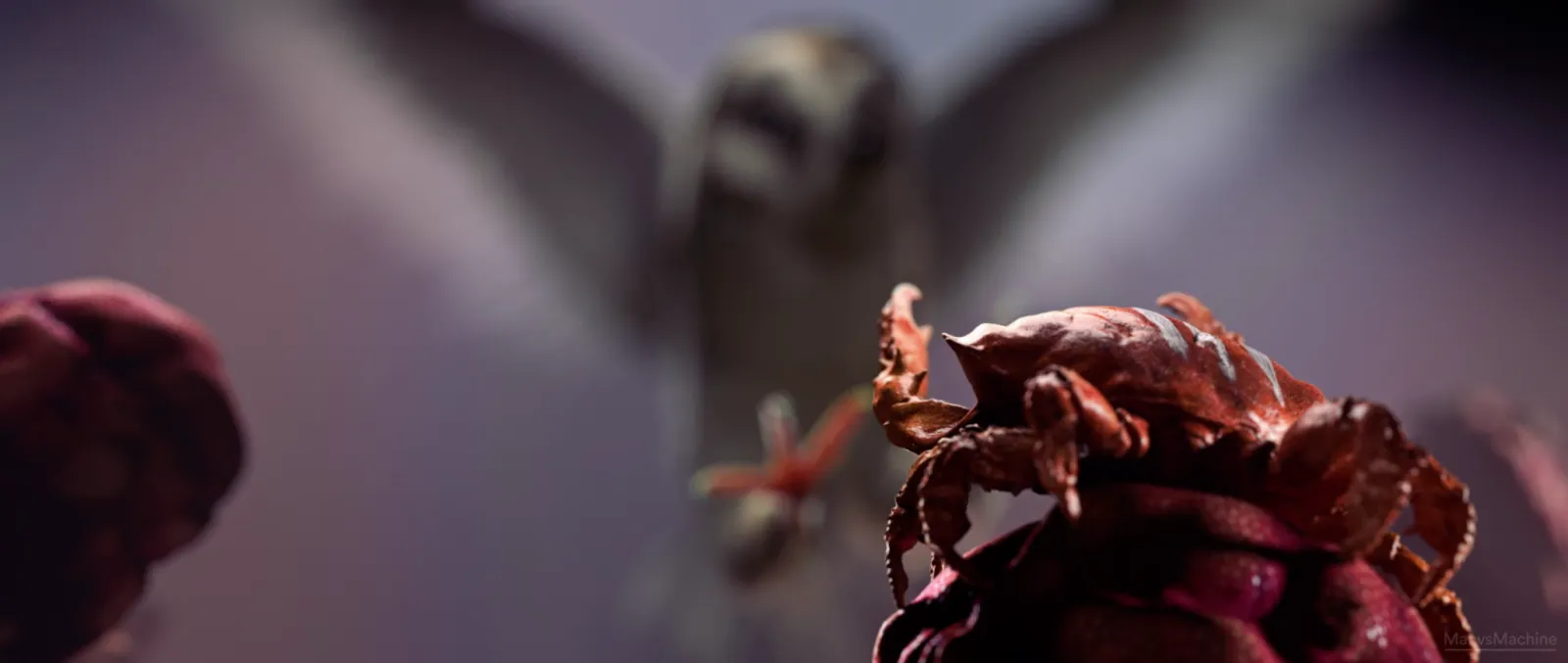
Norwegian technical director (ex-ManvsMachine, now Panoply) known for self-built solvers and films that grow procedurally from a seeded 'DNA'.
-
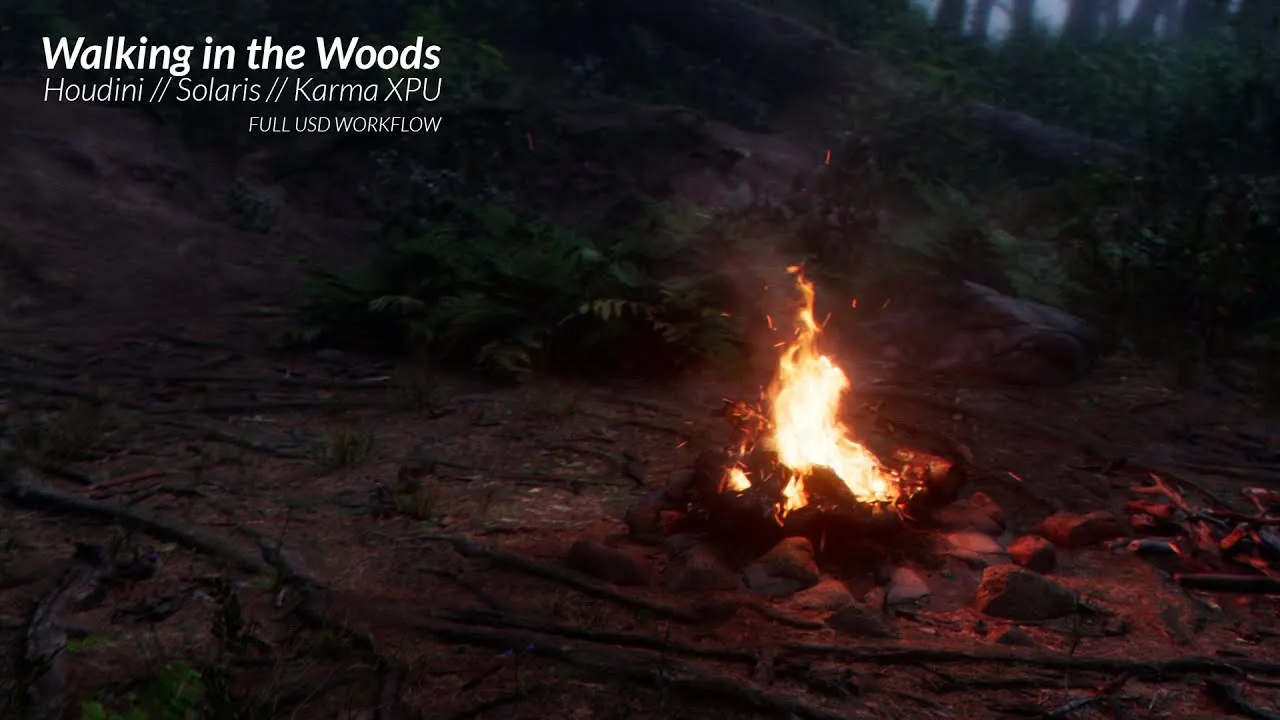
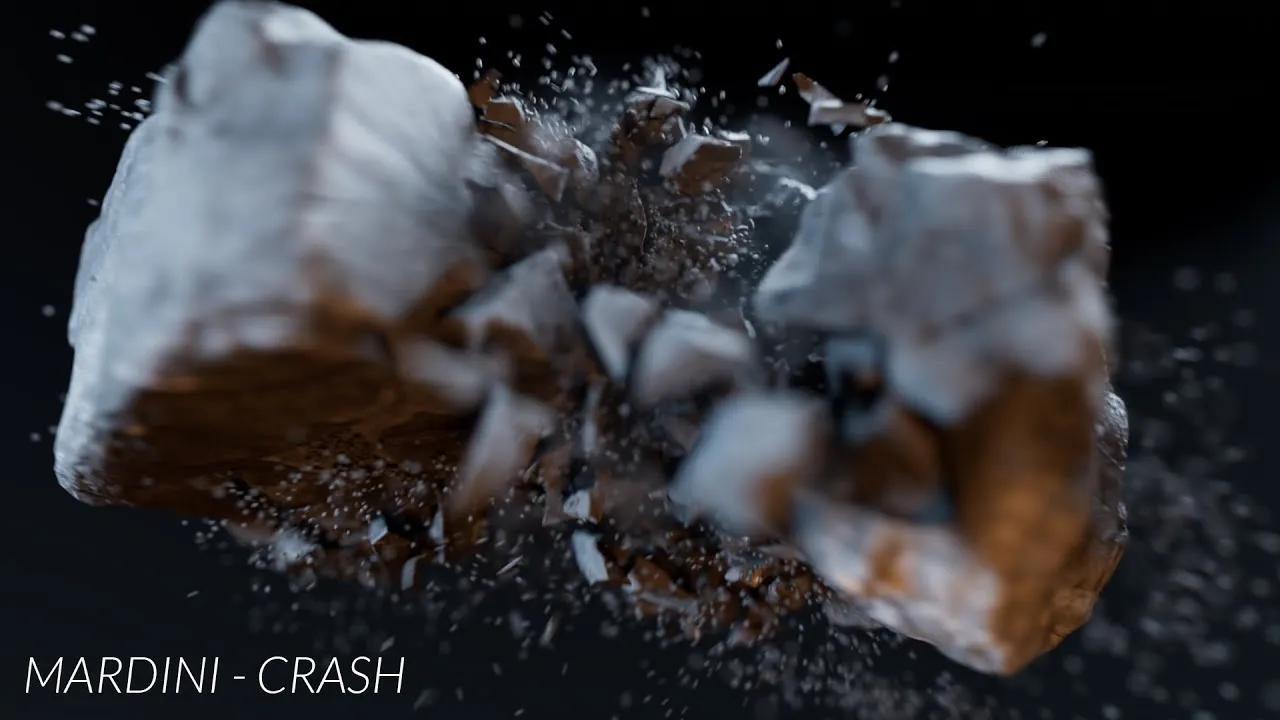
PyroFluid - Master the Elements (2020); Walking in the Woods (Solaris/Karma XPU); Shattering a Lightbulb (Vellum+RBD); Mardini CRASH; Snow Trails custom solver; VDB Advection solver series
Dutch freelance Houdini FX artist and CG generalist whose personal work pushes solver-to-solver data transfer — pyro morphing into FLIP, hand-built VDB/particle solvers, Vellum-and-RBD destruction.
-
Entagma co-founder; differential-growth and reaction-diffusion VEX setups; generative geometry / point-advection systems
Co-founder of Entagma and motion-design veteran (Aixsponza) who specialises in turning mathematical systems — growth, advection, noise fields — into Houdini node networks for designed, non-realistic simulation.
-
Applied Houdini tutorial series (Rigids, Particles, Volumes, Liquids); ILM destruction on Avengers: Endgame, Rogue One
ILM rigid-body destruction TD whose Applied Houdini series teaches production fracture, particle and pyro workflows from the math up.
-
Adaptive FLIP solver R&D; Platige Image water FX (Skull and Bones, Ghost Recon Wildlands); Rebelway Water FX course
Serbian water-FX specialist who builds large-scale FLIP liquid, river and whitewater sims and beta-tests SideFX's fluid tools.
-
Pyro explosion and shrapnel sims; Man in the High Castle nuclear-blast destruction; co-founder of Rebelway
FX TD focused on pyro explosions and destruction who co-founded the Rebelway Houdini school.
-
rohandalvi.net Houdini training — particles, procedural modeling, Vellum, fluids; free YouTube tutorials
Indian Houdini trainer whose project-based tutorials cover particles, Vellum, fluids and procedural setups for newcomers.
-
Founder of CG Forge — Houdini For The New Artist, plus pyro, fluids and dynamics courses
Founder of the CG Forge Houdini school, teaching dynamics, pyro and fluids through short project-driven courses.
-
PQ Houdini Tutorial channel (2009 onward) — dynamics, fluids, particles, procedural setups
Maker of the PQ Houdini tutorials, one of the earliest free video series teaching Houdini dynamics and procedural setups.
-
Houdini Algorithmic Live (weekly livestream series, 130+ episodes); Nature/Code/Drawing plotter-and-AR exhibition (2022); 'Parametric Design with Grasshopper' (book)
Tokyo algorithmic designer who livestreams Houdini as pure algorithm — growth systems, multi-joint procedural animation and ferrofluid built node-by-node in front of an audience.
-
Houdini (1996–); PRISMS; the Pyro, FLIP, Vellum, Bullet RBD and MPM solvers; Solaris/USD; Karma renderer; free Houdini Apprentice
Toronto developer (Kim Davidson & Greg Hermanovic) whose node-based application is the medium itself — every solver and the VEX language this school runs on ship from here.
-
Toadstorm Nodes / MOPs (Motion Operators, open-source procedural-motion toolset, with Moritz Schwind); production FX TD work; deep VEX and Python tutorials
Los Angeles FX TD and co-author of MOPs, the open-source toolset that lets motion designers drive Houdini procedural placement and animation without writing VEX from scratch.
Frames
Entagma
Albert Omoss
-
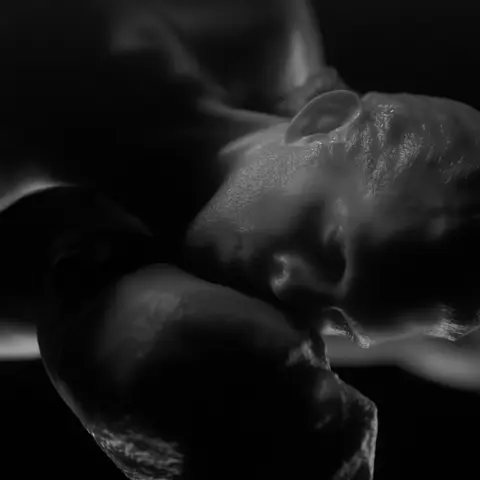
Entangle · Albert Omoss · Source · Watch the film -
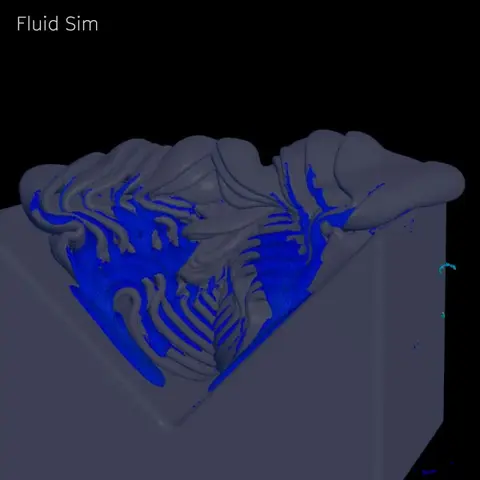
Arashi Nectar · Albert Omoss · Source · Watch the film -
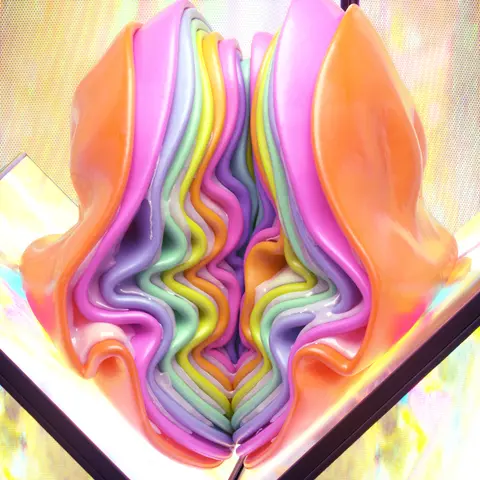
Arashi Nectar · Albert Omoss · Source -
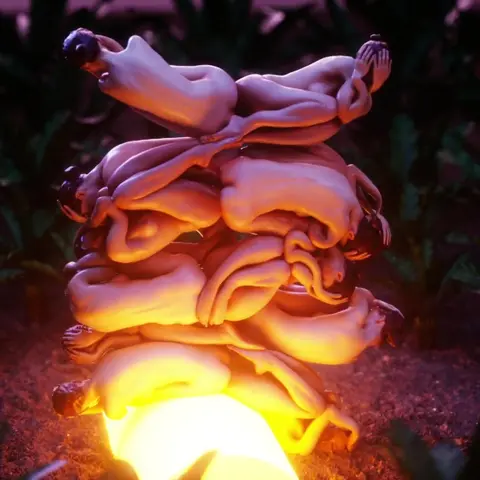
Forms · Albert Omoss · Source · Watch the film -
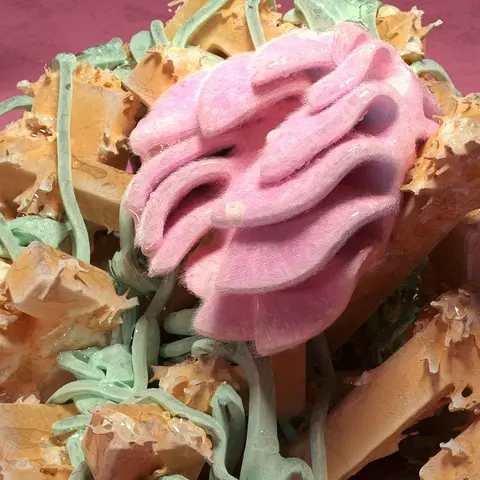
Pure Texture · Albert Omoss · Source -
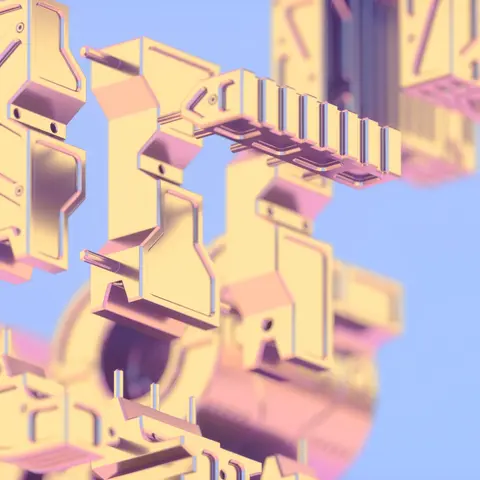
Cognition · Albert Omoss · Source -
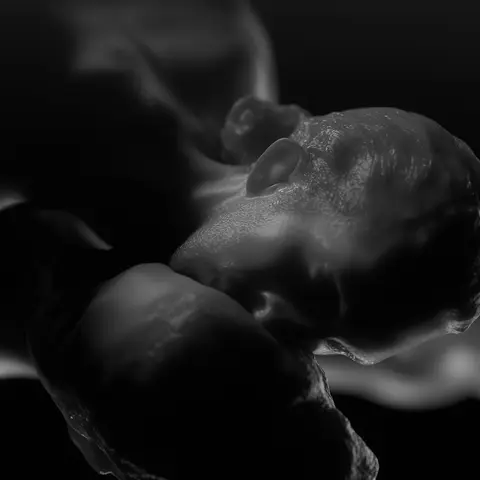
Entangle · Albert Omoss · Source -
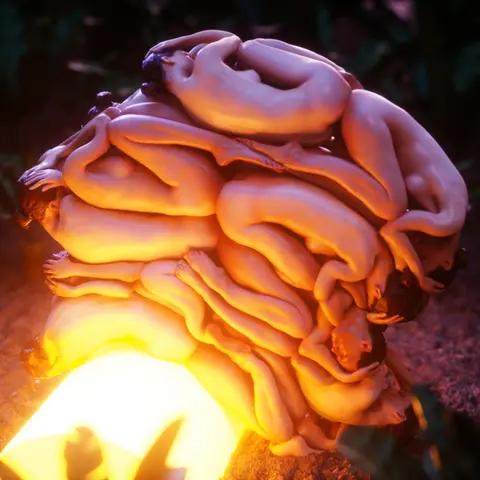
Forms · Albert Omoss · Source -
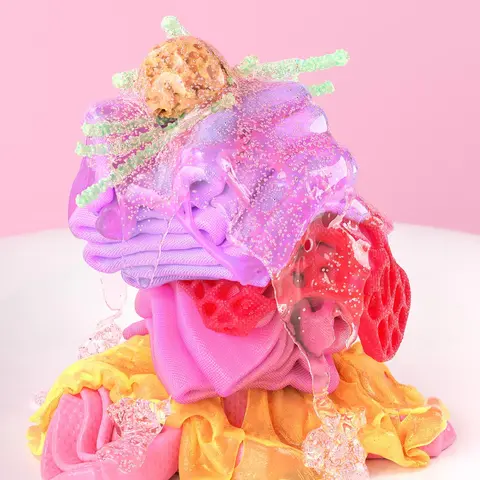
Omoshiroi Kuchi · Albert Omoss · Source -
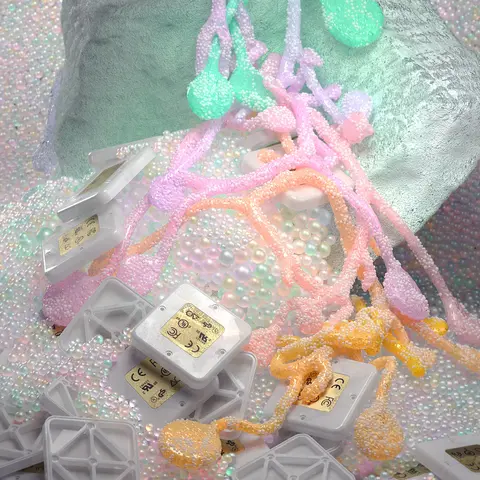
Cost to Consume · Albert Omoss · Source -
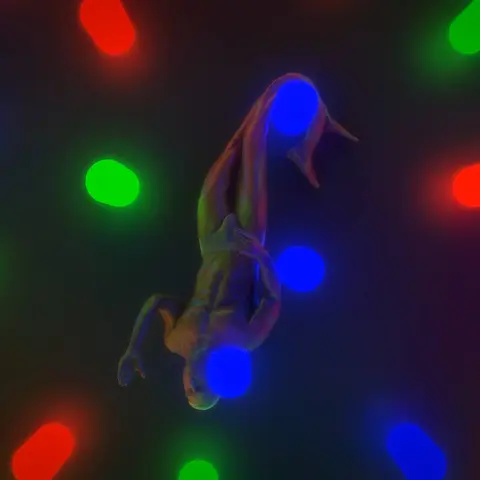
Plug Party 2k3 · Albert Omoss · Source
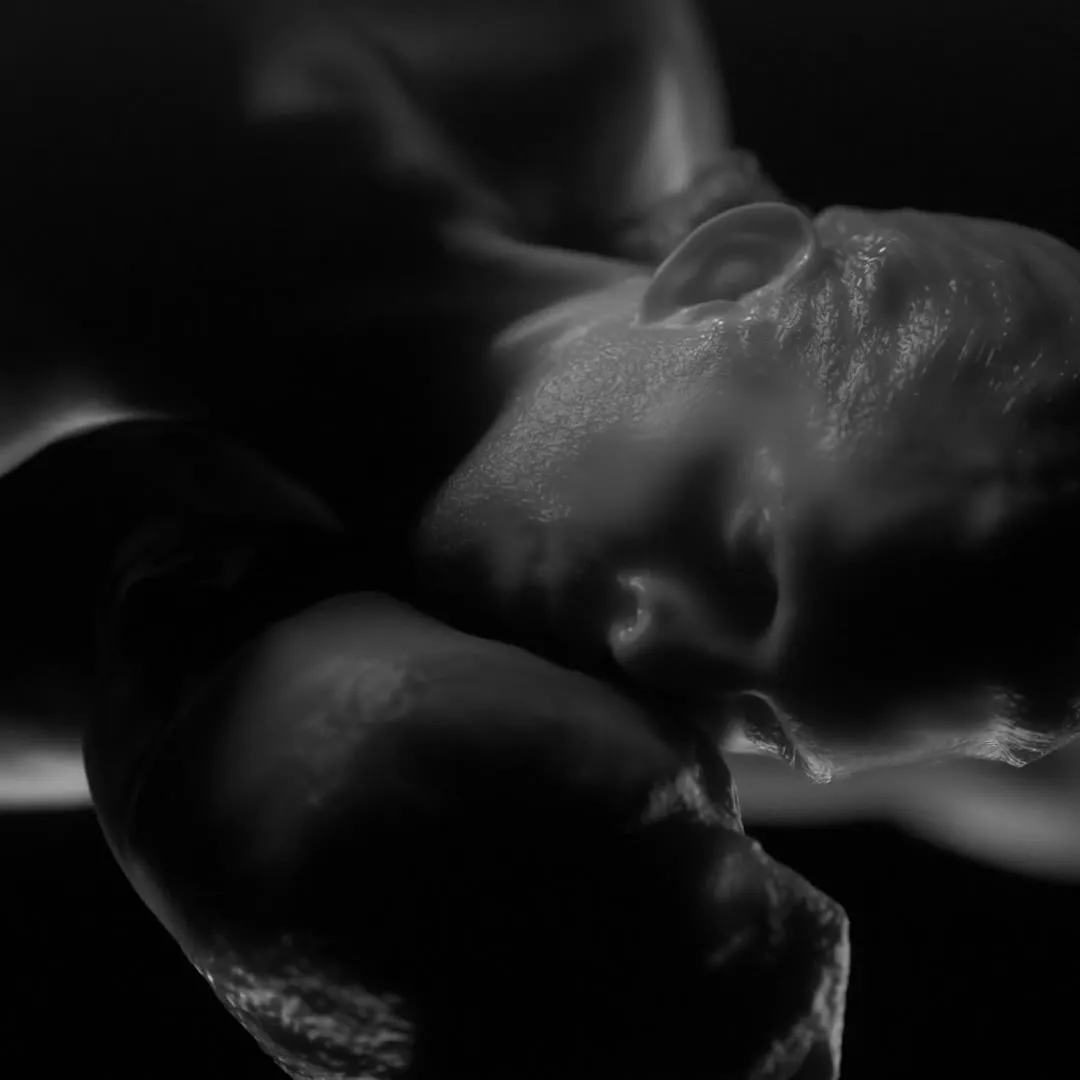
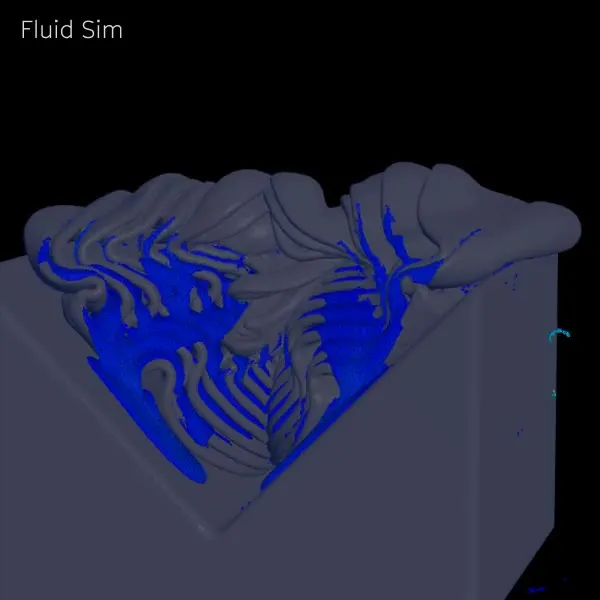
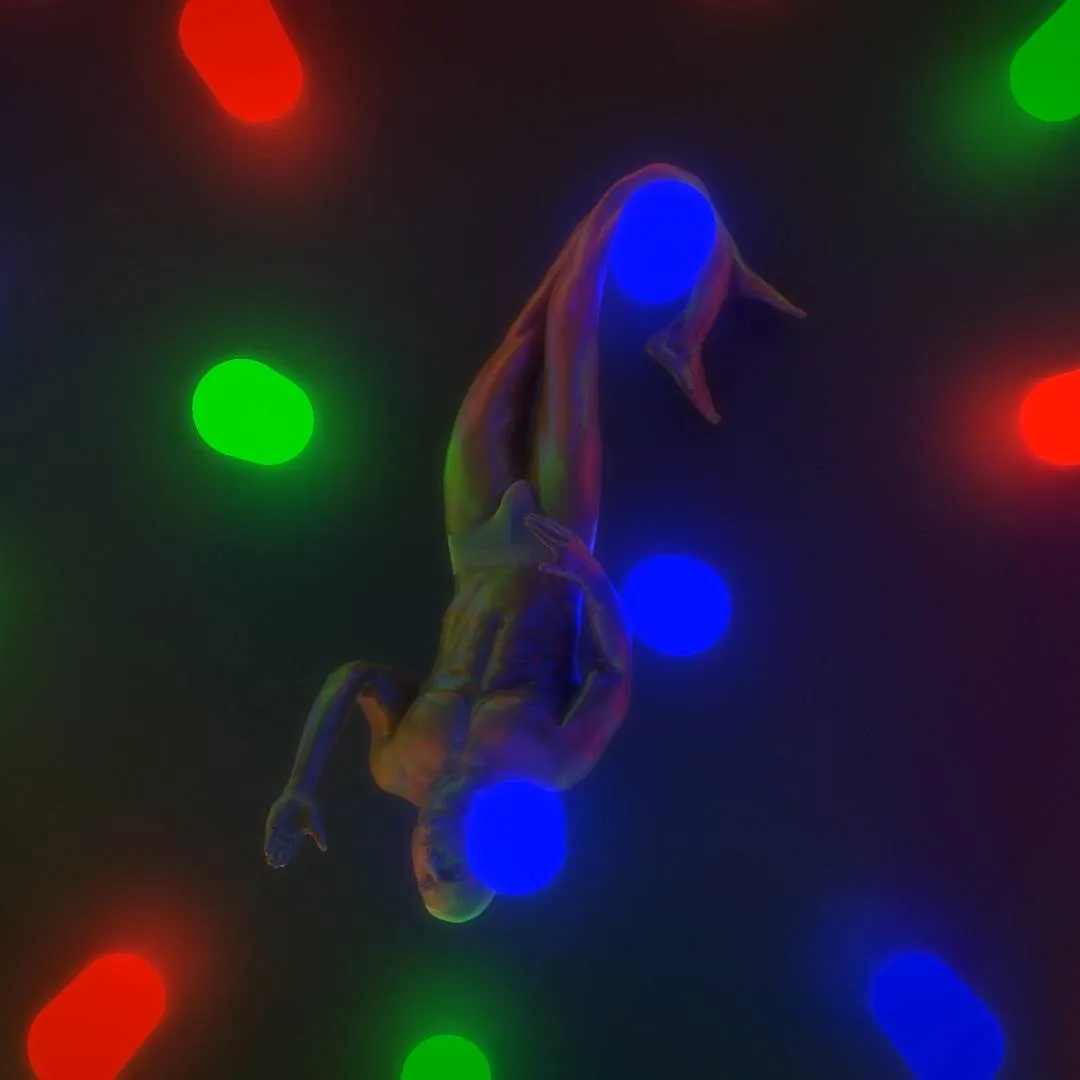
Simon Holmedal

Techniques
- rigid-body destruction (RBD)
- FLIP fluid simulation
- pyro / sparse pyro fire & smoke
- Vellum cloth, grain & softbody
- particle / POP systems
- Voronoi fracturing
- VEX wrangling
- procedural HDA networks
- whitewater & foam
- volume rendering
- MPM (Material Point Method) for snow, mud & viscous solids
- DOP multi-solver coupling (SOP Solver / micro-solvers)
- custom hand-built solvers via SOP Solver feedback loops
- OpenVDB volume operations & VDB-from-particles meshing
- crowd / agent simulation
- pyro shaping & sourcing (disturbance, turbulence, shredding)
- COPs compositing
Tools
- Houdini
- VEX
- Mantra
- Karma
- Redshift
- Nuke
- Pixar RenderMan
- Houdini Engine
- OpenVDB
- Solaris / USD
- Bullet
- Octane
- Arnold
- MOPs (Motion Operators)
What to take from it
Design the graph, not the frame
Author one parameterized network and harvest variations. A self-imposed 'DNA' plus a switch can generate thousands of unique outcomes — pick the best take instead of hand-animating one.
Couple solvers for richness
Let a FLIP fluid ooze from grain-simulated sheets, or smoke react to fractured debris. Interaction between systems reads as believable physics the eye can't fake by hand.
Wrong solver, strange beauty
Run a 'realistic' solver on non-realistic inputs — viscous nectar on recursive VDB shells, pyro micro-solvers pushed past plausibility — to get organic, designed forms that pure realism never produces.