Atlas
Atlas indexGlitch / Datamosh / Databending
Aesthetics mined from the codec's own mistakes.
- datamoshing
- pixel-sorting
- databending
- compression-artifact
- i-frame-removal
- glitch-art
- codec-manipulation
- new-media-art
What it is
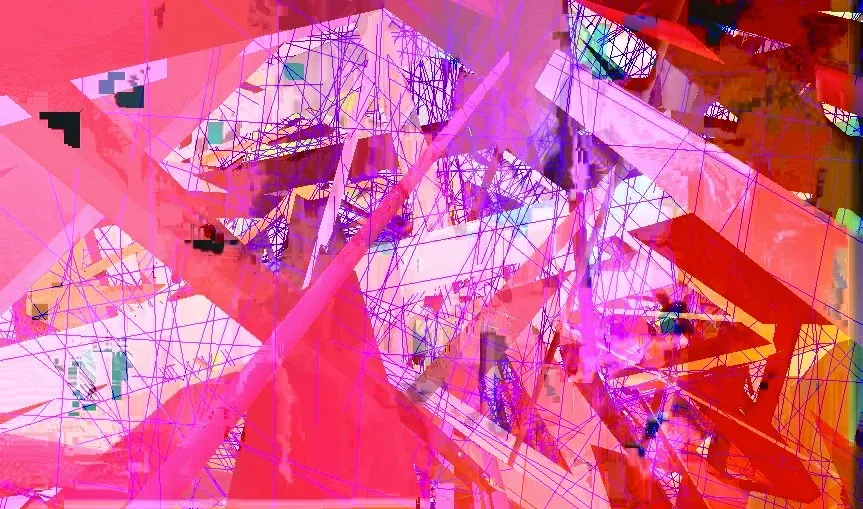
A family of digital-process crafts that treat compression, file formats, and encoding errors as the medium itself. Instead of representing an image, the artist corrupts, mis-reads, or re-sorts the data behind it — deleting keyframes so motion smears into liquid, opening a photo in an audio editor, or sorting pixels by brightness until the picture streaks. The 'wonderful interruption' (Menkman) becomes the subject.
How it is made
Datamosh: kill the keyframe
Video codecs store full I-frames (keyframes) and partial P/B-frames that only hold motion vectors. Encode with a huge GOP interval so I-frames are rare, then delete the I-frame at a cut: the decoder applies the new shot's motion onto the old shot's pixels, smearing them into a melting bloom until the next I-frame resets the image. Tools: Avidemux, FFmpeg, FFglitch for per-vector control.
Databending: read a file as the wrong thing
Strip an image to a raw, header-light format (BMP/TIFF/RAW), then open it in software built for other data. The classic 'WordPad effect' (stAllio!) re-saves the bytes as rich text; the modern path imports the raw data into Audacity as U-Law/A-Law audio, applies echo/reverb/distortion to a selection (sparing the header), and exports back to BMP. The DSP math becomes visual texture.
Pixel sorting: re-order, don't destroy
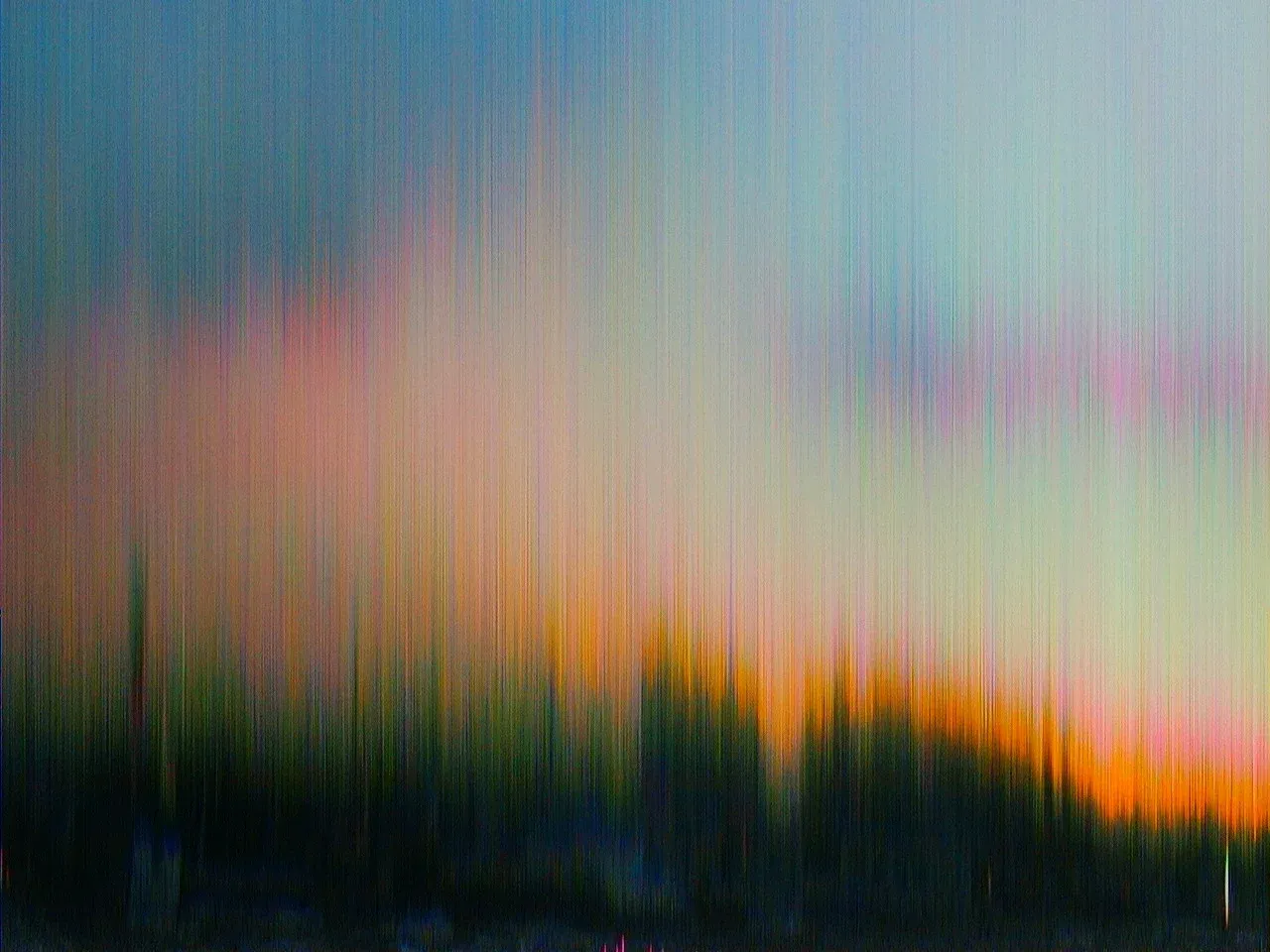
Rather than corrupting data, the pixels are kept but rearranged. Scan each row or column, define intervals by a threshold (brightness, hue, or saturation), and sort the pixels inside each interval. The result is recognisable structure dissolving into long combed streaks of pure colour — Asendorf's ASDFPixelSort (Processing) is the seed code thousands have forked.
Where it comes from
Net-art roots and naming
Duo JODI (Joan Heemskerk & Dirk Paesmans, formed 1994) made early work from broken interfaces — jodi.org's cryptic HTML and game-mods like SOD (1999) that shatter Quake/Wolfenstein into abstraction. The term 'datamoshing' itself was coined by the Providence/Pittsburgh collective Paper Rad.
Into the gallery (2005–2009)
Takeshi Murata's Monster Movie (2005) carried datamoshing into the fine-art canon (now in the Smithsonian). The technique peaked in pop culture in 2009 via the music videos Chairlift 'Evident Utensil' and Kanye West 'Welcome to Heartbreak'.
Theory and open-source spread (2010+)
Rosa Menkman's Glitch Studies Manifesto (2010) and The Glitch Moment(um) (2011) gave the field its critical language; stAllio!'s databending primers (2008+) taught the methods. Kim Asendorf's 2010 pixel-sort code, open-sourced in 2012, turned a single sketch into a global visual style.
Artists
-
Digital TV Dinner (1978, with Raul Zaritsky & Dick Ainsworth)
Engineer who ejected a Bally Astrocade cartridge mid-execution to corrupt its memory, filming the first glitch artwork.
-
Magnet TV (1965); Fluxus 'prepared televisions'
Fluxus pioneer who set a magnet on a TV to warp its broadcast signal into shifting abstraction.
-
Super Mario Clouds (2002); BEIGE cartridge hacks
Hacked a Super Mario Bros. cartridge to erase everything but the scrolling clouds, a foundational data-manipulation work.
-
BEIGE / Beige Programming Ensemble (1998-); Fat Bits (2001); 8-Bit Construction Set
Cartridge-hacking artist who reprogrammed NES chips and theorised 'compression aesthetics', deliberately corrupting data as the medium.
-
Venetian Snares 'Szamar Madar' music video (2005)
Irish animator whose 2005 Venetian Snares video was an early, landmark use of datamoshing in a music clip.
-
Chairlift 'Evident Utensil' music video (2009)
Director who built the Chairlift 'Evident Utensil' clip entirely from datamosh smears, popularising the technique to a mass audience.
-
Kanye West 'Welcome to Heartbreak' music video (2009)
Director who datamoshed Kanye West's 'Welcome to Heartbreak' into bleeding pixels, taking the effect mainstream alongside Tintori's Chairlift video.
-
Monster Movie (2005); Untitled (Pink Dot) (2006/07); Untitled (Silver) (2006)
Datamoshed a 1981 B-movie monster (and Rambo footage) into churning psychedelic liquid; the work that made glitch museum-grade.
-
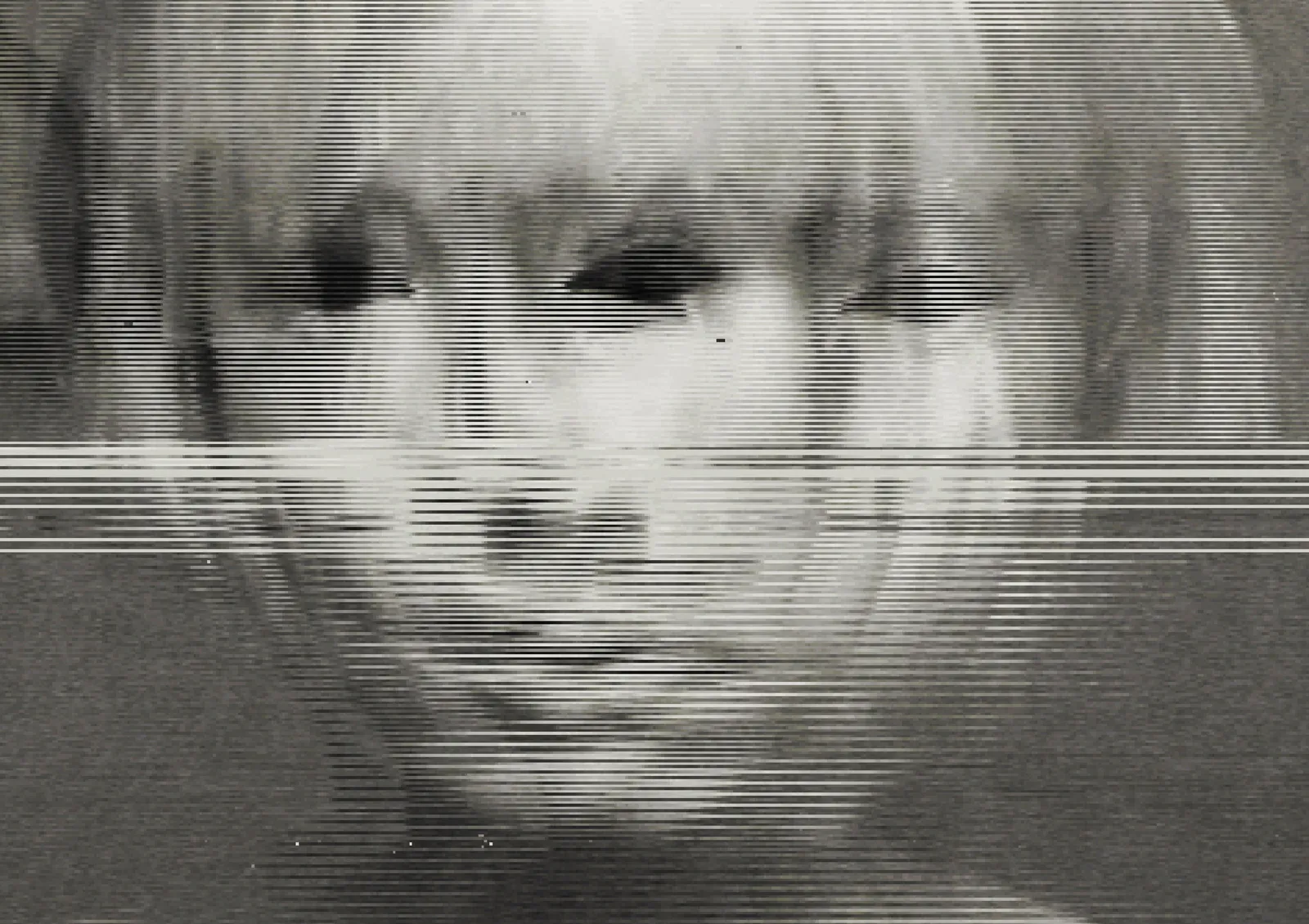
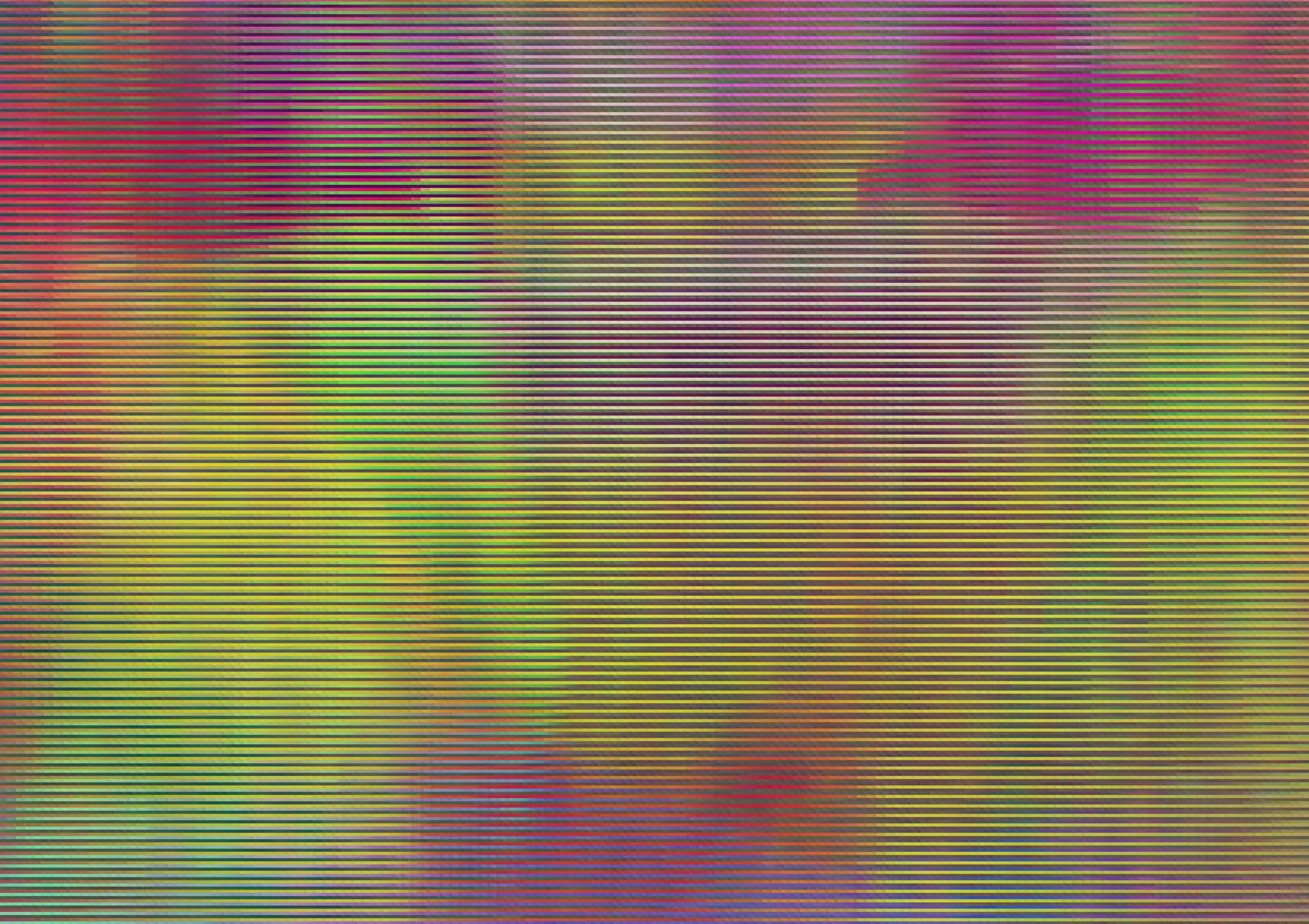
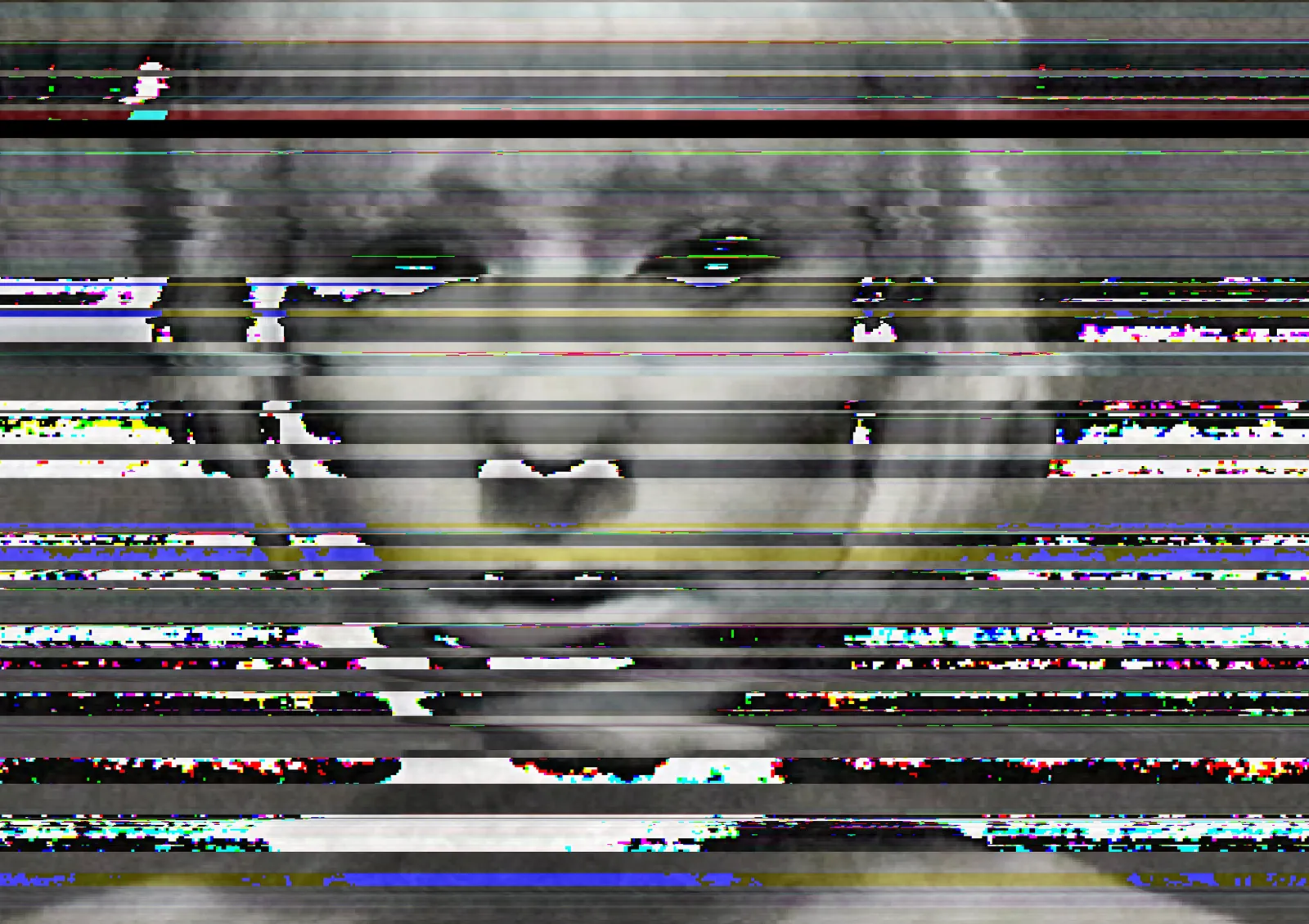
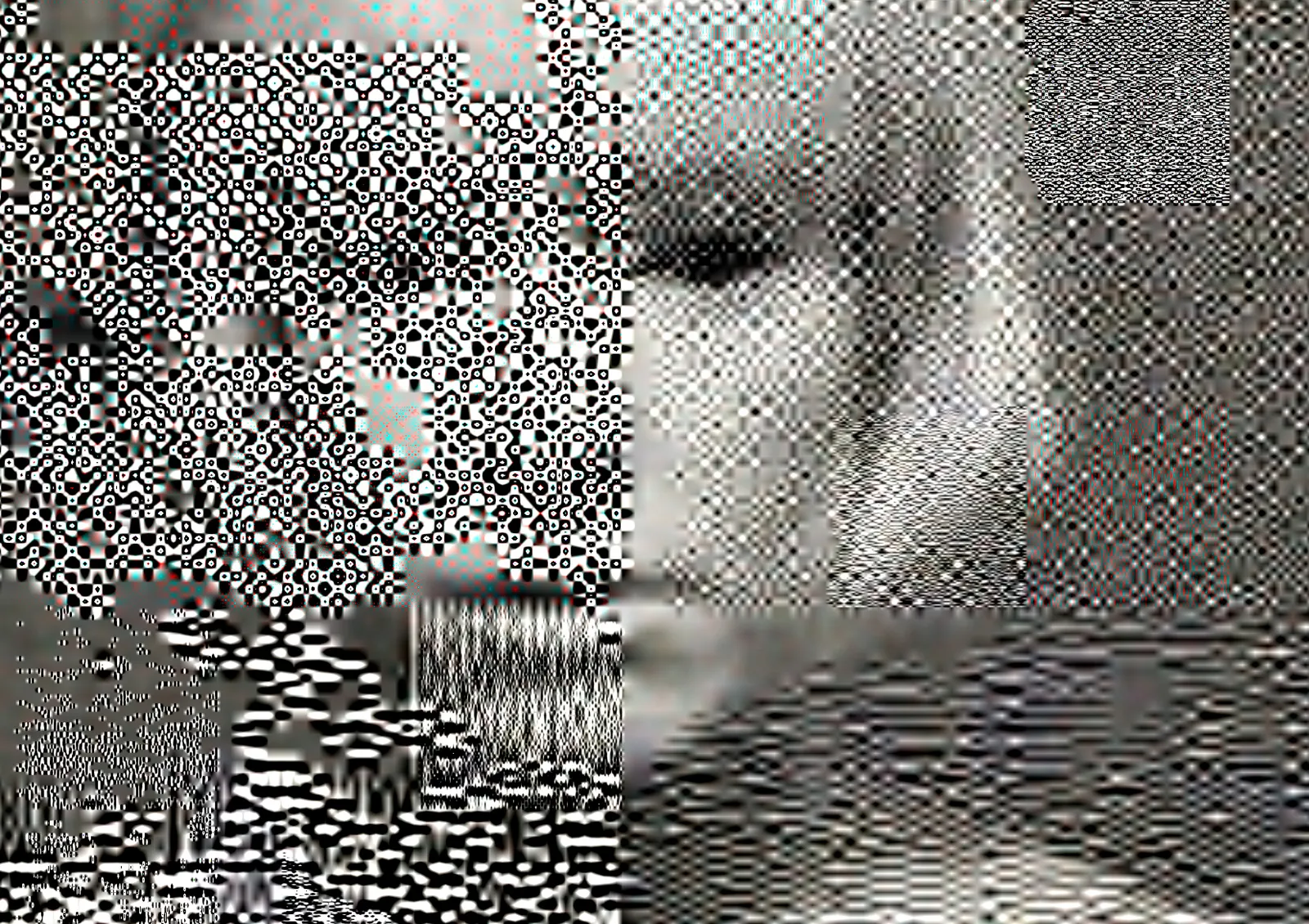
A Vernacular of File Formats (2010); Glitch Studies Manifesto (2010)
Dutch artist-theorist who ran one self-portrait through every codec to expose each format's hidden aesthetic of error.
-
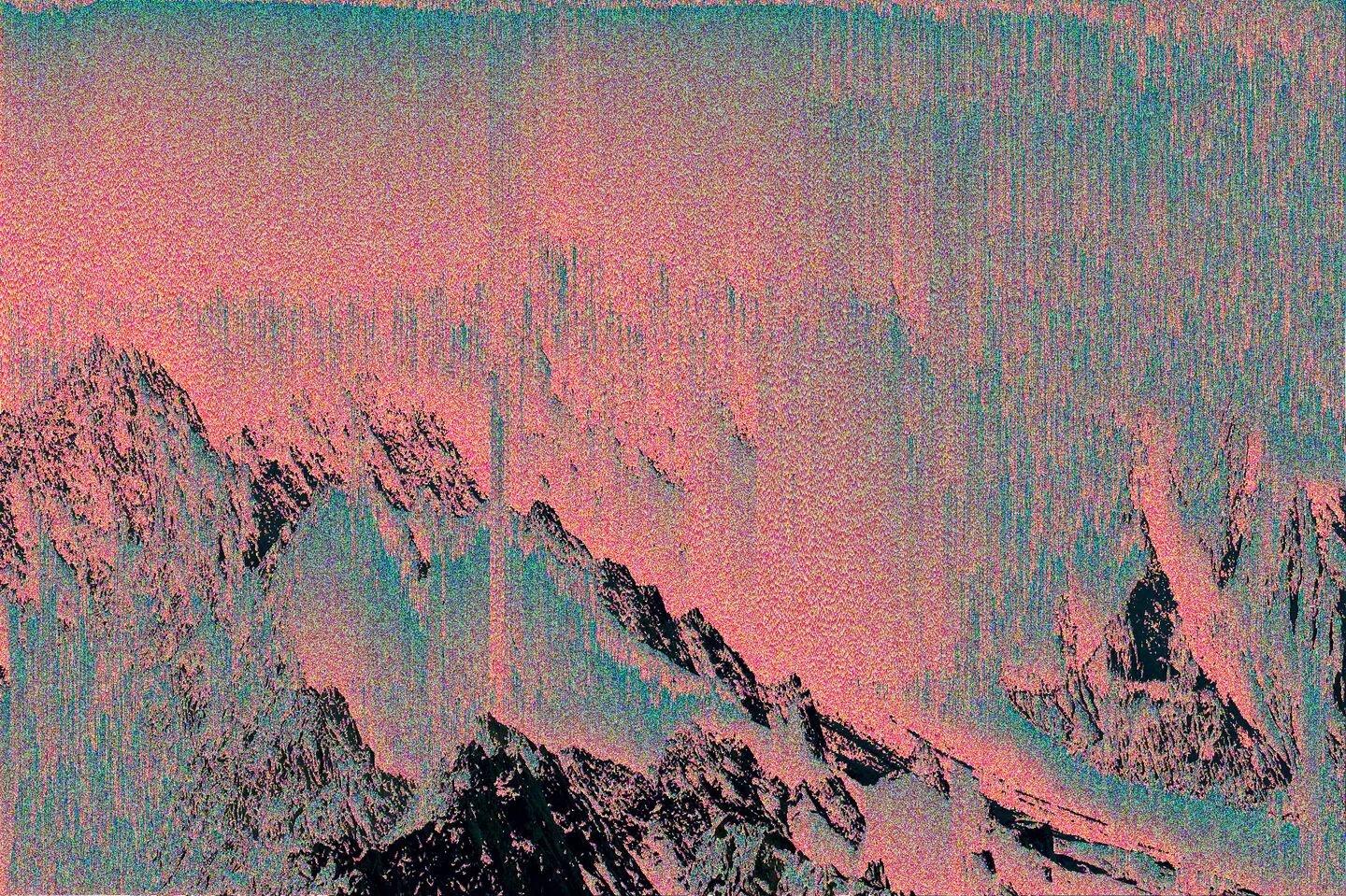
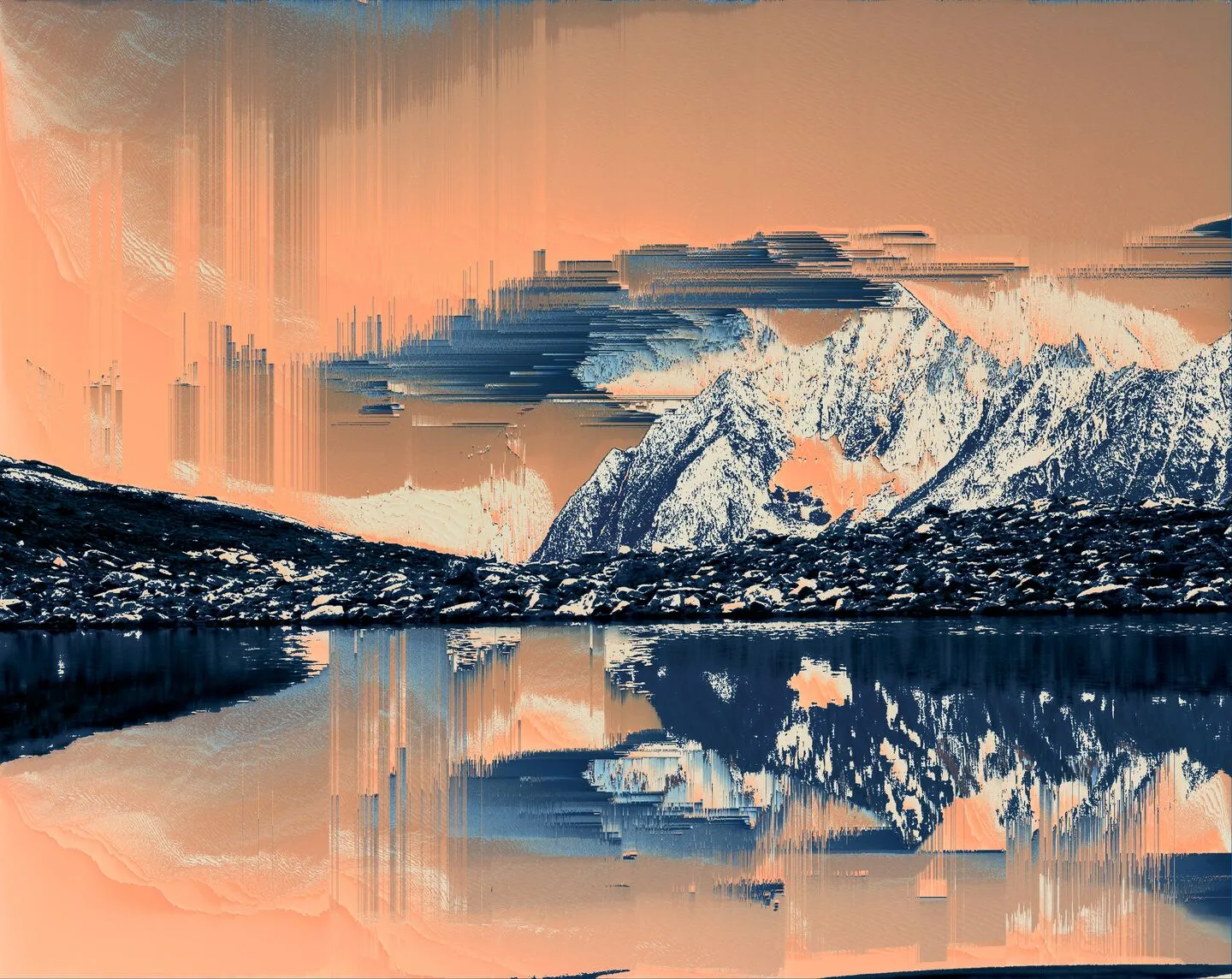
Mountain Tour (2010); ASDFPixelSort (Processing, open-sourced 2012)
German generative artist who invented pixel sorting — landscapes combed into streaked colour fields, 'meeting chaos half-way'.
-
Glitch Photography series; Images Adrift (pixel-sorted); HFW Glitch GIFs (2015); Lit in Glitch
Brazilian-American glitch photographer who corrupts JPEGs, databends video codecs and pixel-sorts photos into woven streaks and datamosh blooms.
-
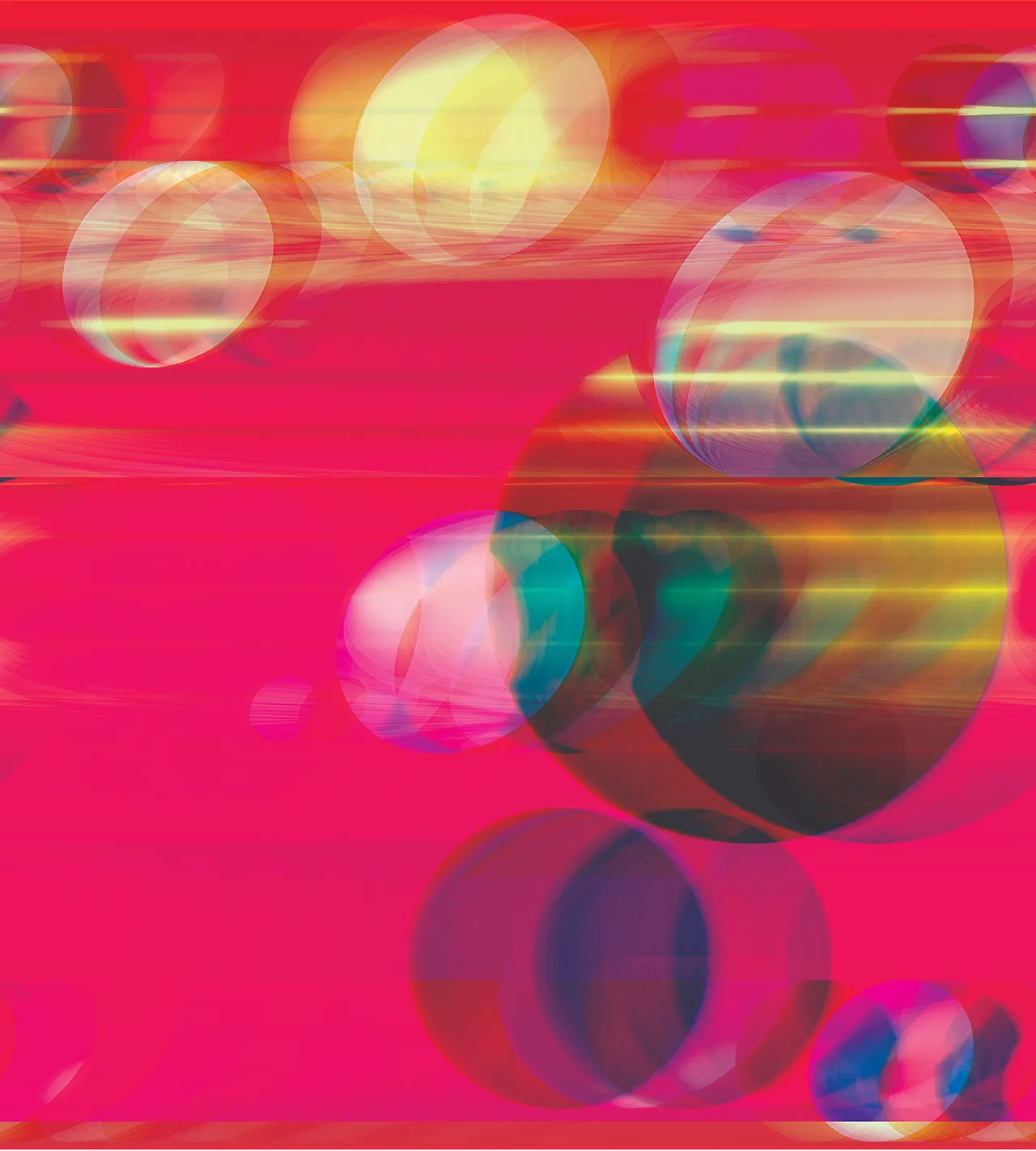
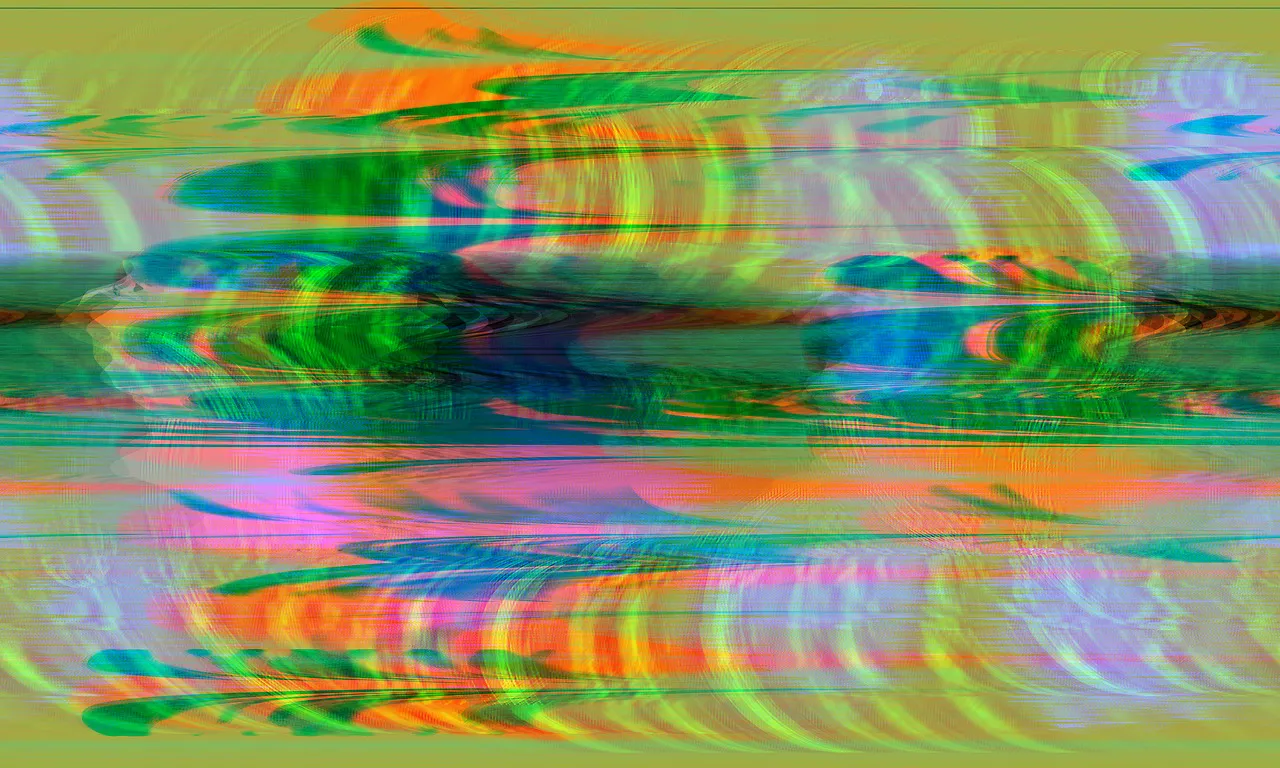
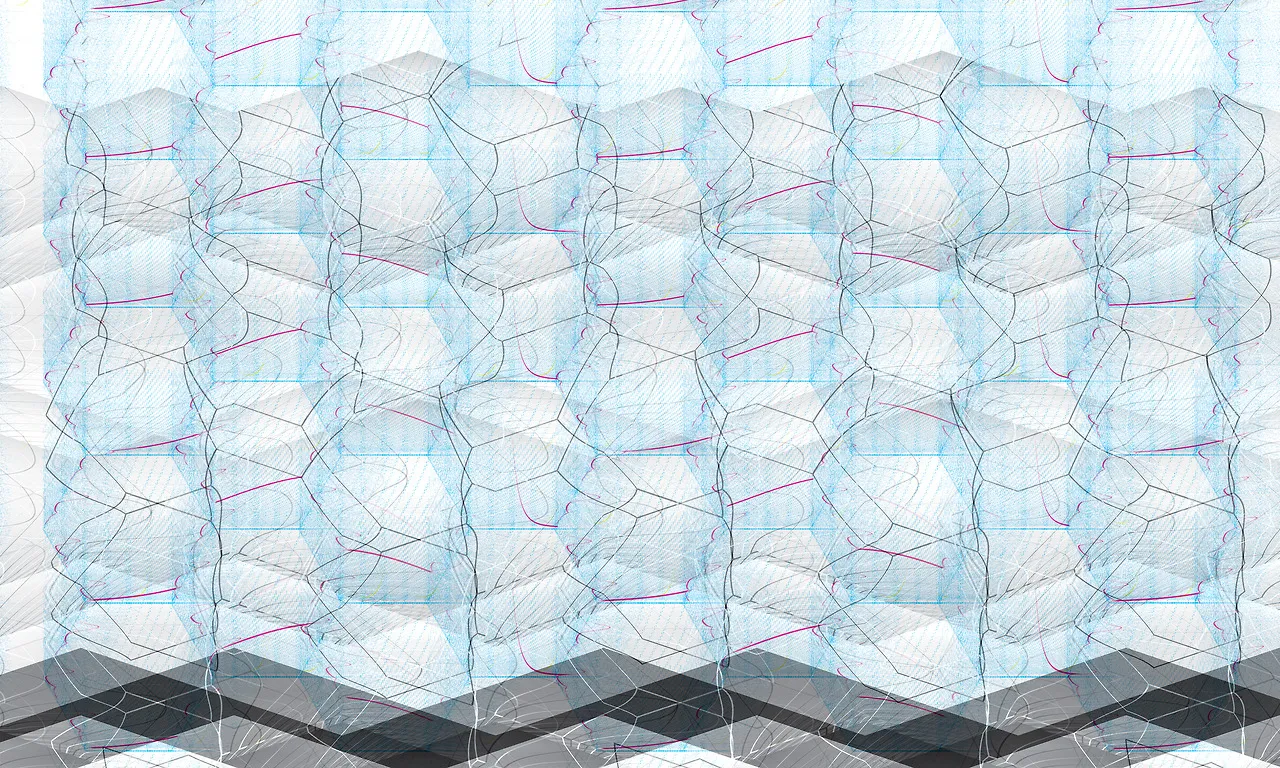
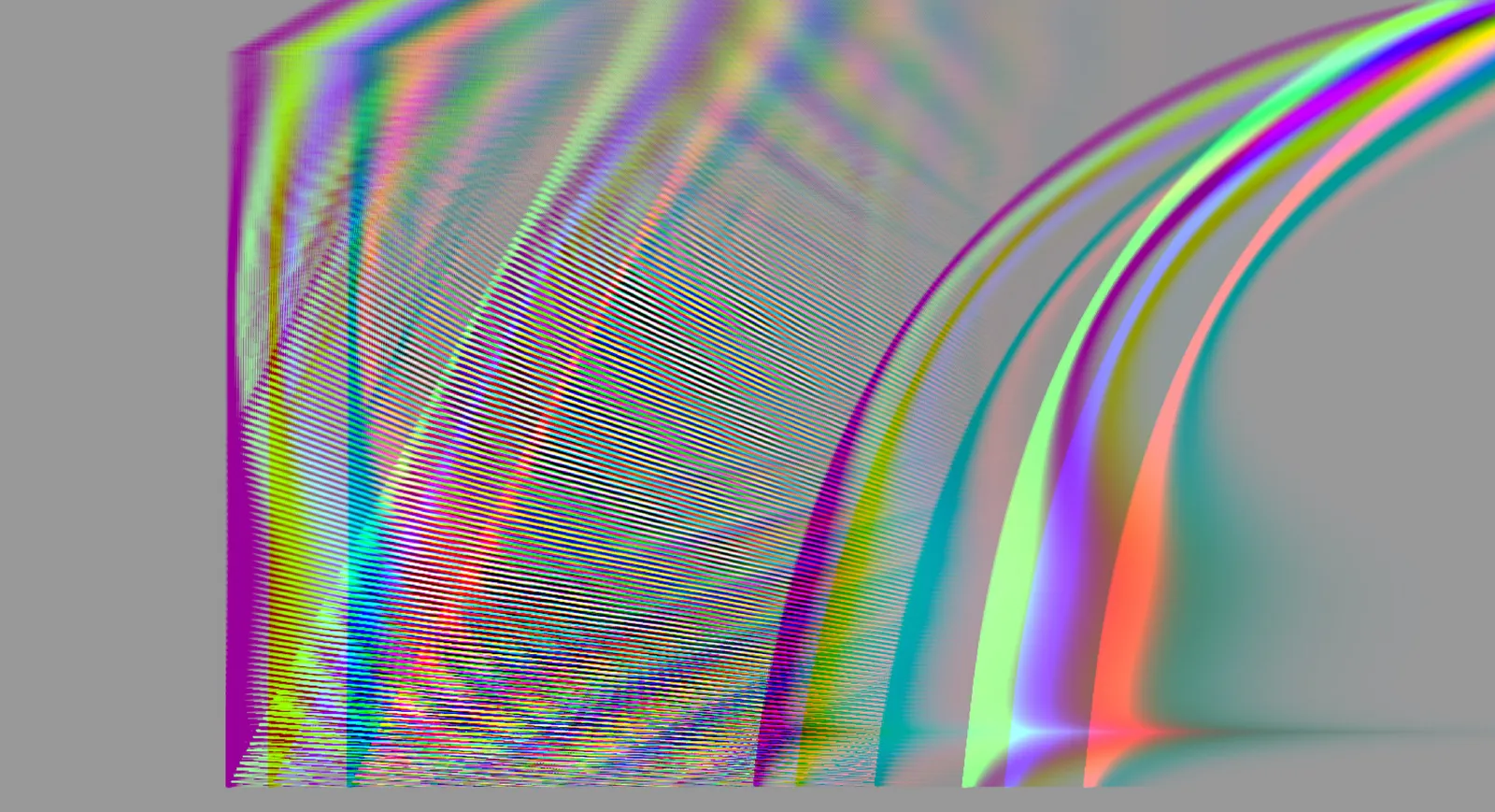
Glitchometry (2011–); Dither Studies; Glitchometry Stripes
New-York databender who imports plain squares and circles into an audio editor and 'sonifies' each colour channel until the geometry shatters.
-
Year of the Glitch (2012, a glitch-a-day project); prepared digital cameras
Artist who short-circuits 'prepared cameras' and edits the raw bytes in a hex editor — a year of one engineered error a day.
-
jodi.org (1995); SOD (1999); Untitled Game (1996–2001)
Net-art pioneers (Joan Heemskerk & Dirk Paesmans) who weaponised broken code and game engines into disorienting glitch experiences.
-
databending & glitch-art primers (2008+); 'the WordPad effect'
Indianapolis databender who documented and popularised the core file-misuse and audio-editor methods.
-
The Glitch Codec Tutorial (2010–11); Databending 101 interactive tutorials; co-founder of GLI.TC/H festival (2010–2012, with Jon Satrom, Rosa Menkman, Evan Meaney)
Chicago new-media artist and educator who co-ran the GLI.TC/H festival and whose open-source Glitch Codec and Databending 101 tutorials taught the methods to most of the field that followed.
-
Antonio Roberts (hellocatfood)
databending & pixel-sort works; open-source / free-software glitch tooling and workshops; commissioned generative and glitch installations
Birmingham (UK) glitch artist who works strictly in free and open-source tools — databending, pixel sorting and codec corruption — and teaches the methods as a free-culture practice.
Frames
Takeshi Murata
-
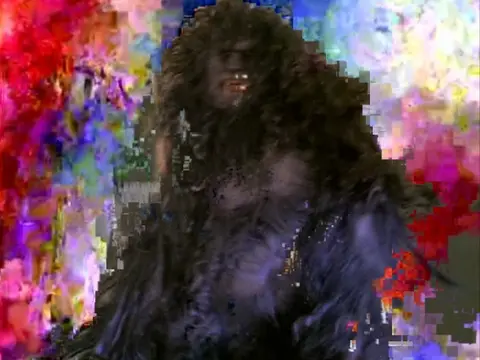
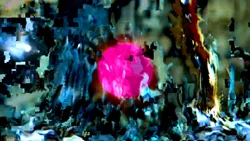
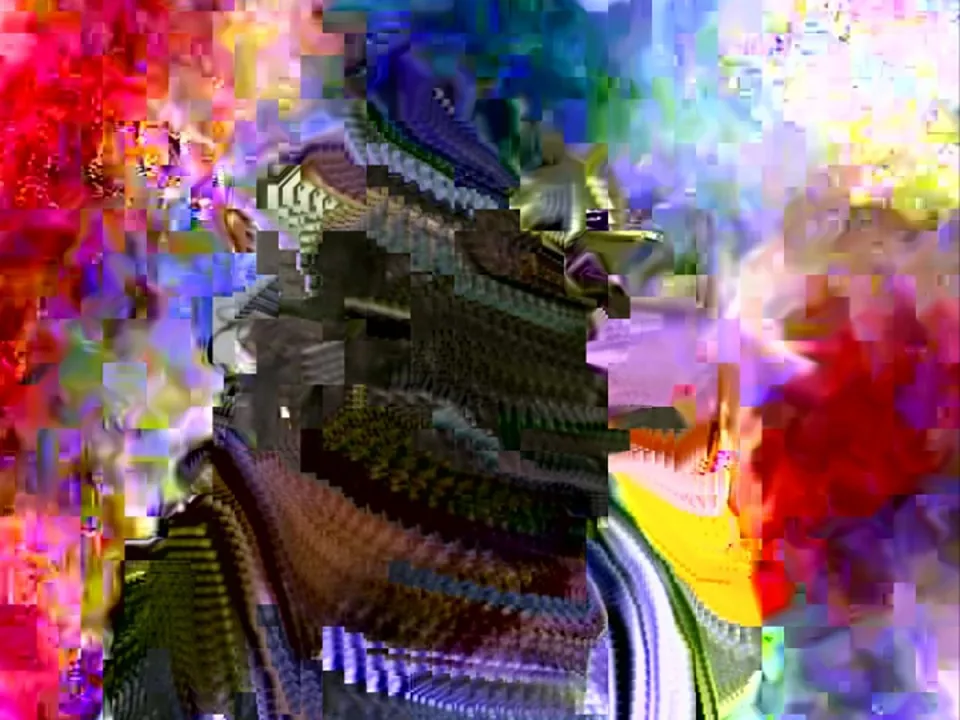
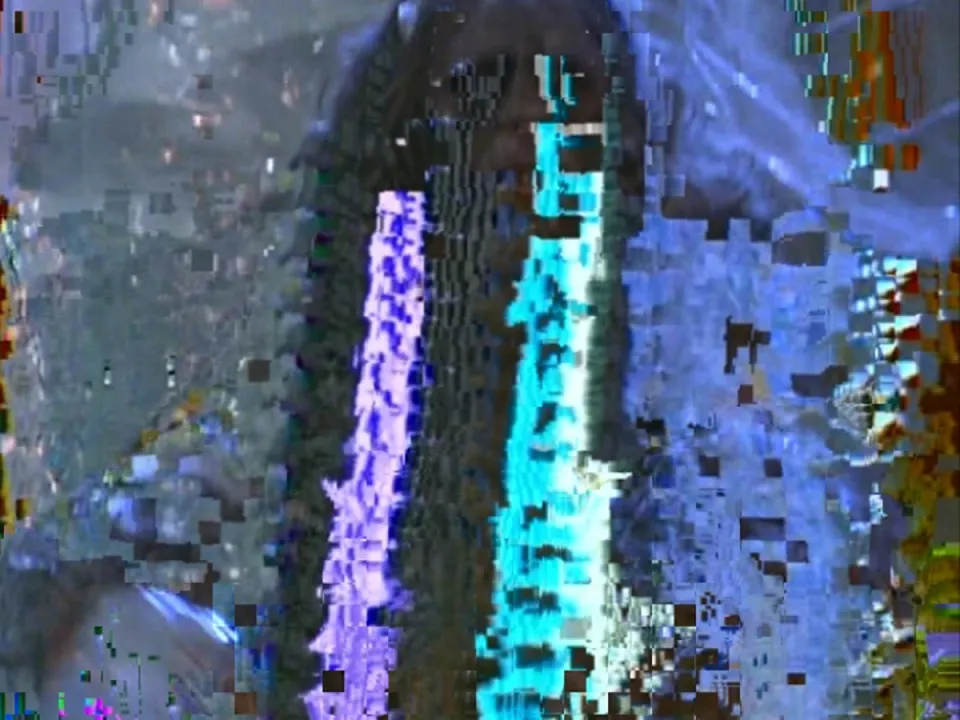
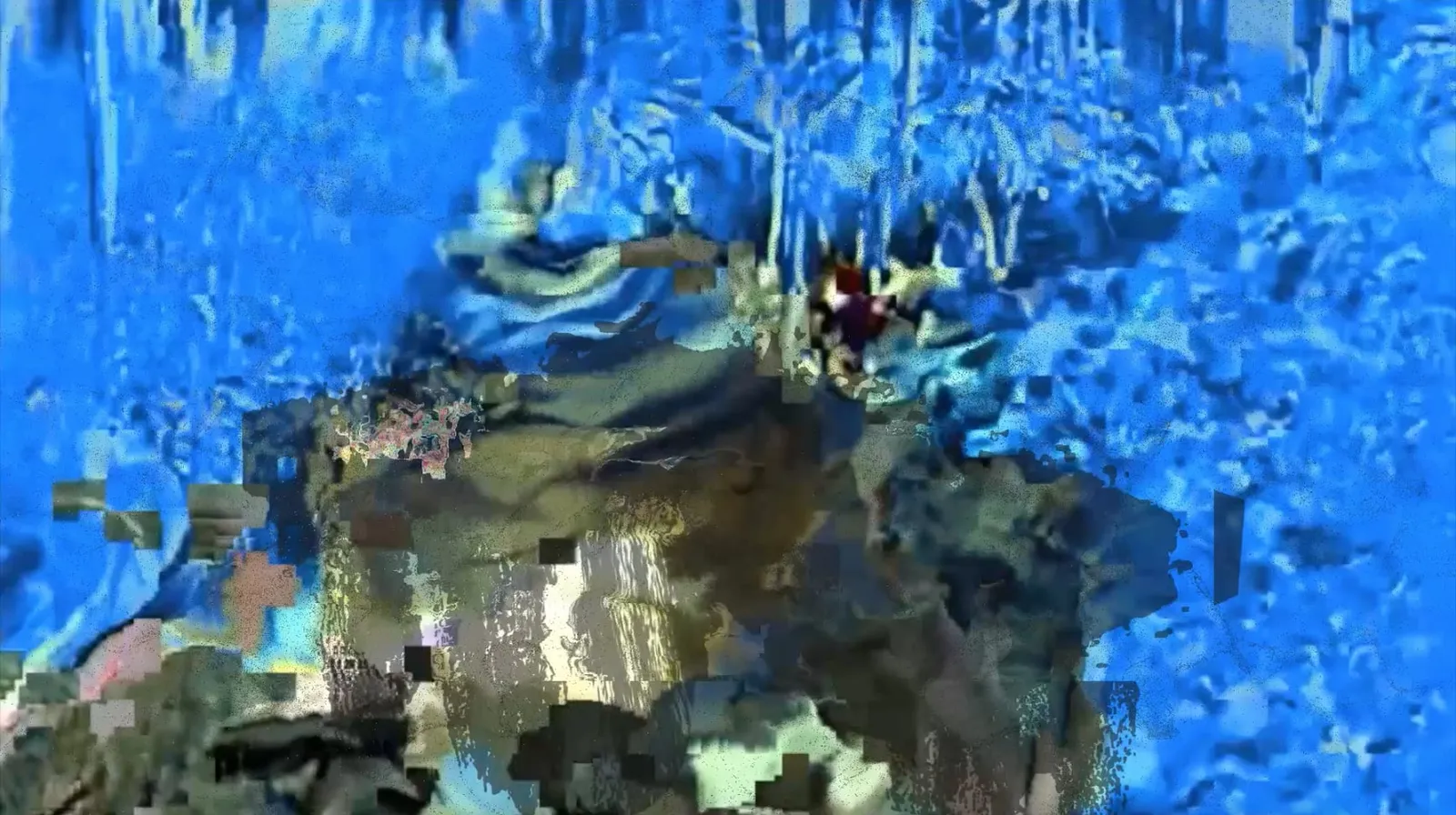
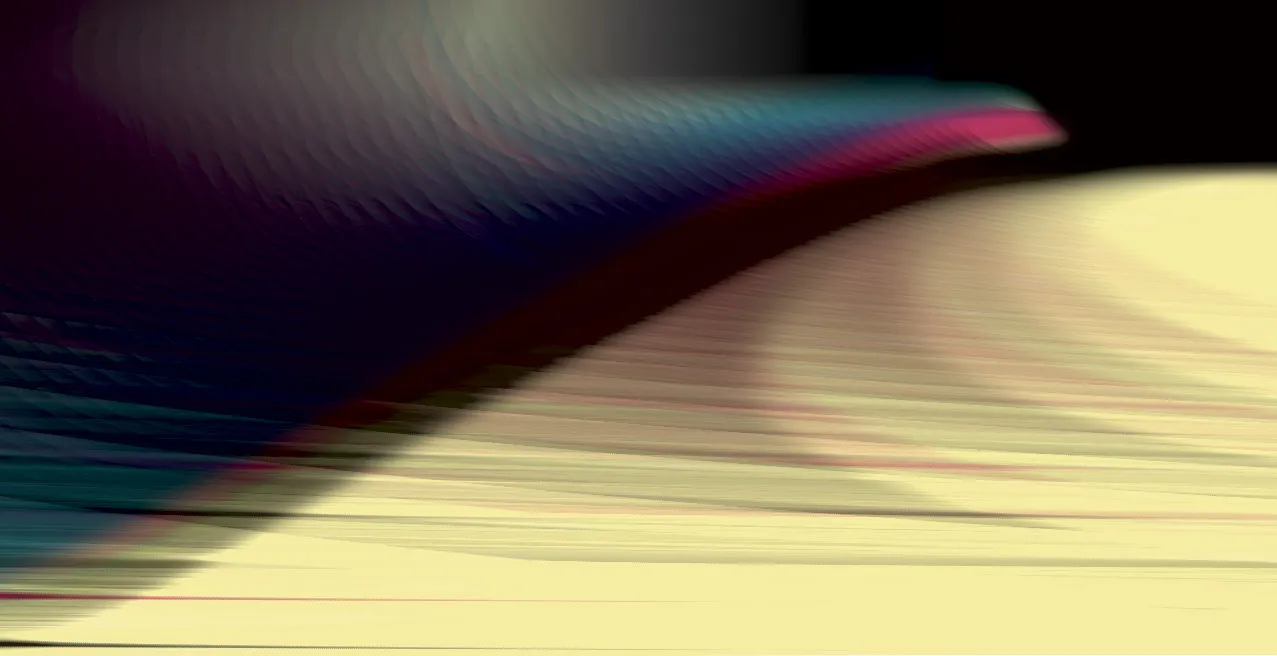
Monster Movie (2005) · Takeshi Murata · Source -
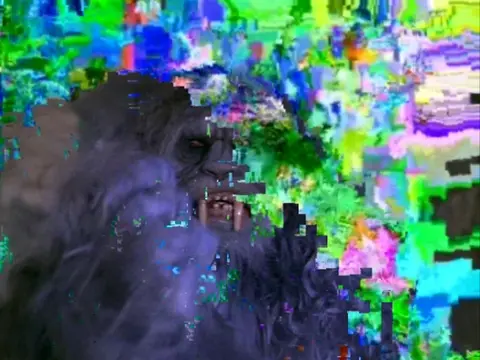
Monster Movie (2005) · Takeshi Murata · Source -
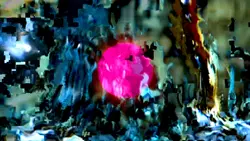
Untitled (Pink Dot) (2006/07) · Takeshi Murata · Source -
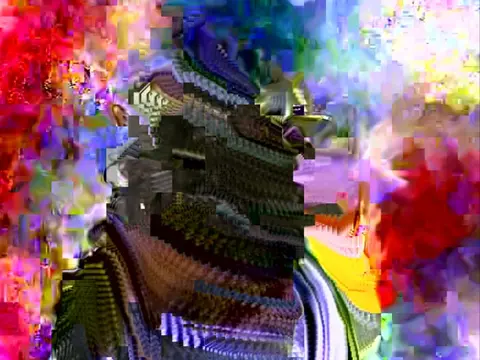
Monster Movie (2005) · Takeshi Murata · Source -
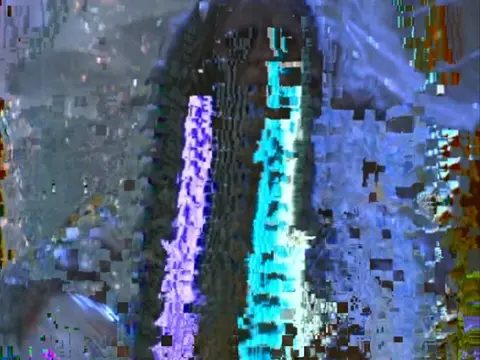
Monster Movie (2005) · Takeshi Murata · Source -
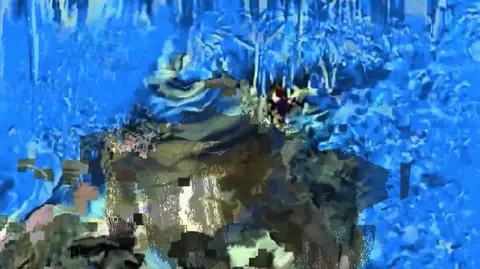
Infinite Doors (Empty Gallery survey, 2017) — datamosh works trailer · Takeshi Murata · Source
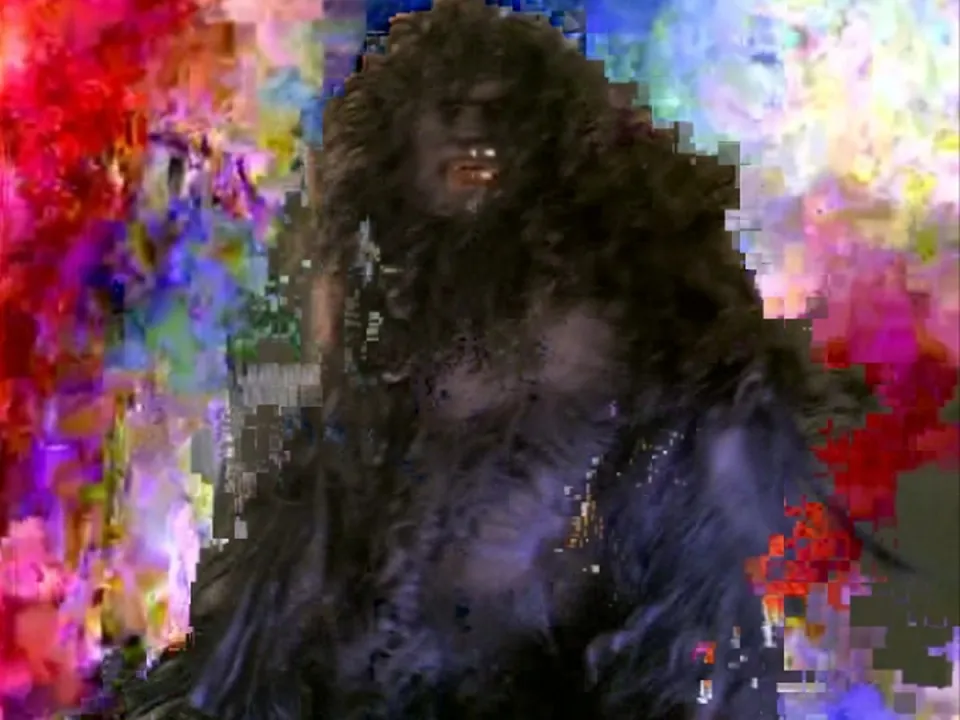
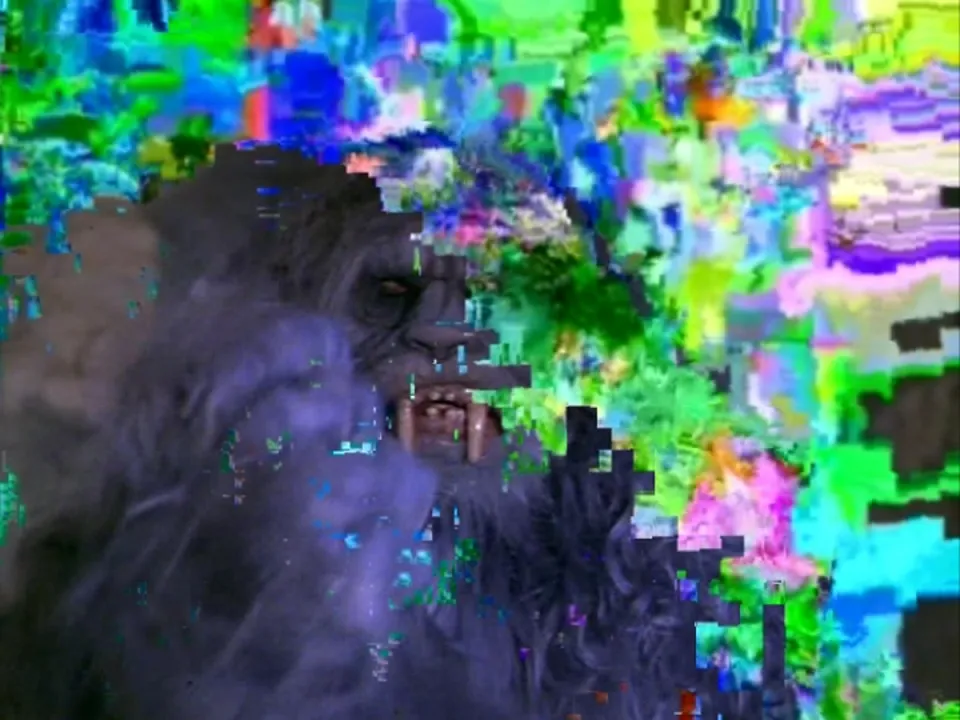
Rosa Menkman
-
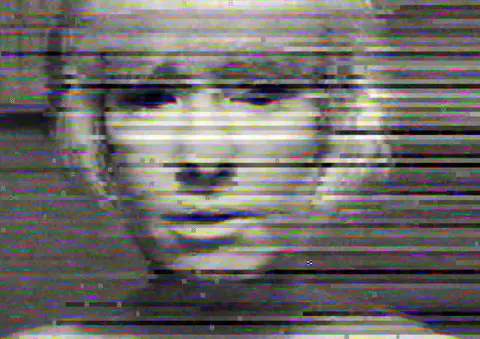
A Vernacular of File Formats (2010) · Rosa Menkman · Source -
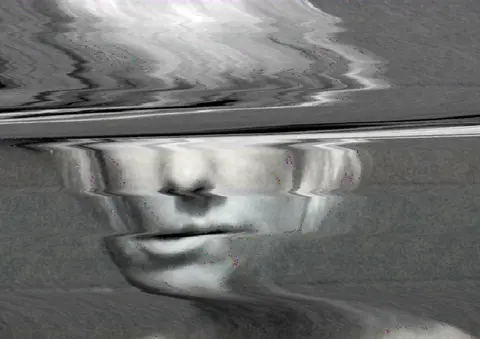
A Vernacular of File Formats (2010) · Rosa Menkman · Source -
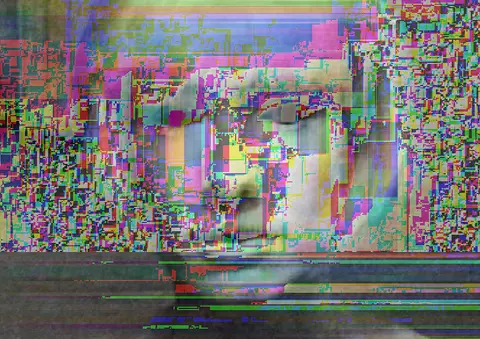
A Vernacular of File Formats (2010) · Rosa Menkman · Source -
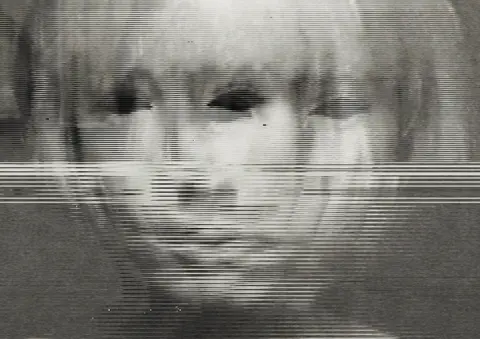
A Vernacular of File Formats (2010) · Rosa Menkman · Source -
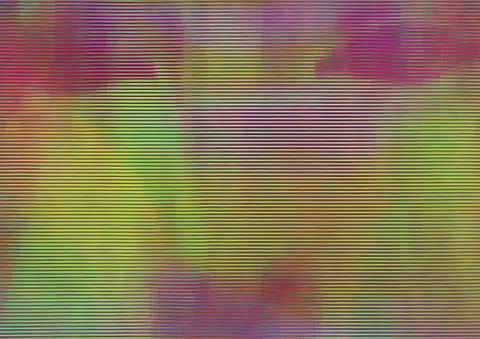
A Vernacular of File Formats (2010) · Rosa Menkman · Source -
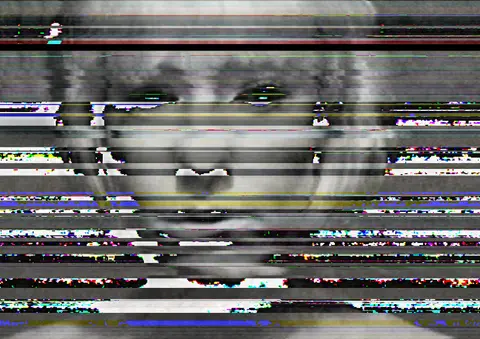
A Vernacular of File Formats (2010) · Rosa Menkman · Source -
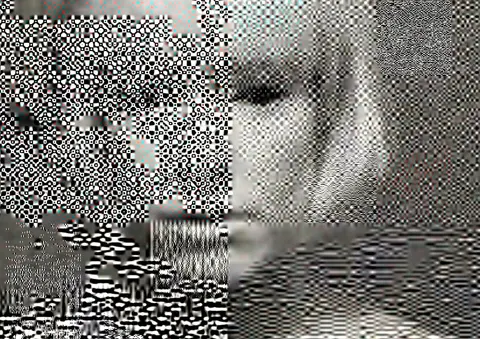
A Vernacular of File Formats (2010) · Rosa Menkman · Source -
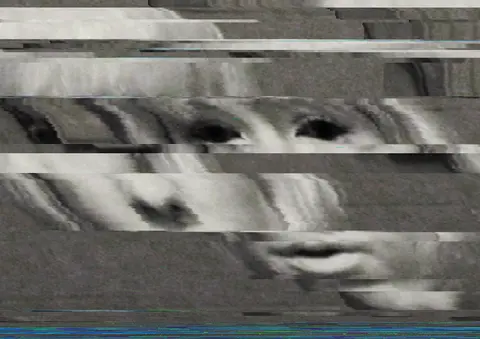
A Vernacular of File Formats (2010) · Rosa Menkman · Source -
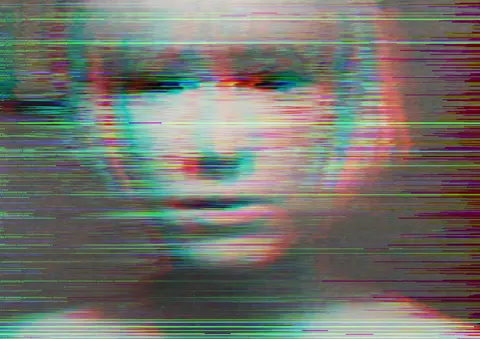
A Vernacular of File Formats (2010) · Rosa Menkman · Source
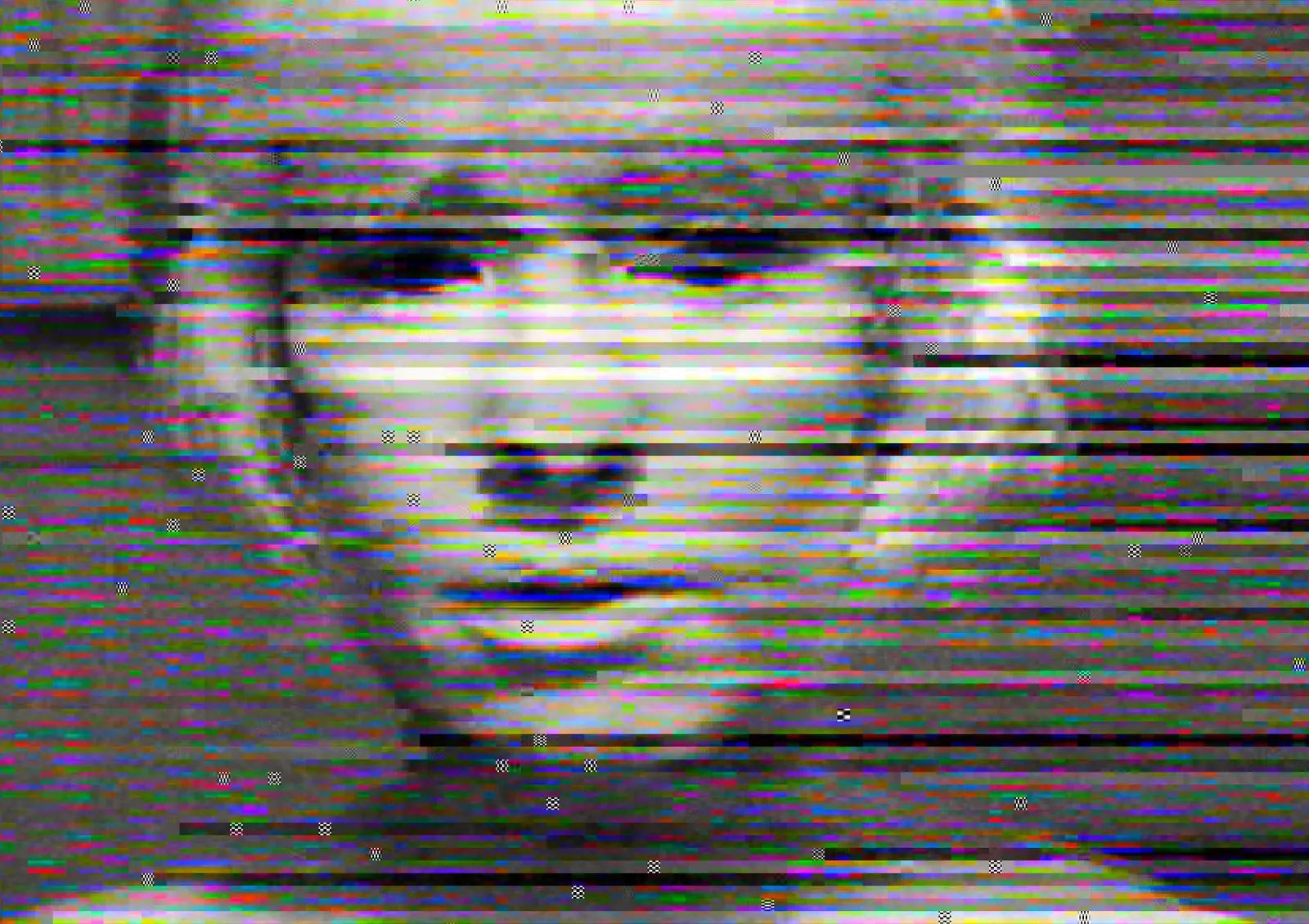
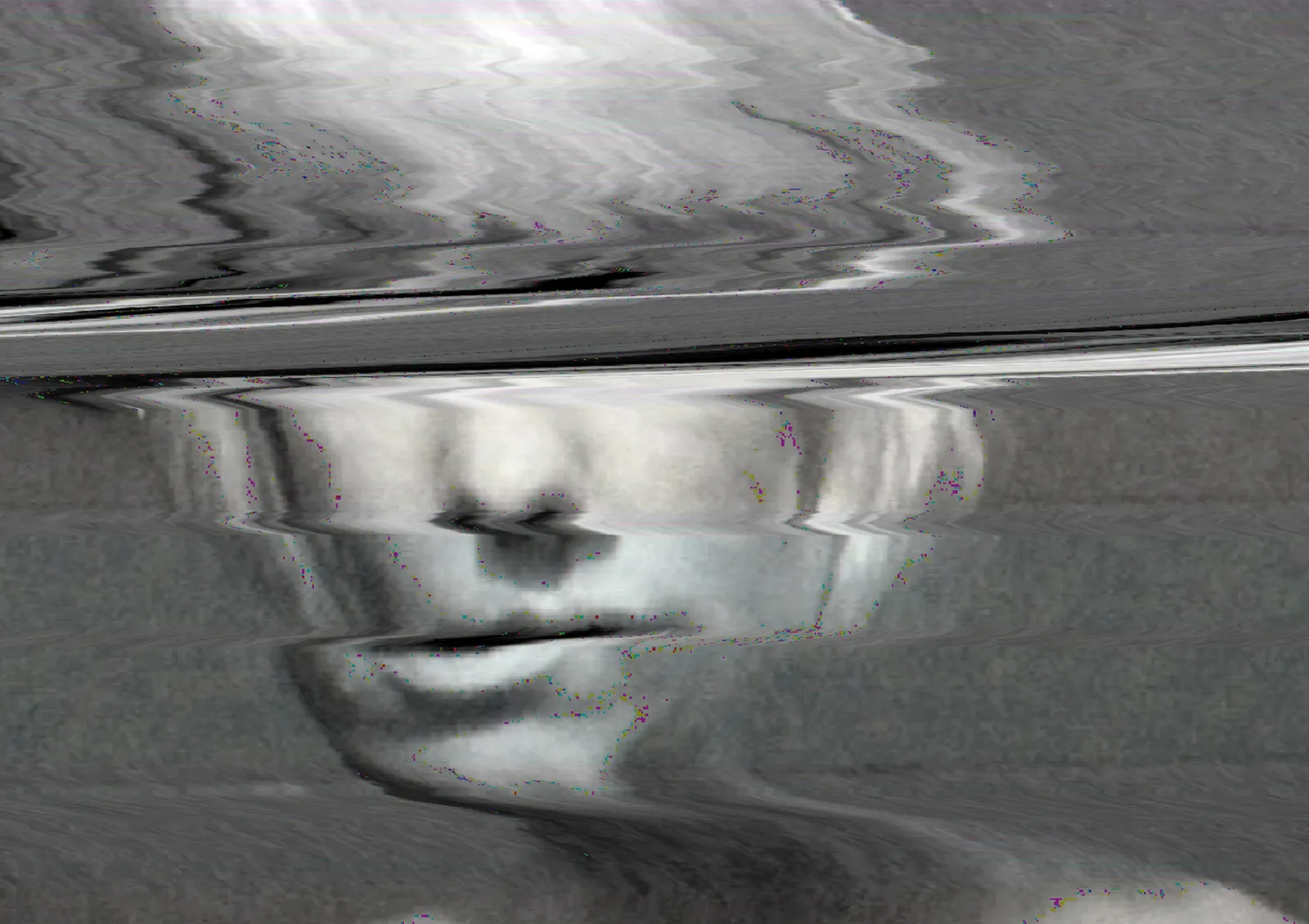
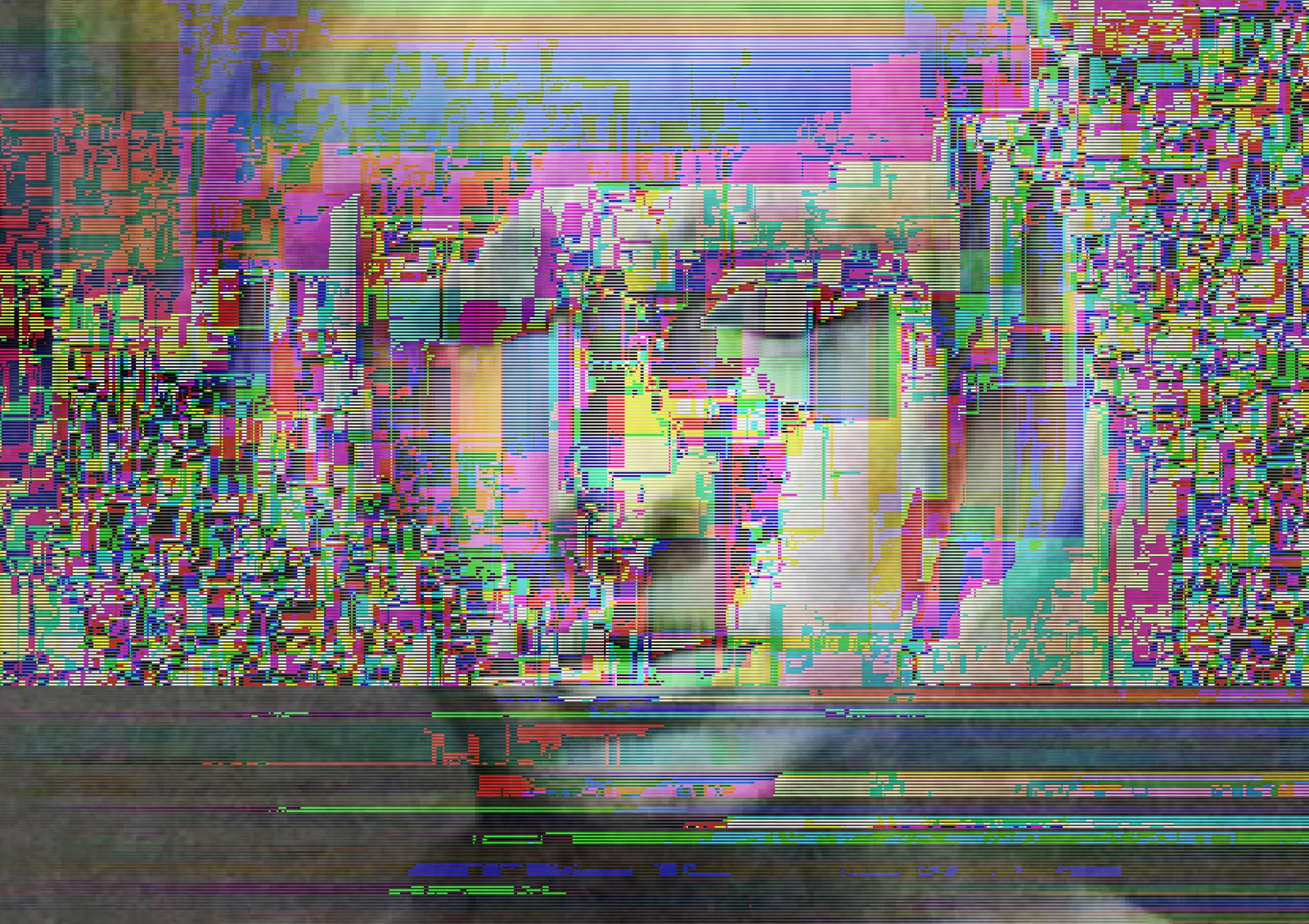
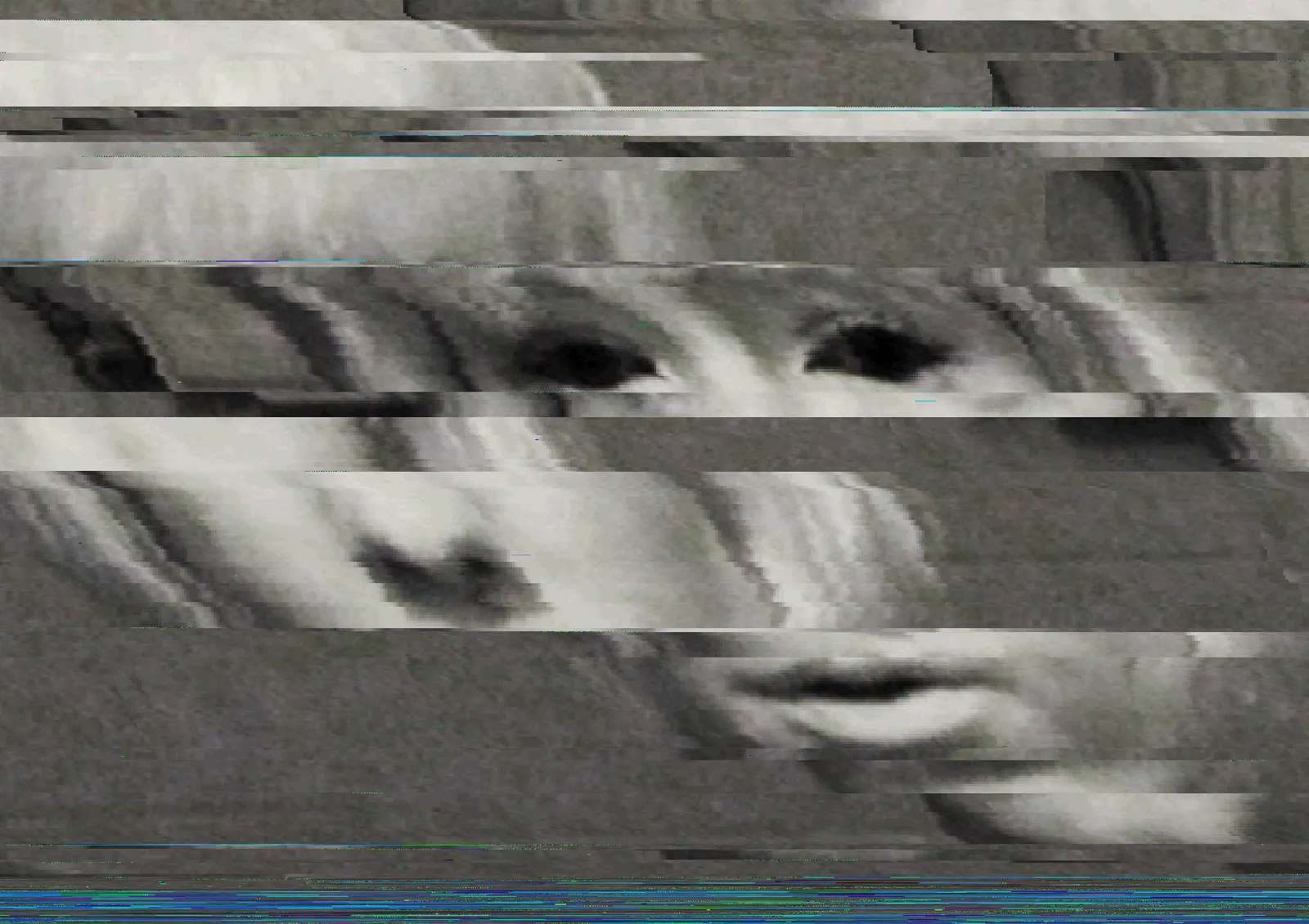
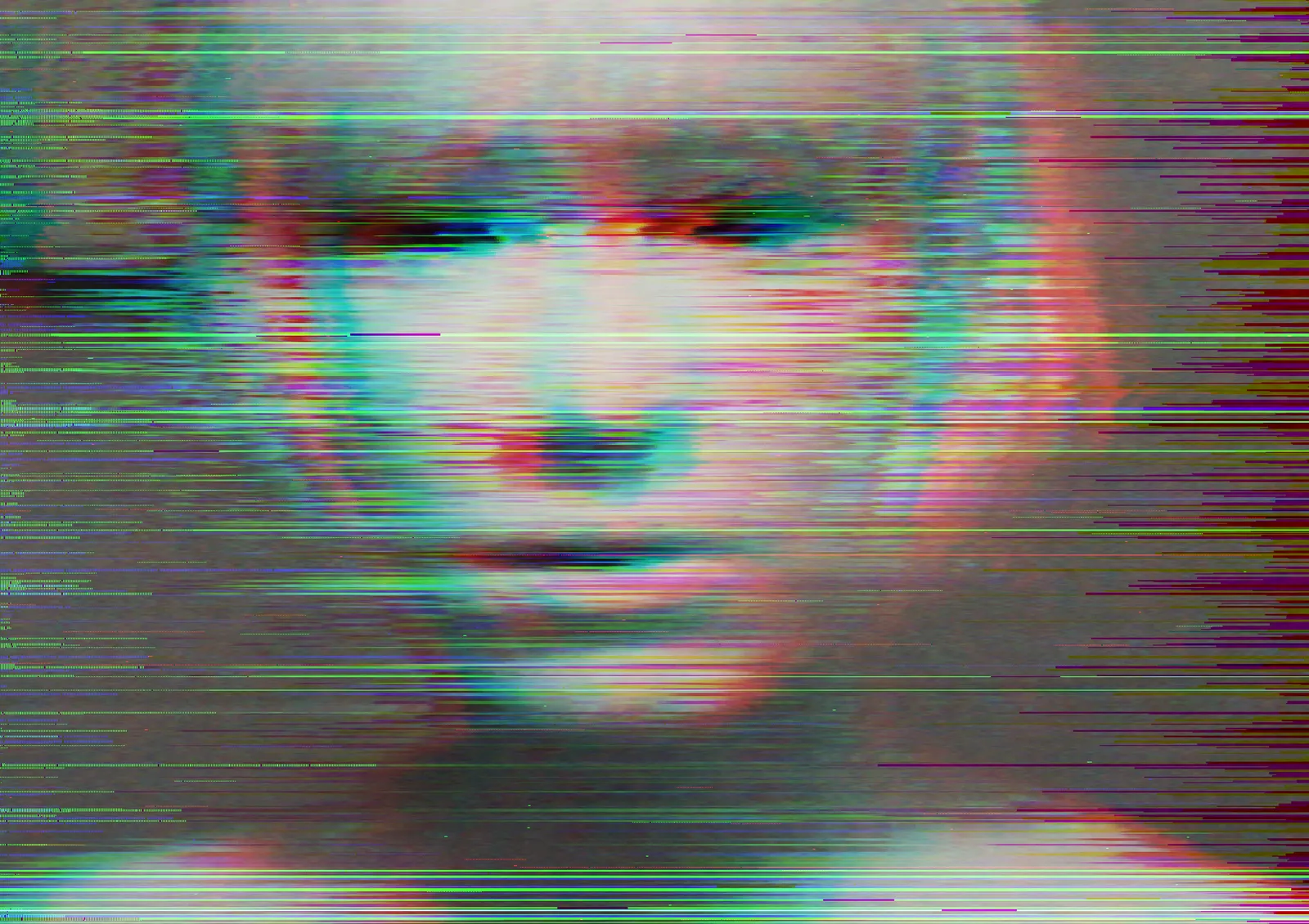
Kim Asendorf
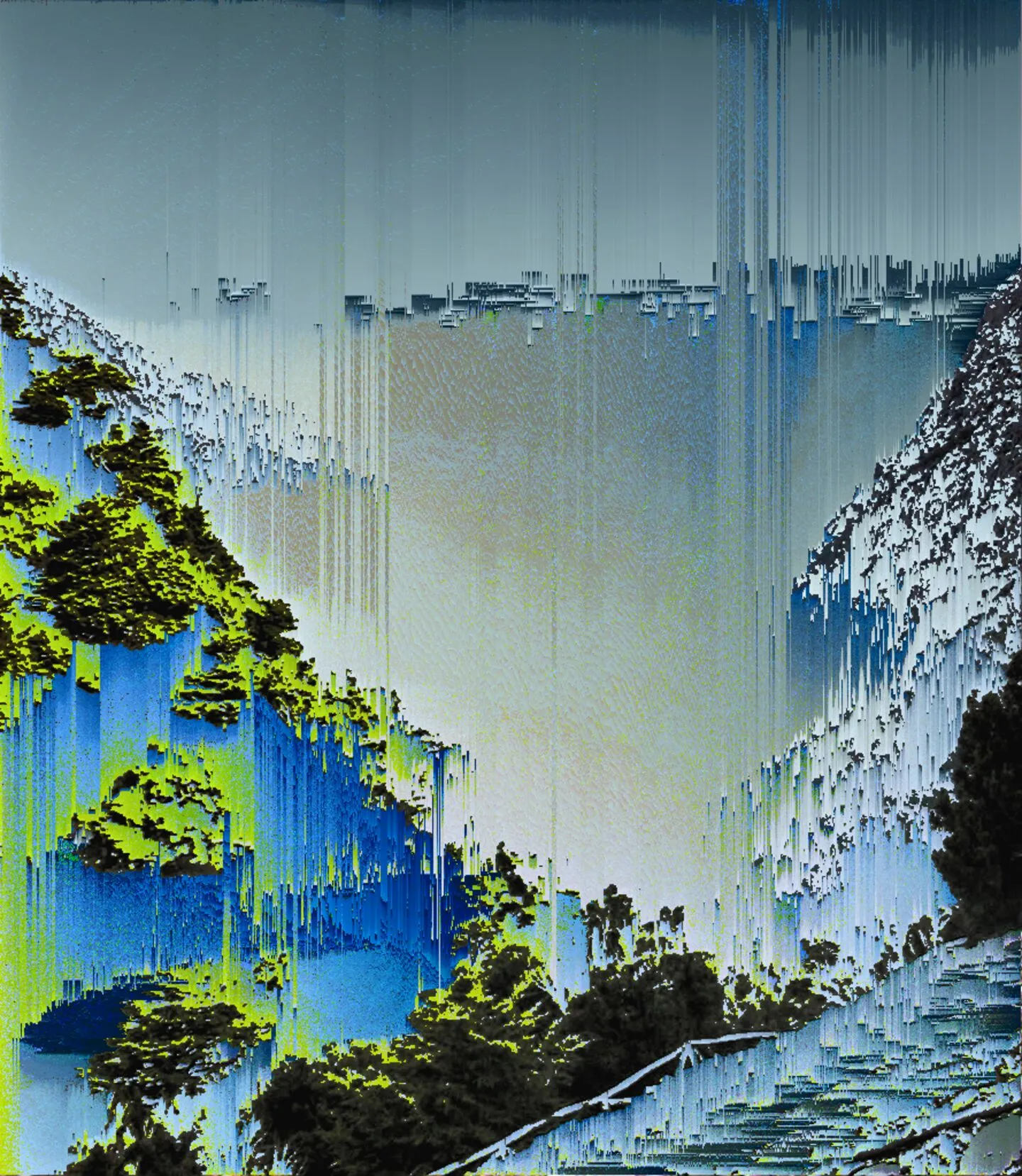
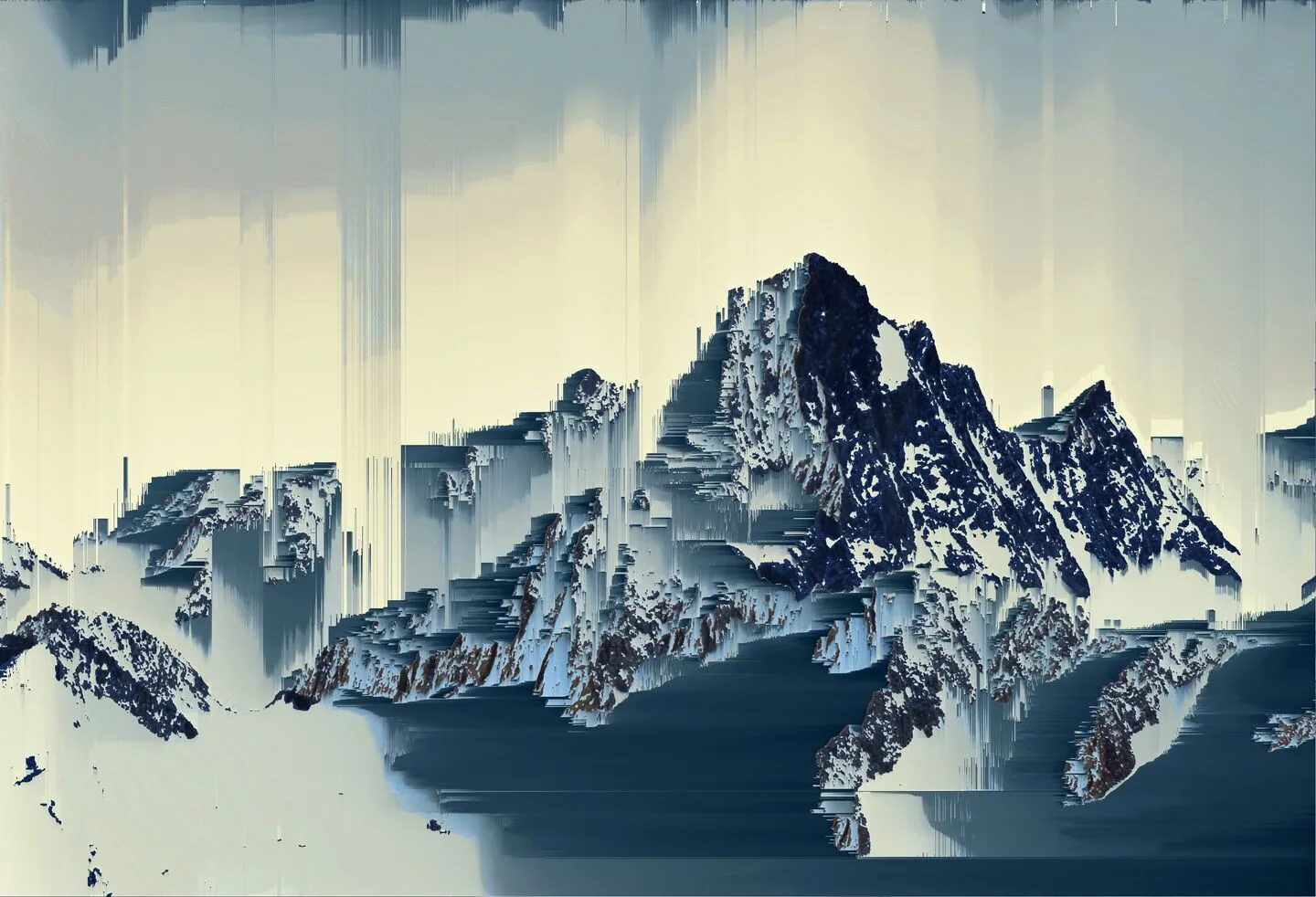
Sabato Visconti
-
SambaBot (datamosh GIF) · Sabato Visconti · Source -
Daddy (Lit in Glitch series) · Sabato Visconti · Source -
Glitch GIF (m07) · Sabato Visconti · Source -
HFW Glitch GIFs — Hartford Fashion Week (2015) · Sabato Visconti · Source -
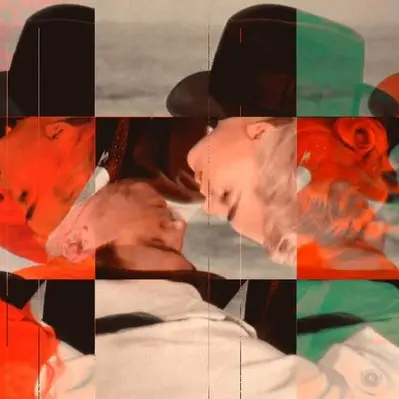
Glitch Photography — databent still (vertigo) · Sabato Visconti · Source -
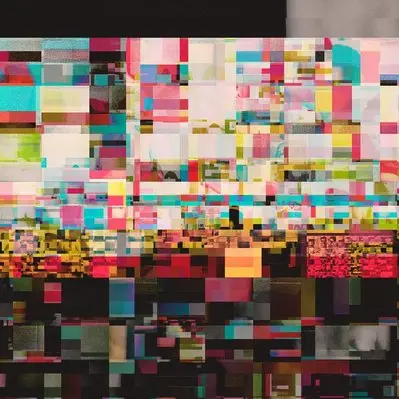
Glitch Photography — databent still (cache9) · Sabato Visconti · Source
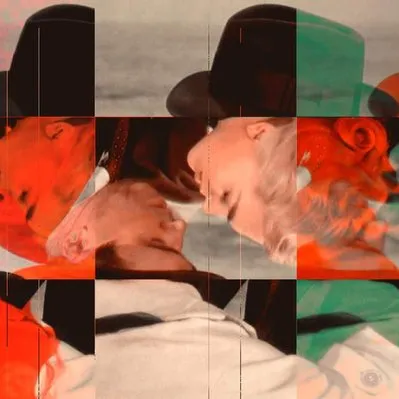
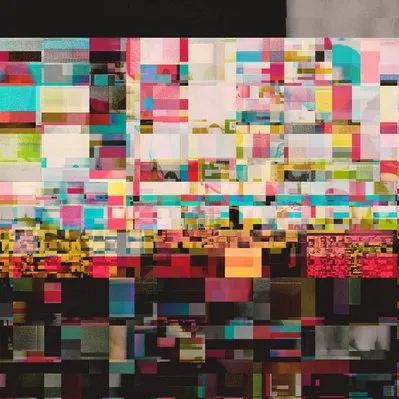
Daniel Temkin
-
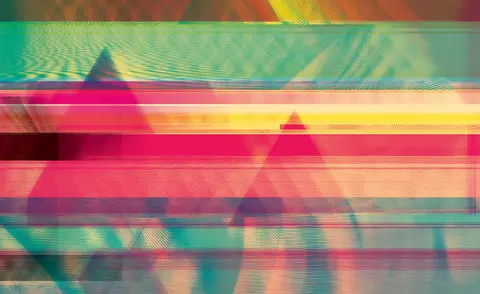
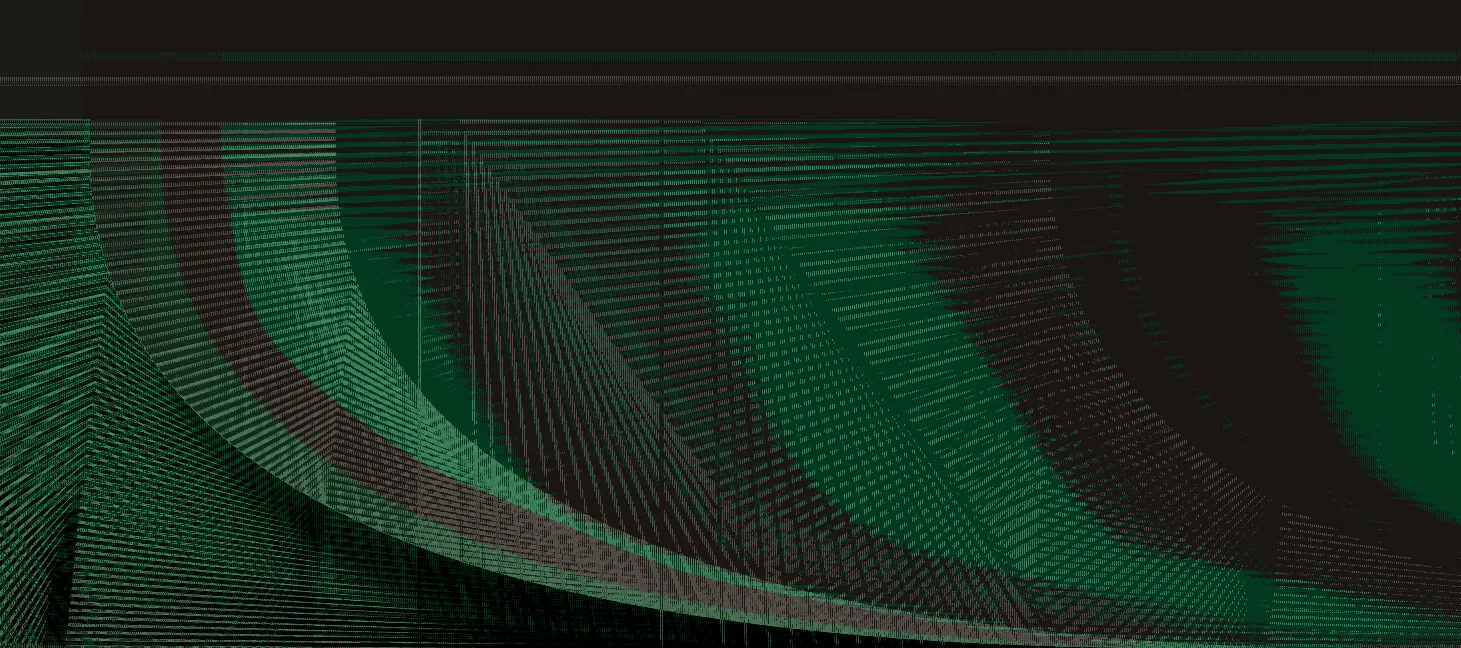
Glitchometry — triangle study (tri_1) · Daniel Temkin · Source -
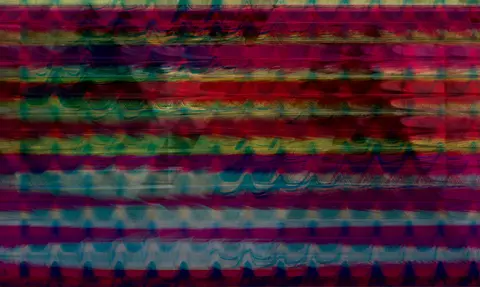
Glitchometry — triangle study (tri_5) · Daniel Temkin · Source -
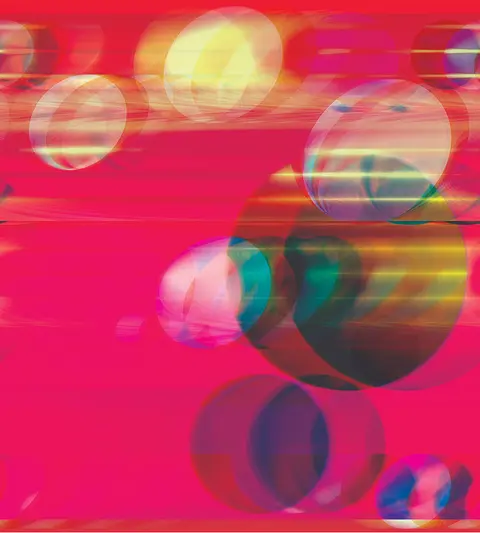
Glitchometry — circle study (circles_4) · Daniel Temkin · Source -
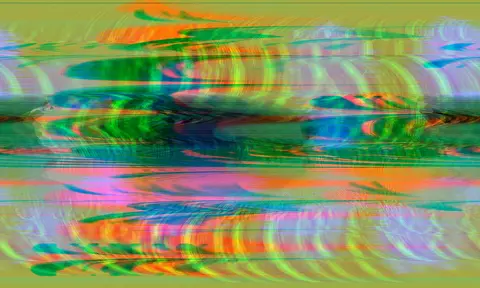
Glitchometry — circle study (circles_6) · Daniel Temkin · Source -
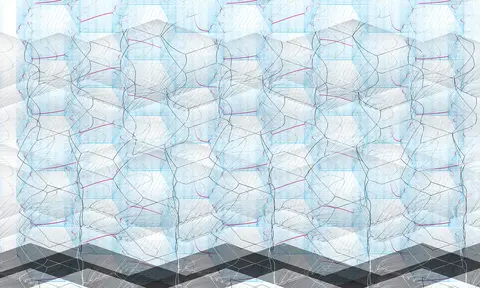
Glitchometry — honeycomb study · Daniel Temkin · Source -
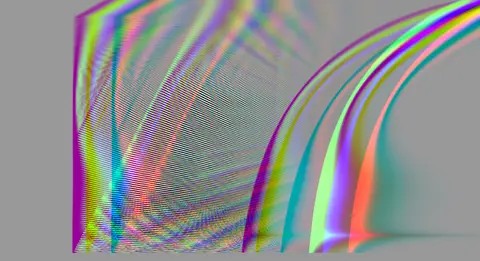
Glitchometry (glitchometry_17) · Daniel Temkin · Source -
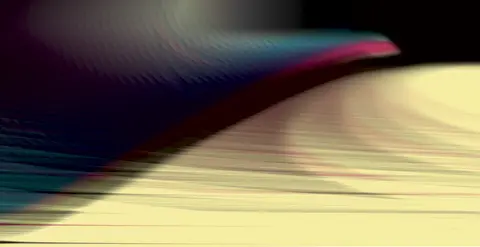
Glitchometry (glitchometry_29) · Daniel Temkin · Source -
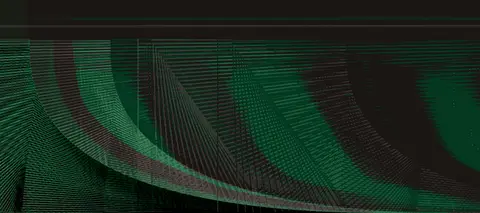
Glitchometry (glitchometry_32) · Daniel Temkin · Source
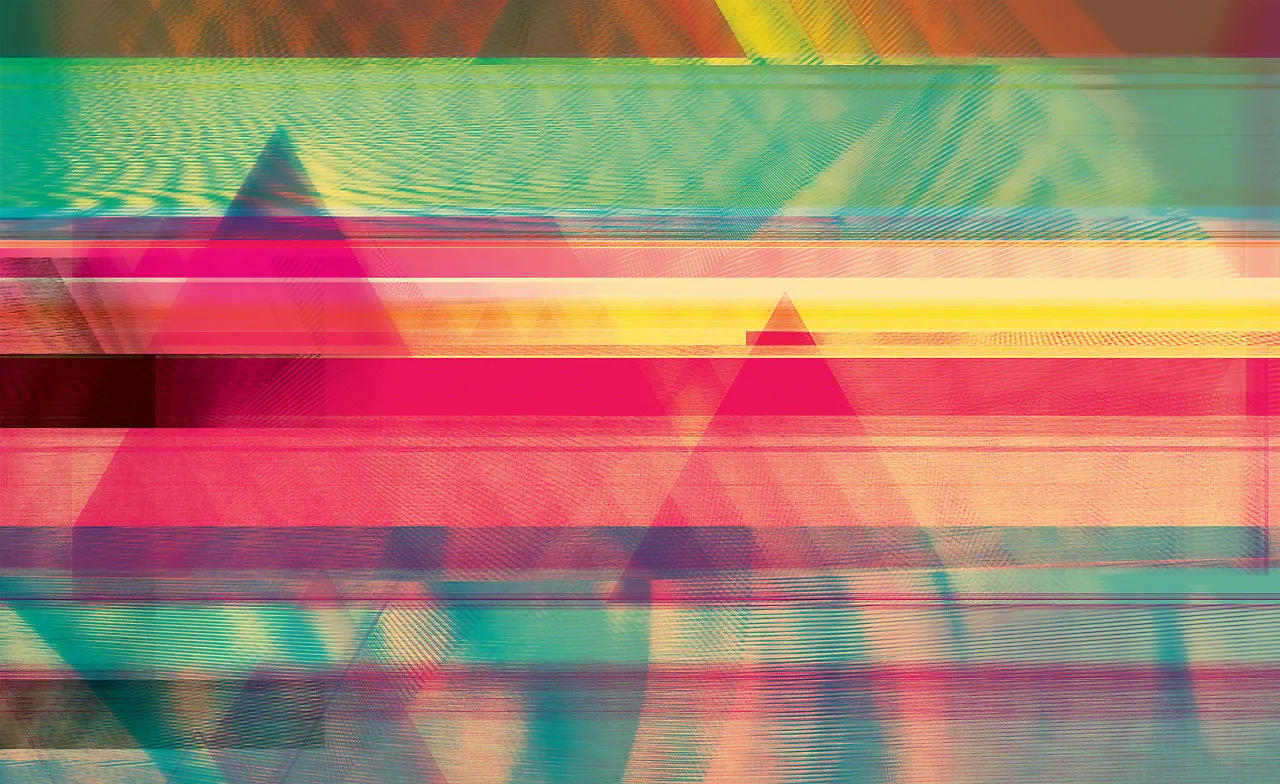
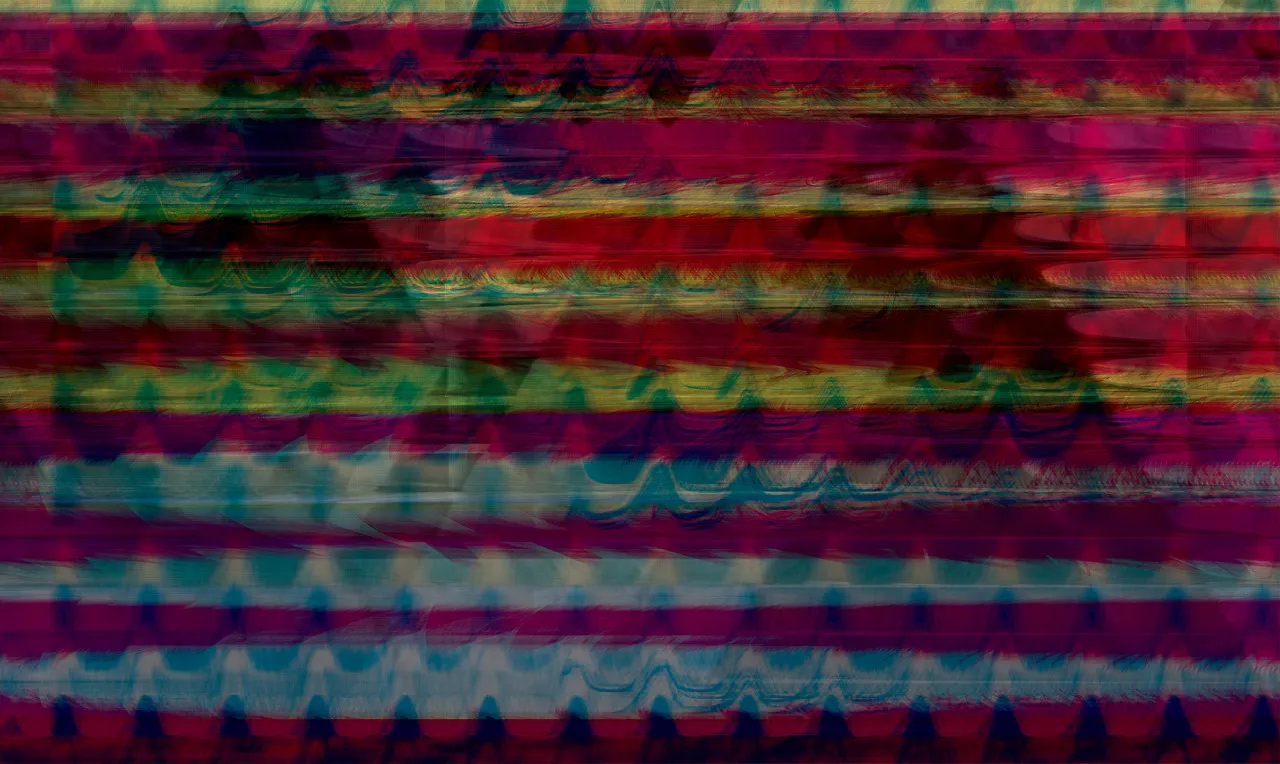

Techniques
- datamoshing (I-frame deletion / keyframe removal)
- P-frame motion-vector bloom & pixel-bleed
- databending (editing file bytes in a text or audio editor)
- circuit bending
- wrong-codec / corrupt-decode playback
- pixel sorting
- video feedback
- compression artifacting
- ROM hacking / prepared hardware
- sonification (mapping image bytes to audio DSP and back)
- the WordPad effect (re-saving raw bytes as rich text)
- JPEG DCT-block / quantization corruption
- GOP / encoding-interval manipulation
Tools
- Avidemux
- FFmpeg
- FFglitch
- datamosh / moshing scripts
- Audacity (databending)
- hex editors
- Processing / p5.js (pixel sorting)
- After Effects
- text editors (databending)
- Photoshop / GIMP (raw / .RAW import-export)
- WordPad / TextEdit
- glitch / databending web tools (Snorpey, ucnv)
- ASDFPixelSort & forks (e.g. satyarth/pixelsort)
What to take from it
Smear is motion, not noise
A datamosh bloom carries the motion of one shot onto another — so it reads best on a hard cut between two clips with clear, different movement. Time the I-frame deletion to a beat and the smear becomes choreography, not accident (as in Monster Movie).
Protect the header, ruin the body
All databending depends on keeping the file's header intact while corrupting the payload. Select effects starting just below the top of the imported data; if a clean strip survives at the bottom, you spared too much. Use lossless raw formats (BMP/TIFF) — JPEG/PNG headers shatter the whole file.
Threshold is the dial
In pixel sorting, the threshold value (and which channel — brightness vs hue) decides everything: low thresholds streak almost everything, high thresholds sort only the brightest or darkest runs, leaving the subject legible underneath. Sort by column for waterfalls, by row for horizons.
Further reading
- Datamoshing: How It Works (I-frame / P-frame, FFmpeg & Avidemux) — Glitchology
- stAllio! — Databending & Glitch Art Primer, Part 1: the WordPad effect
- Kim Asendorf — ASDFPixelSort (Processing source on GitHub)
- Rosa Menkman — A Vernacular of File Formats (archive)
- Takeshi Murata — Monster Movie, Smithsonian American Art Museum
- Nick Briz — Databending 101 (free interactive tutorial)