Atlas
Atlas indexIsometric / Diorama / Low-Poly Worlds
Tiny faceted worlds you could pick up in one hand.
- low-poly
- isometric
- orthographic
- diorama
- blender
- cinema4d
- flat-shading
- tilt-shift
What it is
A 3D craft built in modeling software (Cinema 4D, Blender) where scenes are rendered through parallel/orthographic or near-orthographic projection, so there is no vanishing point. Geometry is reduced to a low polygon count with hard faceted edges and flat or near-flat color, and the framing presents a self-contained miniature: a 'world on a plinth.' A tilt-shift-style shallow depth cue often reinforces the read that the scene is a physical tabletop model rather than a place.
How it is made
Orthographic camera, no perspective
The camera is set to parallel (orthographic) projection, or a tight near-orthographic angle, so parallel edges stay parallel and depth reads as a stacked grid. This is the dimetric/isometric 'doll-house' look — depth without a vanishing point — letting every part of the scene sit at equal visual weight.
Reduced geometry, faceted on purpose
Forms are built from a deliberately small polygon count and left flat-shaded, so each facet catches light as a distinct plane. Organic shapes (water, hills, trees) get reinterpreted as angular, stripped-down geometry. Many artists don't track a strict polygon 'budget' — the sharp, visible edges are the point, not the limit.
Flat color, lighting does the work
Surfaces are mostly plain diffuse color — no photoreal texture maps — kept to a tight, often analogous palette. Mood is carried almost entirely by lighting: a key sun, soft ambient fill, and long faceted shadows. A shallow depth-of-field / tilt-shift blur is added in render or post to sell the 'miniature model' read.
Where it comes from
Born from arcade hardware limits
The fixed angled overhead look began with early-1980s arcade games — Sega's Zaxxon and Q*bert (both 1982) — which faked depth with a 2:1 pixel ratio (technically dimetric, not true isometric) because hardware couldn't render real 3D. It flourished in the 8/16-bit strategy and sim era (SimCity 2000, Civilization II, Diablo, X-COM) for its grid-friendly, vanishing-point-free clarity.
Low-poly as a forced, then chosen, style
Flat-shaded faceted 3D started as necessity: Elite (1984), the SNES Super FX chip and Star Fox (1993), then the PlayStation and Nintendo 64 era where models ran a few hundred polygons (Tomb Raider's Lara ~230-540). Japanese developers turned the limit into signature — readable silhouettes and personality from a few dozen shapes. What was a constraint later became a deliberate anti-photoreal aesthetic.
The personal-render diorama wave
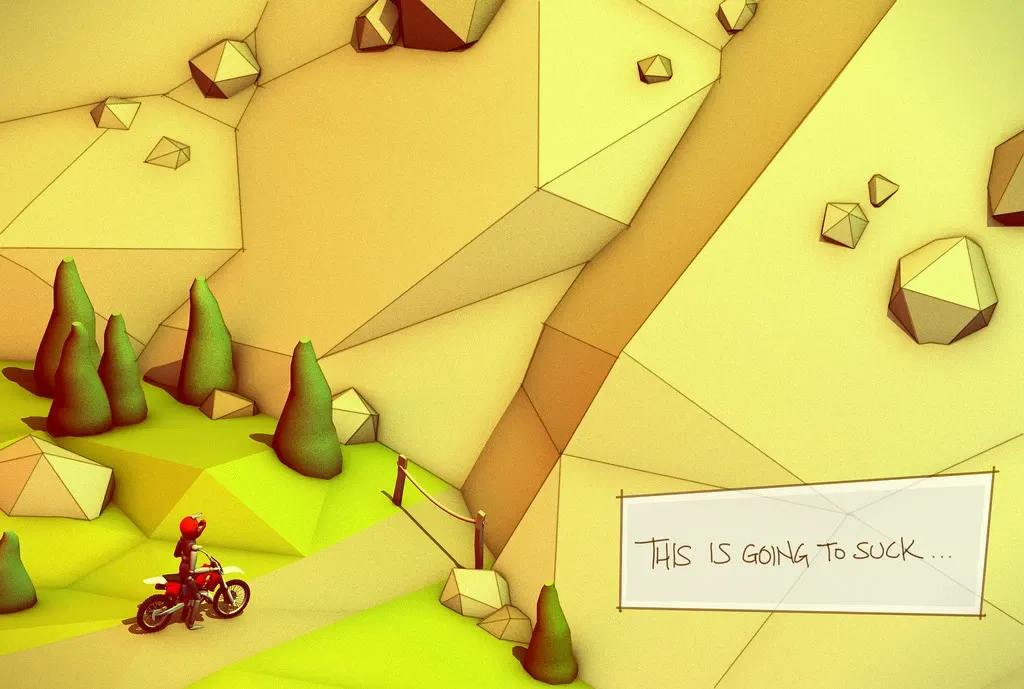
In the 2010s independent 3D illustrators carried the look out of games and into standalone art. Tim Reynolds' Cinema 4D 'Isometric Worlds' (covered by Vice in 2013) and, later, a Blender-centered community (Polygon Runway, Mohamed Chahin, Ângelo Fernandes) made the self-contained low-poly diorama its own craft — small toy worlds built for their own sake.
Artists
-
Timothy J. Reynolds (Turnislefthome)
"Isometrics" series (Cinema 4D, 2012–); low-poly water studies; little-world dioramas; theme-park, pool and conference-room scenes
Milwaukee illustrator whose self-initiated Cinema 4D 'Isometrics' (Vice, 2013) defined the analogous-palette, faceted-water diorama and the toy-world-on-a-plinth look.
-
3D Environment Illustrations; 3D Pop-Culture Rooms; Isometric Cities / Buildings; Hogwarts Diorama
Bratislava designer behind the 500k-strong Polygon Runway channel, building cozy Blender low-poly dioramas — rooms, shops and isometric cities — with warm key light and flat diffuse color.
-
Tiny Cabins; Low Poly Planet; Tiny Rooms; Cosy Room; Lofi Cyberpunk; Halloween Autumn Cabin; Low Poly San Francisco
Egyptian artist in Berlin known for cozy flat-color interiors, tiny faceted cabins and self-contained low-poly worlds, all modeled and lit entirely in Blender.
-
Fishing village; Japanese Restaurant; Minka House; Old Dock Scene; Korean shop; Seinfeld set diorama; Quasi-medieval diorama; Cardboard neighborhood
Lisbon 3D artist whose minimalist-yet-prop-dense low-poly dioramas — many Japan-inspired — use pastel flat color and a contained plinth, all built and taught in Blender.
-
"Everydays" daily renders (2007-); "Everydays: the First 5000 Days"
Charleston designer who has posted one finished render every day since 2007, much of it Cinema 4D, normalizing the daily-render practice that fed the diorama scene.
-
"Pixorama" isometric pixel cityscapes; posters and commissioned 3D-pixel illustration
Berlin pixel studio founded in 1997 that built dense isometric pixel cityscapes from a reusable parts library, the early template for the iso-pixel city.
-
Minimalistic voxel work since the mid-2000s; low-poly faceted illustration
Dutch designer making minimalist voxel and faceted low-poly illustration since the mid-2000s, predating Minecraft and the modern voxel-editor wave.
-
"Carved Cities"; "Cyberpunk Room"; voxel diorama scenes in MagicaVoxel + Photoshop
Paris art director whose voxel dioramas are built in MagicaVoxel and stitched in Photoshop to beat its scene limit.
-
Illustrative CGI for JetBrains, Samsung, Microsoft, Nike, Adobe
Trier studio founded by Benjamin Simon and Dirk Schuster in 2013, making bright tactile CGI scenes and 3D type for brands worldwide.
-
Calm 3D still-life and dreamlike interiors; Windows 11 "Bloom" default wallpaper
Barcelona studio whose calm, clean 3D still-life scenes pair architectural precision with soft light, including the Windows 11 'Bloom' wallpaper.
-
"Home Sweet Home" isometric rooms; NVIDIA Studio work; Blender low-poly tutorials
Abu Dhabi artist known for single-room isometric interiors modeled and lit in Blender, with mood carried by the lighting.
-
isometric illustrations and looping animations; editorial and client iso scenes; animated iso GIF series
French illustrator-animator working in clean true-isometric vector and 3D, looping small machines and rooms in flat color with no vanishing point.
Frames
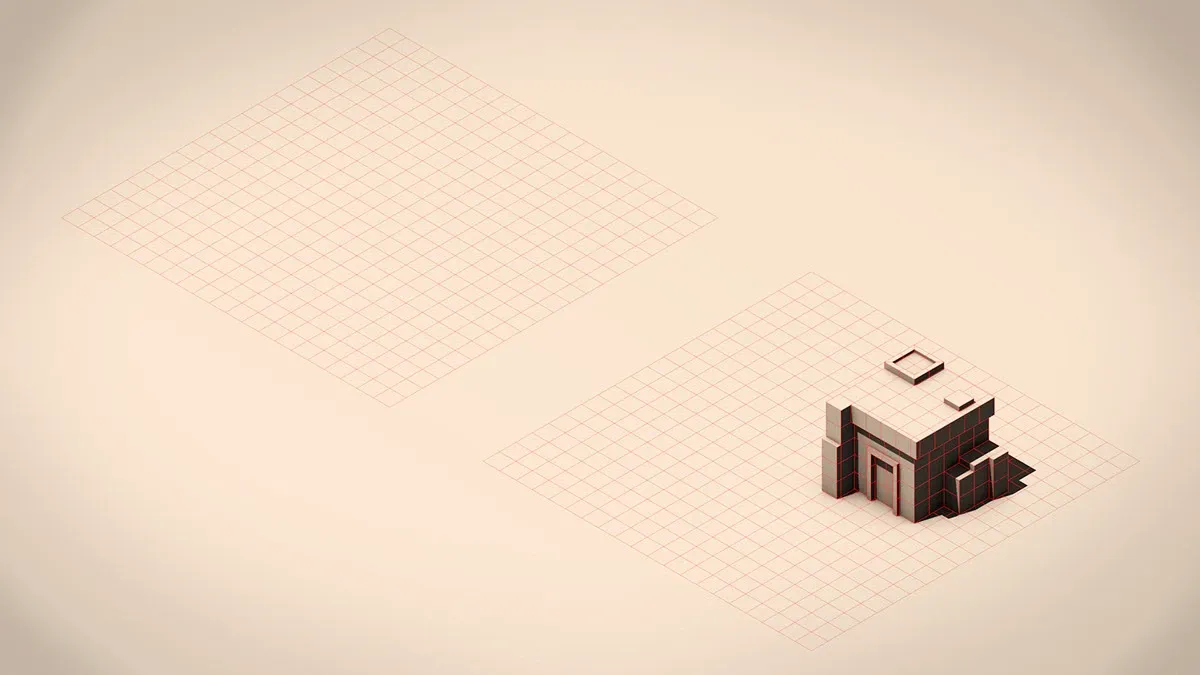
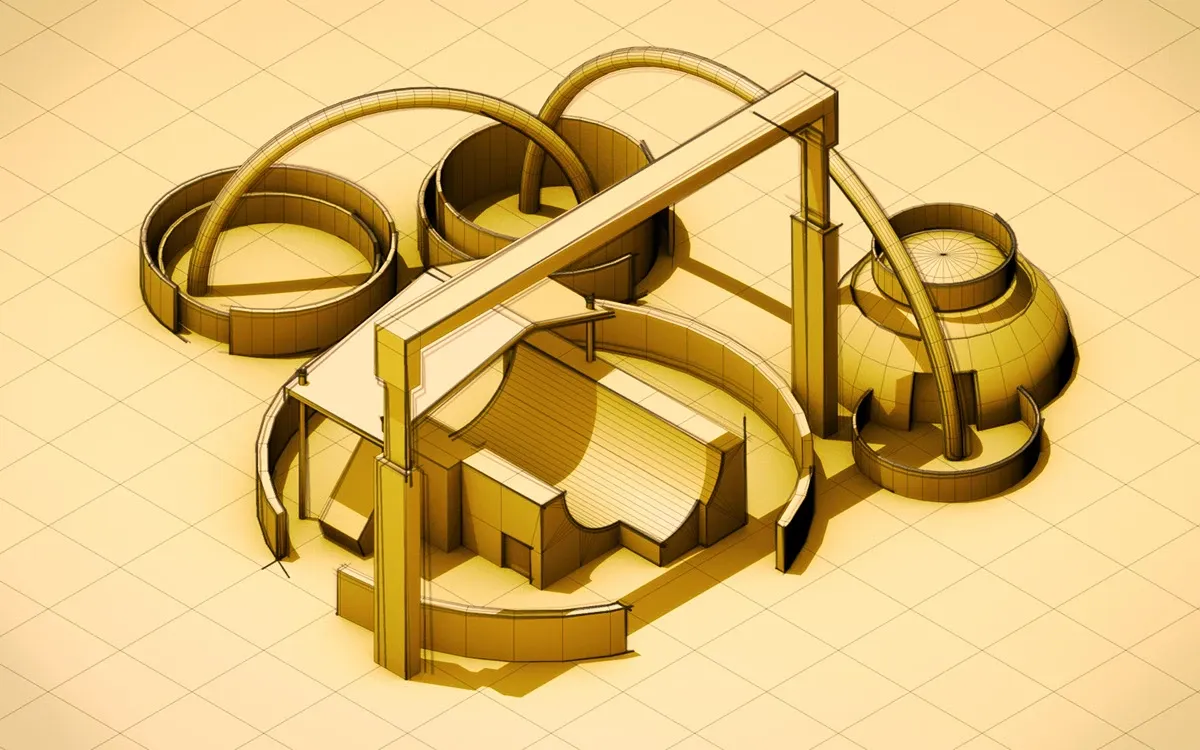
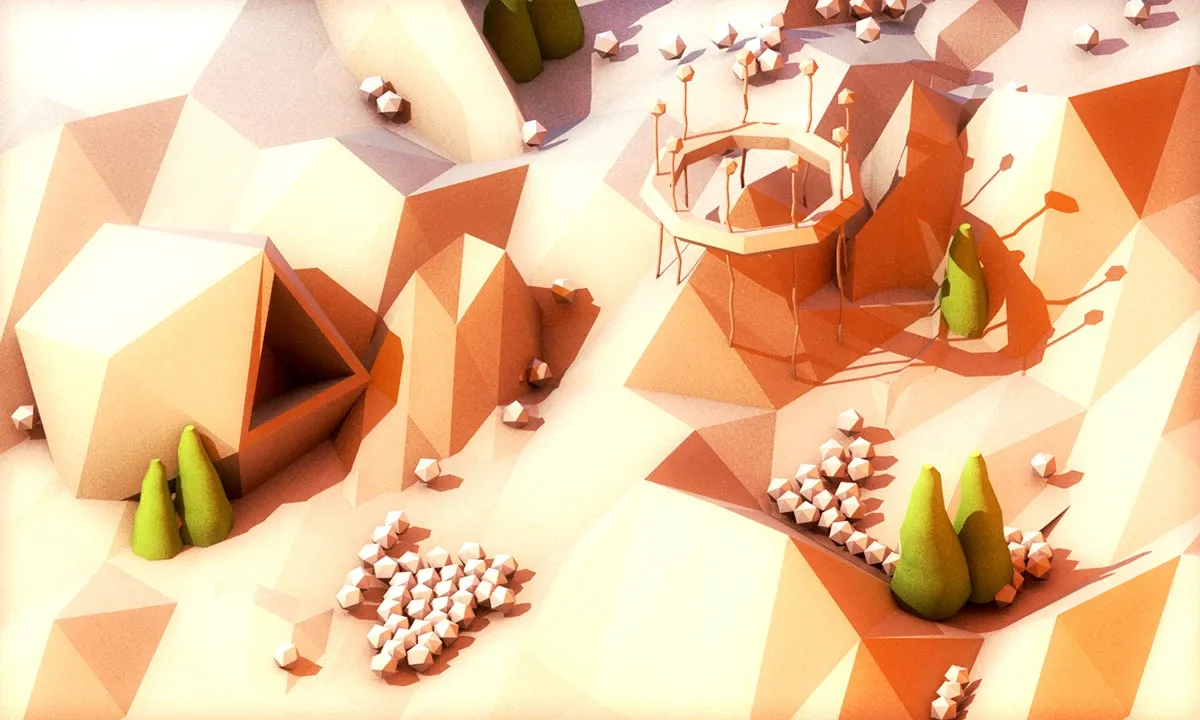
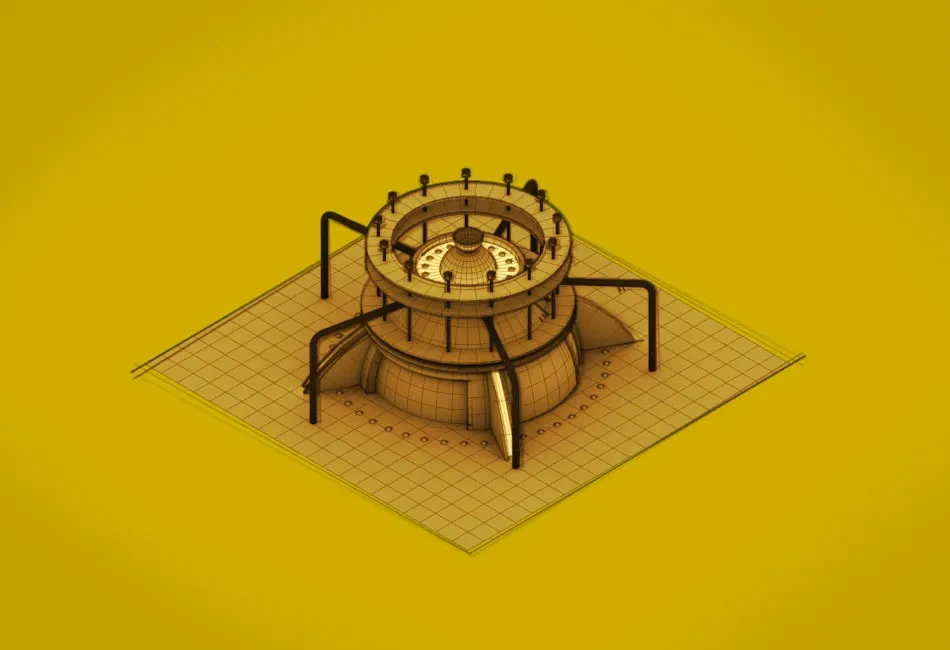
Timothy J. Reynolds (Turnislefthome)
-
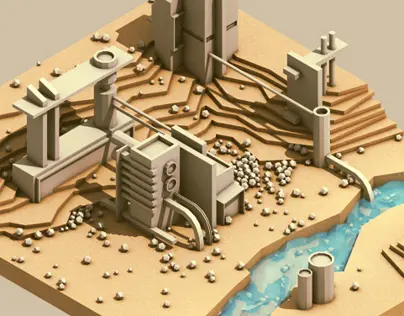
Isometrics (series cover) · Timothy J. Reynolds (Turnislefthome) · Source -
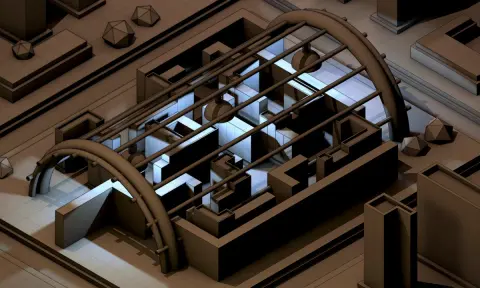
Isometrics · Timothy J. Reynolds (Turnislefthome) · Source -

Isometrics · Timothy J. Reynolds (Turnislefthome) · Source -
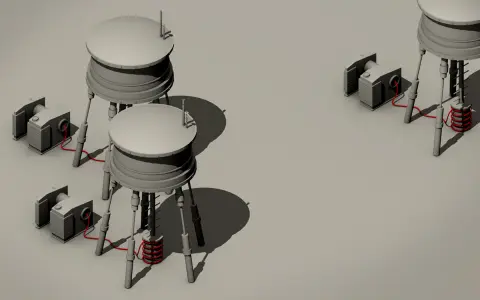
Isometrics · Timothy J. Reynolds (Turnislefthome) · Source -
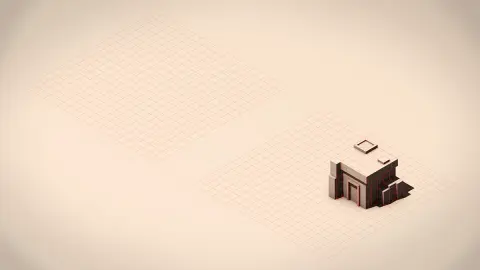
Isometrics · Timothy J. Reynolds (Turnislefthome) · Source -

Isometrics · Timothy J. Reynolds (Turnislefthome) · Source -

Isometrics · Timothy J. Reynolds (Turnislefthome) · Source -

Isometrics · Timothy J. Reynolds (Turnislefthome) · Source -
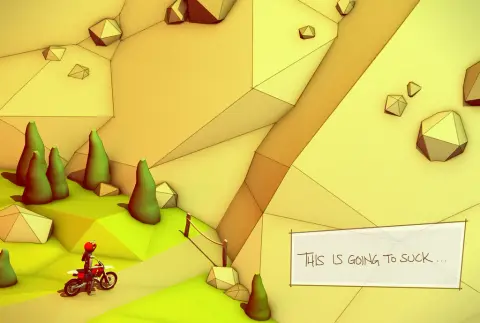
Isometrics · Timothy J. Reynolds (Turnislefthome) · Source
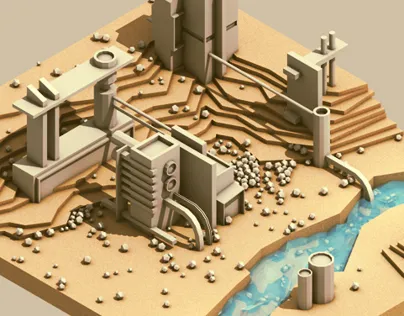
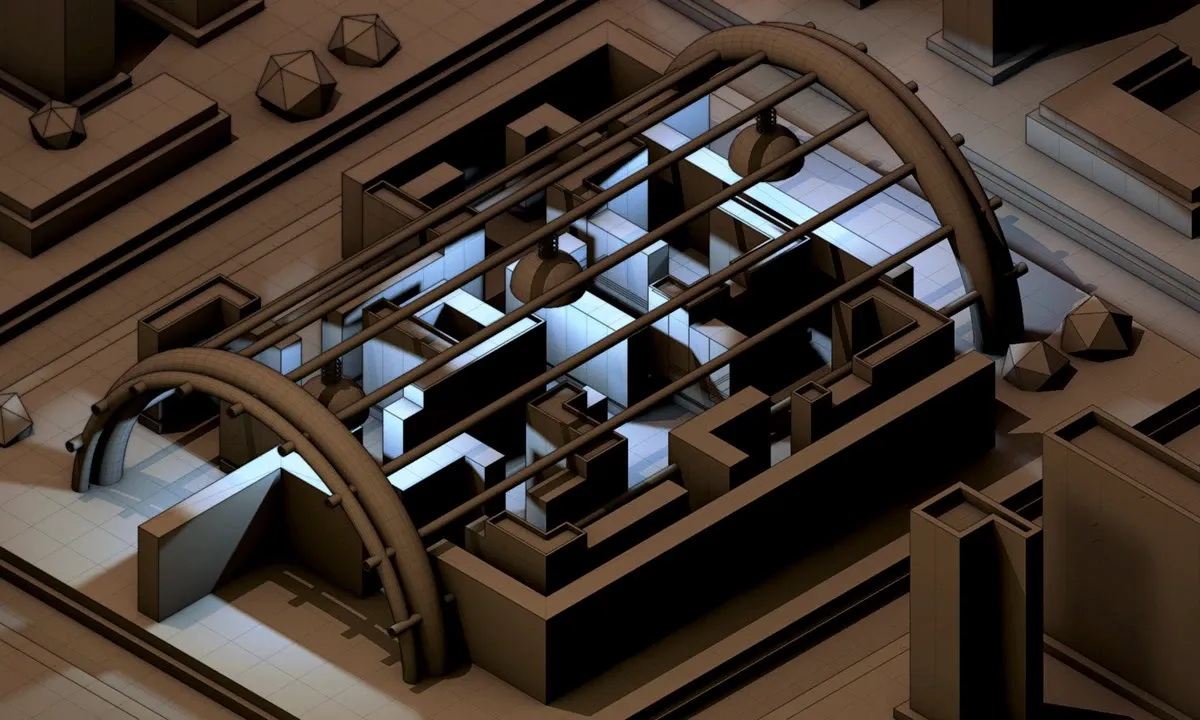

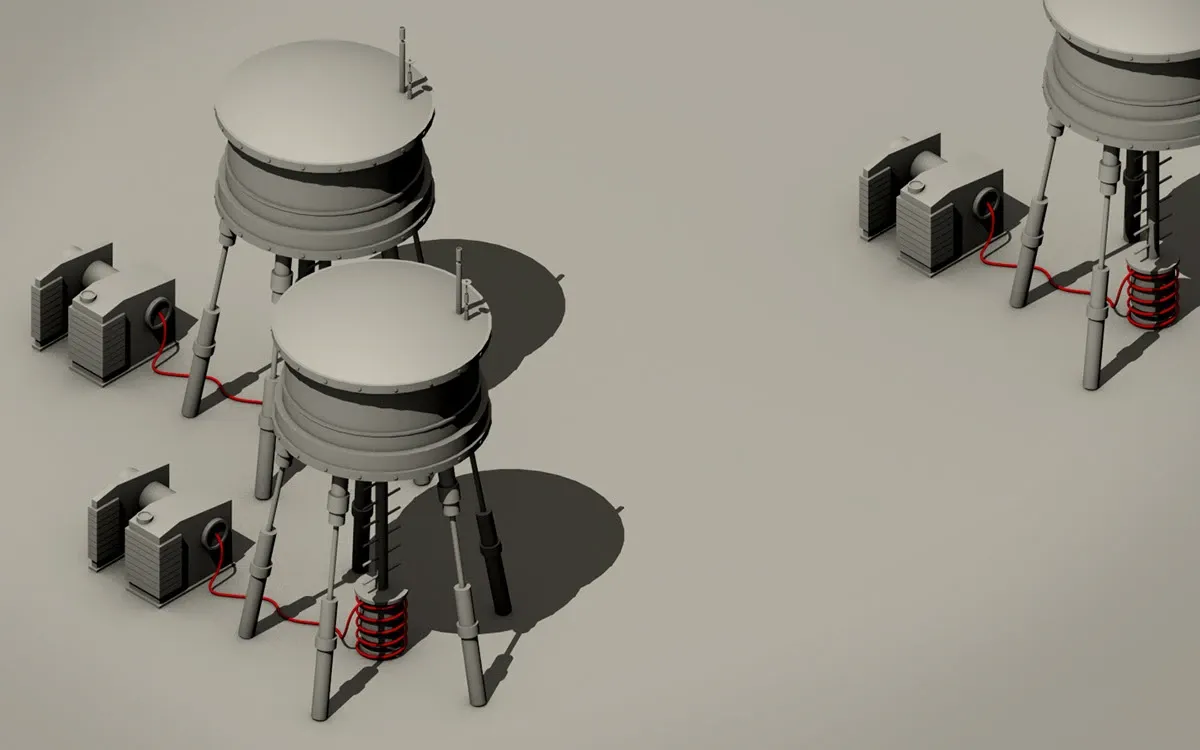
Roman Klčo (Polygon Runway)
-
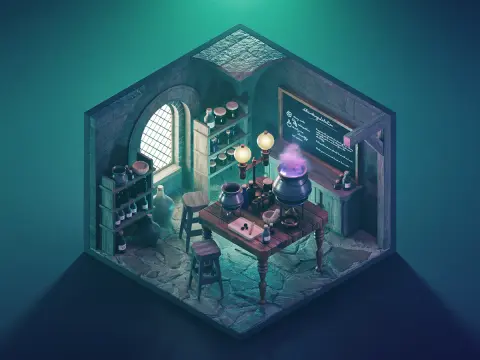
Hogwarts Diorama · Roman Klčo (Polygon Runway) · Source -

Isometric Environments (cover) · Roman Klčo (Polygon Runway) · Source -

3D Environment Illustrations · Roman Klčo (Polygon Runway) · Source -
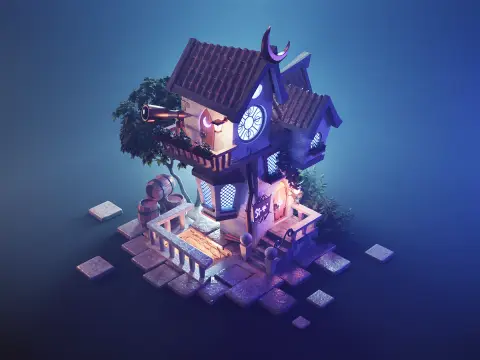
3D Environment Illustrations · Roman Klčo (Polygon Runway) · Source -
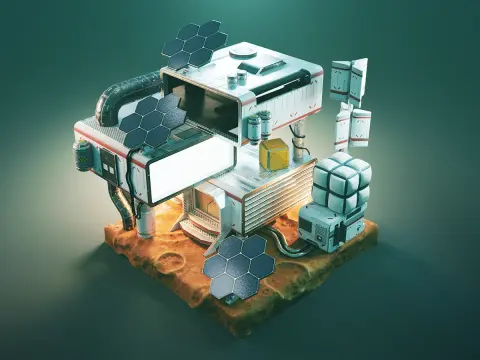
3D Environment Illustrations · Roman Klčo (Polygon Runway) · Source -
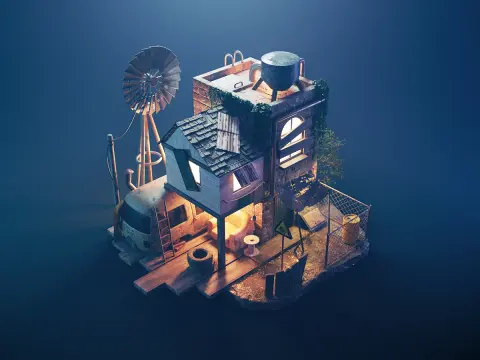
3D Environment Illustrations · Roman Klčo (Polygon Runway) · Source -
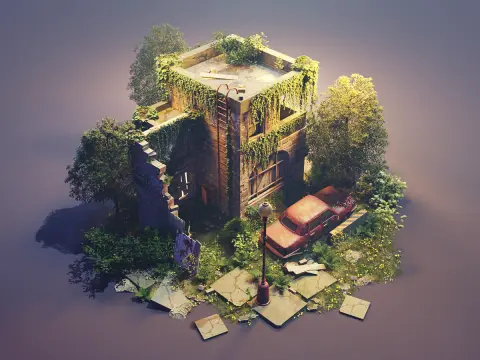
3D Environment Illustrations · Roman Klčo (Polygon Runway) · Source -

3D Environment Illustrations · Roman Klčo (Polygon Runway) · Source -
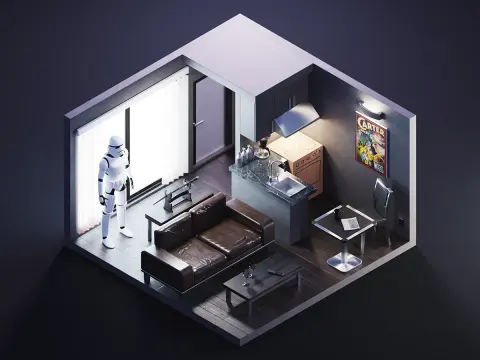
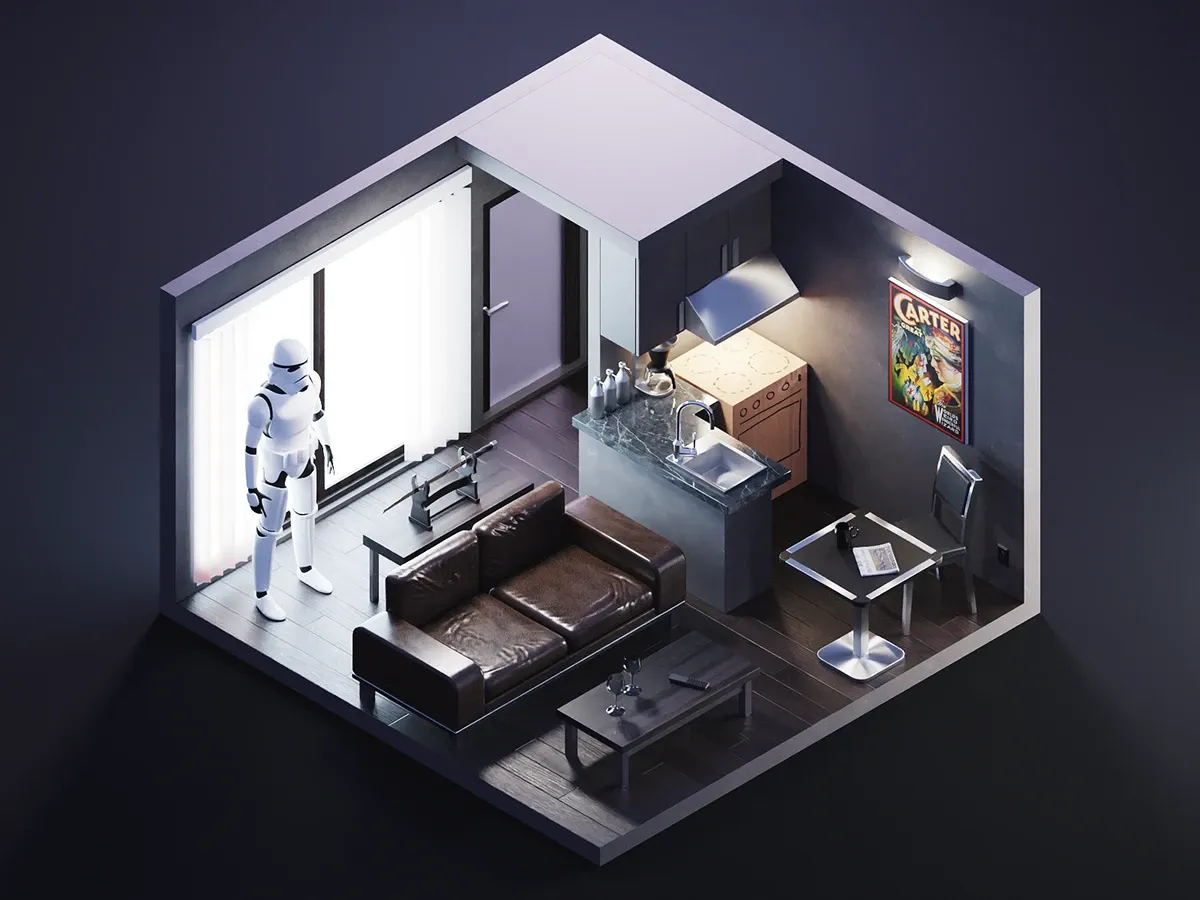
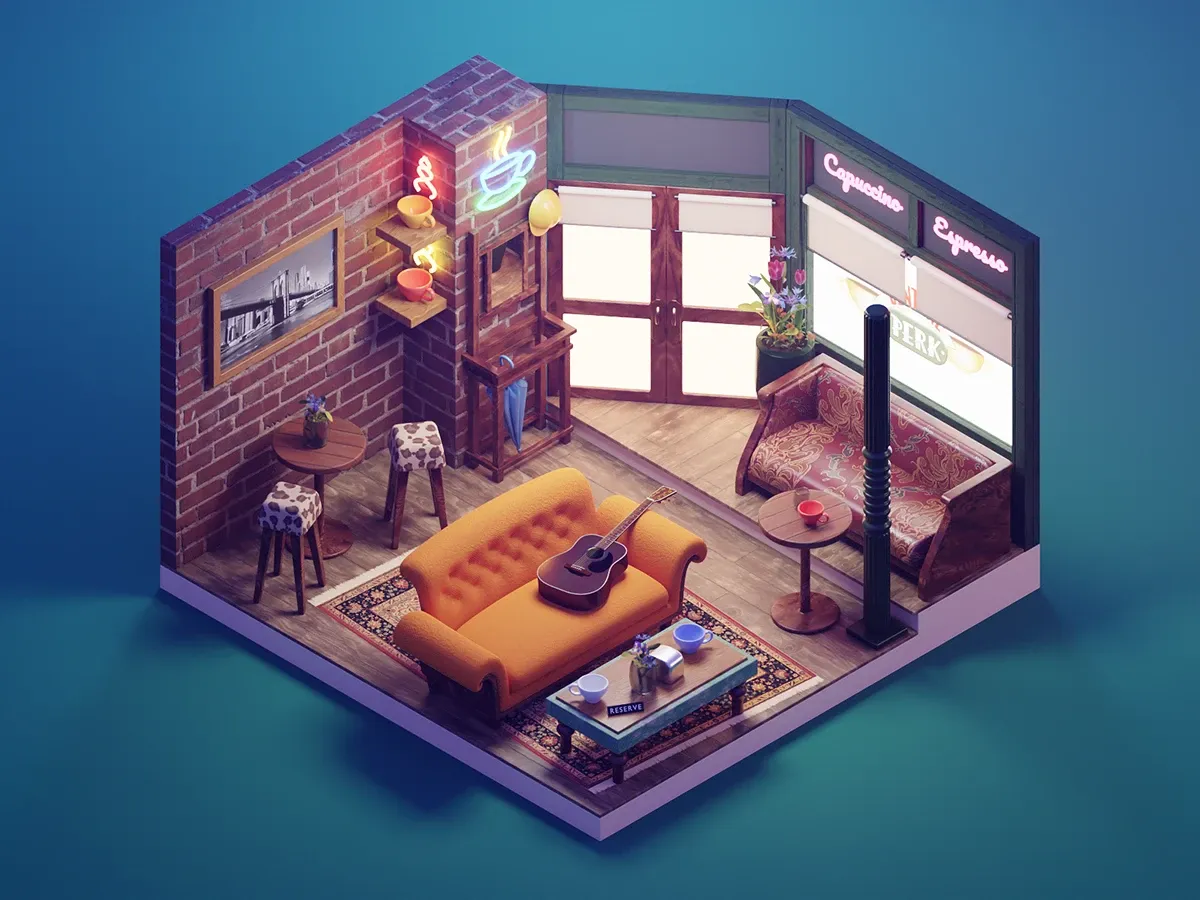
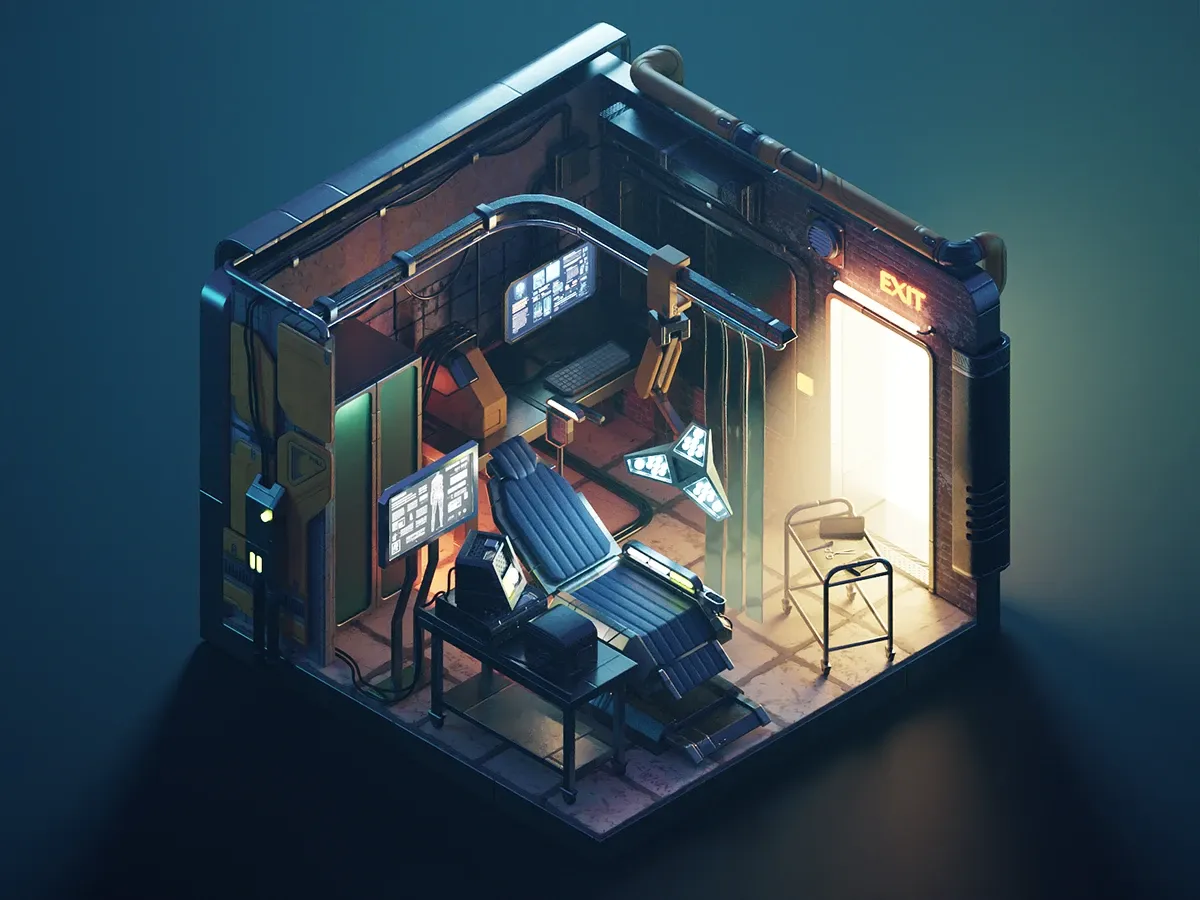
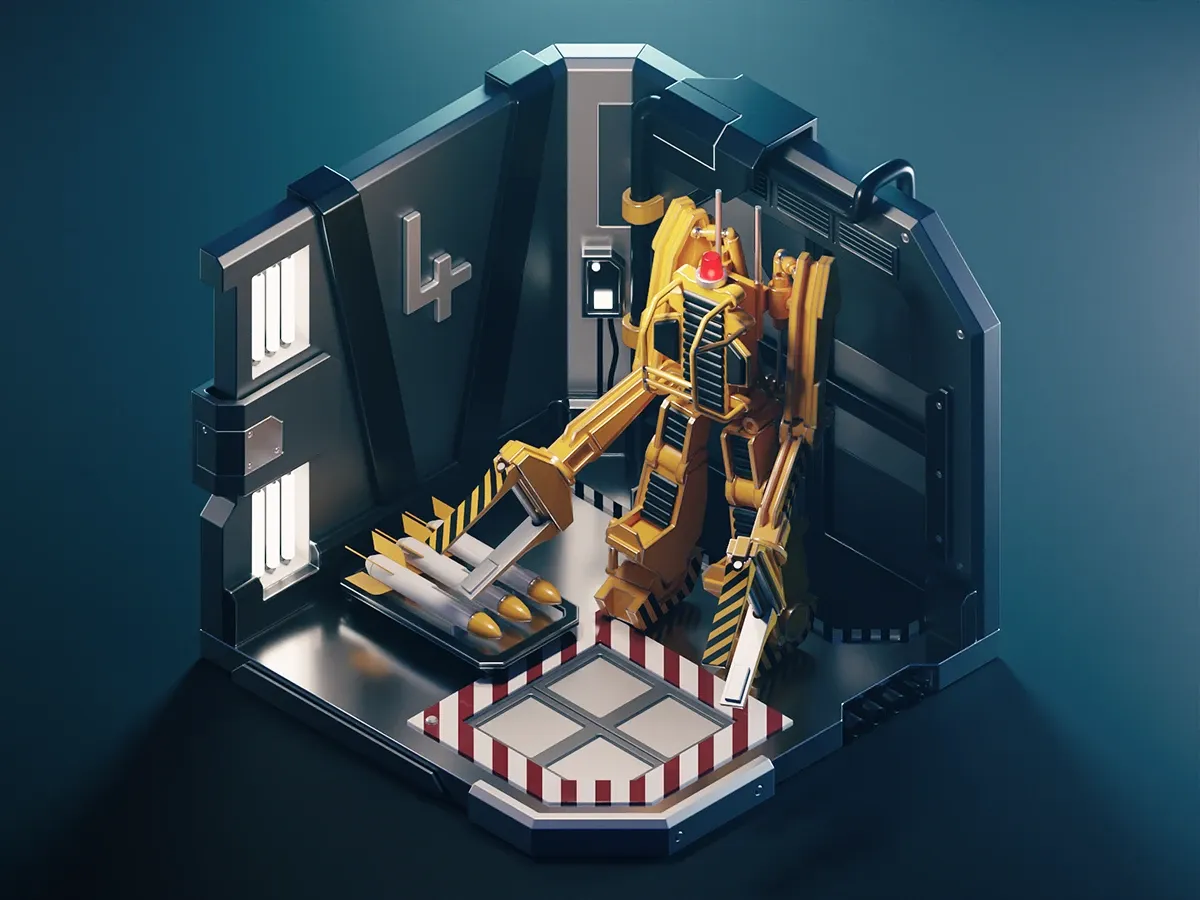
3D Pop-Culture Rooms · Roman Klčo (Polygon Runway) · Source -
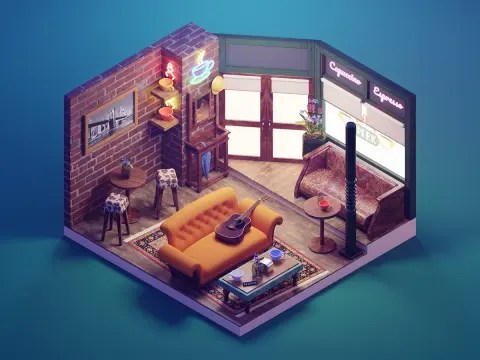
3D Pop-Culture Rooms · Roman Klčo (Polygon Runway) · Source -
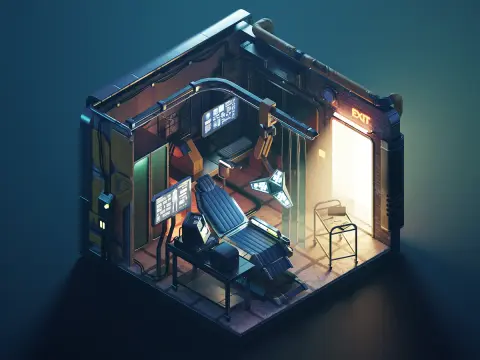
3D Pop-Culture Rooms · Roman Klčo (Polygon Runway) · Source -
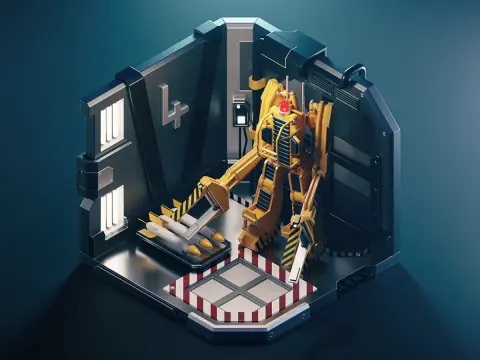
3D Pop-Culture Rooms · Roman Klčo (Polygon Runway) · Source
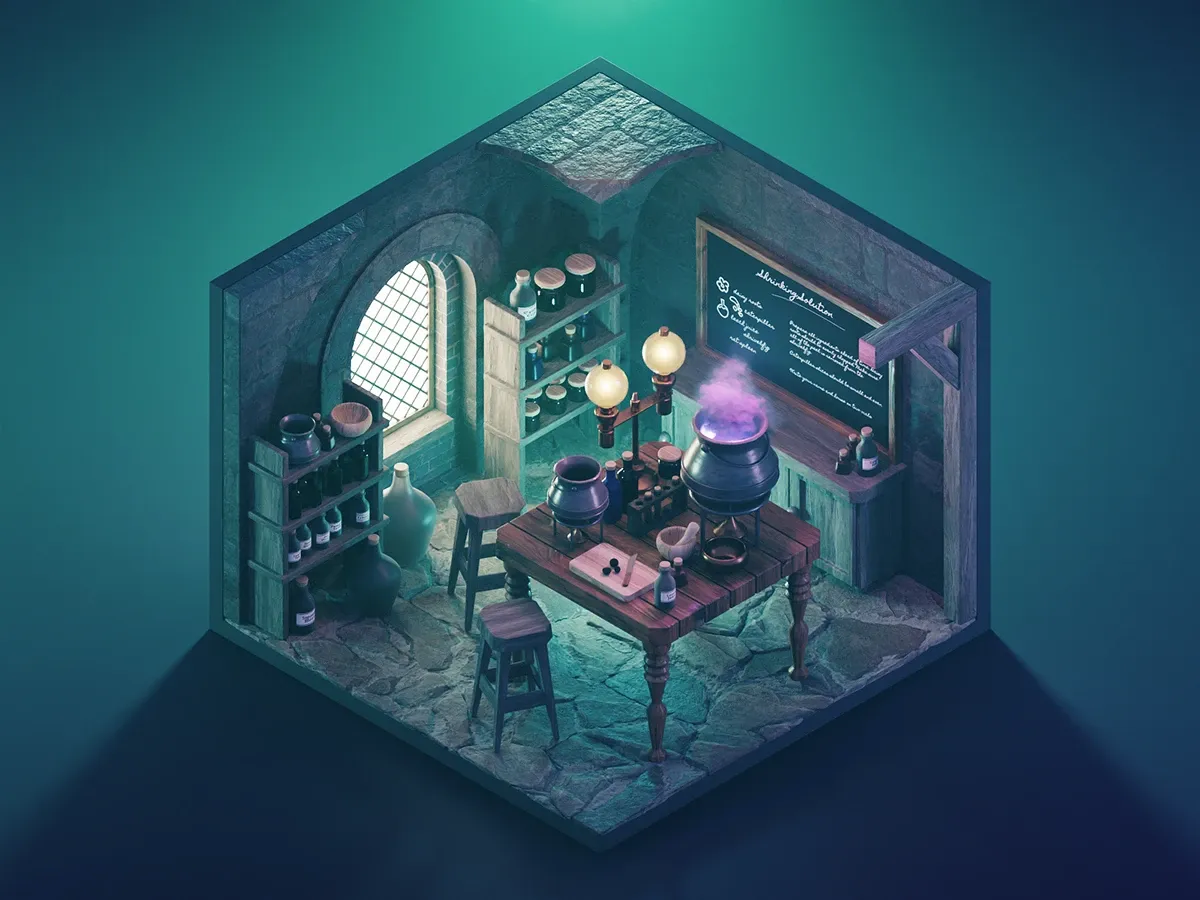

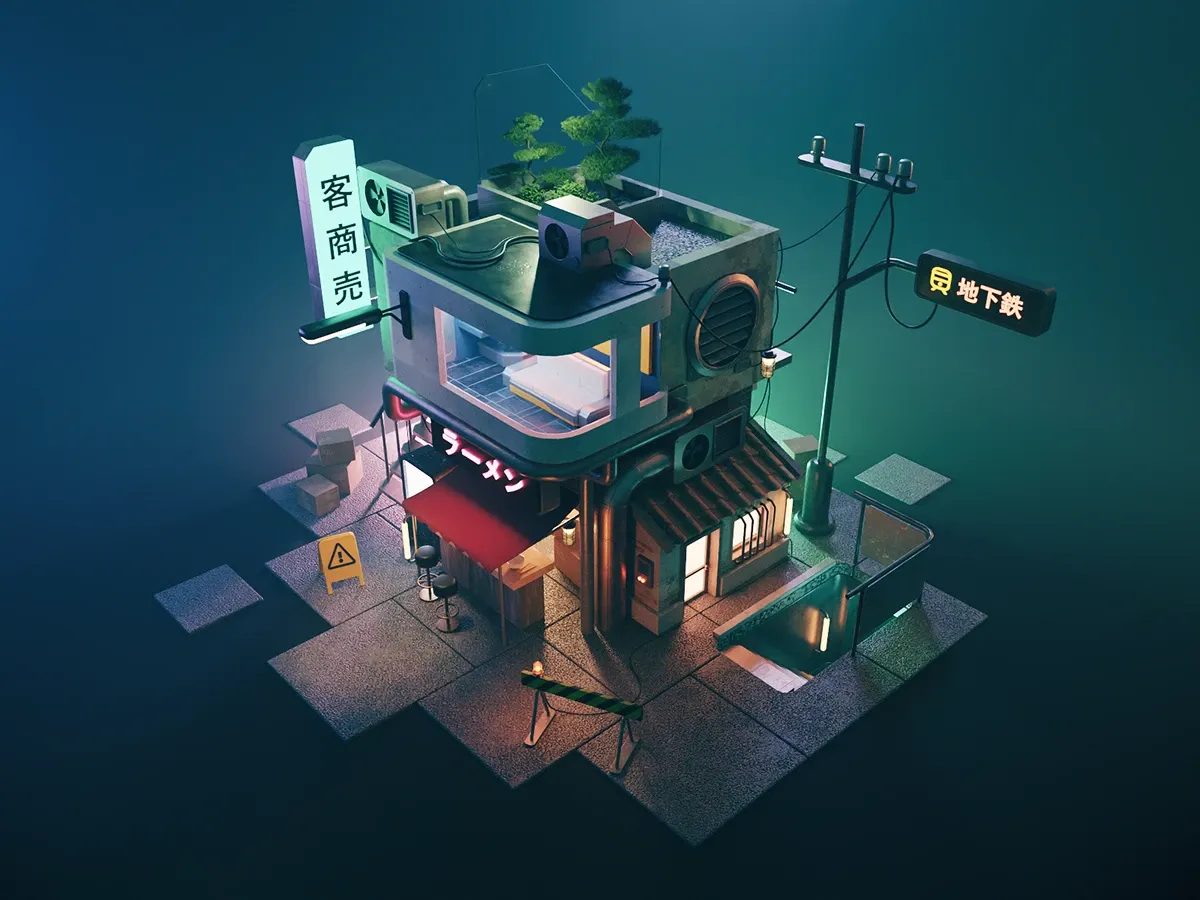
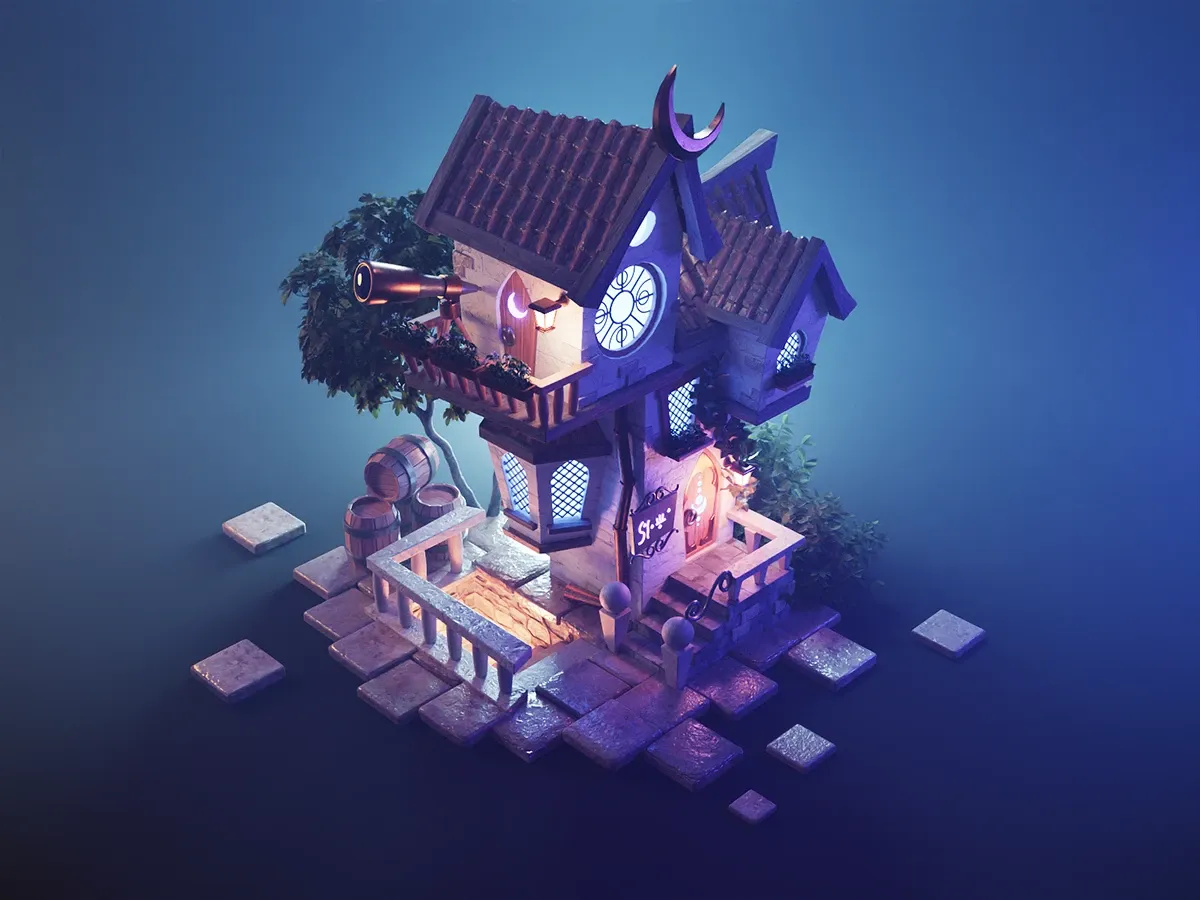
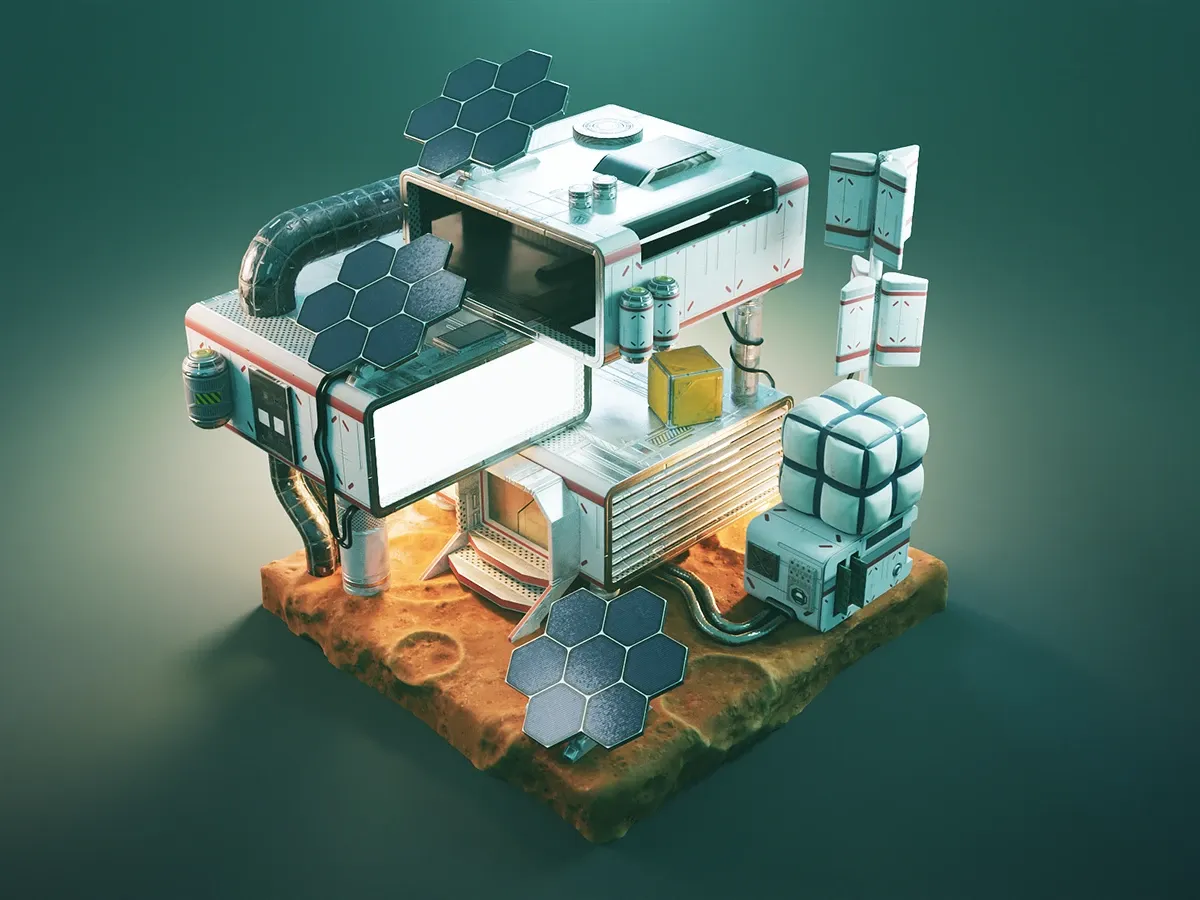
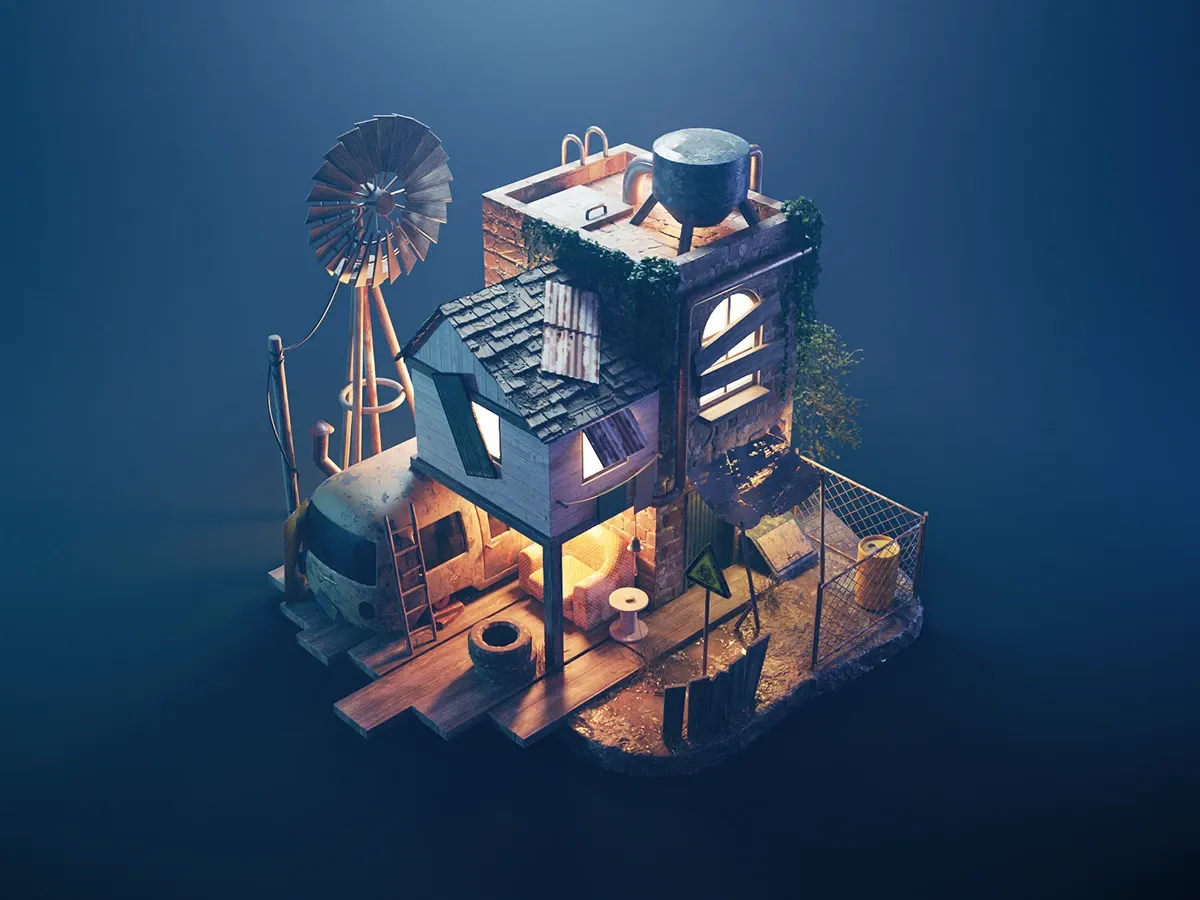
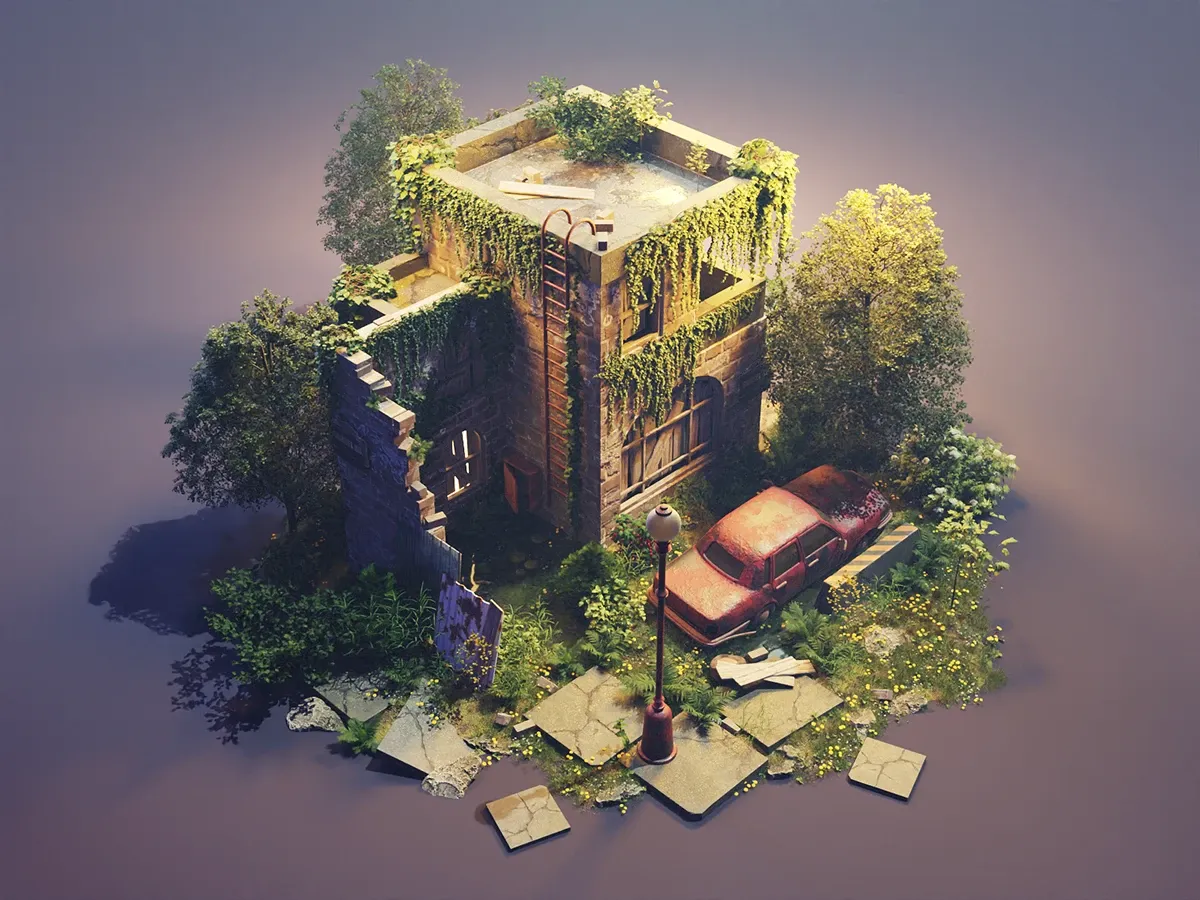

Mohamed Chahin
-
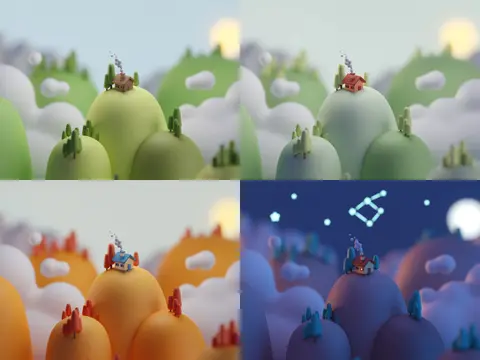
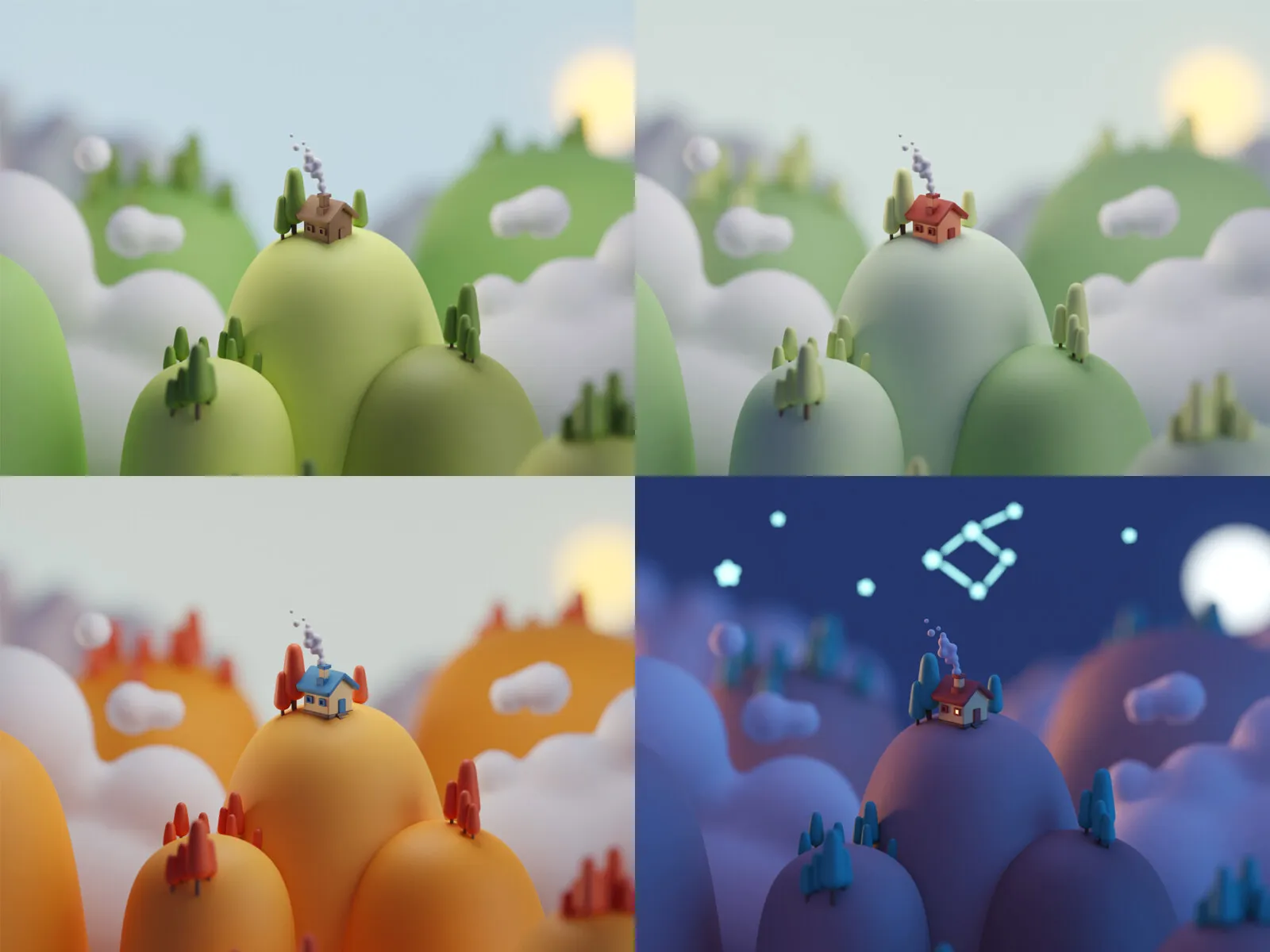
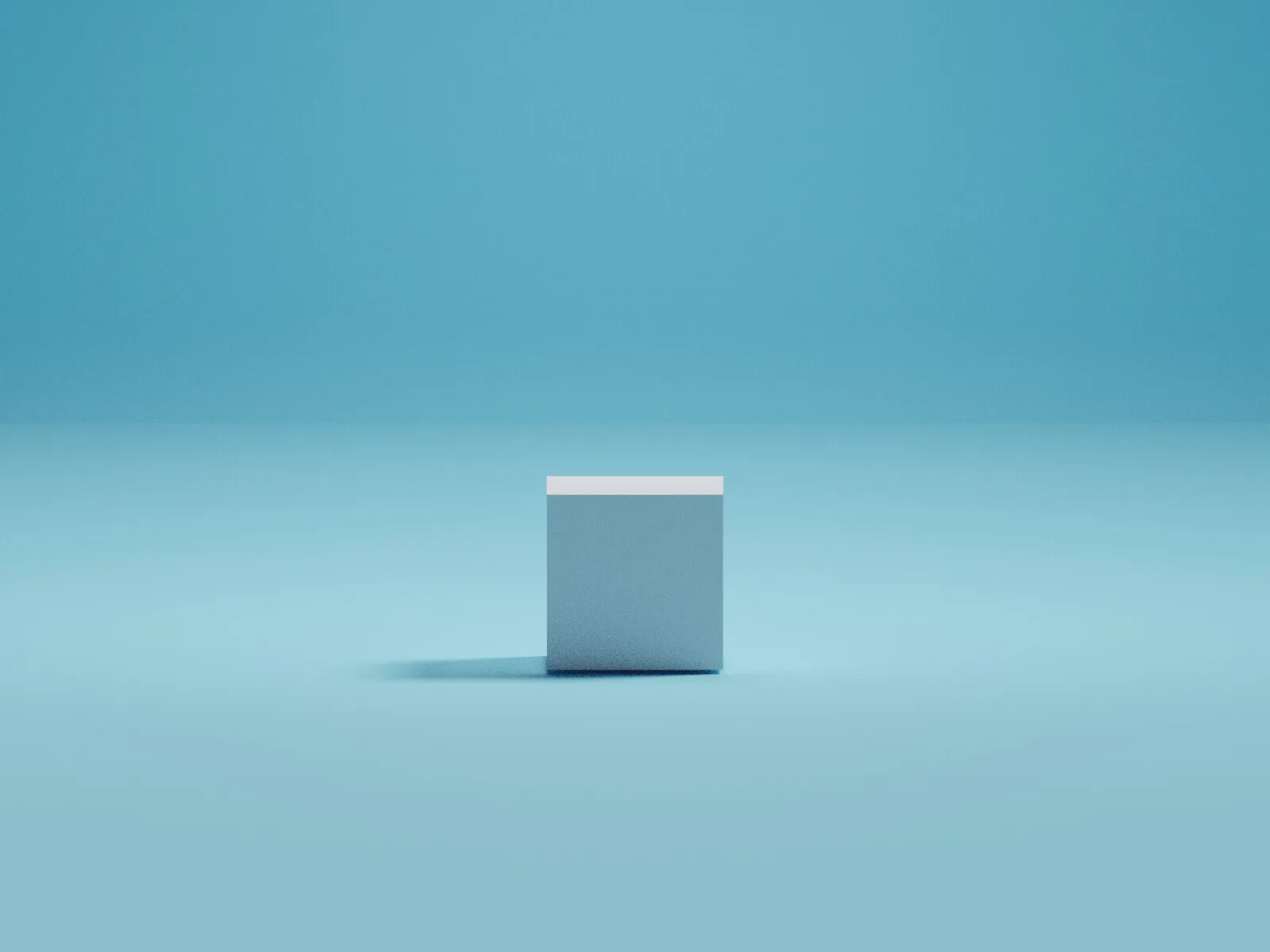
Tiny Cabins (2022) · Mohamed Chahin · Source -

Tiny Cabins (2022) · Mohamed Chahin · Source -

Low Poly Planet (2021) · Mohamed Chahin · Source -
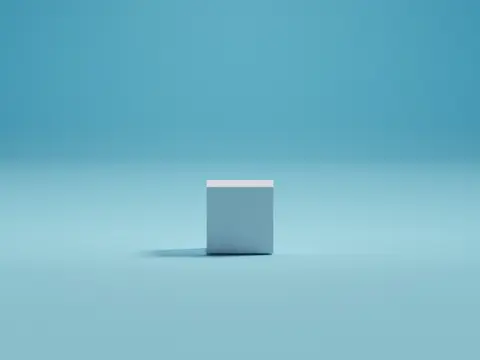
Low Poly Planet (2021) · Mohamed Chahin · Source -
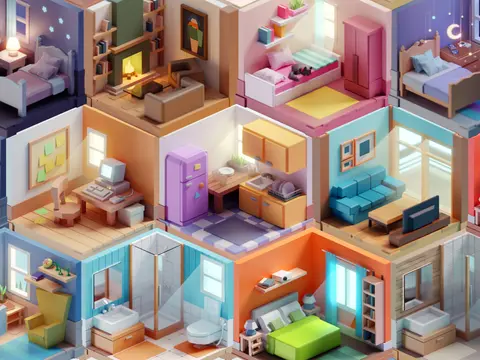
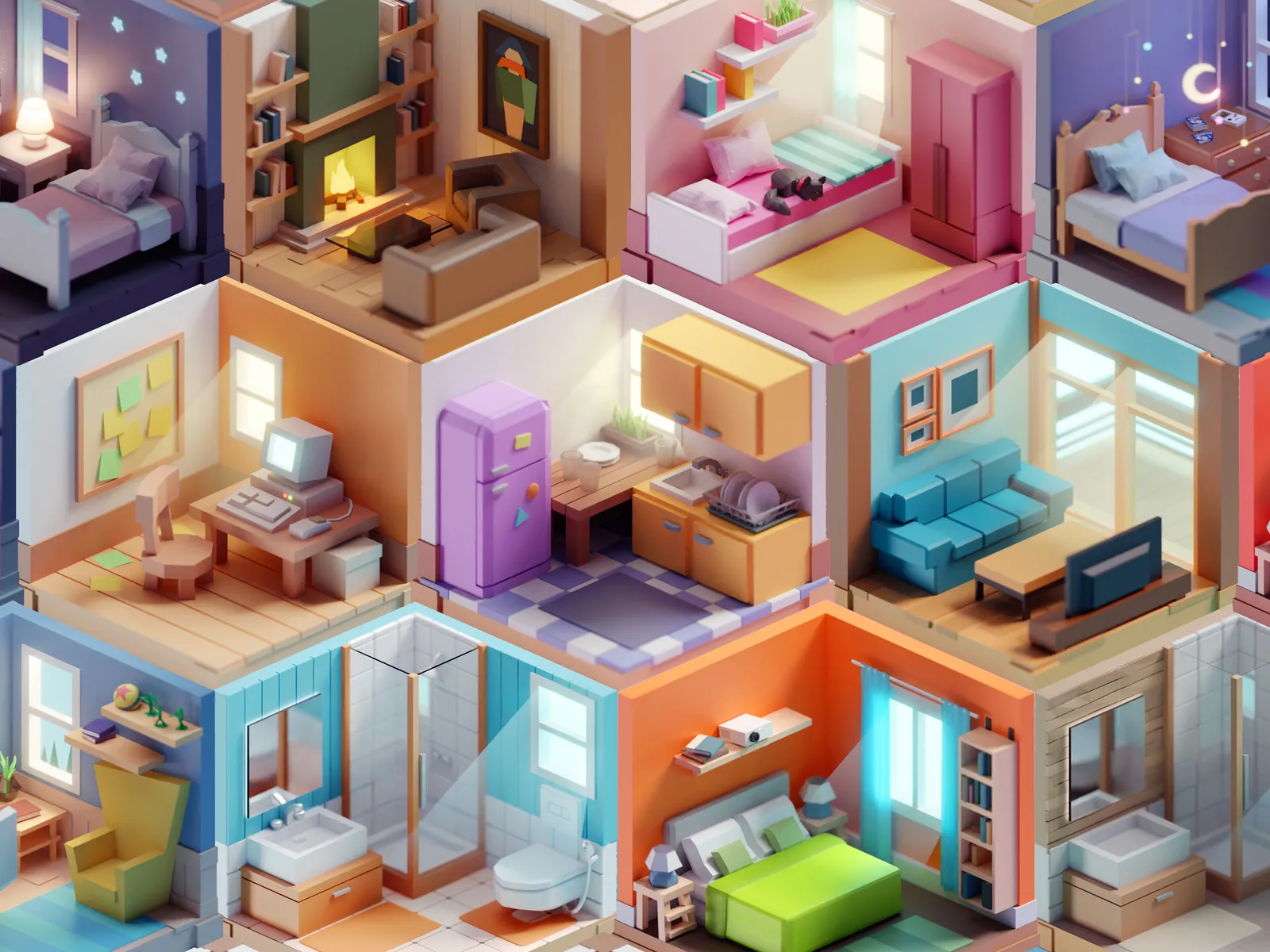
Tiny Rooms (2021) · Mohamed Chahin · Source -

Lofi Cyberpunk (2020) · Mohamed Chahin · Source -

Halloween Autumn Cabin (2019) · Mohamed Chahin · Source




Ângelo Fernandes
-
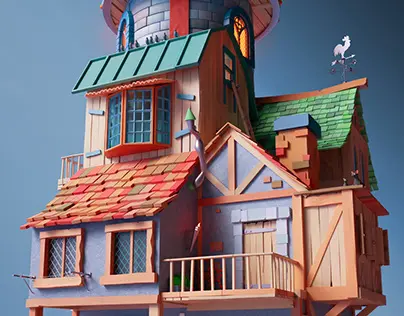
The Observatory · Ângelo Fernandes · Source -

Sushi stand · Ângelo Fernandes · Source -
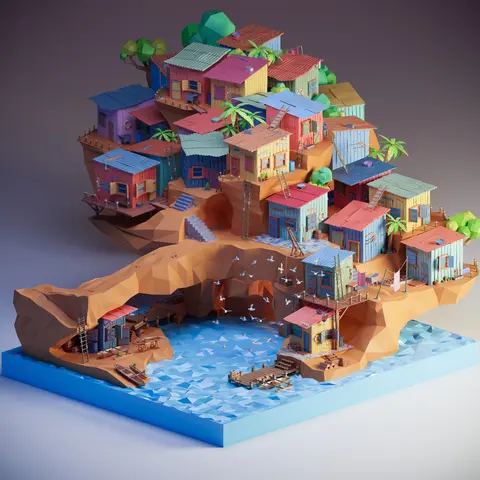
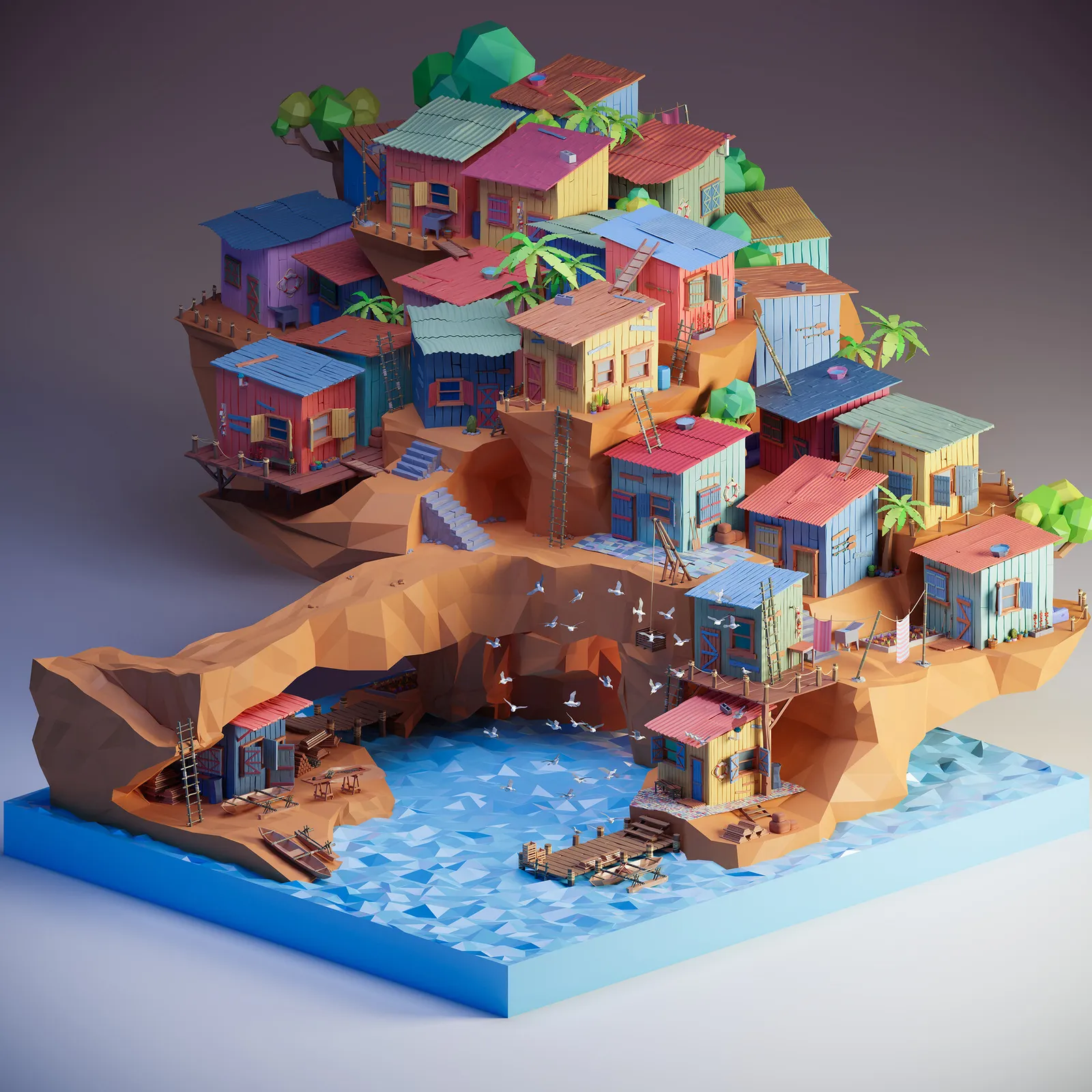
Fishing village - Low poly 3D (2019) · Ângelo Fernandes · Source -
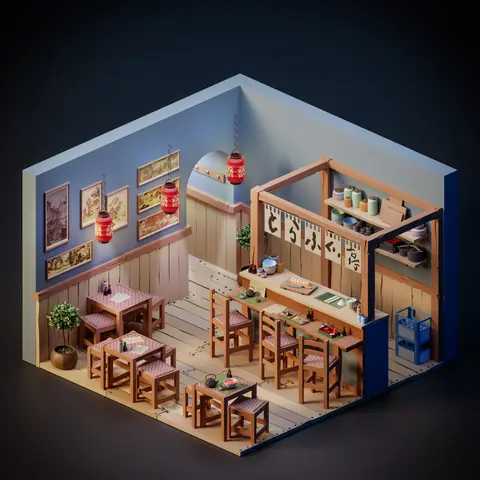
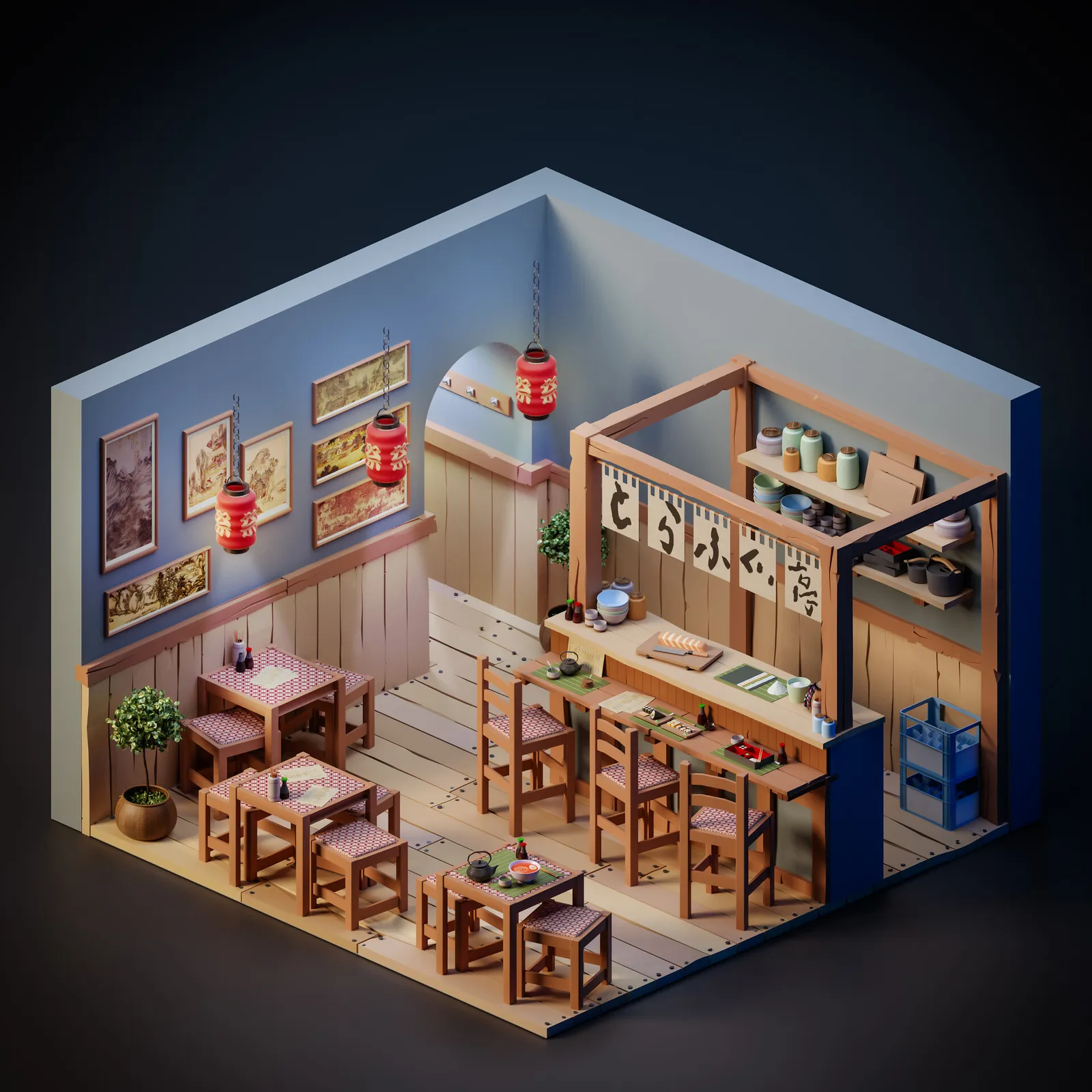
Japanese Restaurant (2020) · Ângelo Fernandes · Source -
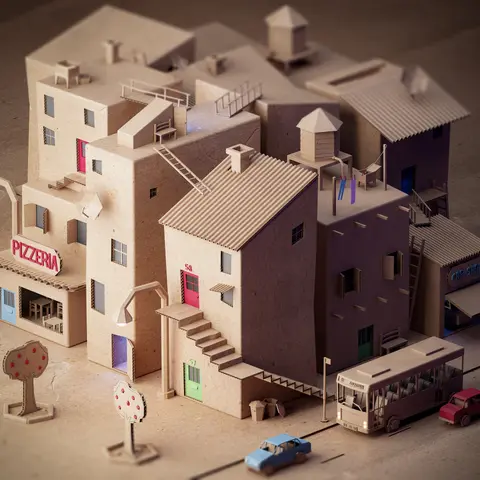
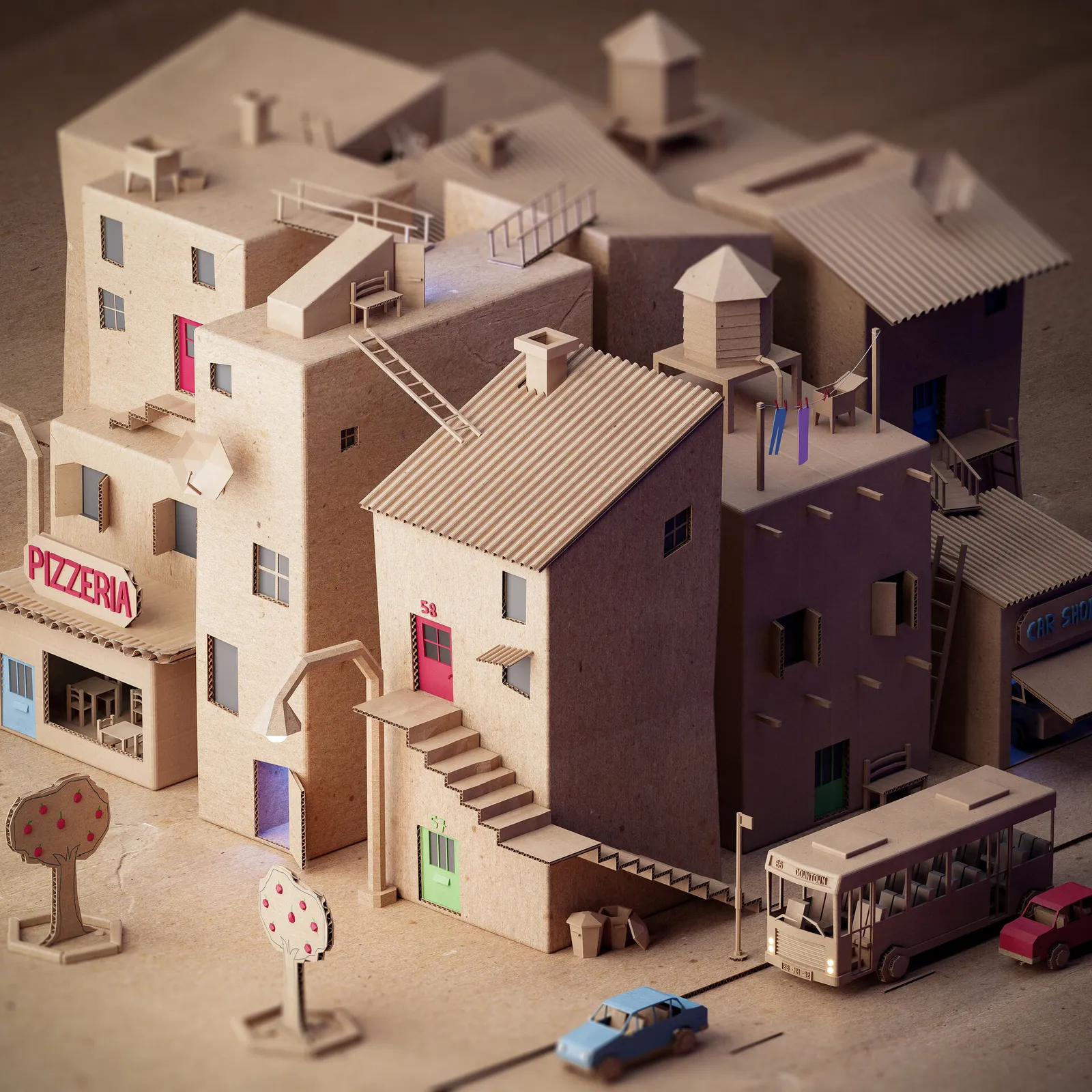
Cardboard neighborhood (2020) · Ângelo Fernandes · Source -
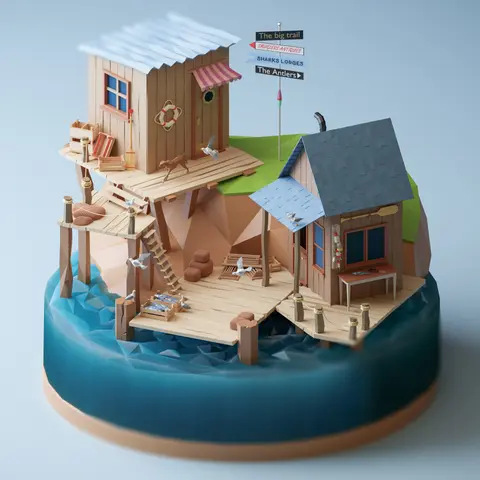
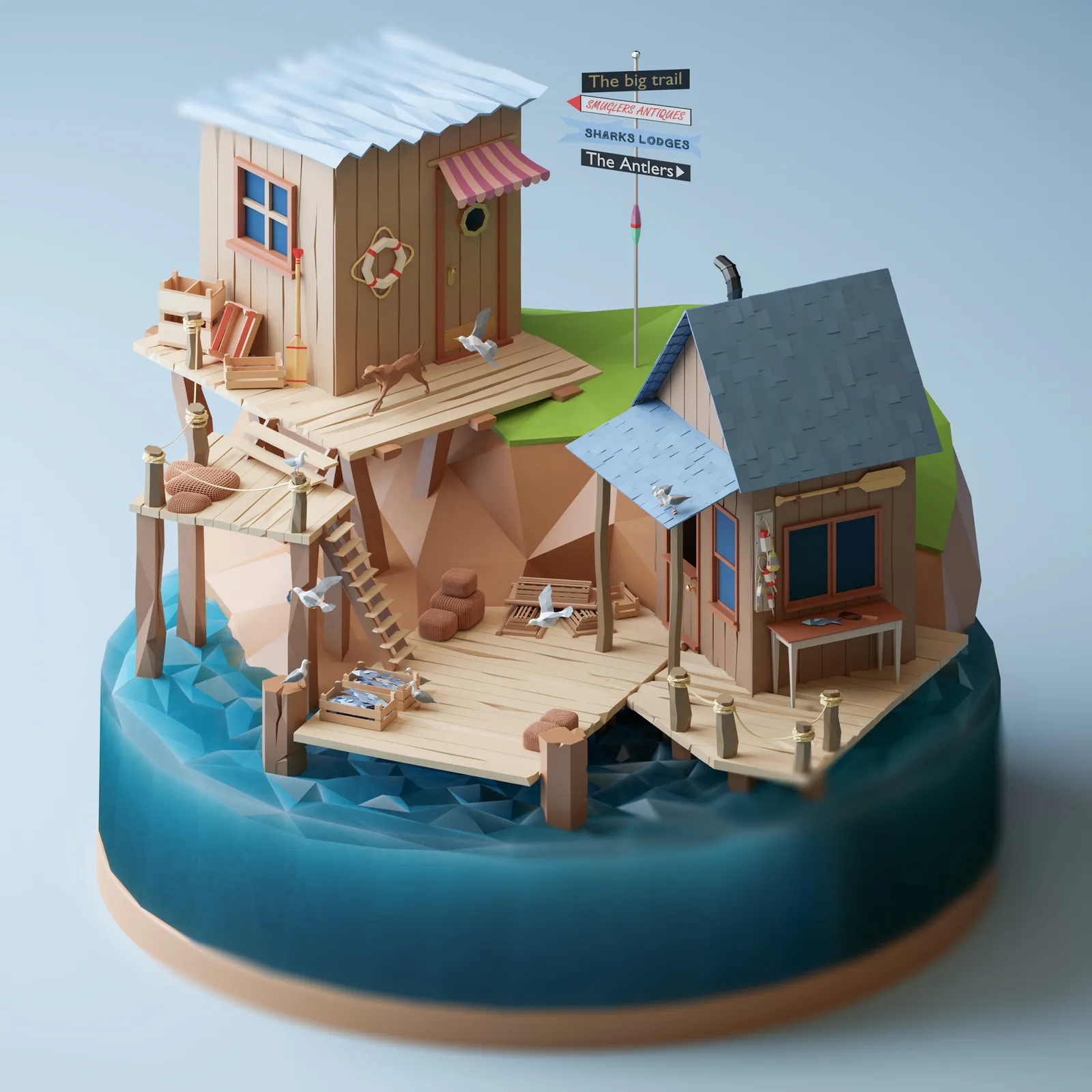
Old Dock Scene - Low Poly 3D (2019) · Ângelo Fernandes · Source -
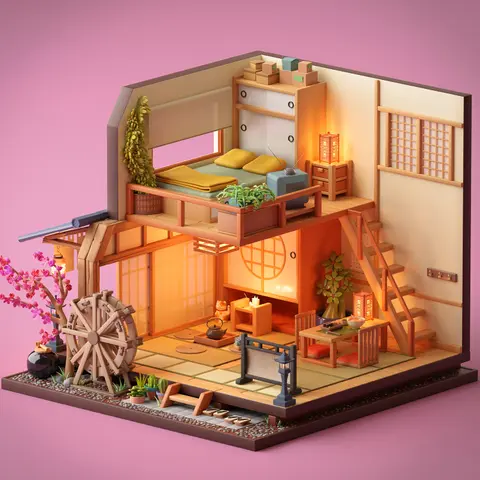
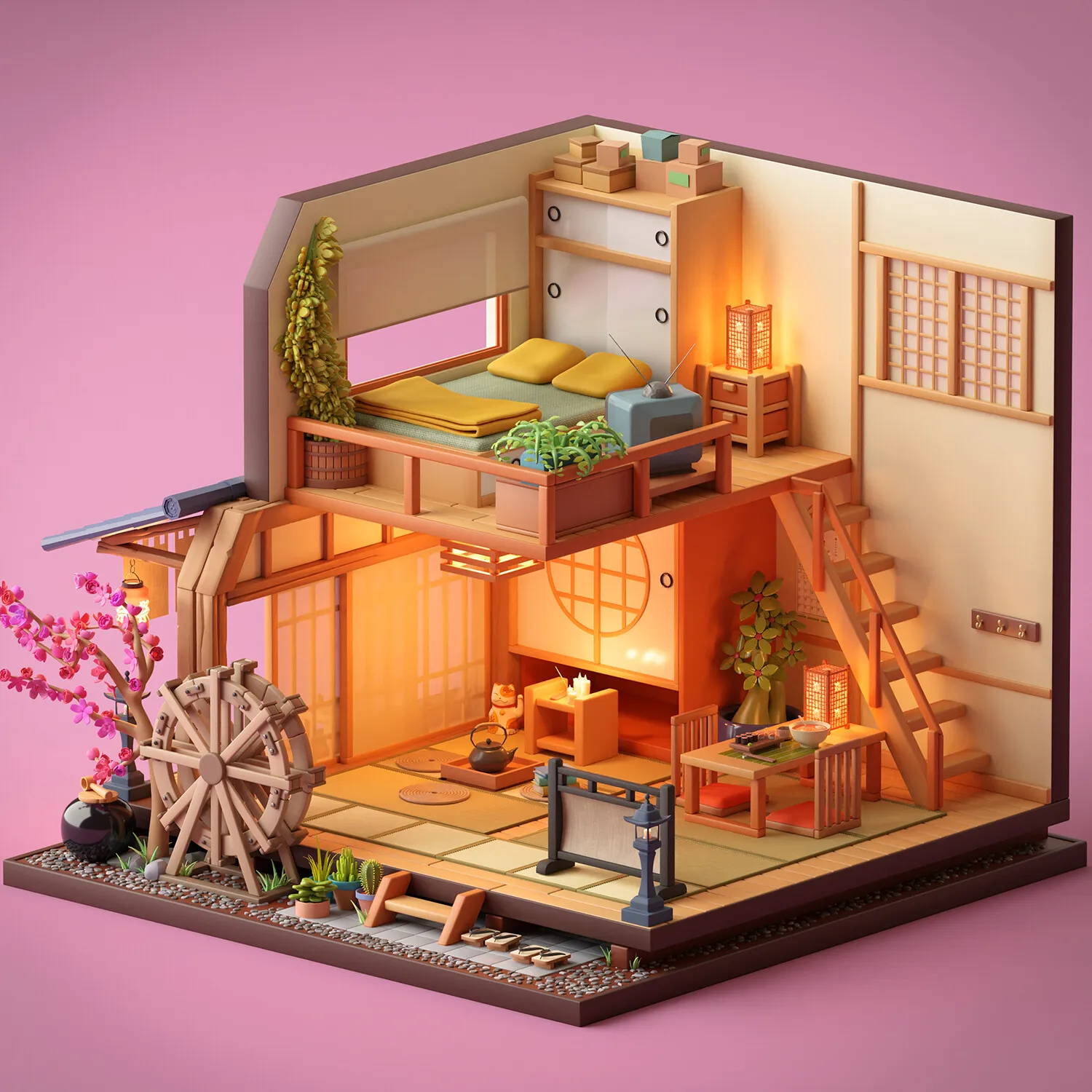
Minka House - diorama (2022) · Ângelo Fernandes · Source -
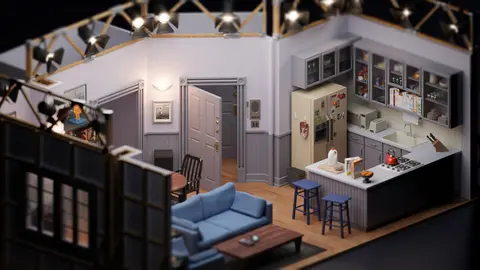
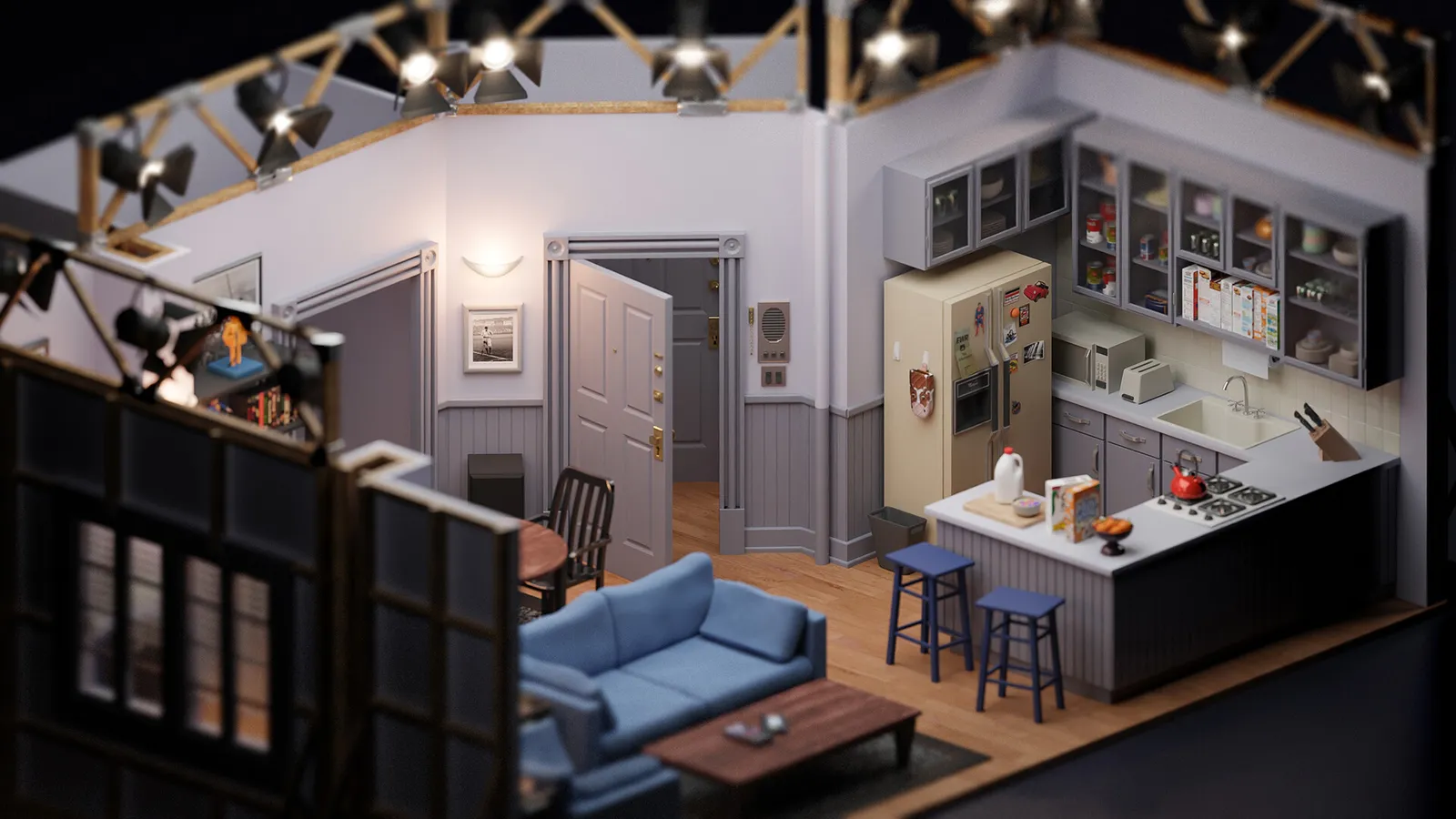
Seinfeld set diorama - Jerry's house (2022) · Ângelo Fernandes · Source -
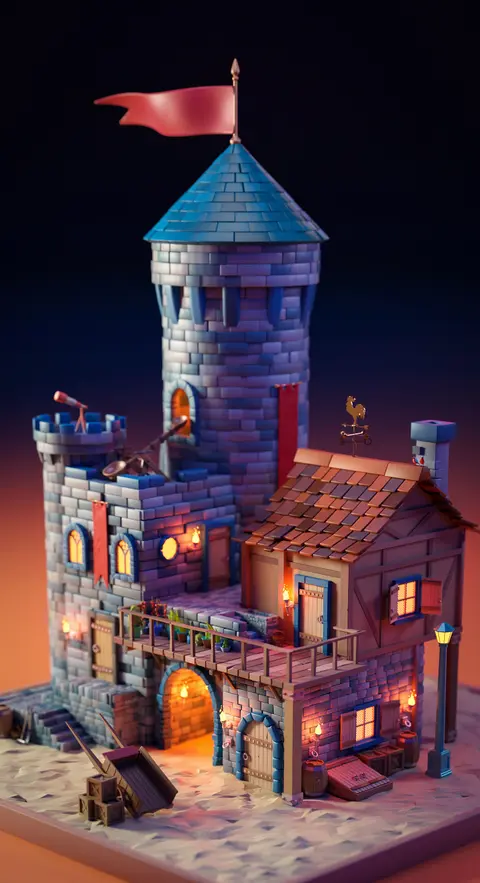
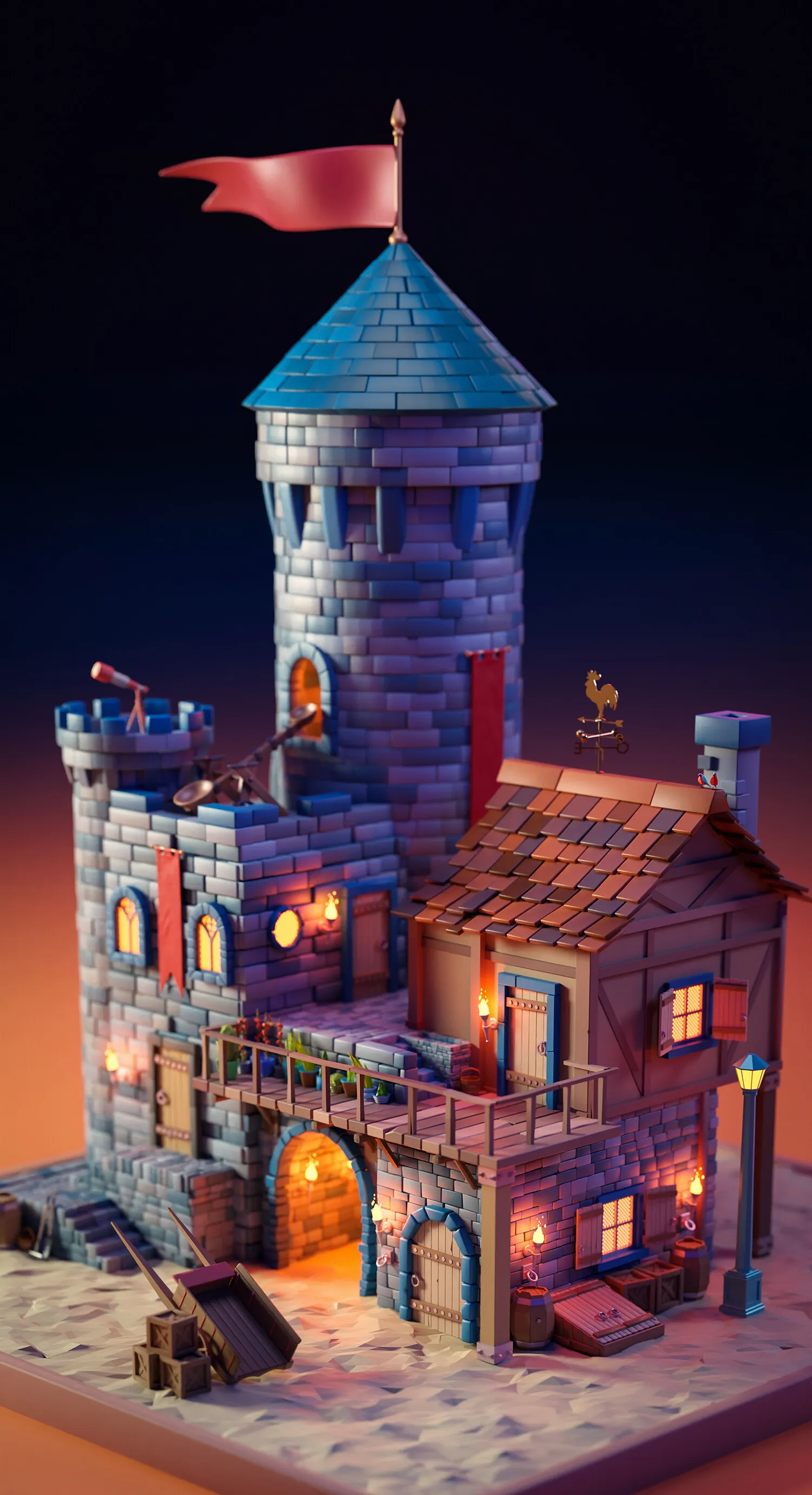
Quasi-medieval diorama (2022) · Ângelo Fernandes · Source -
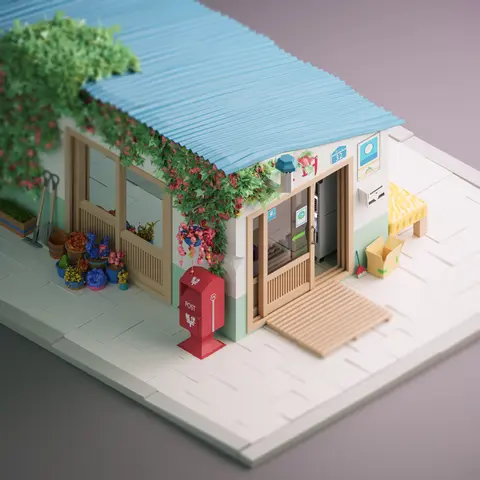
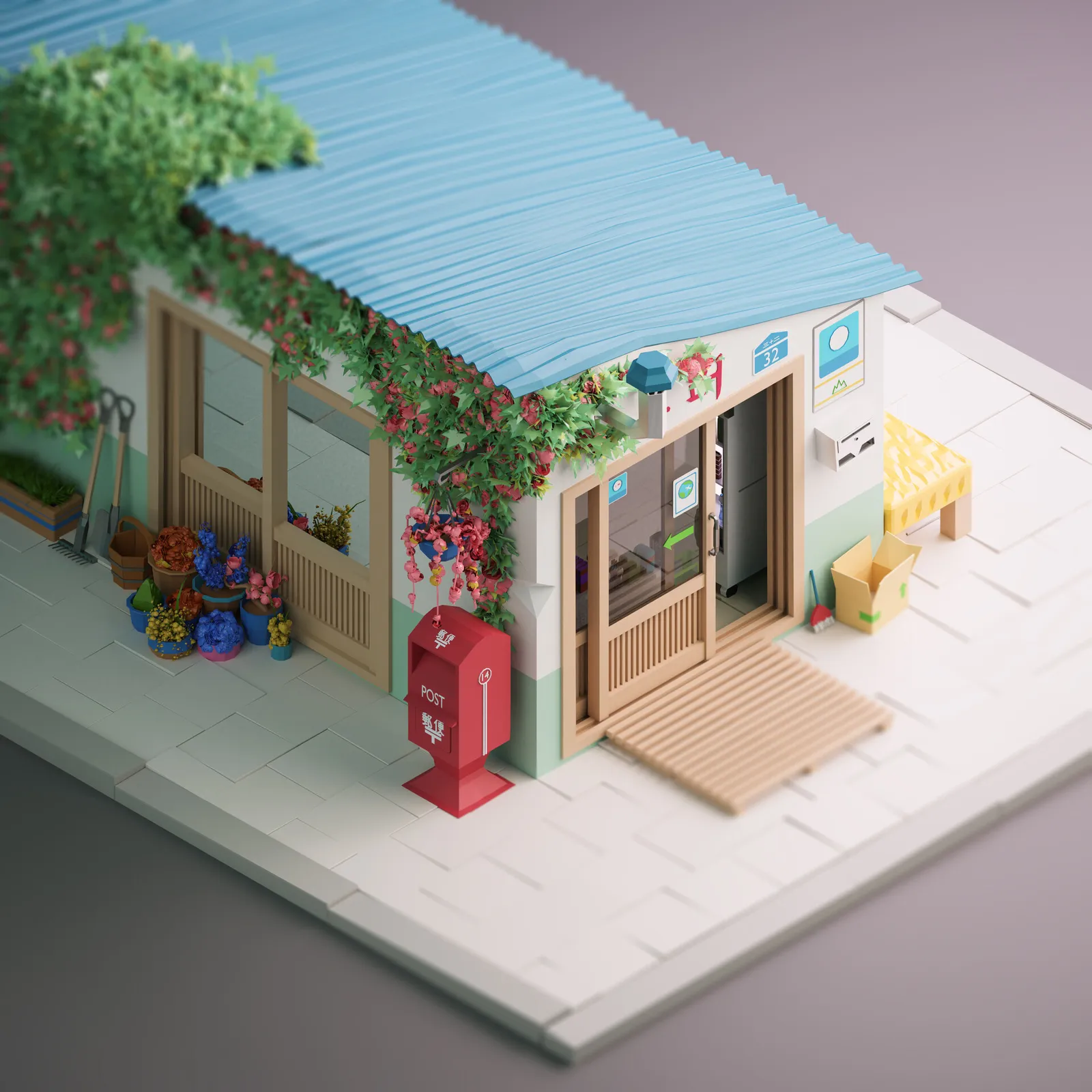
Korean shop low poly 3D (2019) · Ângelo Fernandes · Source
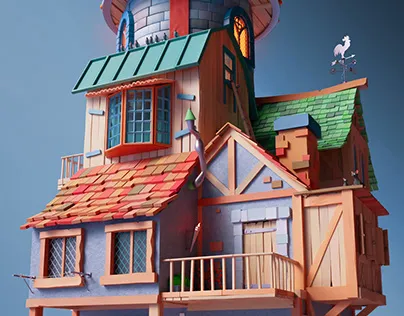

Techniques
- isometric / orthographic camera
- low-poly modeling
- voxel modeling
- faceted flat shading
- soft studio lighting + ambient occlusion
- clay / matte materials
- tiny-world diorama framing
- daily-render practice
- palette-driven color
- greeble / kitbash prop libraries
- cel/outline edge pass
- cutaway / doll-house sectioning
- looping turntable animation
Tools
- Cinema 4D
- Blender
- MagicaVoxel
- Octane
- Redshift
- Photoshop
- Spline
- Cinema 4D + MoGraph
What to take from it
Kill the vanishing point
Switch the camera to orthographic before anything else. Equal-weight, parallel-edge framing instantly reads as 'crafted miniature' and removes the photographic cue of perspective — the single fastest way to get the diorama feel.
Let edges show, let light explain form
Resist smoothing. Keep faces flat and angular so each plane reads as a distinct shade, then push almost all the mood onto one warm key light plus soft fill. Flat diffuse color + strong directional light beats texture maps for this look.
Put the world on a plinth
Frame a finite, self-contained patch — a cube of terrain, a cutaway room, an island — with empty space around it and a shallow tilt-shift blur. The bounded 'object you could hold' composition is what separates a diorama from a generic 3D scene.