Atlas
Atlas indexNPR / Cel / 2D-in-3D
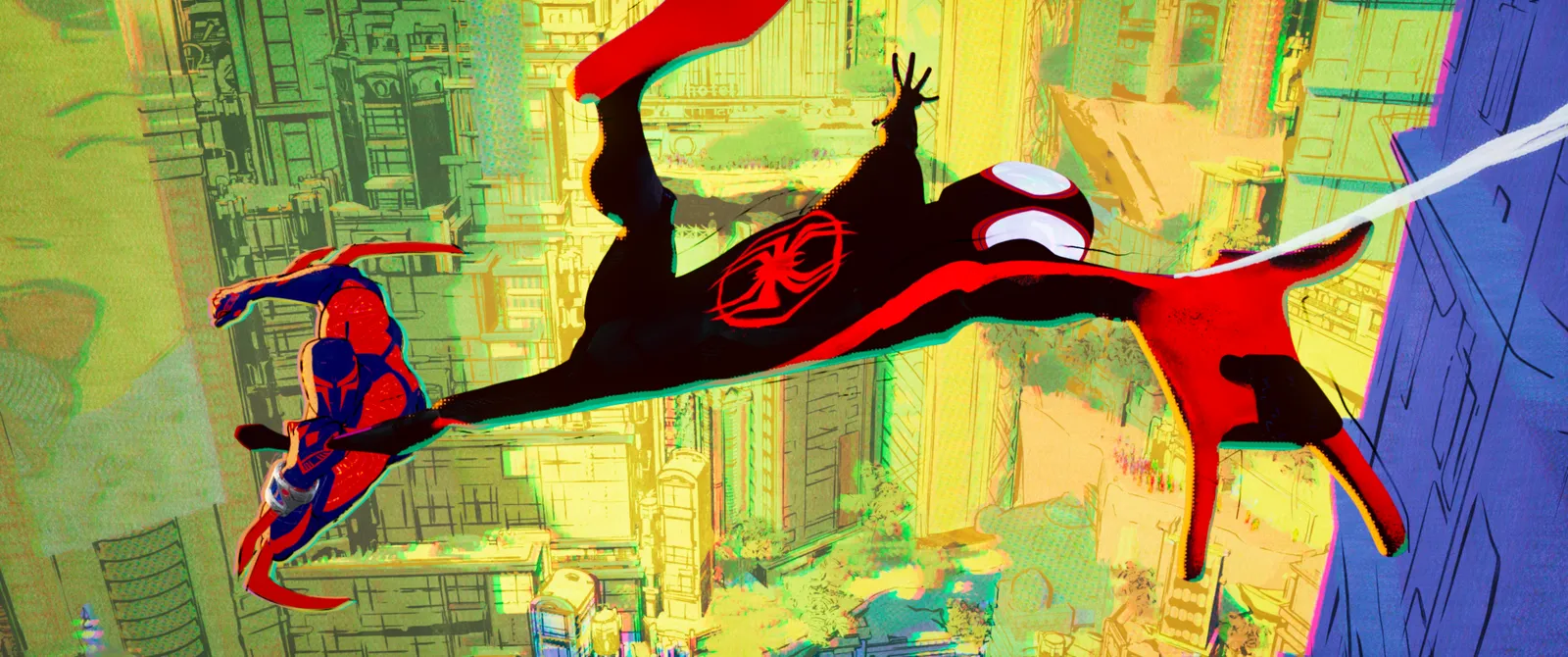
3D geometry that refuses to look 3D — rendered as ink, paint, and flat tone.
- non-photorealistic-rendering
- cel-shading
- toon-shading
- inverse-hull-outline
- vertex-normal-editing
- halftone-benday
- hand-painted-texture
- animation-on-twos
What it is
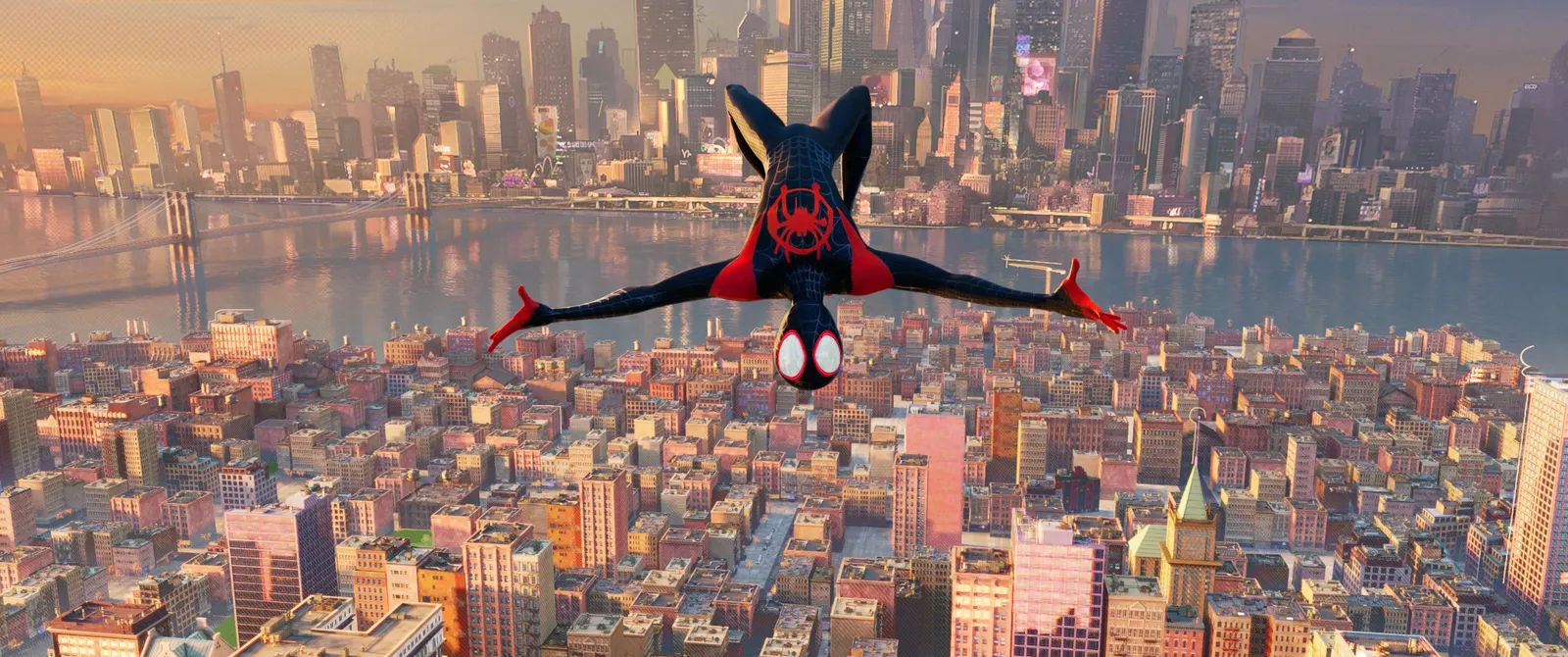
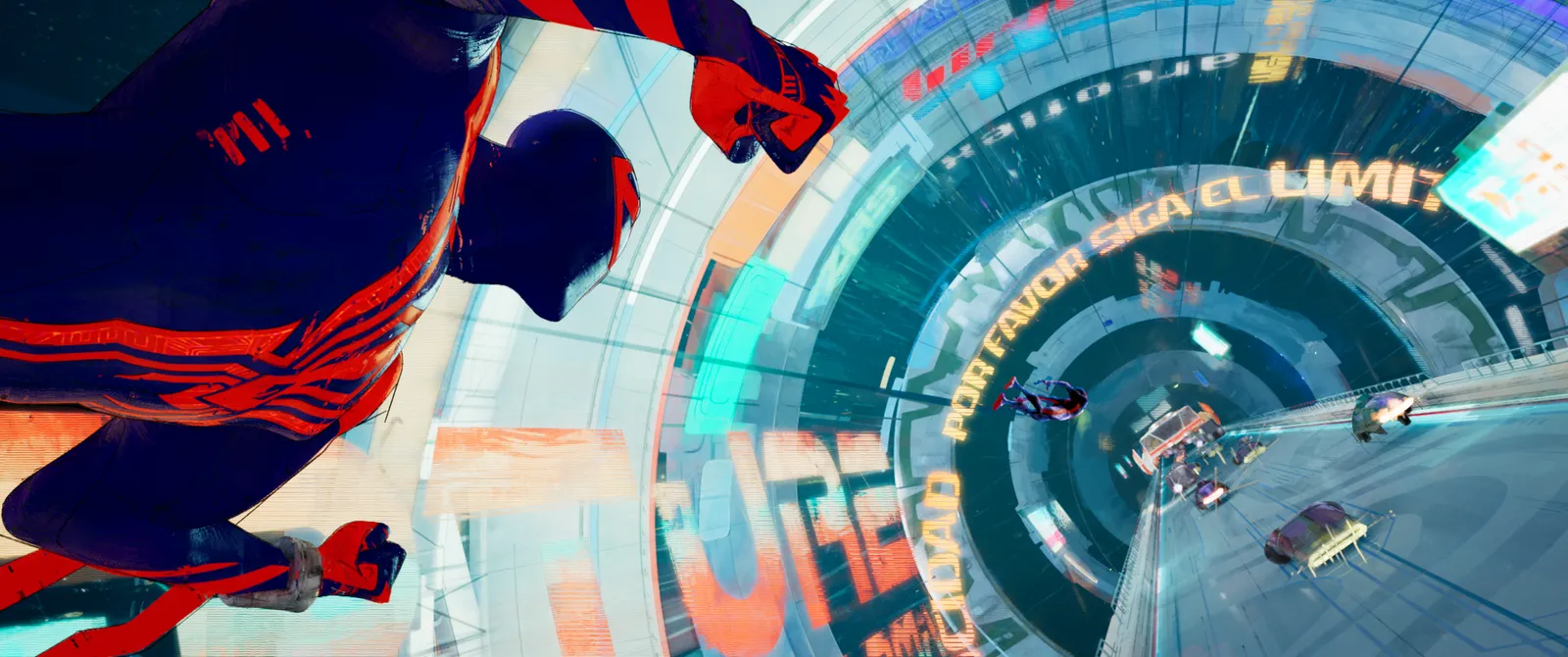
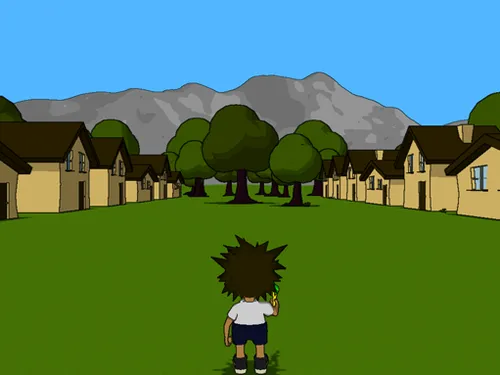
Non-photorealistic rendering (NPR) turns 3D scenes into hand-drawn or hand-painted images instead of photoreal ones. The 2D-in-3D craft keeps the depth, camera freedom, and rig control of CG while quantizing light into flat bands, drawing ink contours, baking shadow into painted texture, and animating on twos — so the final frame reads as a comic panel, an anime cel, or a moving oil painting rather than a render.
How it is made
Quantize the light, then draw the line
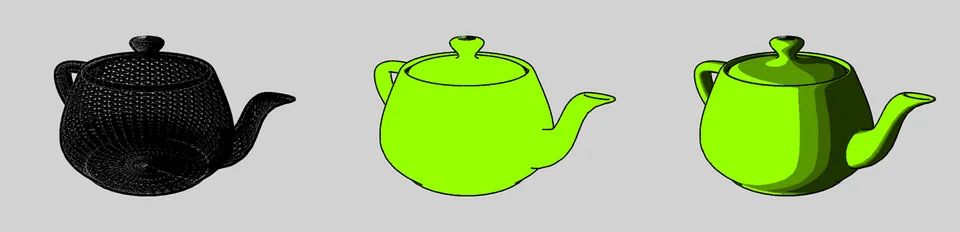
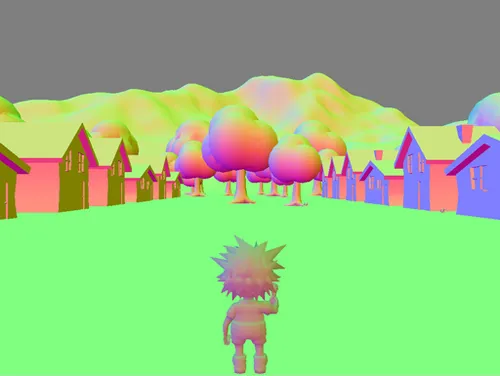
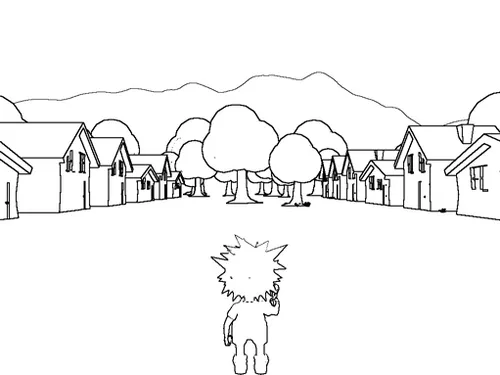
Standard smooth (Phong/Lambert) lighting is computed per pixel, then crushed to a few discrete tones for the flat cel look. Contours are added separately: the Inverse Hull method duplicates the mesh, flips its normals, and pushes it outward so the backfaces show as an outline whose width and color are driven per-vertex (Arc System Works tunes line weight via the vertex-color alpha, even dropping it to zero to erase a line). Edge-detection passes on depth and normal buffers are the screen-space alternative.
Author the shadow by hand, not by physics
Two routes to clean, art-directed shading. Real-time pipelines hand-edit vertex normals so the tone boundary falls exactly where the artist wants and never reveals the polygon surface — at the cost of needing extra polygons wherever a shadow edge must bend. Film pipelines bake light and shadow directly into hand-painted textures projected onto simplified geometry, layering visible brushwork instead of evaluating a lighting model, so lighting becomes a painting decision rather than a simulation.
Composite the illustration in layers
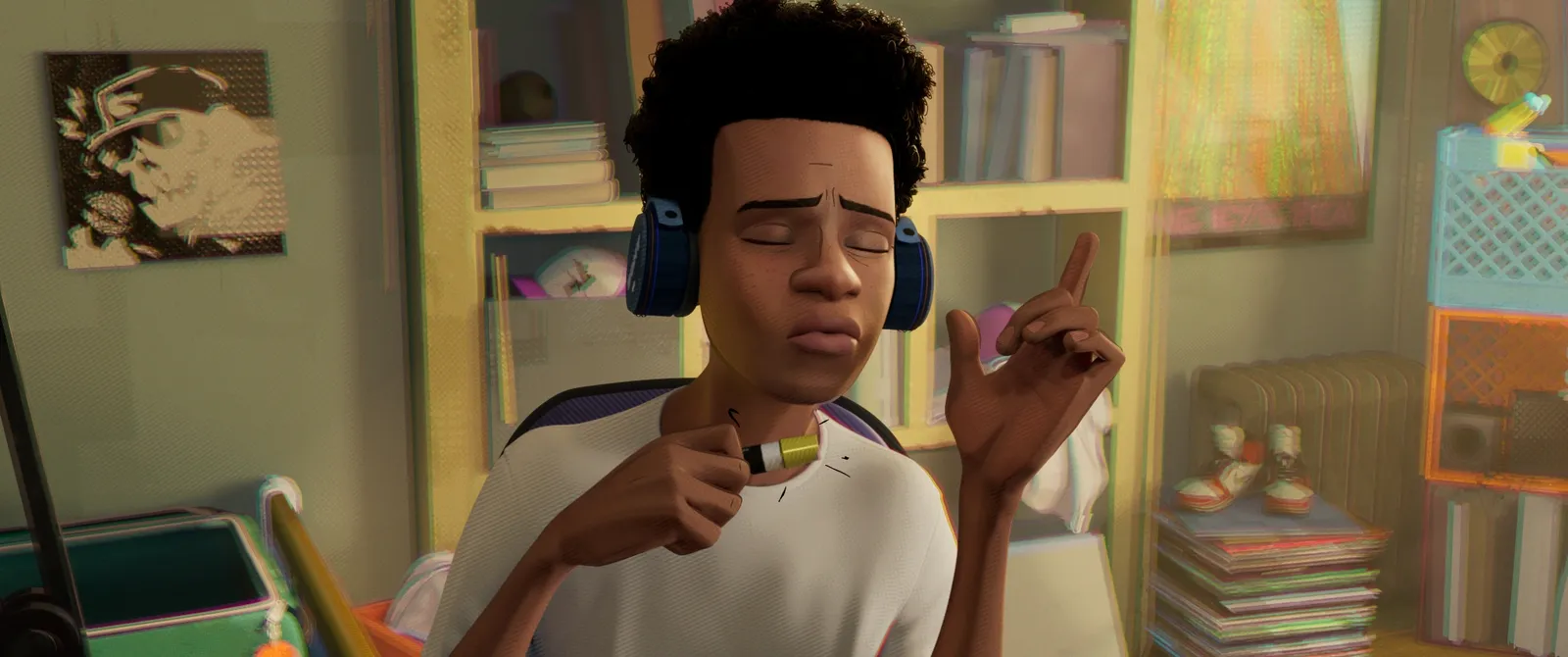
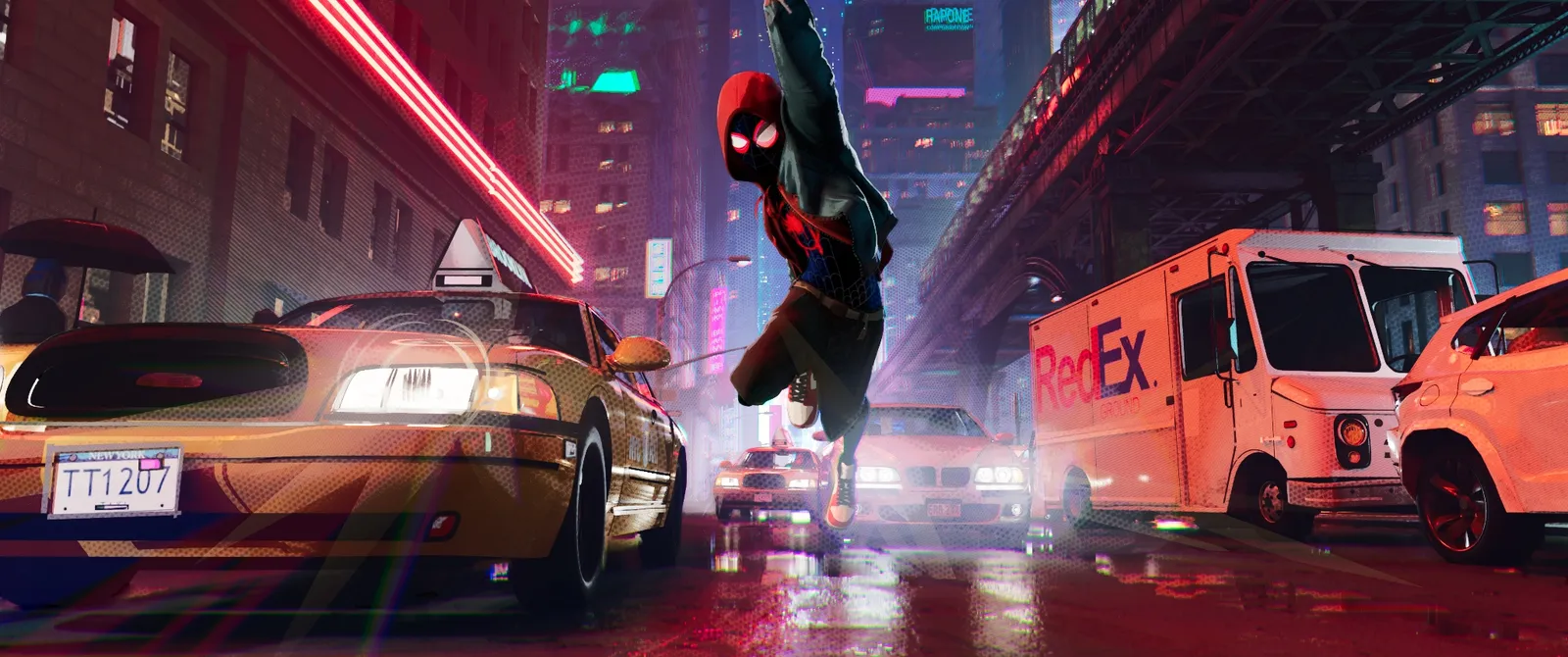
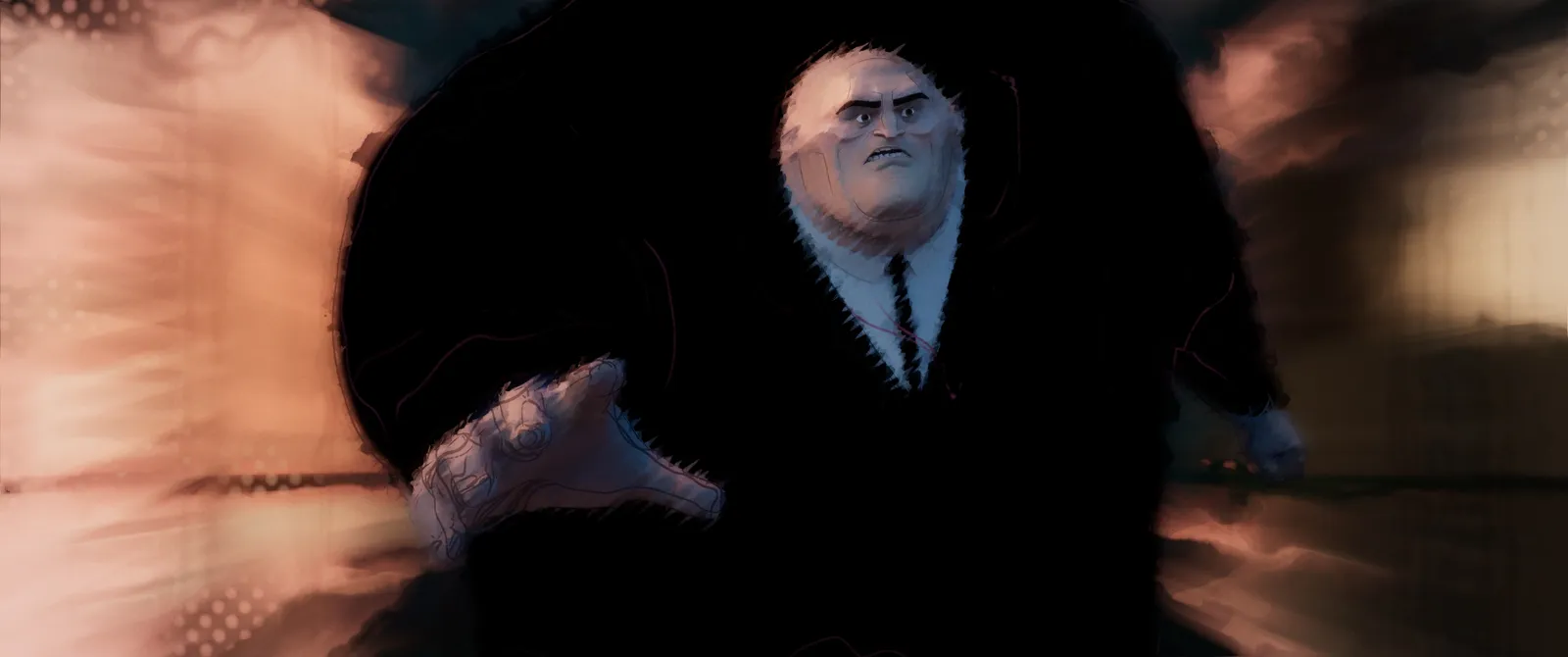
The look is assembled, not rendered in one shot: separate passes for line, flat color, hatching/halftone shadow, highlights and grain are combined and hand-massaged (node-based, typically in Nuke) to fake the organic variation of ink and paint. Inked lines can be artist-drawn 2D stuck to the animation procedurally (Houdini) so they redraw as a head turns; halftone dots, crosshatch and Ben-Day textures supply the printed-comic surface; hand-drawn 2D FX elements replace or sit over 3D sims to kill the 'CG' feel.
Where it comes from
Academic NPR & Gooch shading (1998)
Non-photorealistic rendering emerged as a named field in the late 1980s, reacting against the photoreal mainstream. The landmark is Gooch shading — Amy Gooch, Bruce Gooch, Peter Shirley and Elaine Cohen at the University of Utah, SIGGRAPH 1998 — a 'cool-to-warm' lighting model for technical illustration that conveys shape through hue shift while reserving black for edge lines, the first rigorous case that stylized light can read better than realistic light.
Real-time cel shading goes mainstream (2000)
Sega's Jet Set Radio (Dreamcast, 2000; revealed at Tokyo Game Show 1999) is widely credited as the first game built around real-time cel shading, proving flat-tone + outline could run interactively and pushing the toon-shaded look into a decade of games.
Anime-in-3D and the painted-3D film
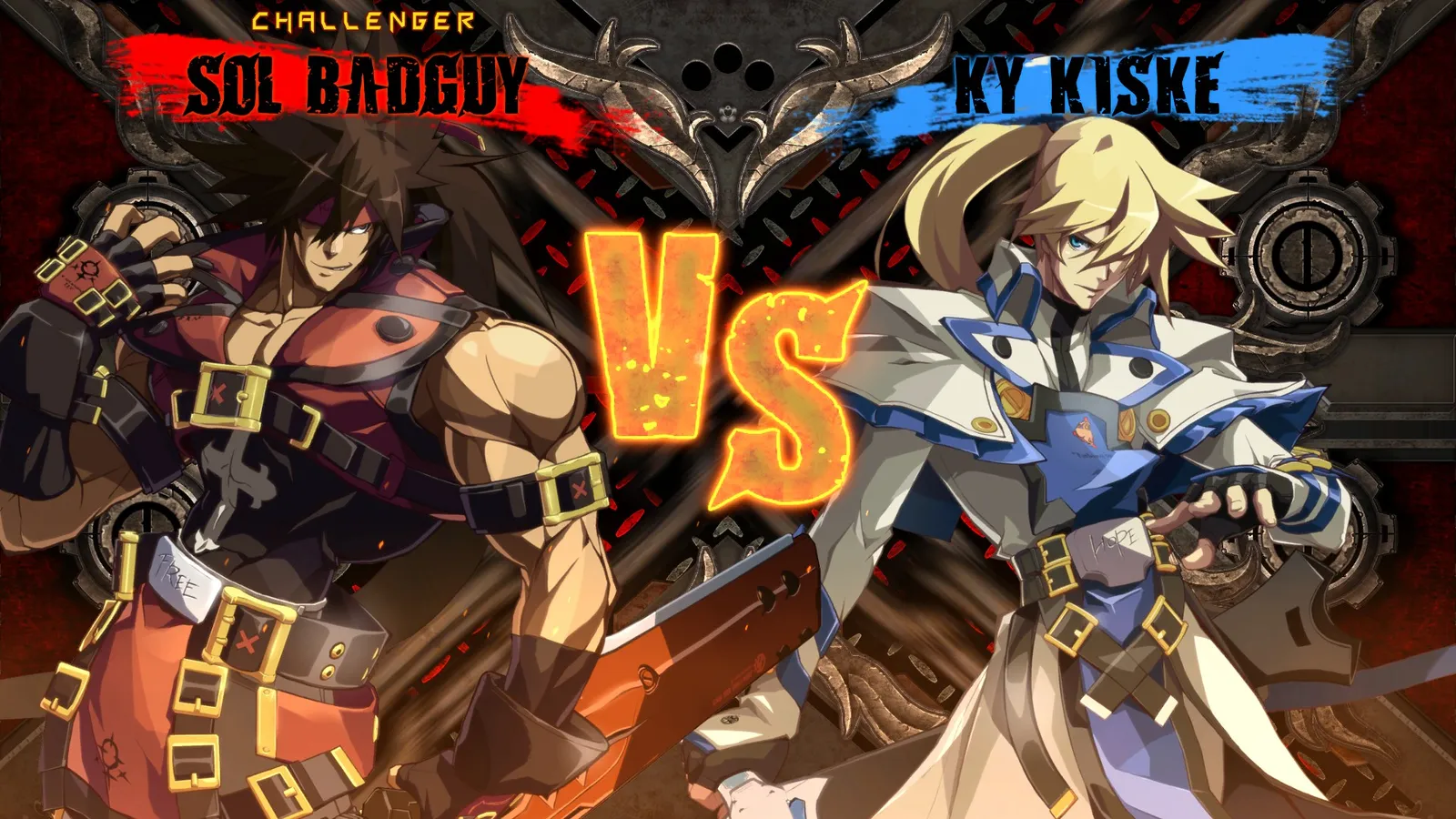
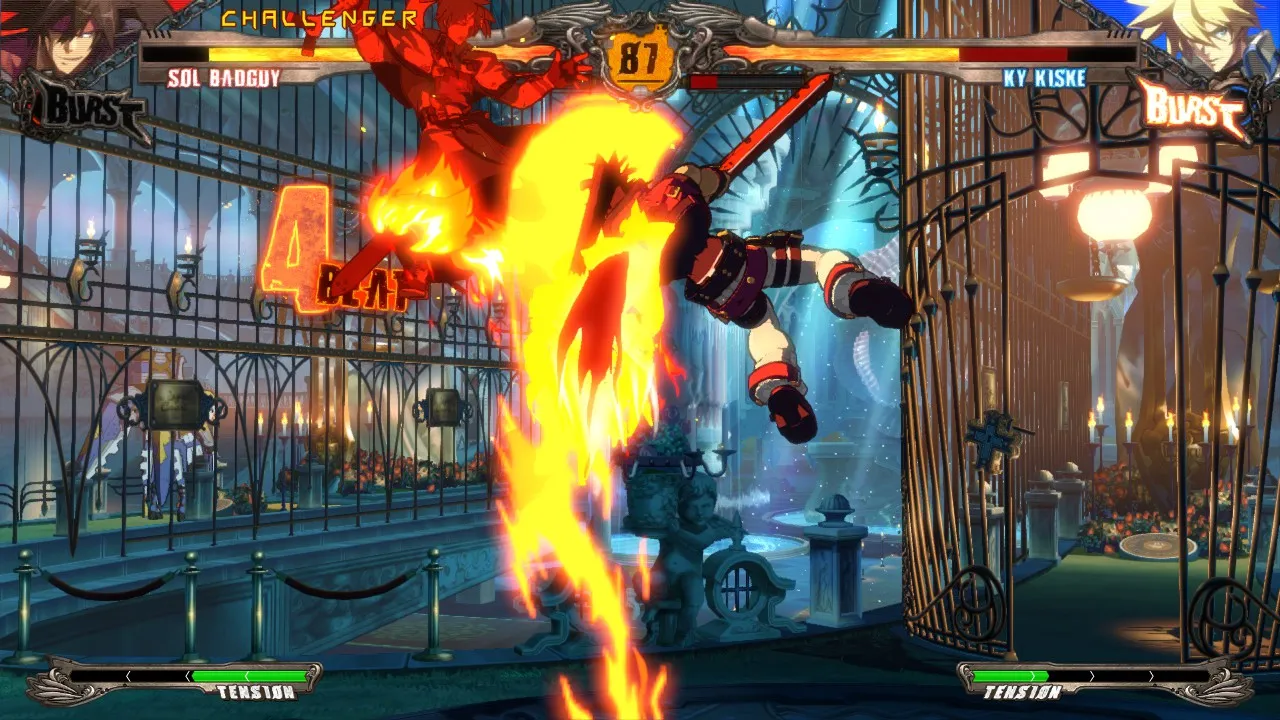
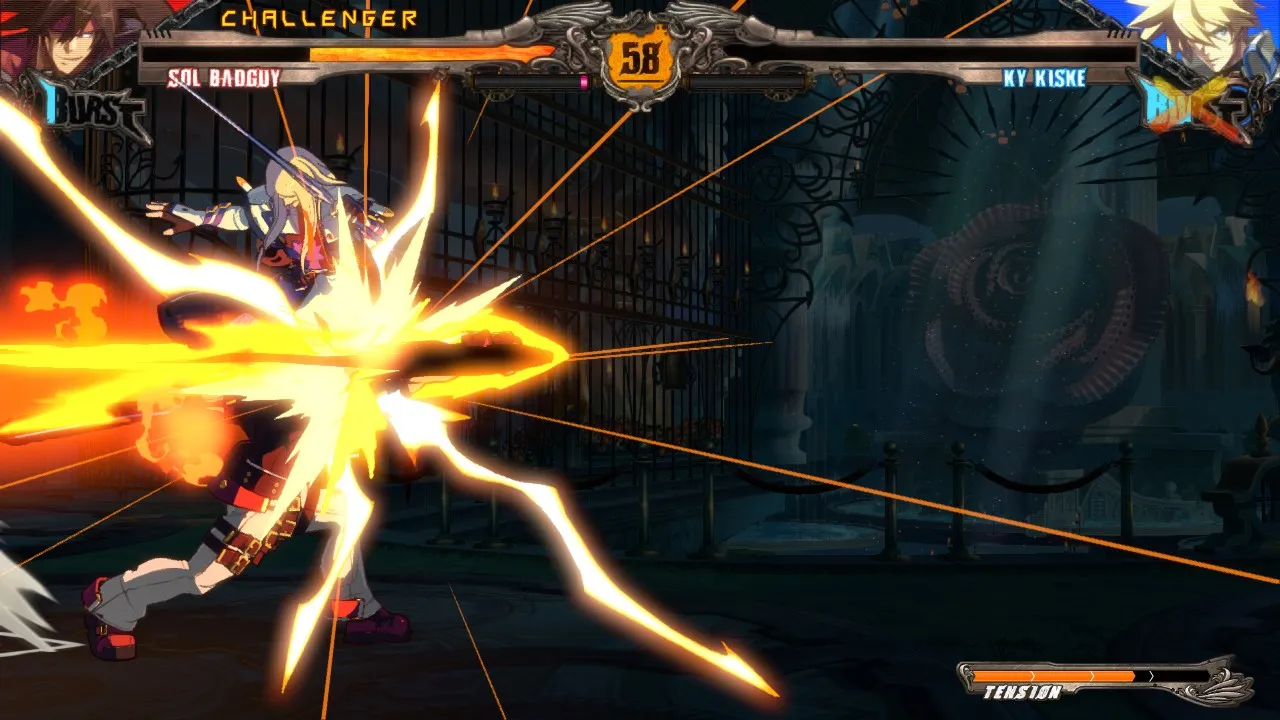
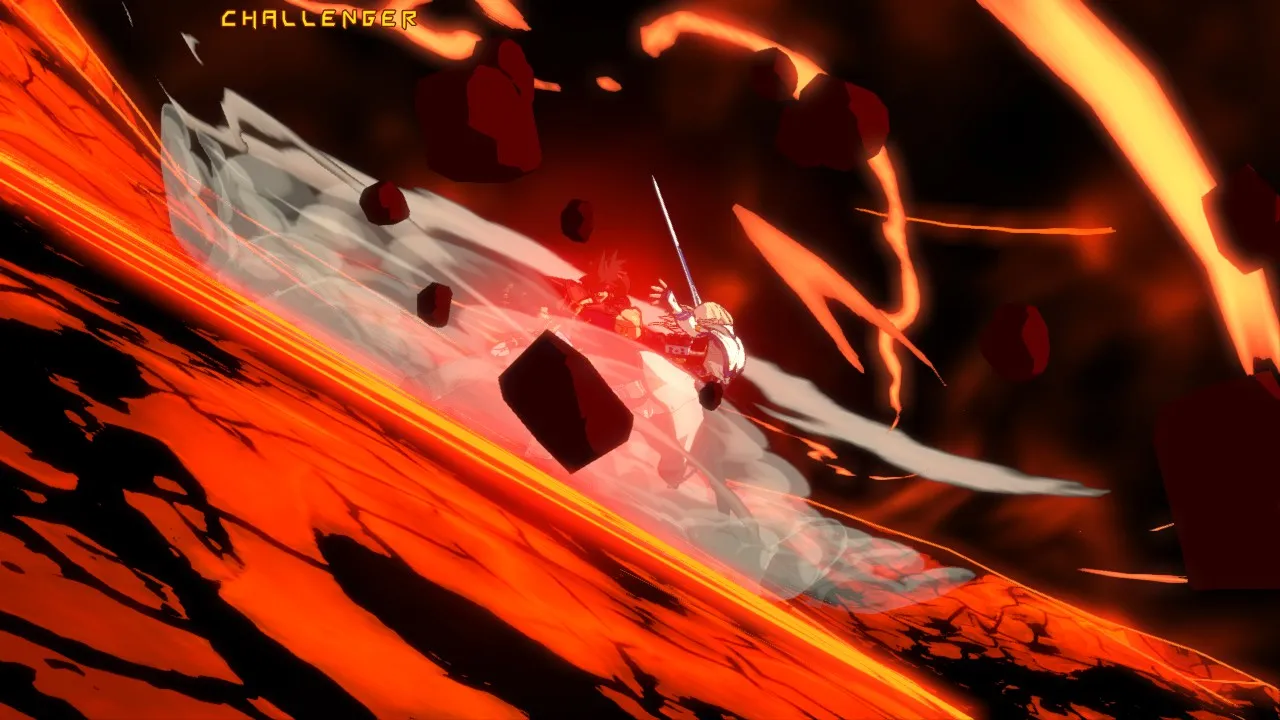
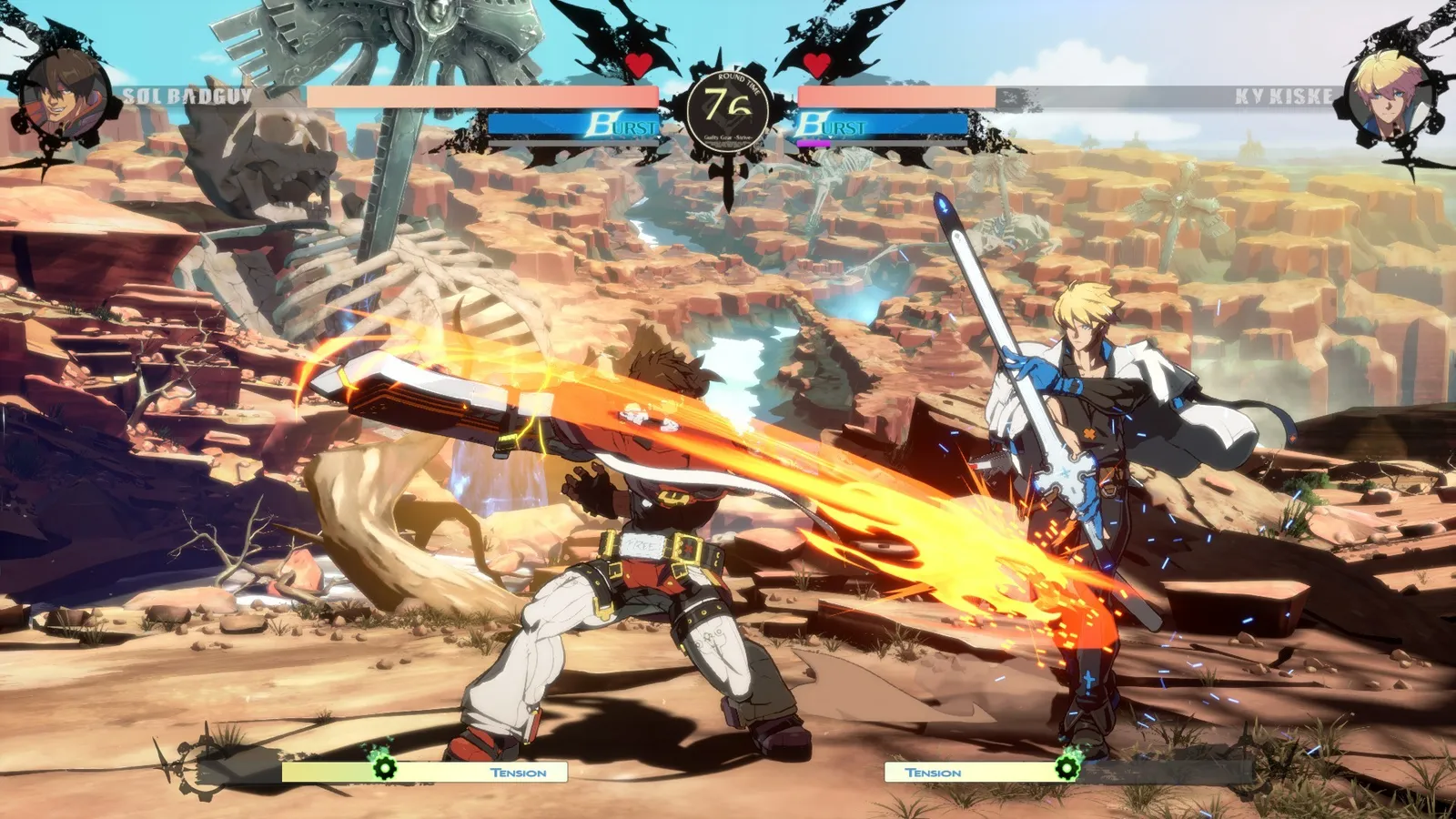
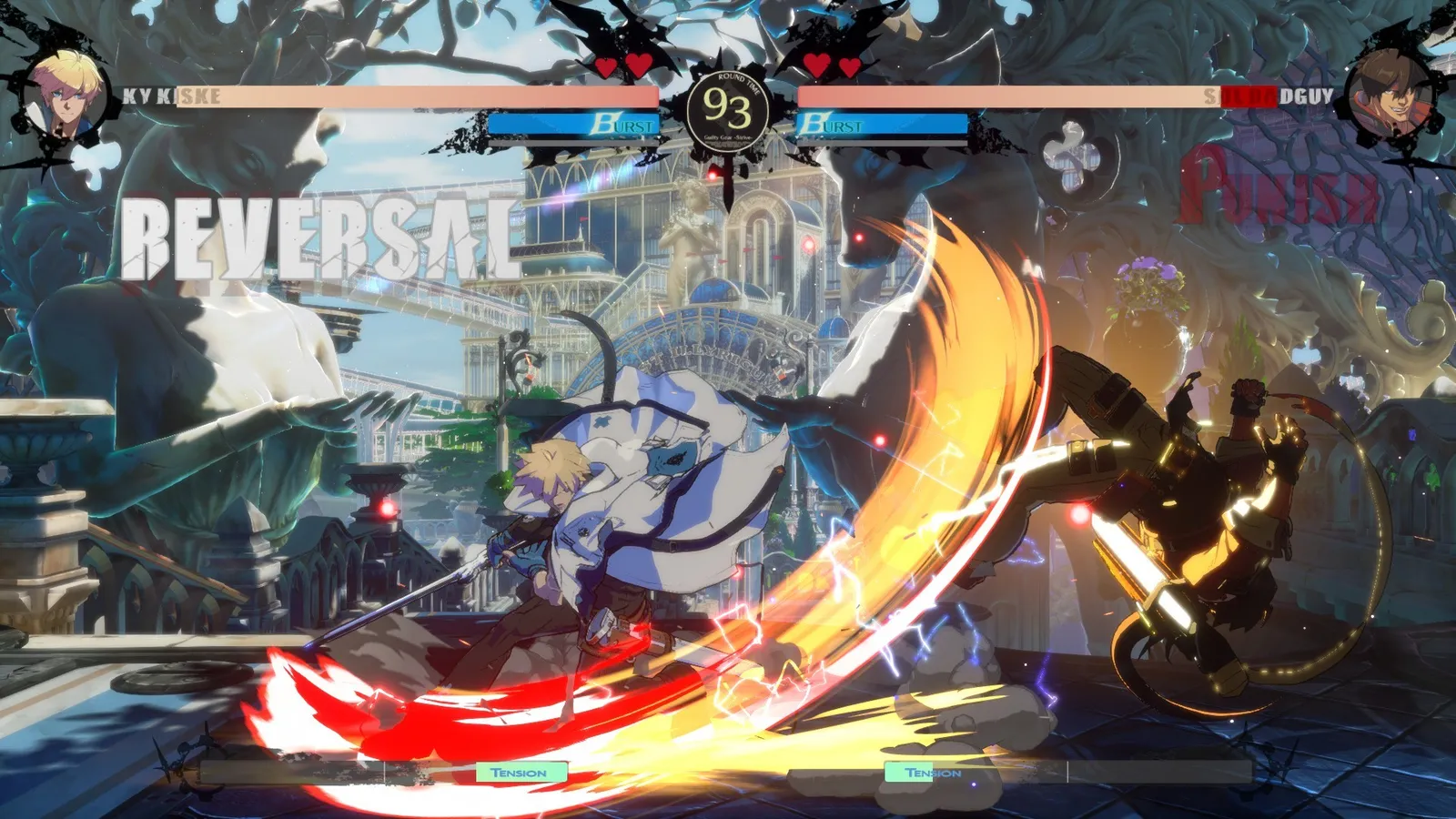
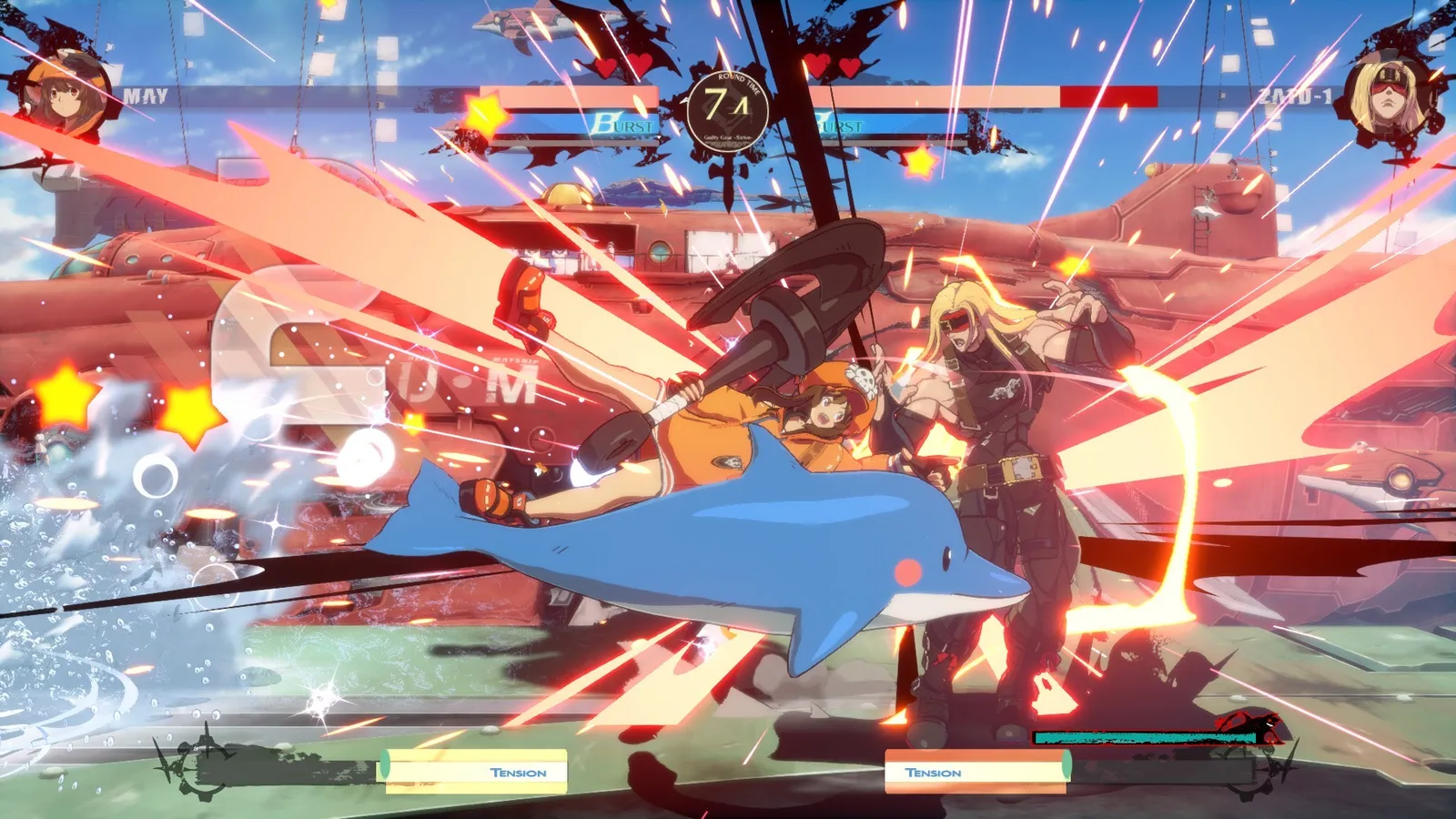
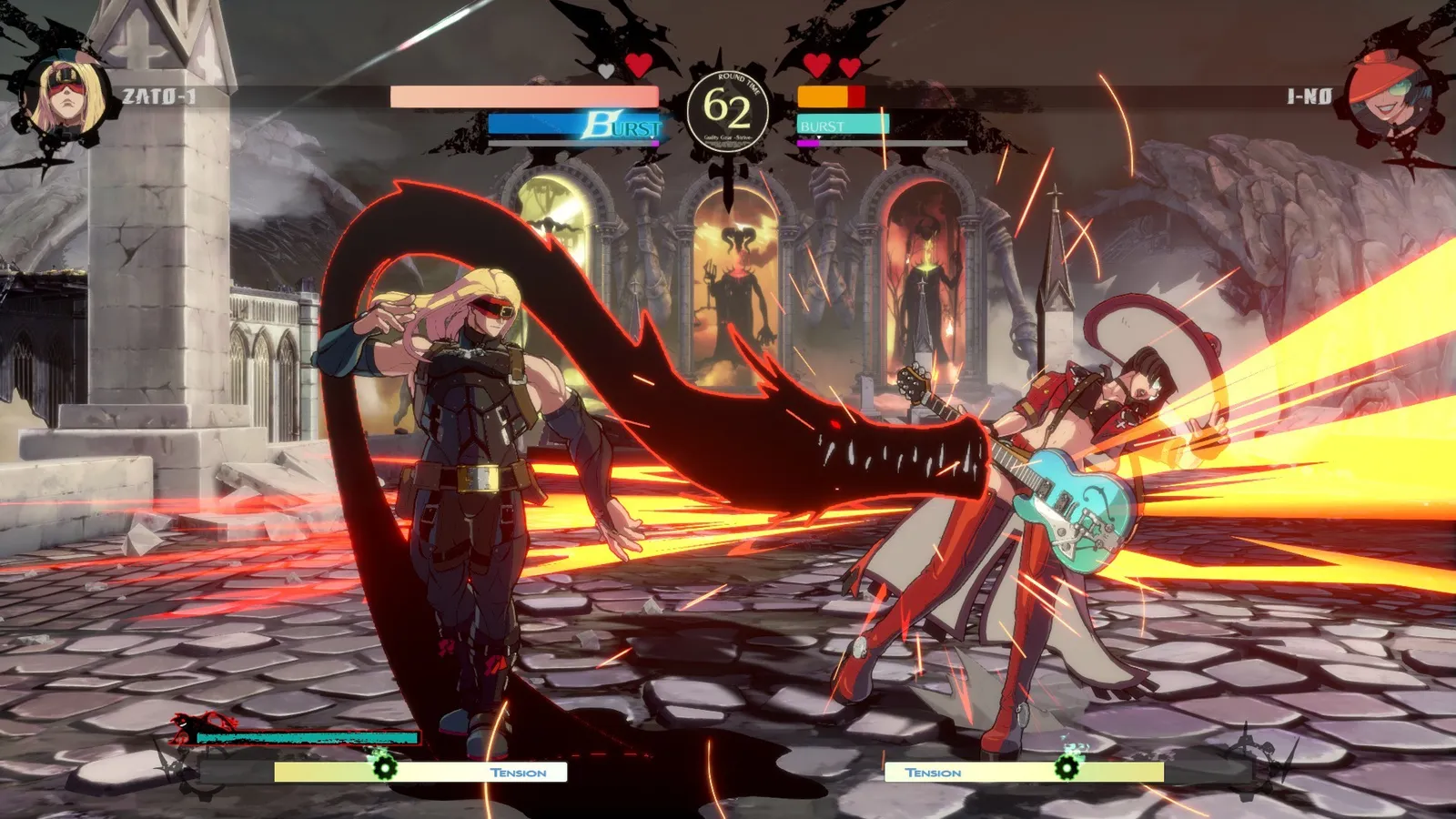
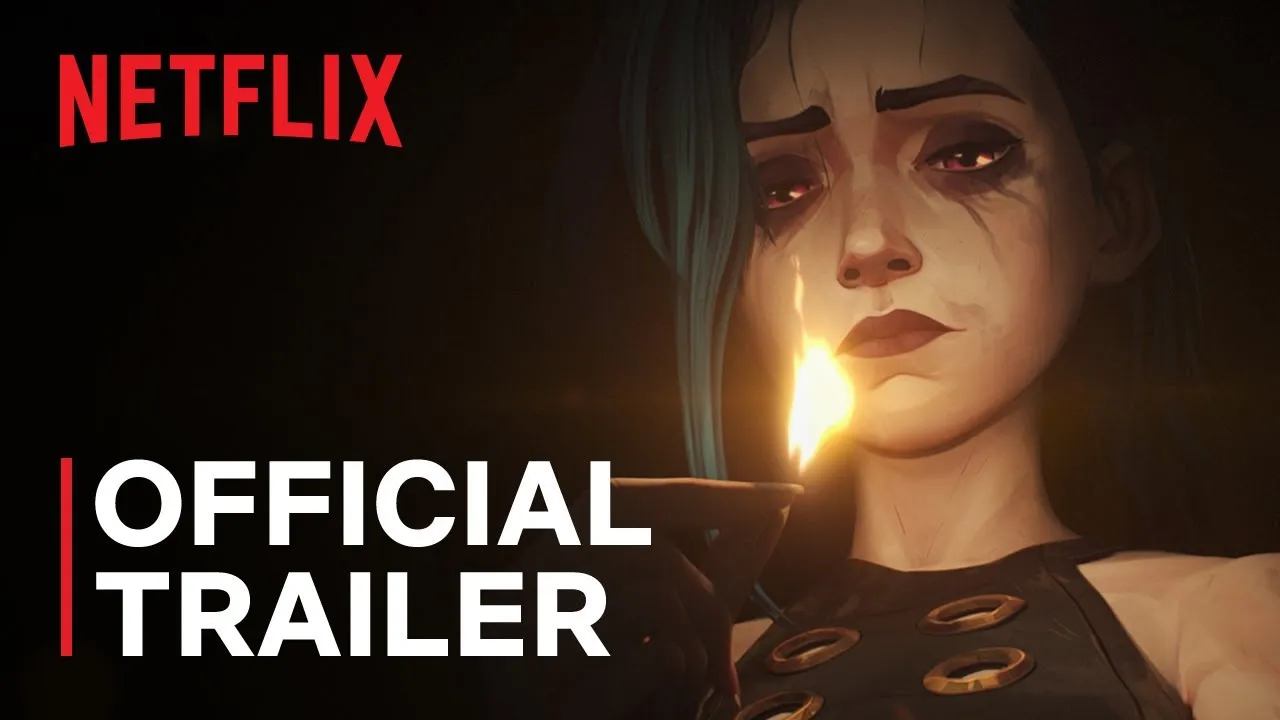
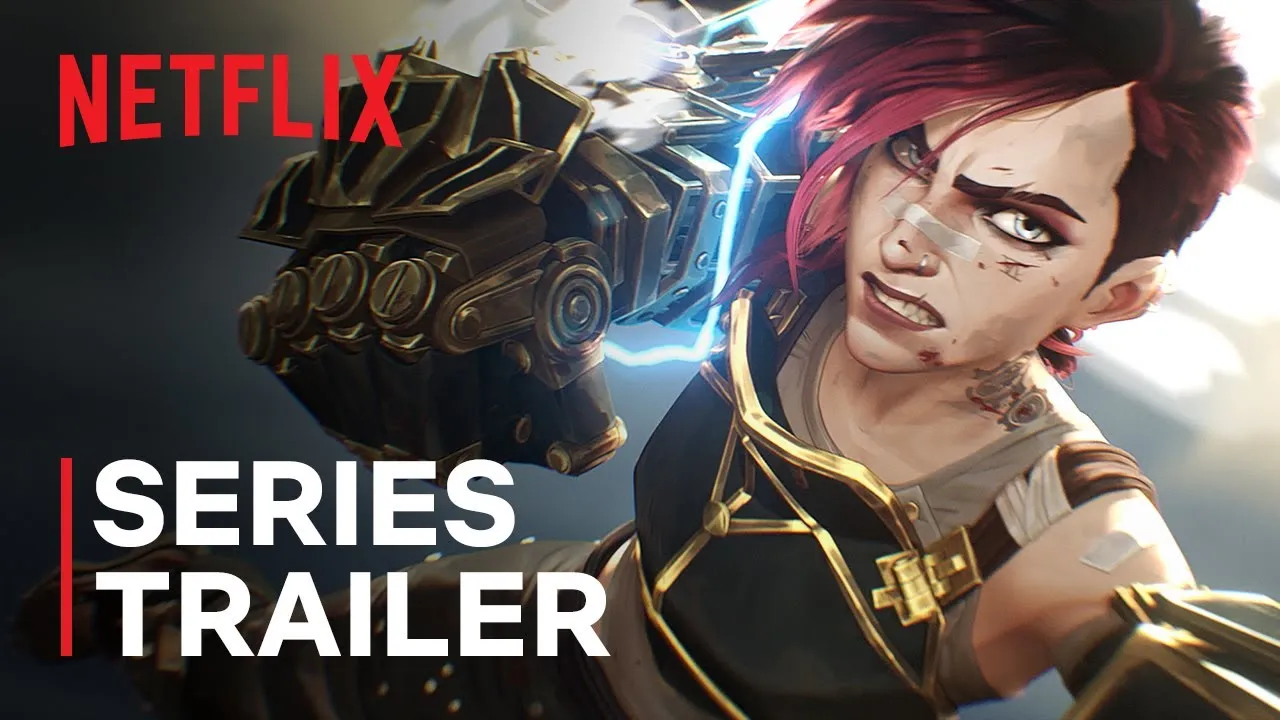
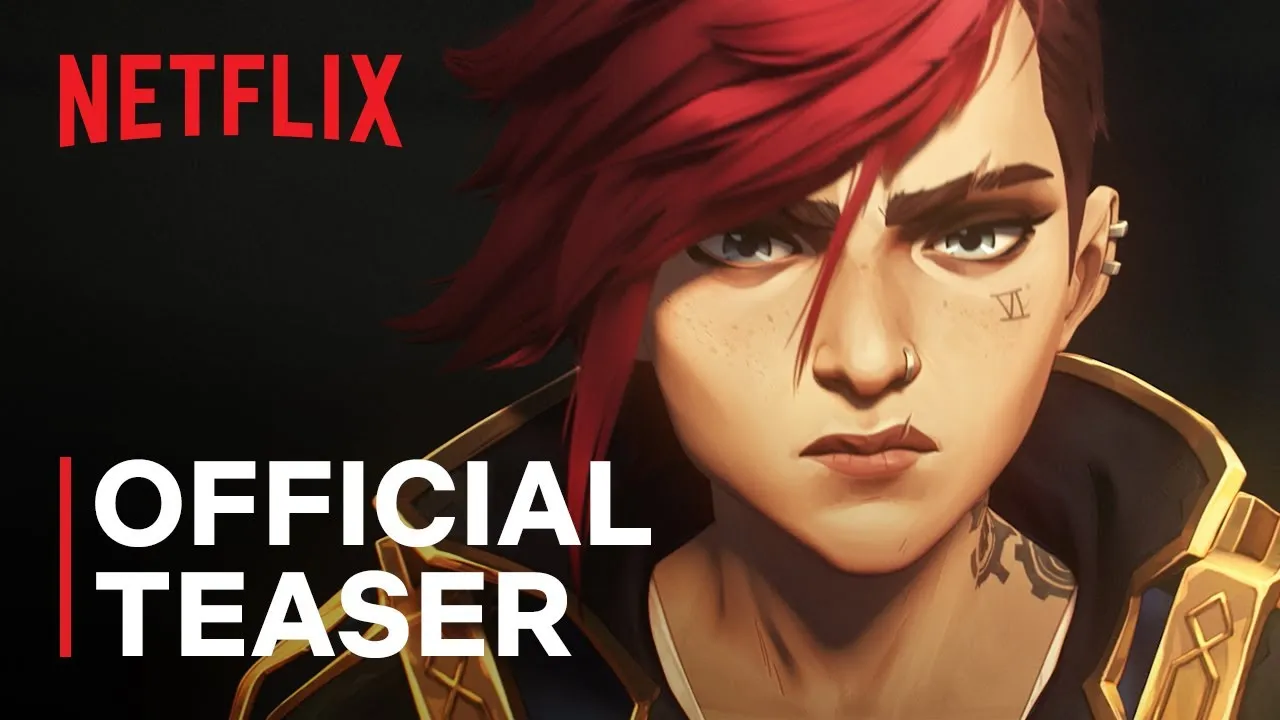
Arc System Works' Guilty Gear Xrd (GDC 2015 talk by Junya Christopher Motomura) industrialized 'kill everything 3D' — treating models like sprites with hand-tuned normals and inverse-hull lines — getting 3D to pass as 2D anime. In film, Sony Pictures Imageworks (Spider-Verse, SIGGRAPH 2019/2023) and Paris studio Fortiche (founded 2009 by Pascal Charrue, Jérôme Combe, Arnaud Delord; Arcane) carried the same 2D-in-3D thesis to feature scale.
Artists
-
"Painterly Rendering with Curved Brush Strokes of Multiple Sizes," SIGGRAPH 1998
Wrote the foundational painterly-rendering algorithm that repaints an image with layered curved brush strokes, coarse to fine, oriented along the gradients.
-
"WYSIWYG NPR: Drawing Strokes Directly on 3D Models," SIGGRAPH 2002
Built the WYSIWYG NPR system that lets an artist draw strokes straight onto a 3D model and keeps the hand-drawn look from any camera angle.
-
Jet Set Radio (Sega Dreamcast, 2000), art direction
Art-directed Jet Set Radio, the first game built on a full cel-shaded 3D look — thick outlines, flat bright tone, drawn from Tokyo street style.
-
Paperman (2012, director), Walt Disney Animation Studios
Directed Paperman, which ran hand-drawn 2D lines on top of 3D CG so the strokes follow the animated surfaces underneath.
-
Meander 2D-on-3D drawing system (Paperman, Feast, Frozen, Moana)
Built Disney's Meander, a vector drawing tool that attaches 2D strokes to a CG character and carries them frame-to-frame along the 3D motion.
-
The Legend of Zelda: The Wind Waker (2002, director), Nintendo
Directed The Wind Waker, the landmark cel-shaded 3D Zelda that dropped photoreal lighting for flat toon tone and bold cartoon shapes.
-
Spider-Man: Into the Spider-Verse (2018, Head of Character Animation)
Led character animation on Into the Spider-Verse and drove the switch to stepped 'on twos' frames with motion blur off for a comic-panel cadence.
-
Borderlands / Gearbox Software
Borderlands (Gearbox Software, 2009)
Built Borderlands' inked comic-book look from hand-drawn textures plus engine-drawn black outlines, giving 3D scenes a graphic-novel finish.
-
Gooch shading, SIGGRAPH 1998 (with Peter Shirley, Elaine Cohen)
Formalized 'cool-to-warm' NPR lighting at the University of Utah — the academic root of treating stylized illumination as legible shape, not realism.
-
Guilty Gear Xrd -SIGN- (2014), Xrd REV 2 (2017), Strive (2021) — Arc System Works; GDC 2015 'The X Factor Between 2D and 3D'
Drove the 'kill everything 3D' method — hand-edited vertex normals and per-vertex inverse-hull outlines that make real-time 3D read as hand-drawn anime.
-
Spider-Man: Into the Spider-Verse (2018, production designer), Sony Pictures Imageworks
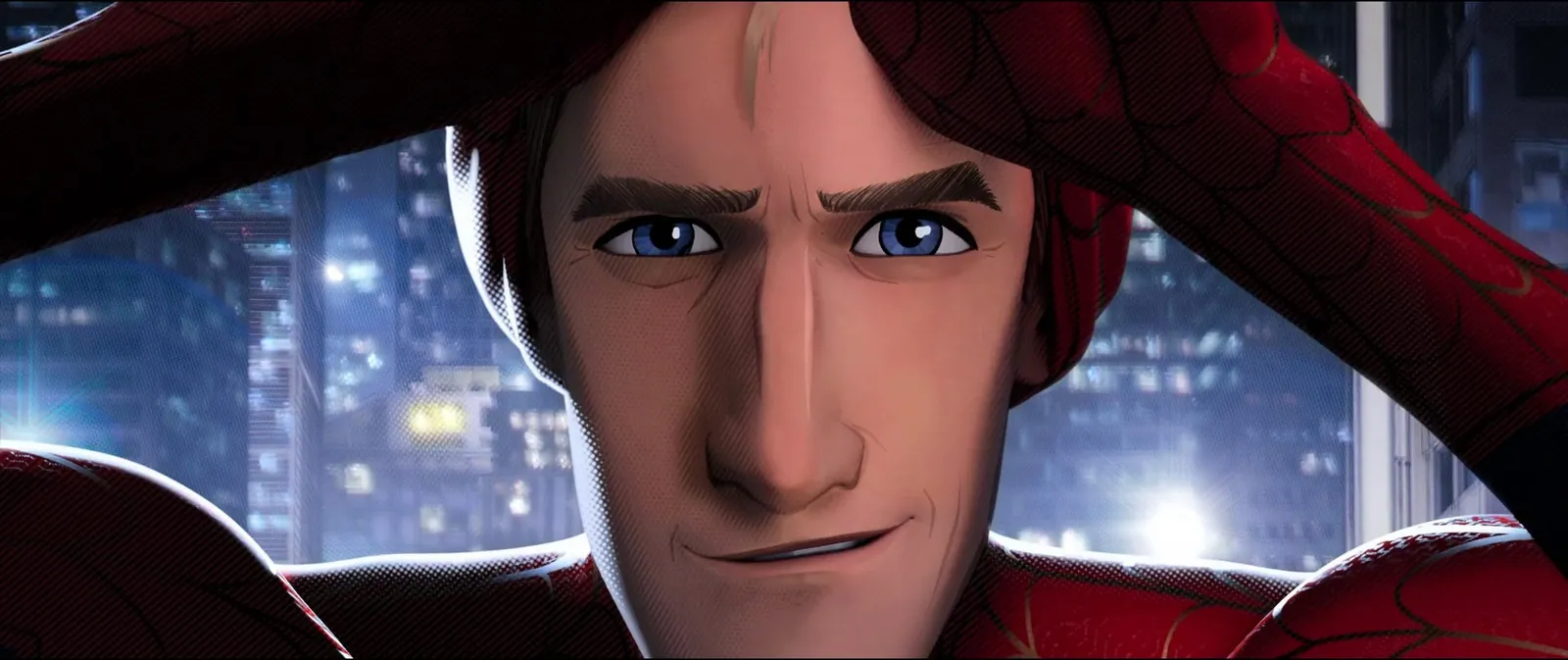
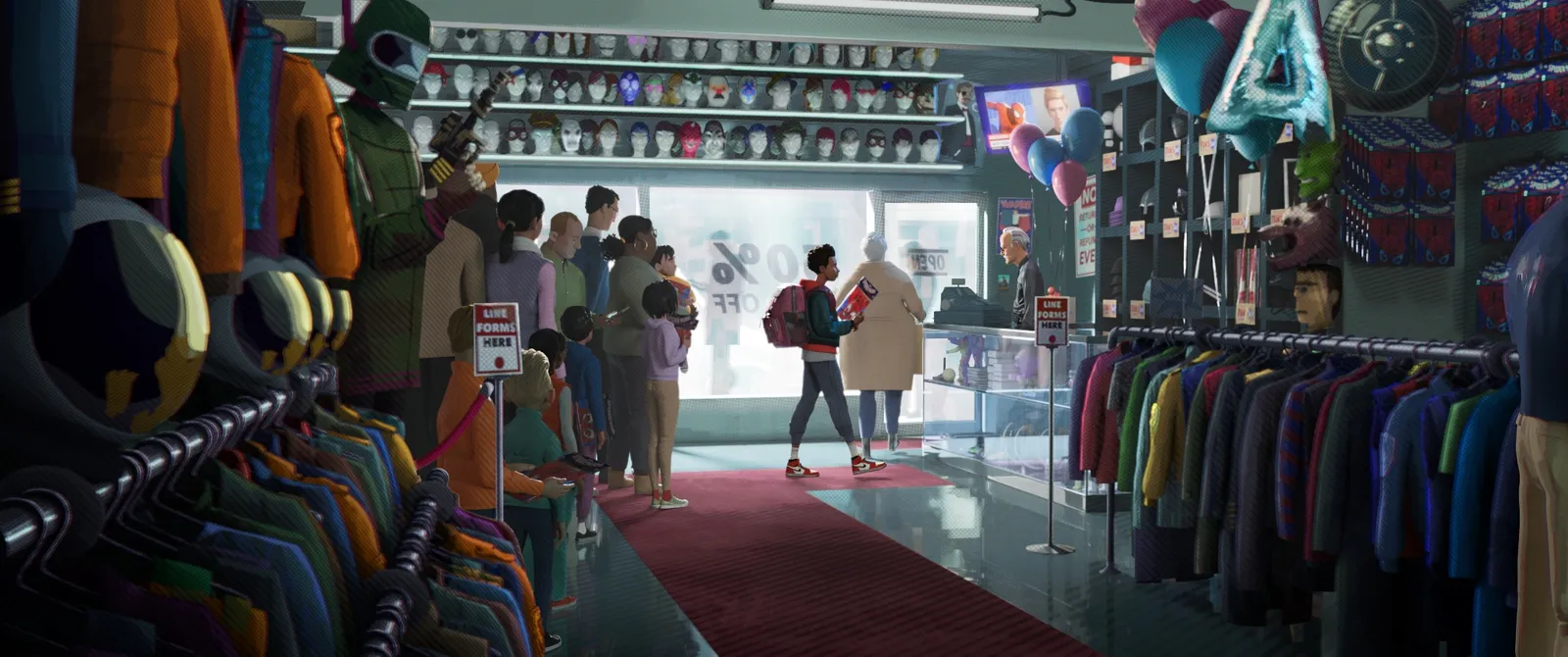
Architected the 'living painting / comic panel' look — CG frames worked over with line, dots and paint so every frame reads as printed comic art.
-
Into the Spider-Verse (2018) & Across the Spider-Verse (2023, VFX supervisor), Sony Pictures Imageworks
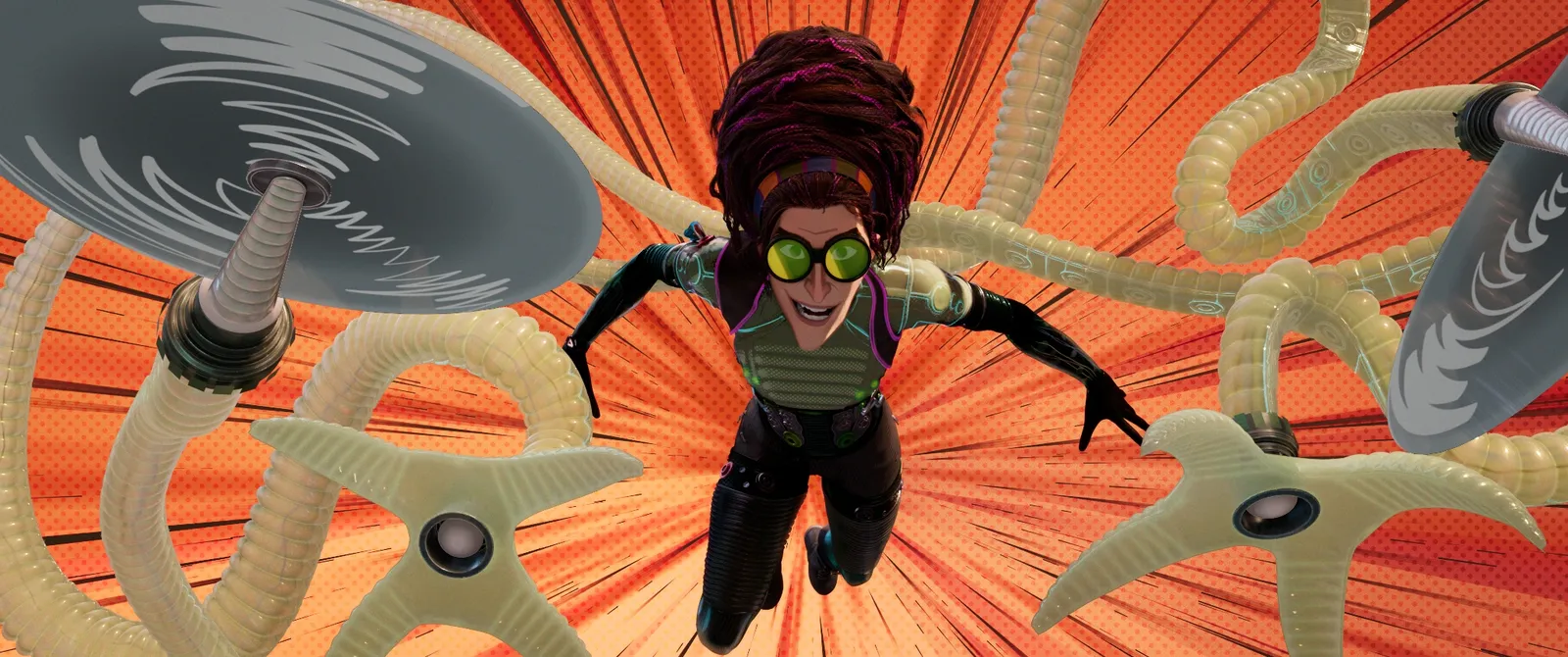
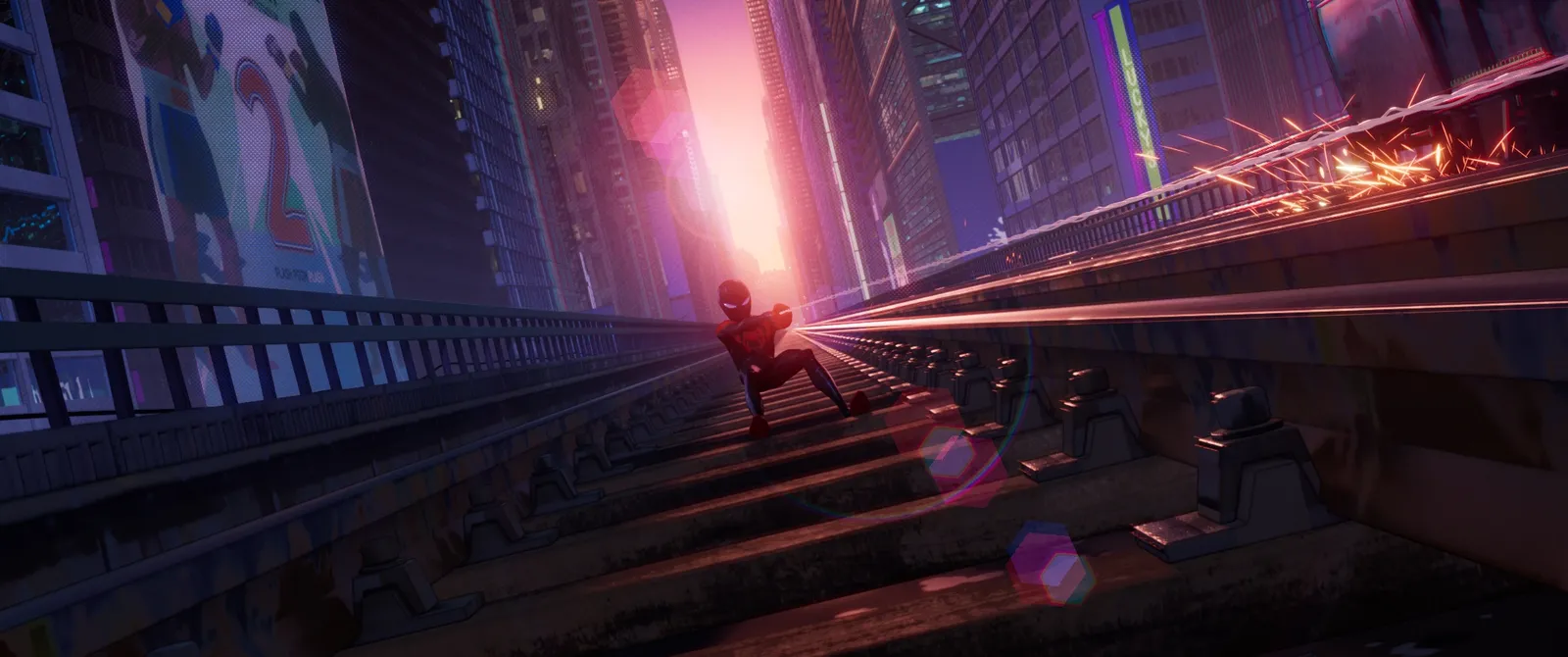
Led the NPR pipeline R&D — procedurally-tracked inklines, Ben-Day/halftone shaders and variable-rate ('on twos') animation in a CG pipeline.
-
Fortiche (Pascal Charrue & Arnaud Delord)
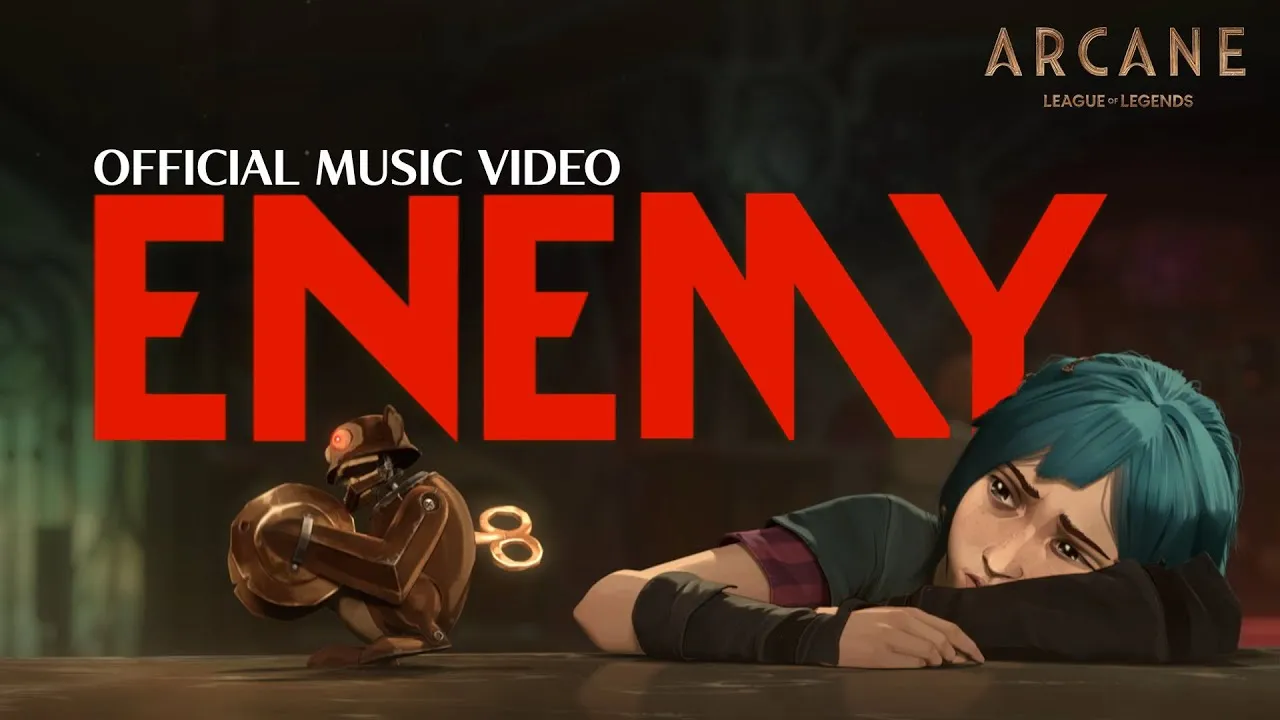
Arcane (2021, 2024) and League of Legends cinematics ('Enemy', music videos), Fortiche Production, Paris
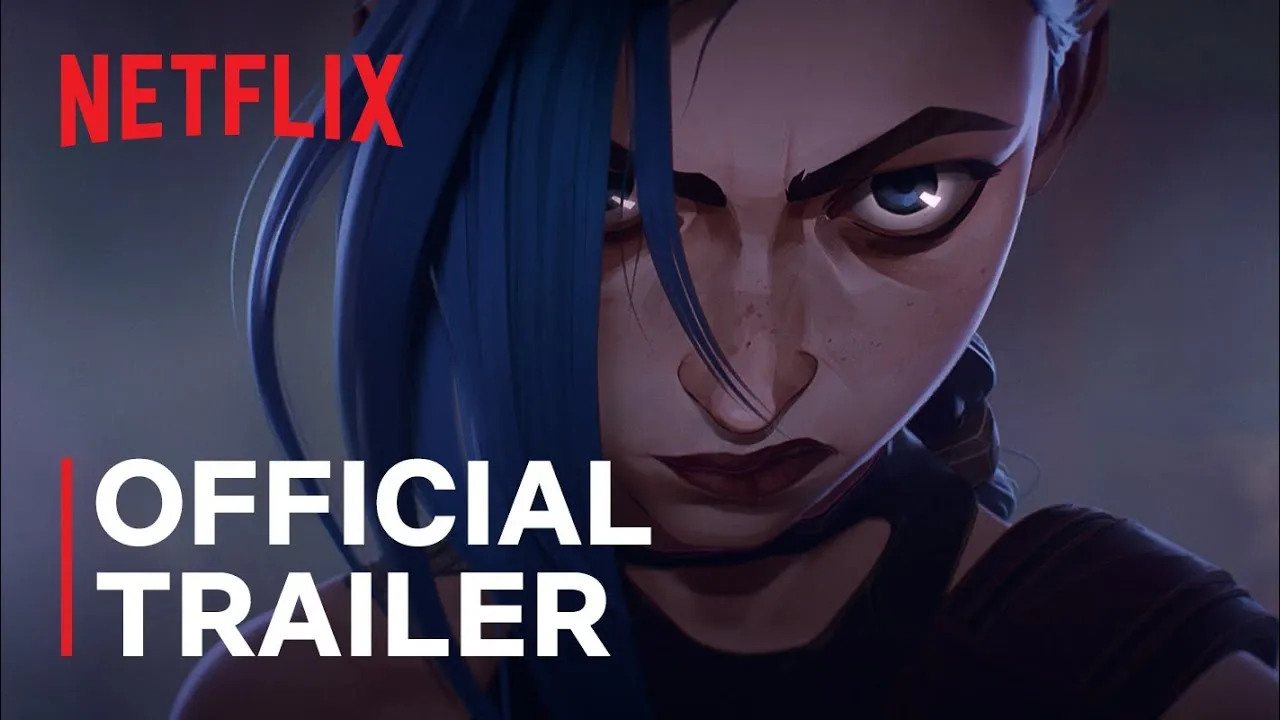
Co-founded Fortiche's 2D-in-3D method — hand-painted textures with baked light over 3D geometry, 2D FX, composited in layers into 'moving oil paintings'.
-
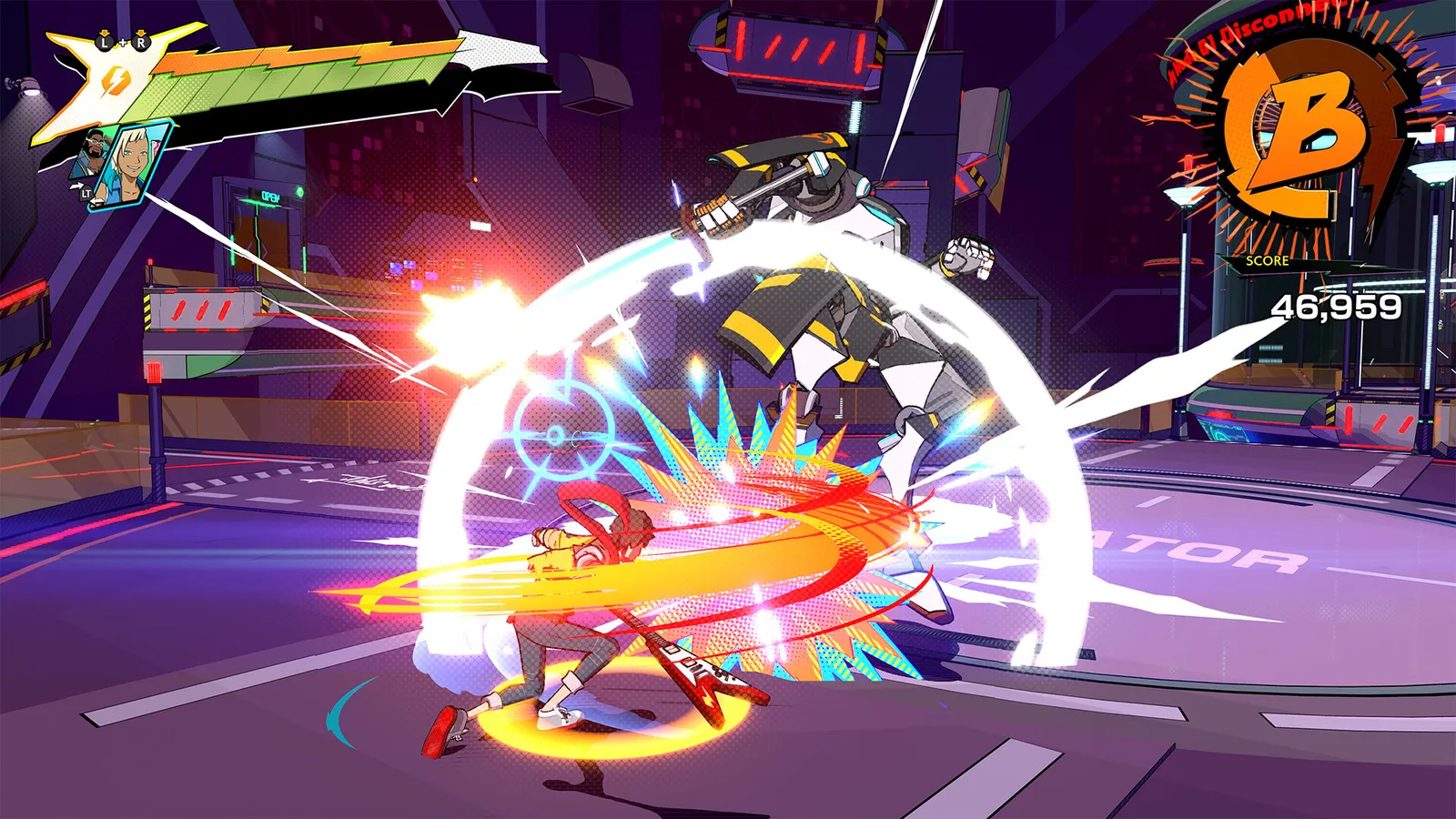
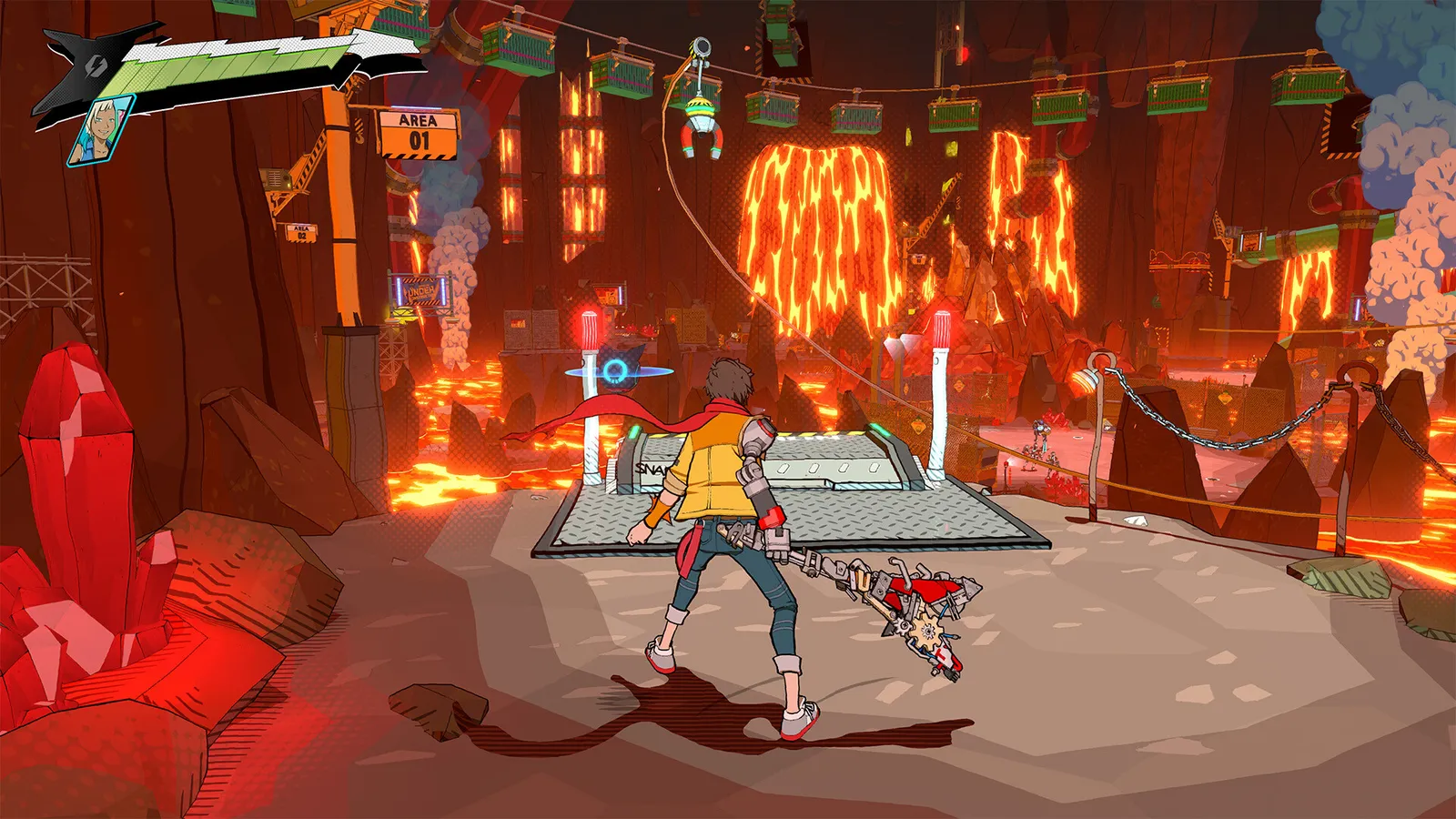
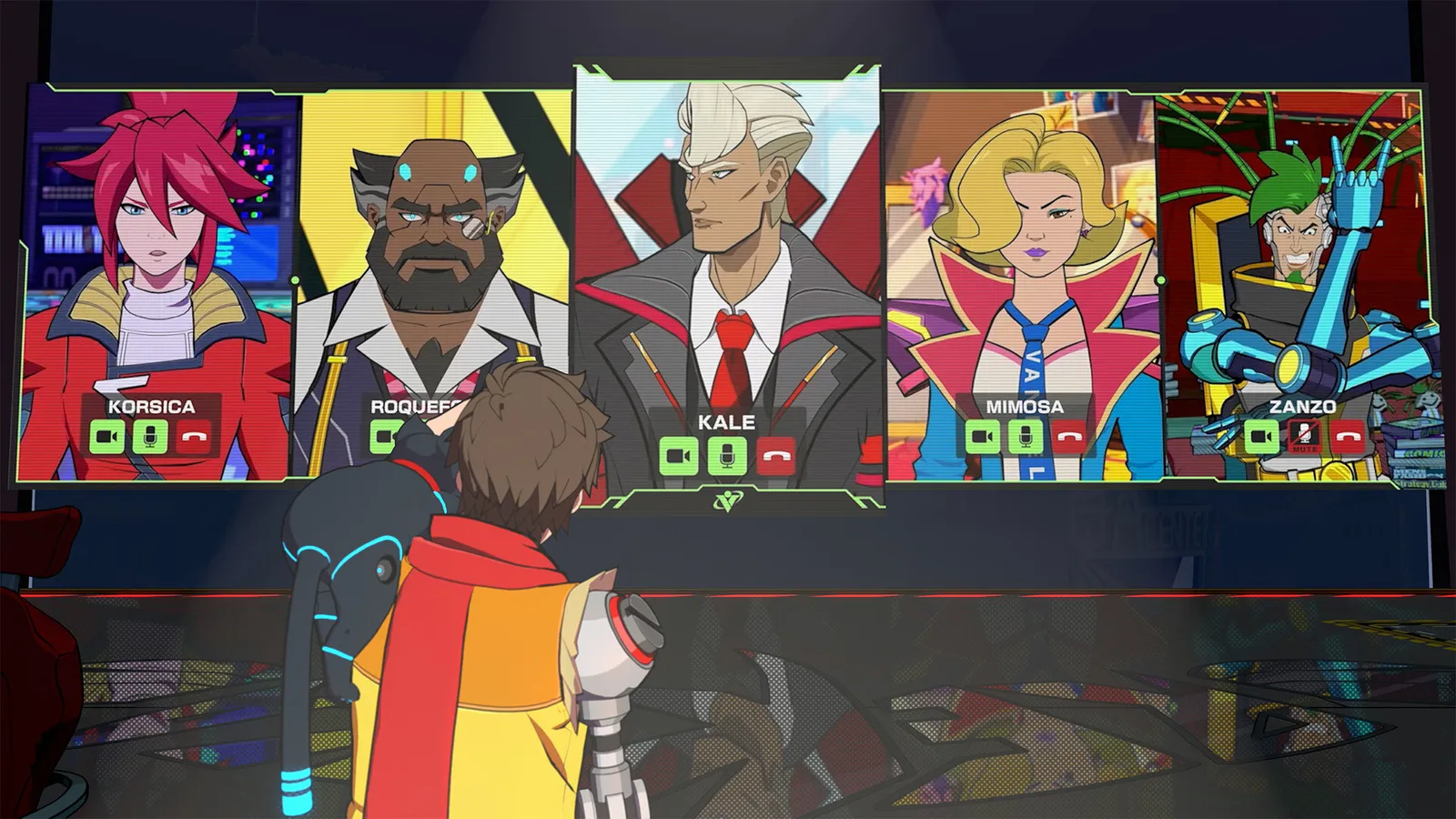
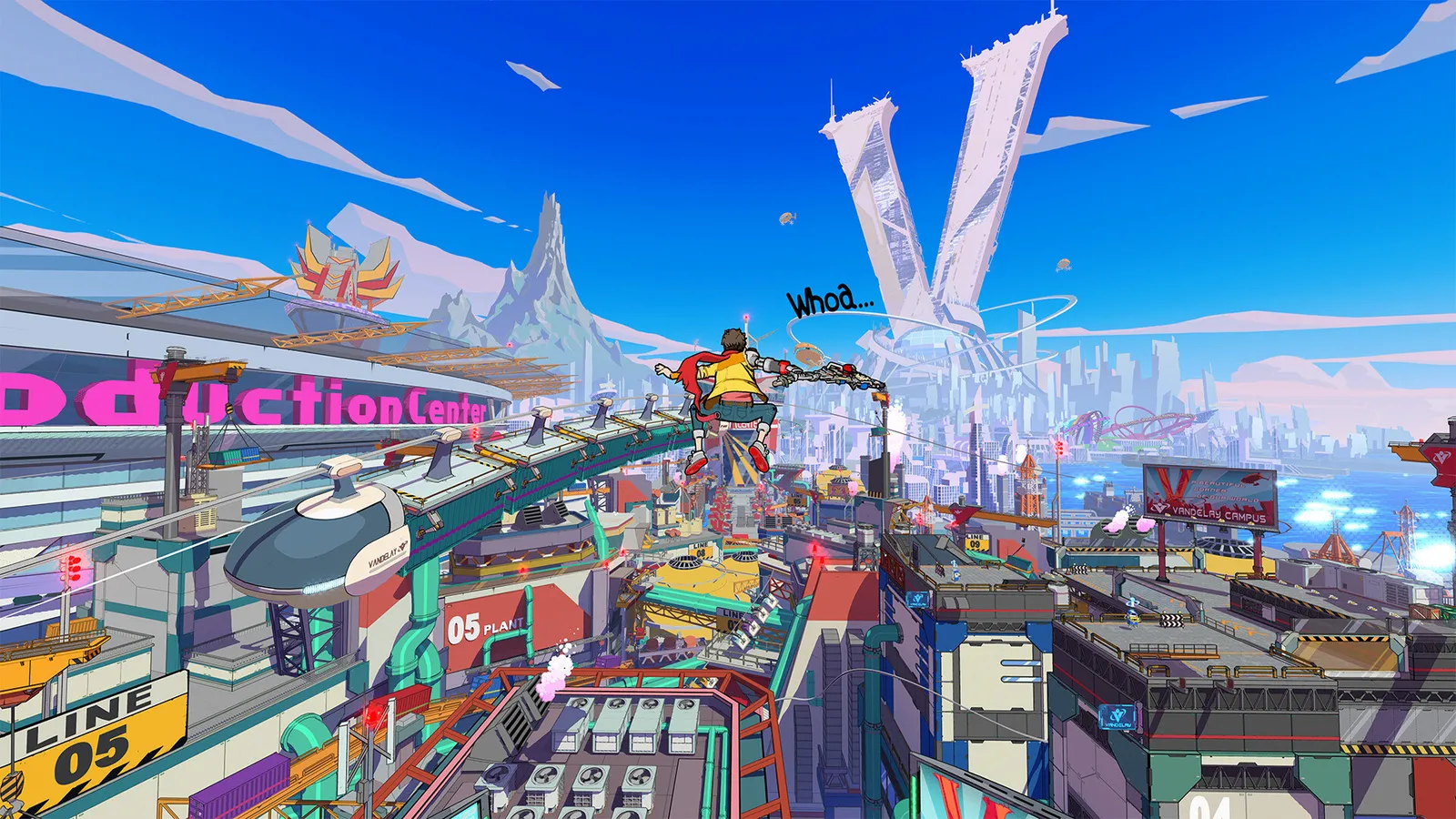
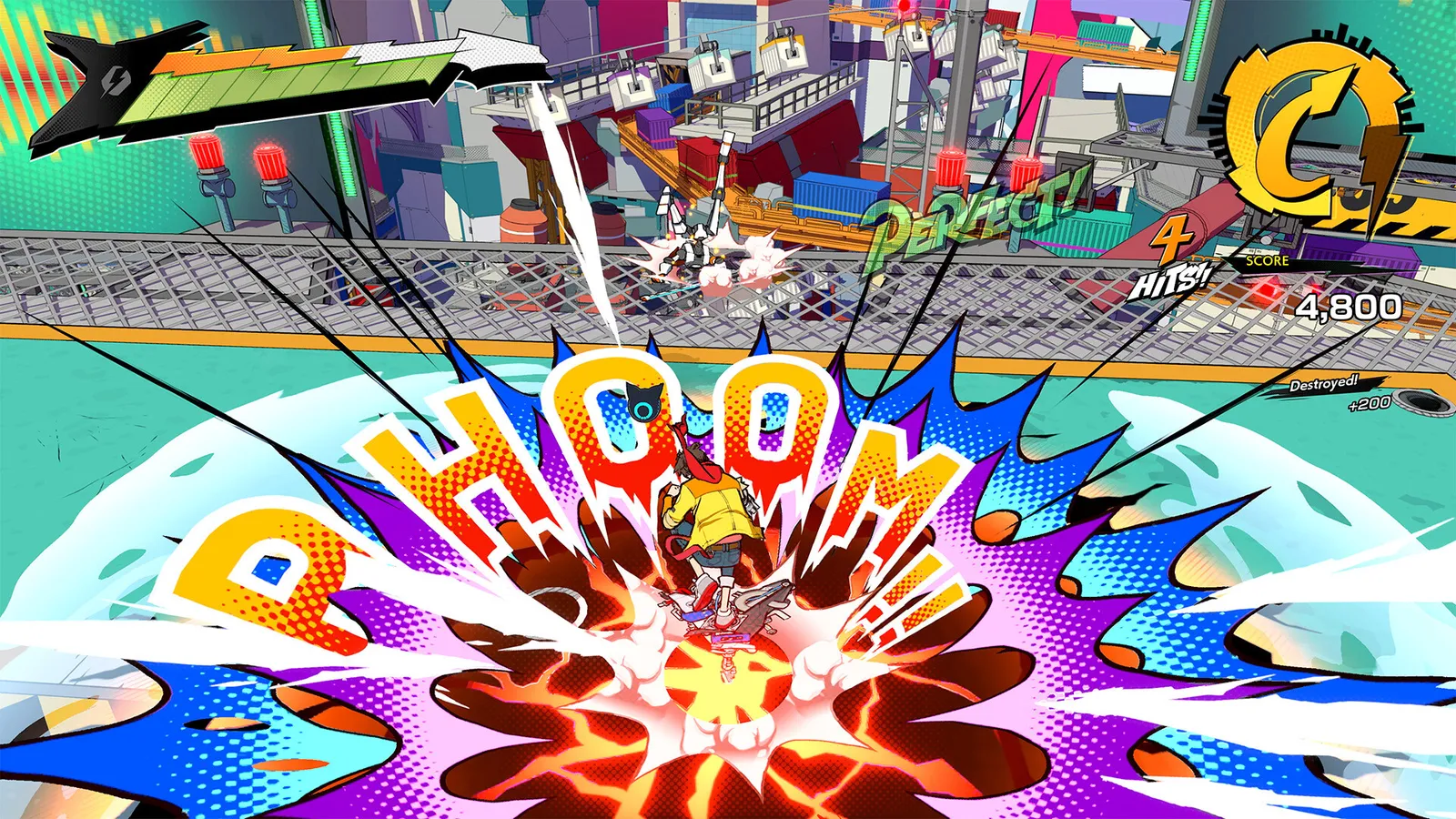
Hi-Fi RUSH (2023, game & creative director), Tango Gameworks
Built a real-time cel-shaded 'Saturday-morning cartoon' look in Unreal — flat-tone shading, crisp comic ink lines and on-beat comic FX matched shot-for-shot to concept art.
-
Blender Grease Pencil personal films & loops (Tram Station / Blender 2.82 splash, 2019–)
Self-taught animator who draws 2D Grease Pencil strokes onto basic 3D primitives inside Blender — hand-inked, painterly anime frames rendered in a 3D scene.
-
Okami (Clover Studio, 2006), director
Directed Okami, the sumi-e cel-shaded landmark — ink-wash brush texture, visible paper grain and bold black contour rendered live on 3D geometry, the first big game to make NPR read as traditional ink painting.
Frames
Amy Gooch & Bruce Gooch
-
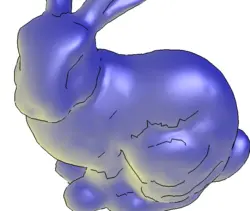
Gooch ('cool-to-warm') shading example · Amy Gooch & Bruce Gooch · Source
Junya Christopher Motomura
-
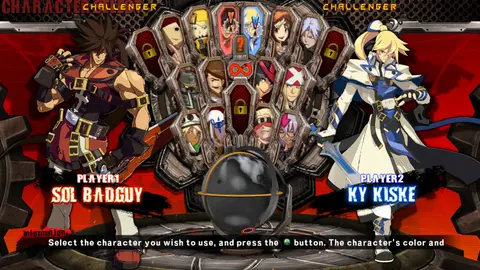
Guilty Gear Xrd -SIGN- (2014) · Junya Christopher Motomura · Source -
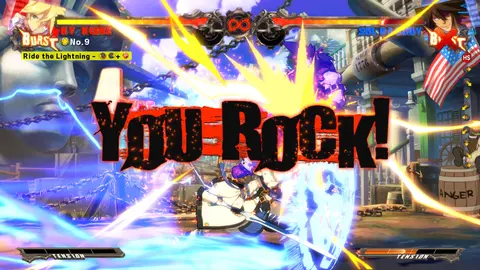
Guilty Gear Xrd -SIGN- (2014) · Junya Christopher Motomura · Source -
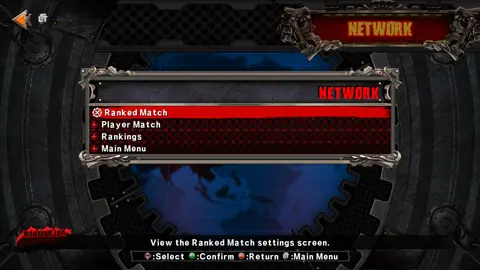
Guilty Gear Xrd -SIGN- (2014) · Junya Christopher Motomura · Source -
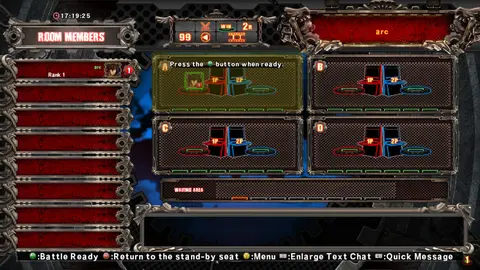
Guilty Gear Xrd -SIGN- (2014) · Junya Christopher Motomura · Source -
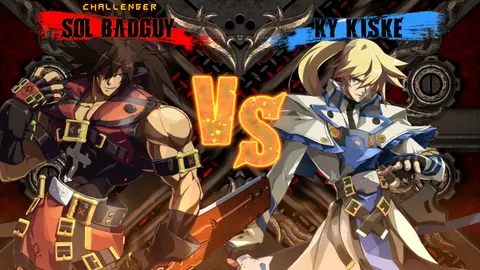
Guilty Gear Xrd REV 2 (2017) · Junya Christopher Motomura · Source -
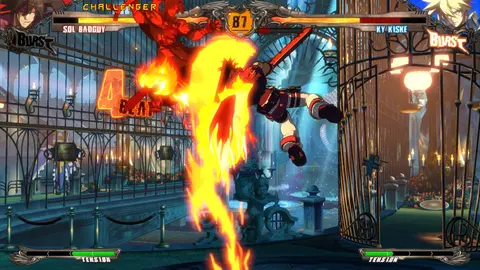
Guilty Gear Xrd REV 2 (2017) · Junya Christopher Motomura · Source -
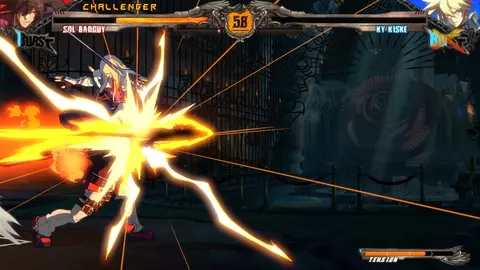
Guilty Gear Xrd REV 2 (2017) · Junya Christopher Motomura · Source -
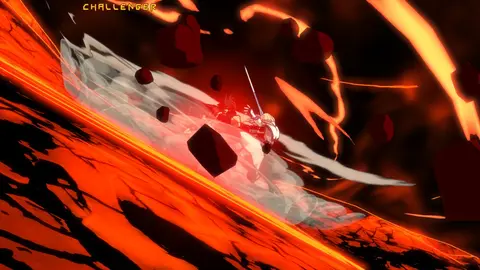
Guilty Gear Xrd REV 2 (2017) · Junya Christopher Motomura · Source -
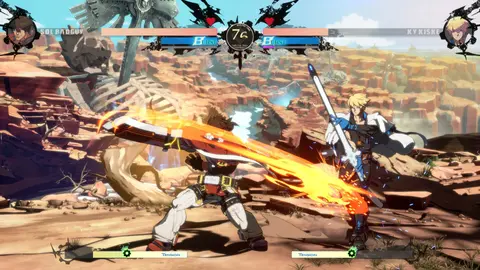
Guilty Gear -STRIVE- (2021) · Junya Christopher Motomura · Source -
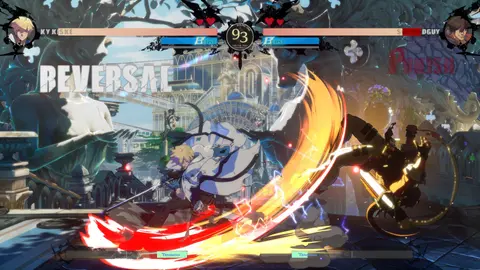
Guilty Gear -STRIVE- (2021) · Junya Christopher Motomura · Source -
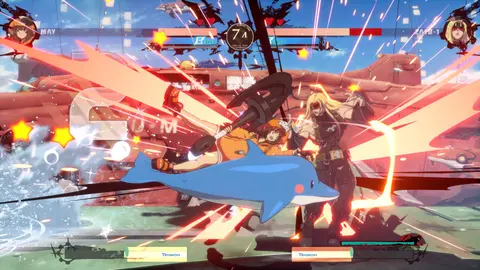
Guilty Gear -STRIVE- (2021) · Junya Christopher Motomura · Source -
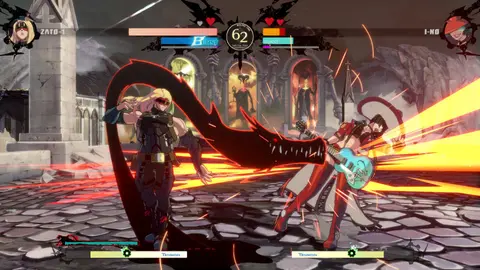
Guilty Gear -STRIVE- (2021) · Junya Christopher Motomura · Source
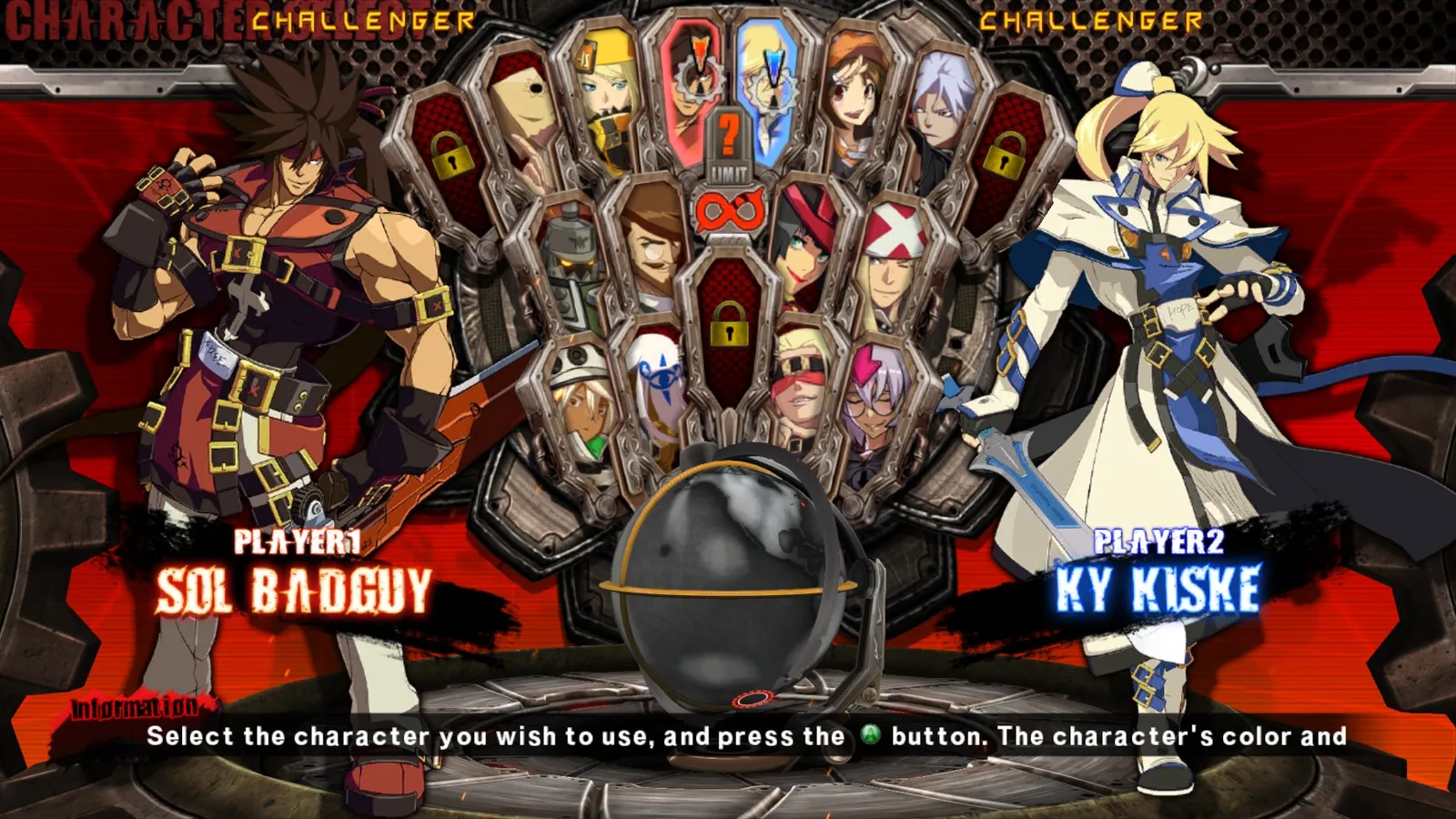
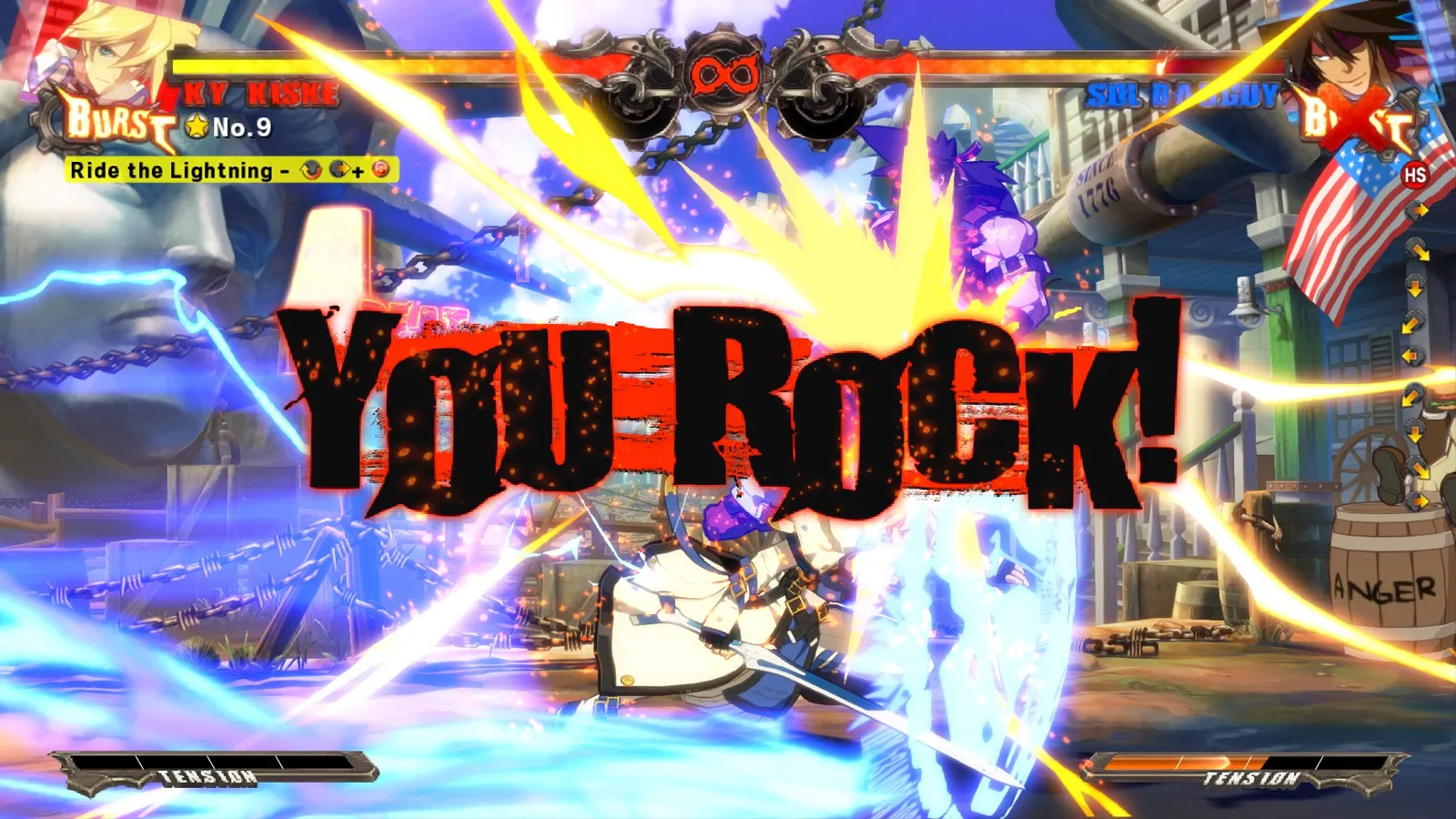
Justin K. Thompson
-
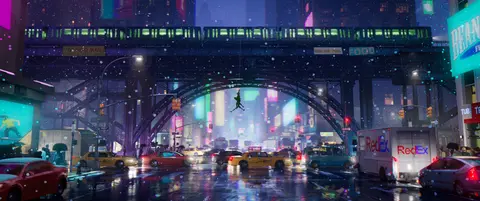
Spider-Man: Into the Spider-Verse (2018) · Justin K. Thompson · Source -
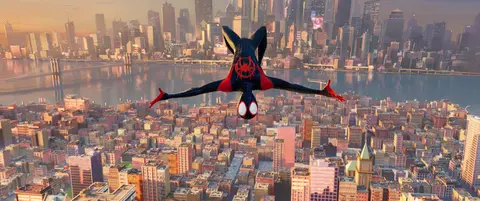
Spider-Man: Into the Spider-Verse (2018) · Justin K. Thompson · Source -
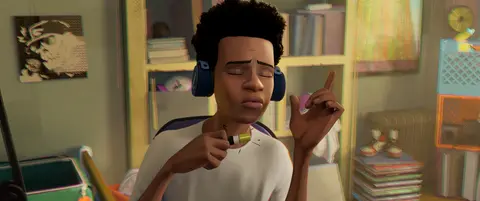
Spider-Man: Into the Spider-Verse (2018) · Justin K. Thompson · Source -
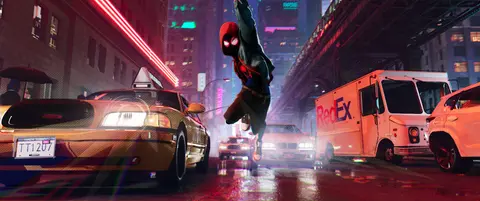
Spider-Man: Into the Spider-Verse (2018) · Justin K. Thompson · Source -
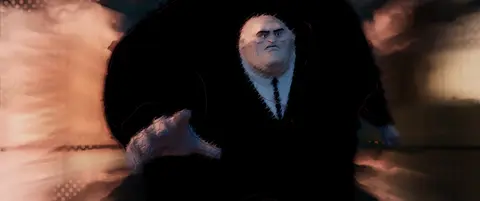
Spider-Man: Into the Spider-Verse (2018) · Justin K. Thompson · Source -
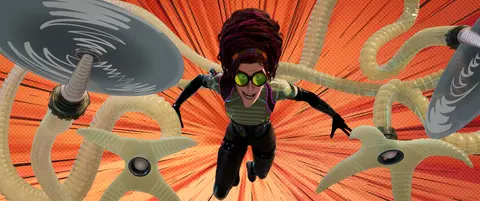
Spider-Man: Into the Spider-Verse (2018) · Justin K. Thompson · Source -
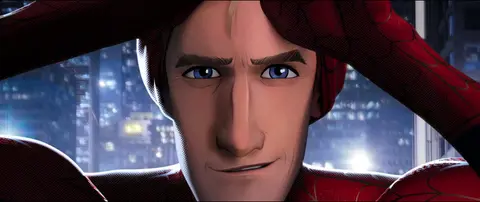
Spider-Man: Into the Spider-Verse (2018) · Justin K. Thompson · Source -
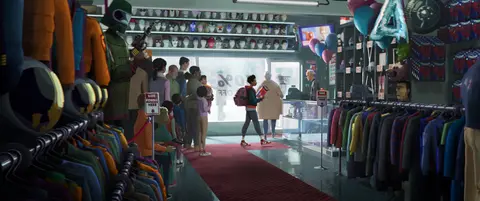
Spider-Man: Into the Spider-Verse (2018) · Justin K. Thompson · Source -
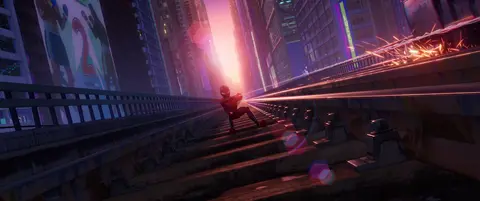
Spider-Man: Into the Spider-Verse (2018) · Justin K. Thompson · Source
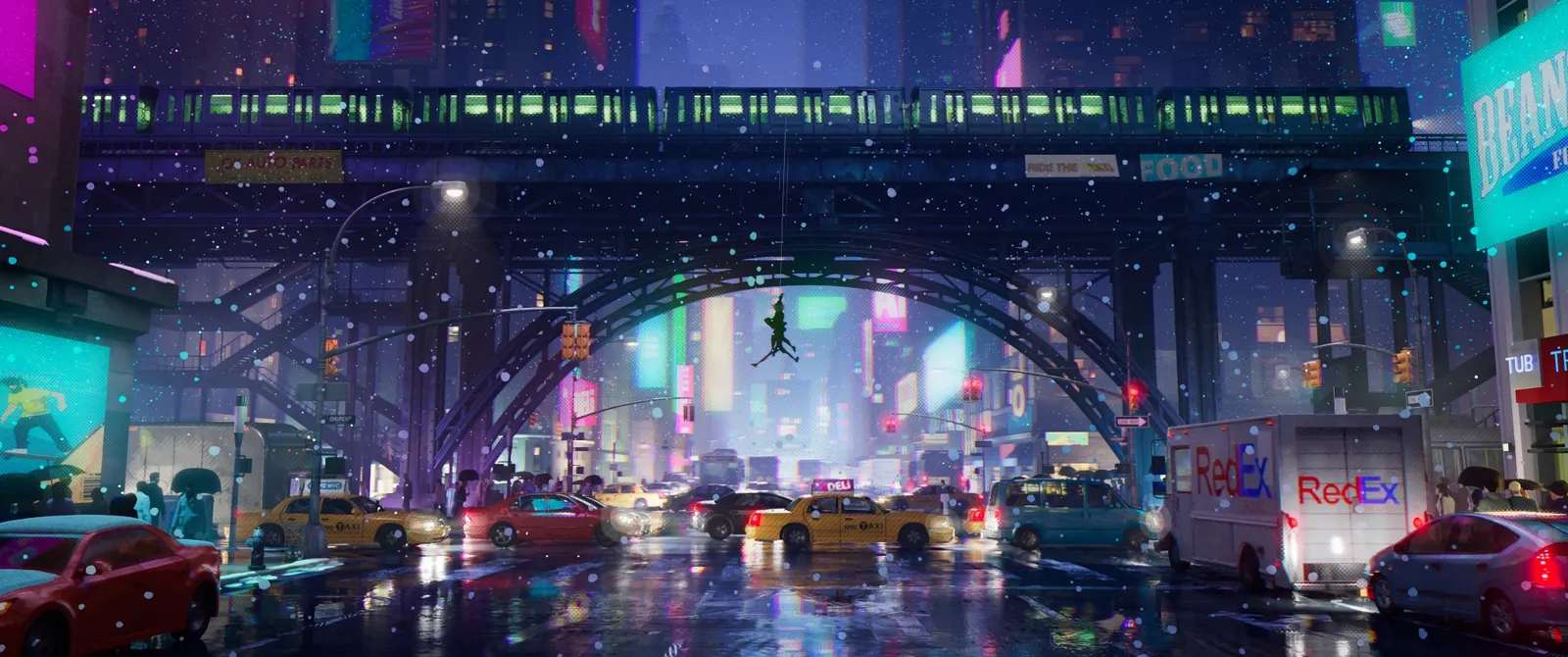
Danny Dimian
-
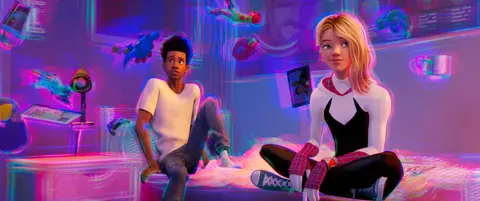
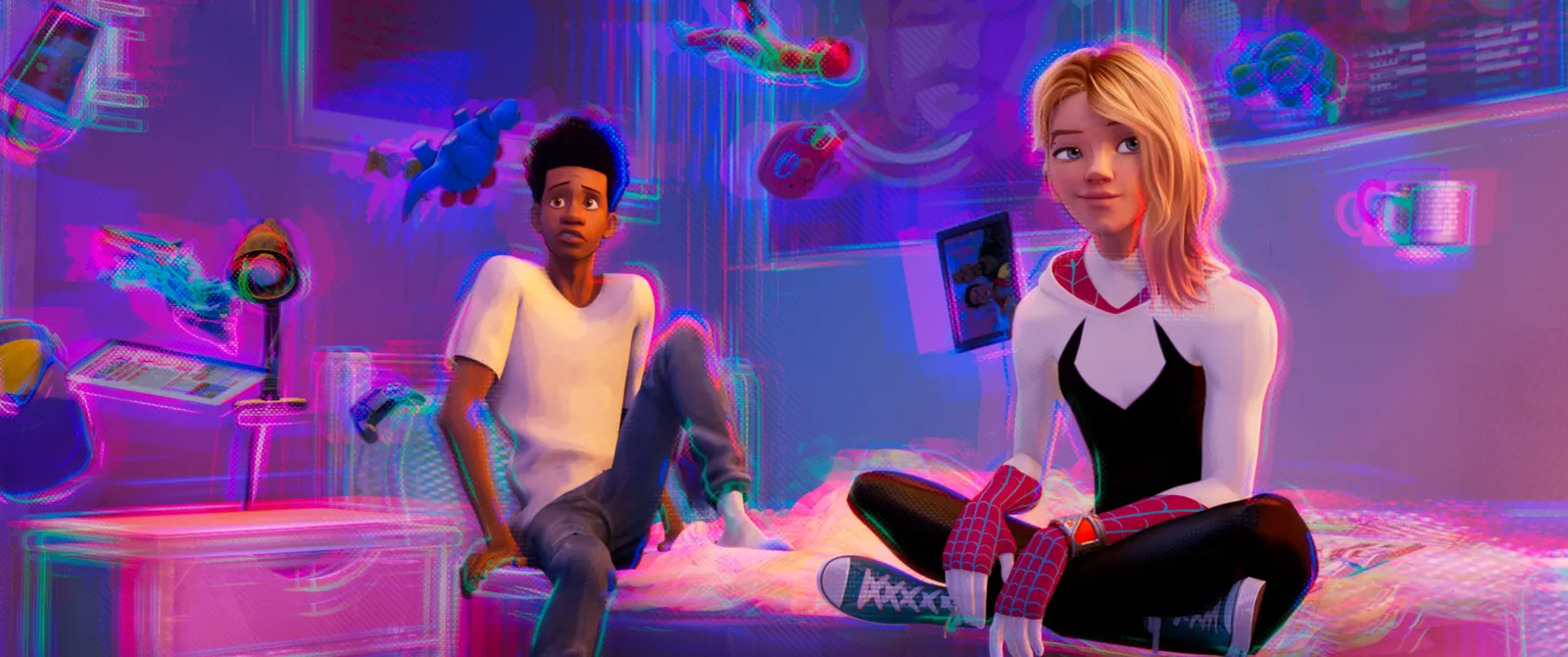
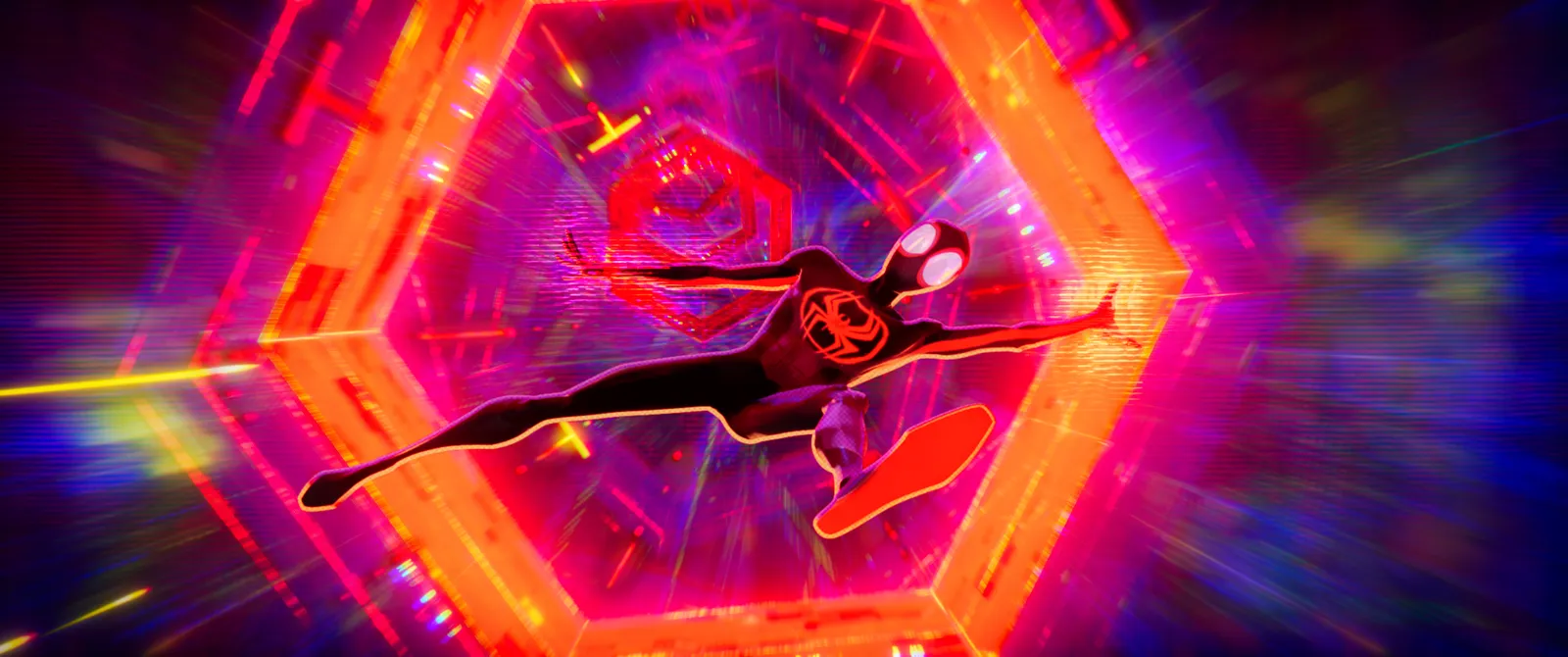
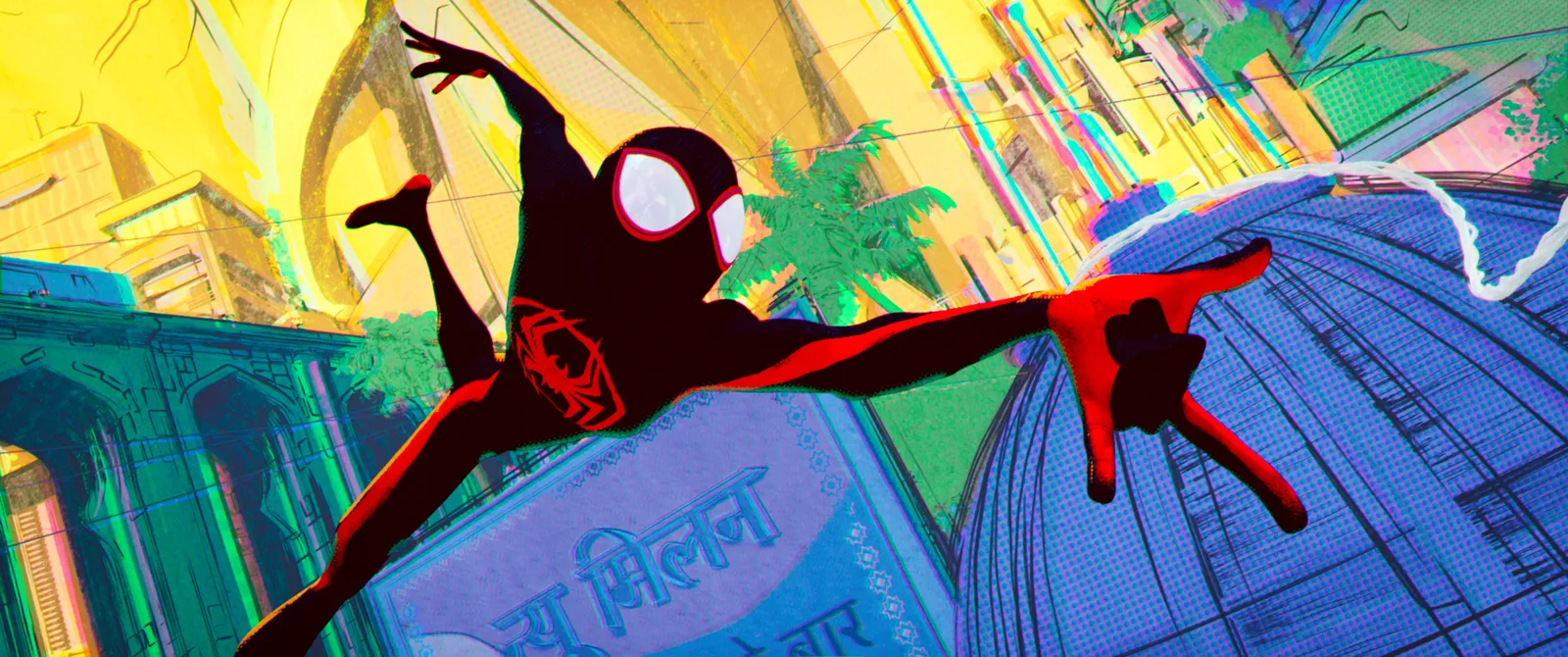
Spider-Man: Across the Spider-Verse (2023) · Danny Dimian · Source -
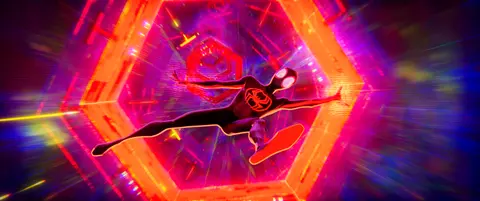
Spider-Man: Across the Spider-Verse (2023) · Danny Dimian · Source -
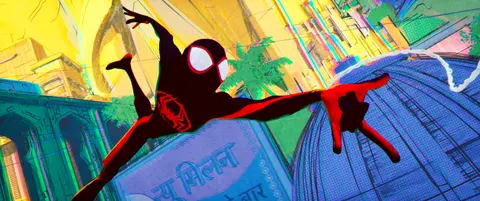
Spider-Man: Across the Spider-Verse (2023) · Danny Dimian · Source -
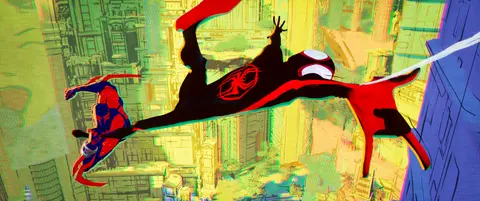
Spider-Man: Across the Spider-Verse (2023) · Danny Dimian · Source -
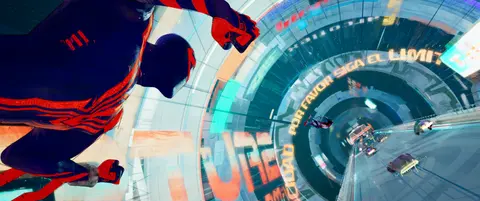
Spider-Man: Across the Spider-Verse (2023) · Danny Dimian · Source
Fortiche (Pascal Charrue & Arnaud Delord)
-
Arcane: Season 1 (2021, official trailer) · Fortiche (Pascal Charrue & Arnaud Delord) · Source -
Arcane: Season 2 (2024, official trailer) · Fortiche (Pascal Charrue & Arnaud Delord) · Source -
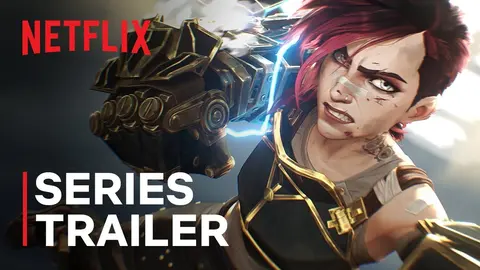
Arcane: Season 2 — 'Come Play' trailer (2024) · Fortiche (Pascal Charrue & Arnaud Delord) · Source -
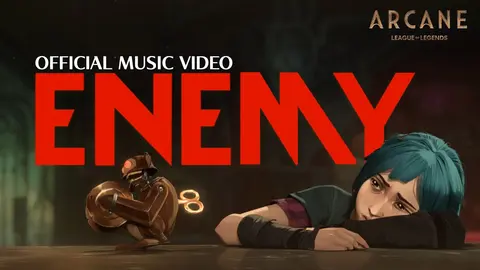
Imagine Dragons & JID — 'Enemy' (Arcane, 2021, official video) · Fortiche (Pascal Charrue & Arnaud Delord) · Source -
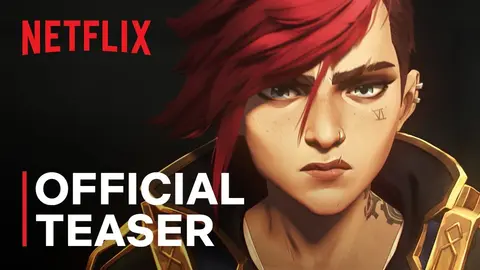
Arcane: Season 2 — teaser (2024) · Fortiche (Pascal Charrue & Arnaud Delord) · Source
John Johanas
Andry "Dedouze" Rasoahaingo
-
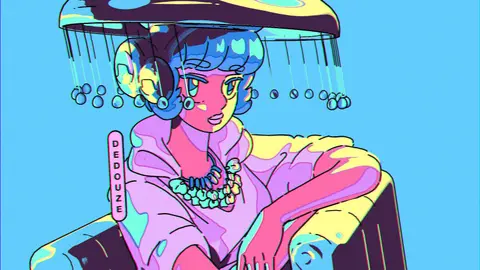
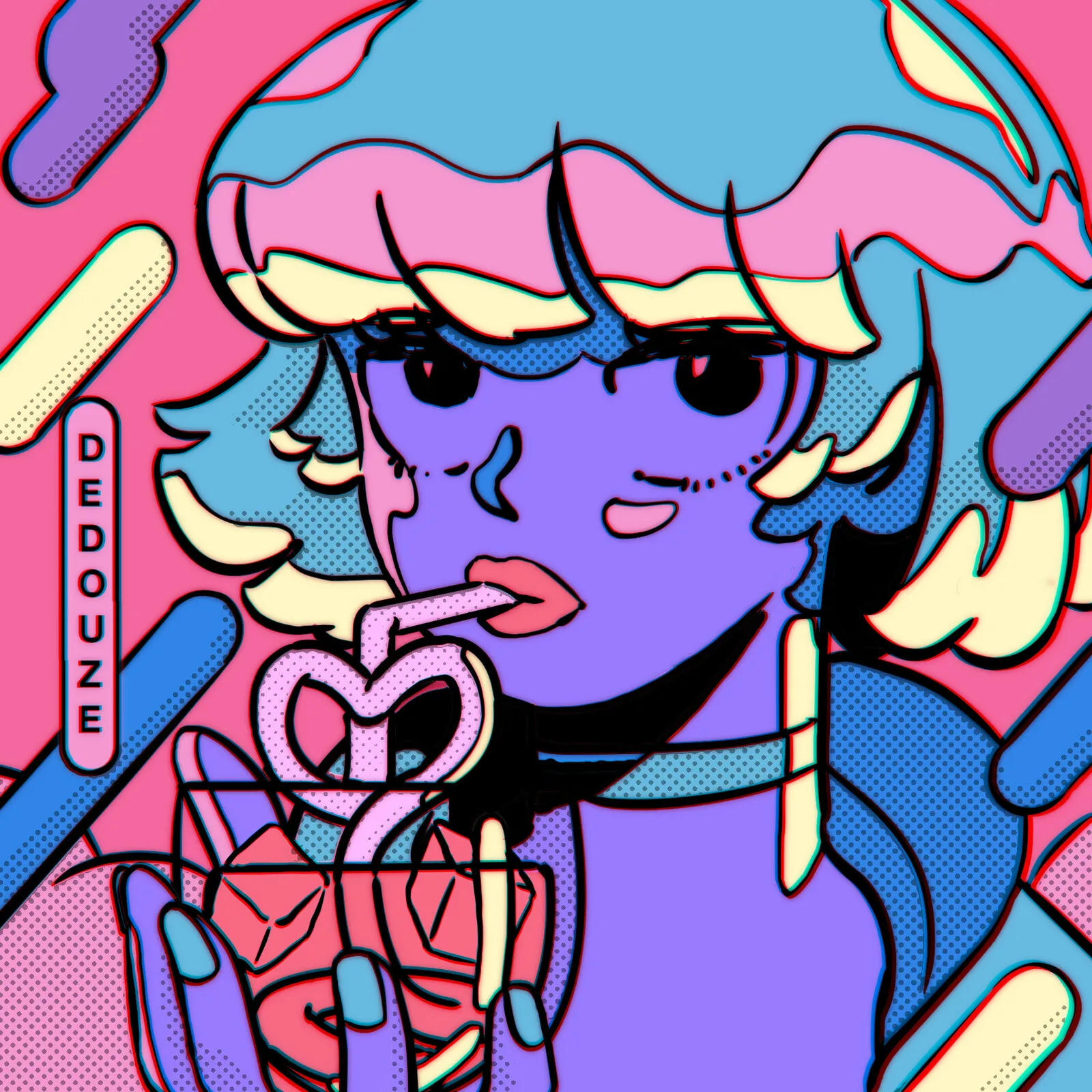
Hat Girl (Grease Pencil) · Andry "Dedouze" Rasoahaingo · Source -
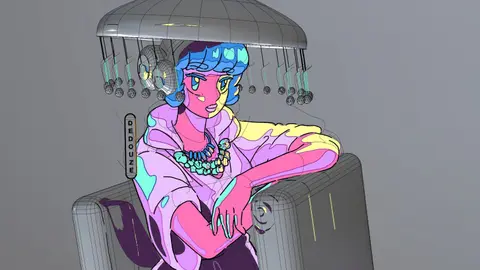
Hat Girl (Grease Pencil) · Andry "Dedouze" Rasoahaingo · Source -
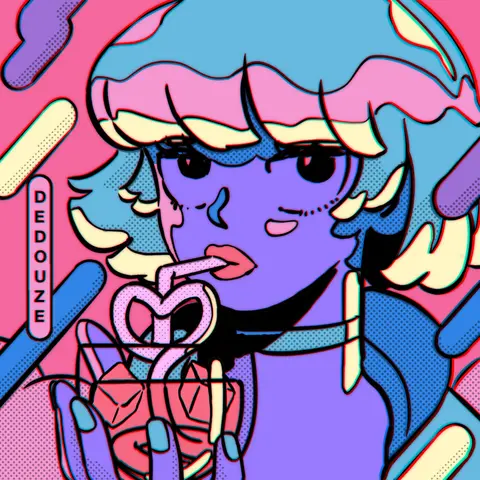
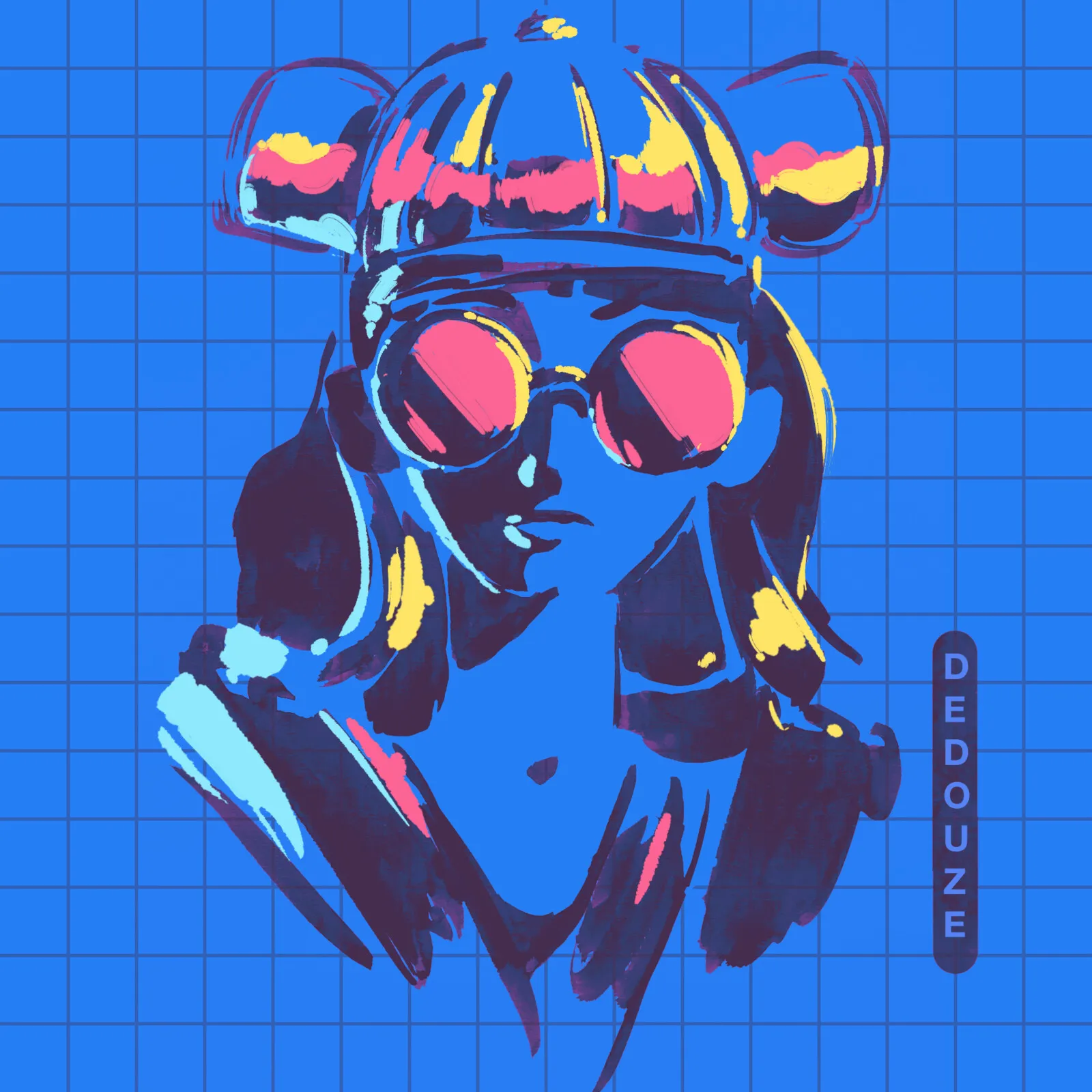
Neon flashy colors (Grease Pencil face FX) · Andry "Dedouze" Rasoahaingo · Source -
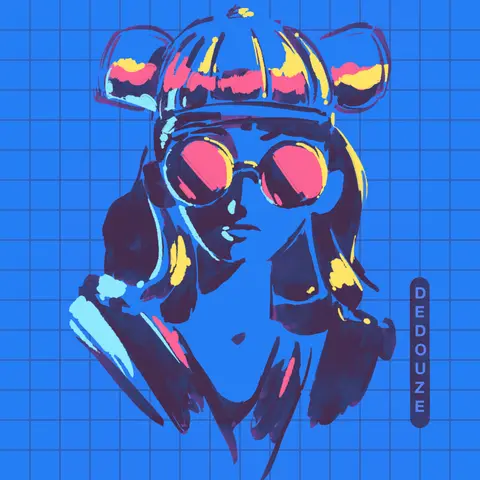
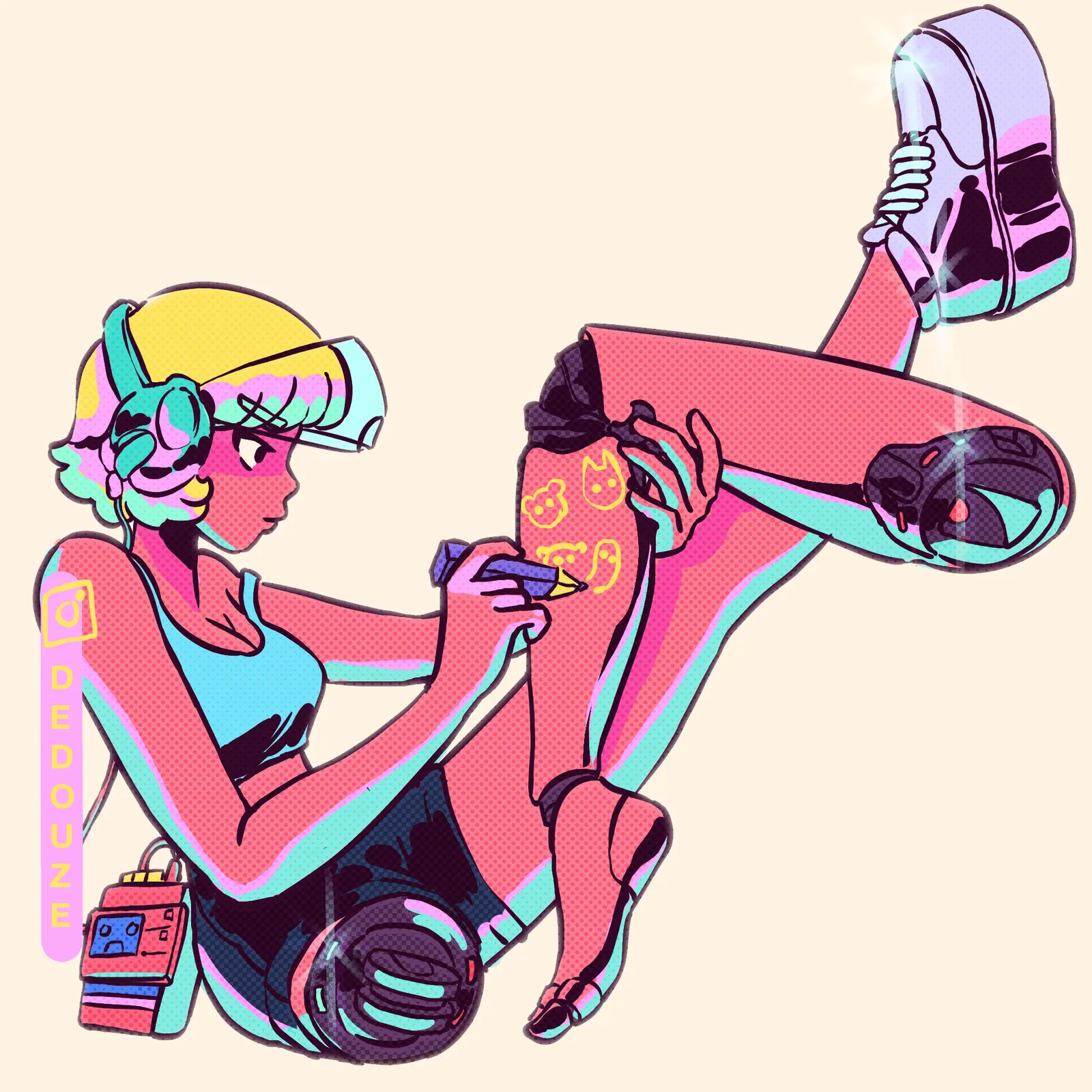
Samurai girl, ink and digital mixed (Grease Pencil) · Andry "Dedouze" Rasoahaingo · Source -
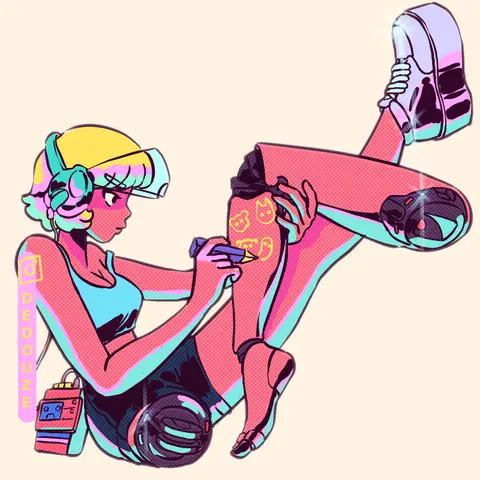
Cyborg girl, cyber punk (Grease Pencil) · Andry "Dedouze" Rasoahaingo · Source
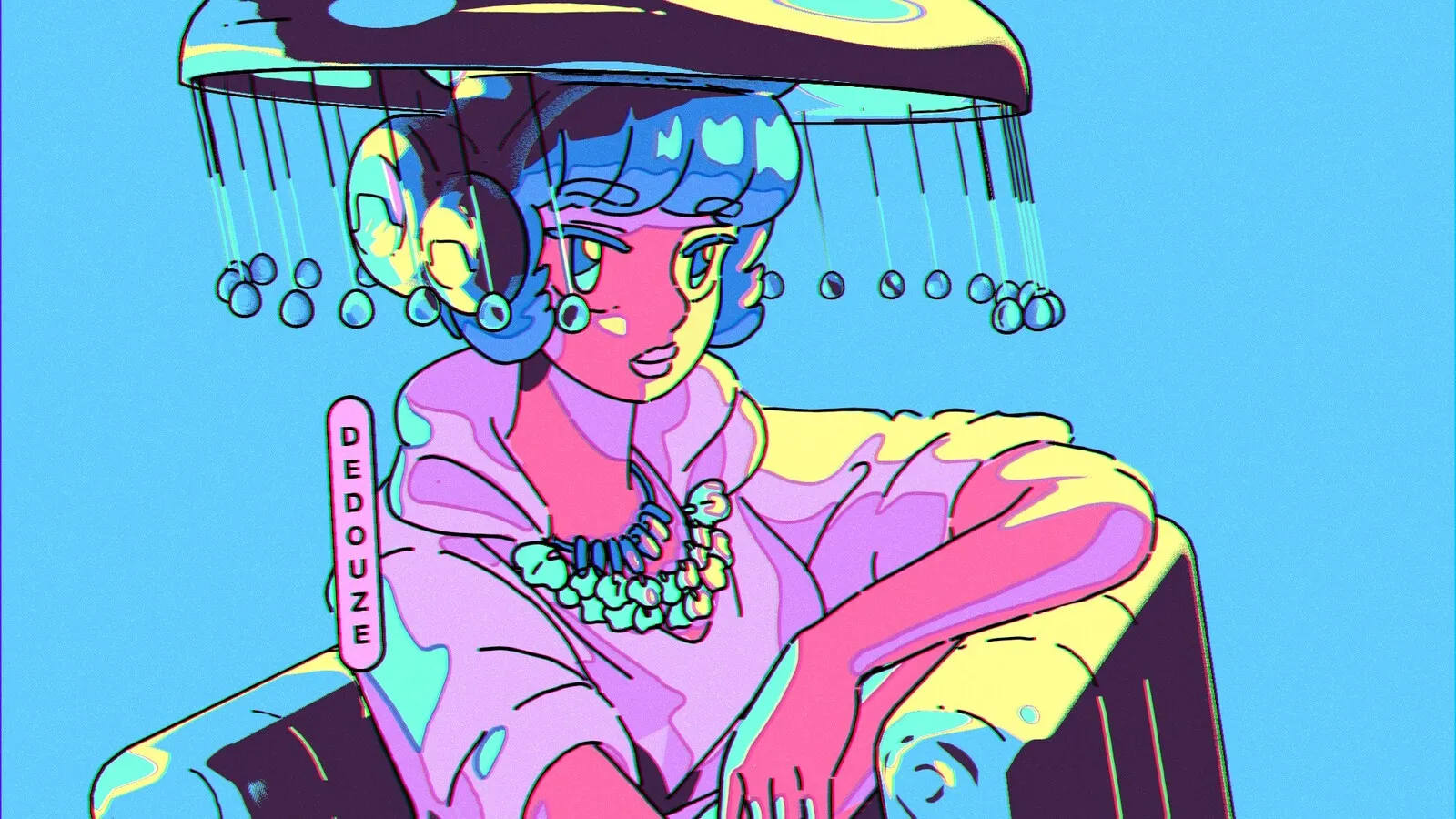
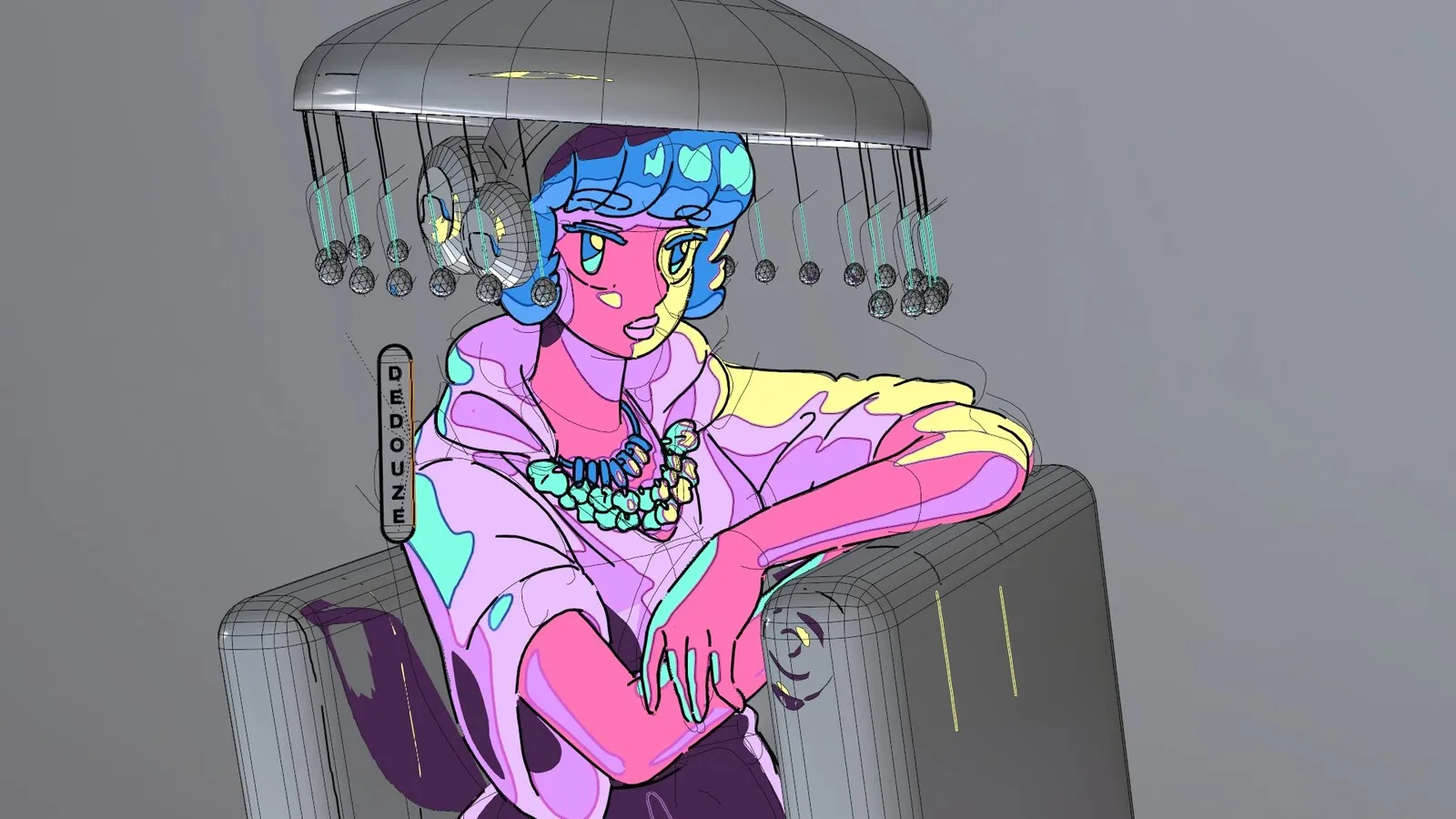
NicolasSourd (Wikimedia Commons)
Techniques
- cel / toon shading with hard light ramps
- ink / outline edge detection
- inverse-hull (backface) outlines
- vertex-normal editing for shading control
- screen-space contour lines from depth/normal buffers
- hand-painted texture projection onto 3D
- 2D strokes advected along 3D surfaces
- stepped / reduced-framerate animation 'on twos'
- painterly stroke-based rendering
- hatching & halftone shading
- custom NPR shaders
- chromatic offset / deliberately mis-registered print color
- sumi-e ink-wash brush rendering
Tools
- Blender (NPR shaders, Freestyle, Grease Pencil)
- Arnold toon shader
- Redshift toon
- Unreal Engine toon/cel shaders
- Unity toon shaders
- custom per-vertex shaders
- Maya
- in-house engines (Disney Meander)
- Houdini (procedural ink-line advection)
- Nuke (node-based NPR compositing)
- Mari & Katana (Spider-Verse texture/look pipeline)
What to take from it
Band the light, then ink the edge
The cheapest route to 'not-CG' is two moves: quantize smooth shading to a few flat tones, and add a dark contour (inverse-hull mesh or a normal/depth edge-detect pass). Almost any 3D scene reads as illustration once tone is flat and edges are drawn — start there before touching texture.
Make light an art decision, not a simulation
Hand-edit vertex normals (real-time) or paint shadow straight into the texture (film) so the shading boundary lands where you want it. The whole NPR thesis is that art-directed, legible light beats physically-correct light — put the shadow where it reads, not where physics puts it.
Break the frame rate and hand-touch the comp
Animate key motion on twos (and FX at 12fps) against smooth 24fps to borrow the snap of hand-drawn animation, then assemble the shot from separate line/color/hatch/grain passes and massage them by hand. The organic 'wrongness' — irregular line, smear frames, paint grain — is what sells it as drawn, not rendered.
Further reading
- Gooch et al., A Non-Photorealistic Lighting Model (SIGGRAPH 1998)
- Guilty Gear Xrd: The X Factor Between 2D and 3D — Motomura, GDC 2015 (PDF)
- Across the Spider-Verse with Nuke, Mari & Katana (Foundry)
- Non-photorealistic rendering — overview (Wikipedia)
- Spider-Man: Into the Spider-Verse — Sony Pictures Imageworks craft page