Atlas
Atlas indexMotion-Graphics Title Lineage (the CG/graphic side)
Type, data and schematic graphics animated into the opening frame.
- kinetic-typography
- motion-graphics
- title-design
- data-visualization
- 2d-animation
- 3d-animation
- vector-graphics
- infographic
What it is
The graphic-design wing of title craft: title sequences built from kinetic typography, vector and 3D animated graphics, and schematic data-visualization rather than photographed action. The frame is treated as an interface or a diagram — words move with weight and rhythm, numbers and maps assemble on cue, and meaning is carried by designed motion. A studio discipline running from R/GA-era kinetic type through Kansas City graphic experimentalists to the prestige-TV infographic-title era.
How it is made
Type as the moving subject
Words are the imagery: letterforms are tracked, scaled, kerned in motion and choreographed to a beat so typography itself becomes the performance — no live-action plate required. The earliest of this lineage built whole sequences from text under camera; the modern form does it as animated vector and 3D type.
The frame as interface / diagram
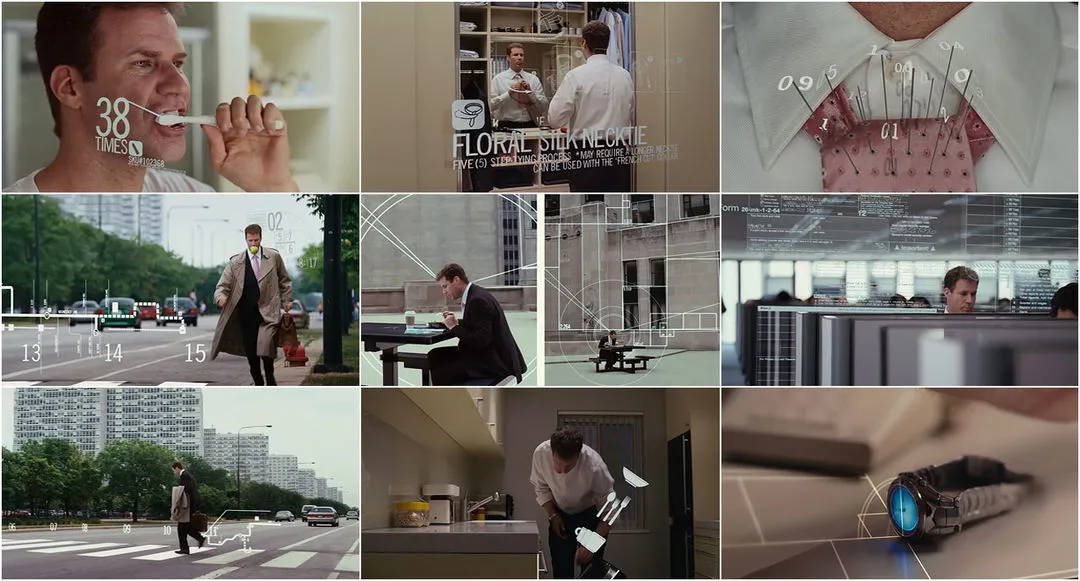
Graphics are composited as if floating in space around the subject: animated numbers, GUI panels, schematic readouts and counters tracked to motion, treating the screen as a quantified heads-up display. MK12's Stranger Than Fiction (2006) built a movie-wide animated 'GUI' system of numbers and diagrams to externalize a character's mind.
Motion infographic & schematic build
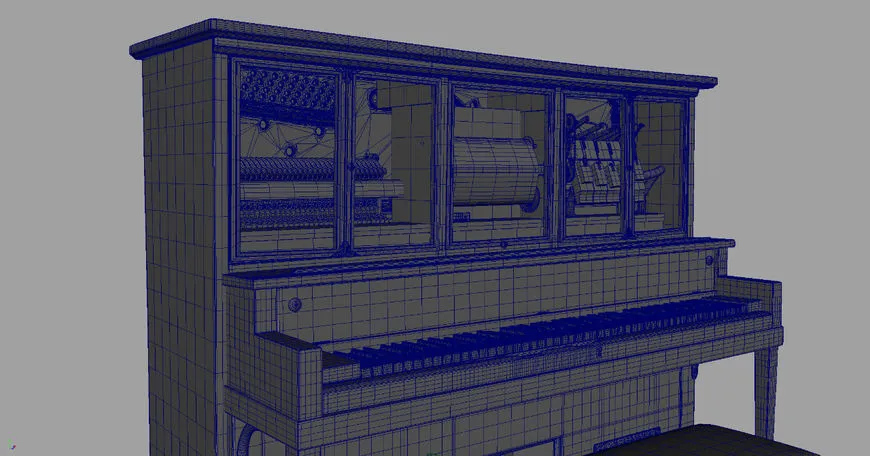
Information is animated into being: 2D and 3D text, vector 3D geometry, 90-degree camera turns and fast zooms assemble maps, networks and exploded schematics. Patrick Clair's Stuxnet: Anatomy of a Virus (2011) is the canonical motion-infographic that MoMA later exhibited, and the same schematic vocabulary drives 3D-modeled title work like the player-piano mechanism of Westworld (2016).
Where it comes from
R/GA roots and the kinetic-type studio
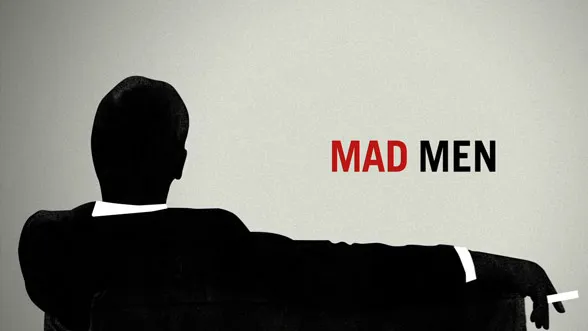
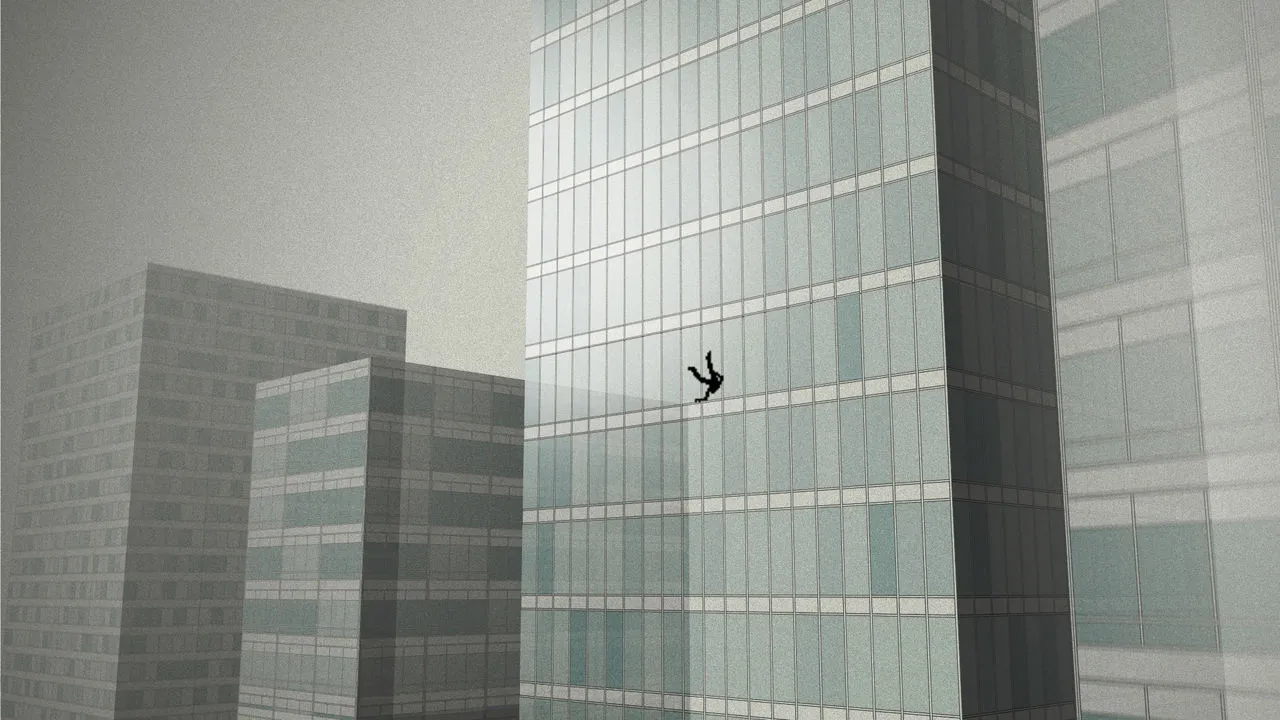
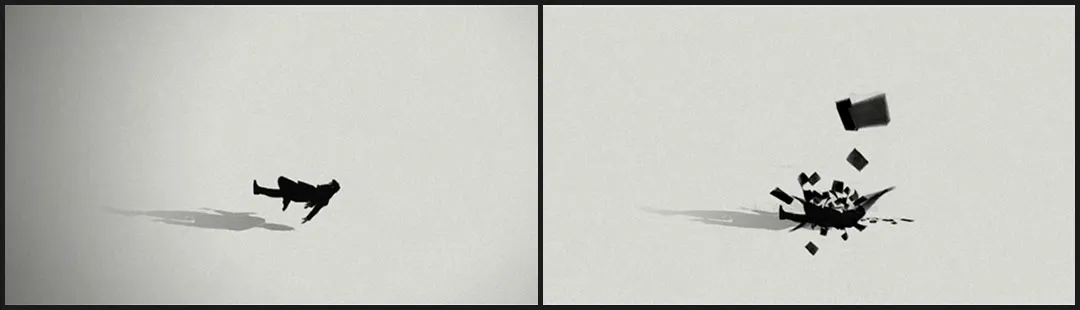
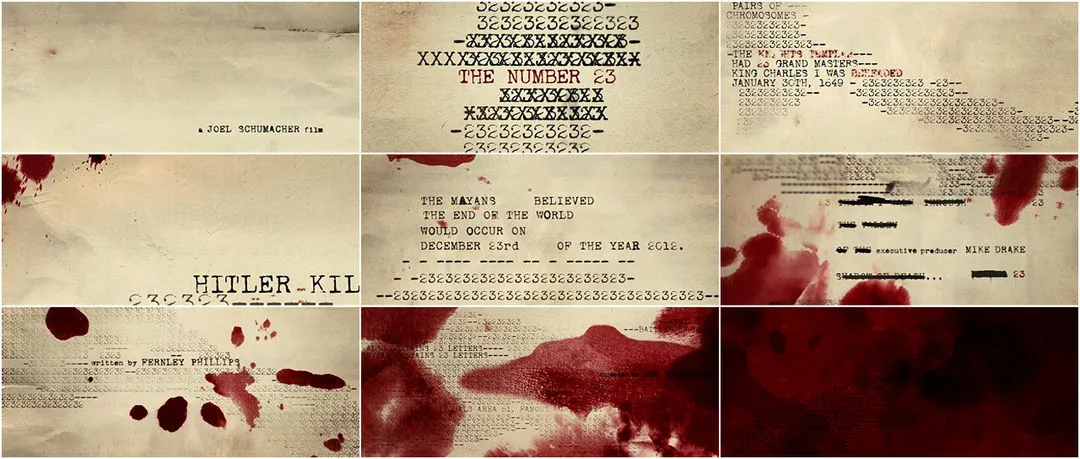
The discipline grew out of R/Greenberg Associates' New York and West Coast design work; in 1996 the West Coast division was renamed Imaginary Forces (Peter Frankfurt, Chip Houghton, Kyle Cooper), establishing a dedicated studio whose graphic-title craft — animated logo builds, kinetic type, the Mad Men (2007) falling-silhouette-over-vector-cityscape — defined the modern title studio.
Kansas City graphic experimentalism
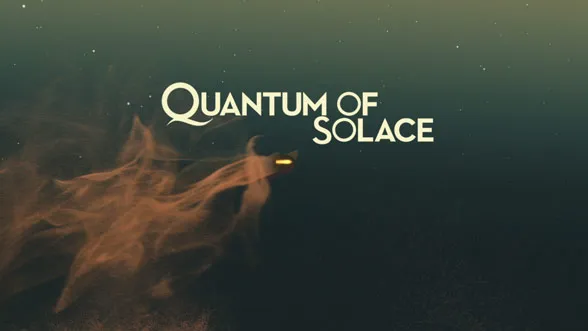
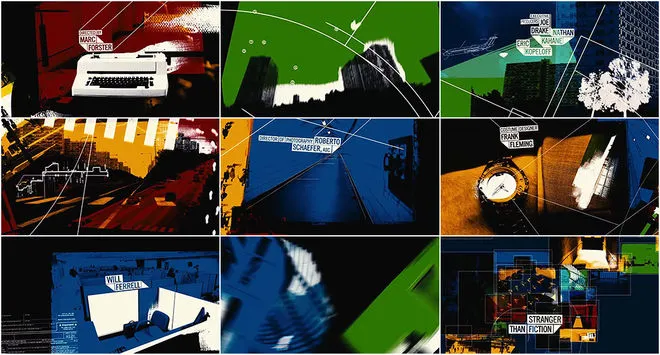
MK12, founded 2000 by Kansas City Art Institute alumni (Ben Radatz, Tim Fisher and collaborators), pushed motion graphics from outside the LA/NY hubs, fusing graphic design, animated infographics and typography in feature titles like Stranger Than Fiction (2006) and the data-graphics of Quantum of Solace (2008).
The prestige-TV infographic-title era
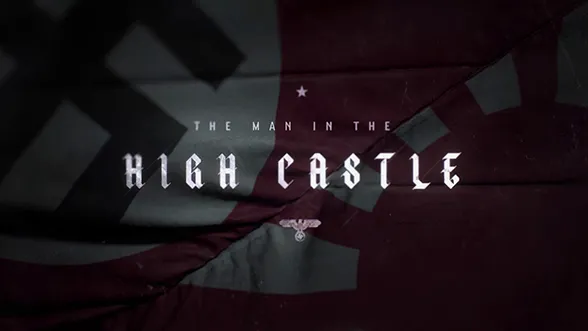
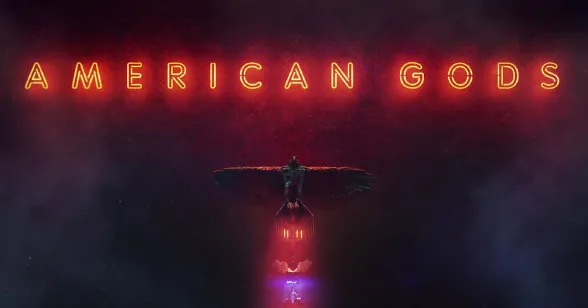
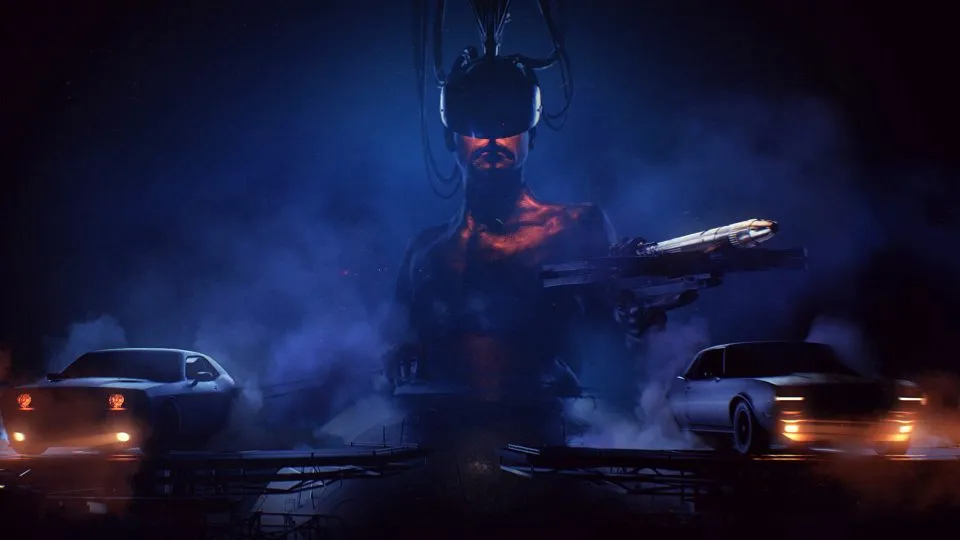
Angus Wall's Elastic, in Santa Monica, became the home where Patrick Clair and Raoul Marks made their run of titles: HBO's True Detective (2014) broke them through, followed by Halt and Catch Fire (2014), The Man in the High Castle (2015), Westworld (2016), The Crown (2016) and American Gods (2017). Clair had founded Antibody in Sydney in 2012 (Marks joined in 2013); in 2017 the pair left Elastic and rebuilt Antibody, carrying the animated-graphic title form into 3 Body Problem (2024).
Artists
-
Vertigo (1958); North by Northwest (1959); Psycho (1960); The Man with the Golden Arm (1955)
Graphic designer who built whole title sequences from animated cut-paper shapes and kinetic type under the camera, no live action.
-
Dr. Strangelove (1964); The Thomas Crown Affair (1968) split-screen; Bullitt (1968)
Self-taught animator who set hand-drawn skinny lettering in fast quick-cut motion and pioneered split-screen montage in title design.
-
Boardwalk Empire (2010); Black Sails (2014); Counterpart (2017)
Imaginary Forces director and founding partner who builds narrative title sequences from animated type, objects and composited graphics.
-
Hulk (2003); Life of Pi (2012); 300 (2007); Watchmen (2009)
Hollywood studio founded 1998 that designs motion-graphic film titles fusing animated type, 2D/3D graphics and visual effects.
-
Game of Thrones (2011); Carnivale (2003); Deadwood (2004); The Leftovers (2014)
Editor and Elastic co-founder who built the 3D-model-in-a-sphere Game of Thrones map sequence as an animated graphic legend.
-
Six Feet Under (2001); Kiss Kiss Bang Bang (2005); Sherlock Holmes (2009); Iron Man (2008)
Title designer who composites kinetic type, drawn graphics and 3D builds into film and television opening sequences.
-
Six Feet Under (2001); Dexter (2006); True Blood (2008); Narcos (2015)
Studio behind a run of prestige-TV title sequences fusing macro live-action footage with designed graphic and typographic motion.
-
The Walking Dead (2010); Sherlock Holmes (2009); Rango (2011)
Title designer who animates distressed type and weathered graphic textures into the opening frame, as in The Walking Dead.
-
Mad Men (2007); The Number 23 (2007); Foundation (2021); CBS Sports rebrand; broadcast/logo idents
LA studio out of R/GA that codified the kinetic-type and animated-graphic title sequence — falling silhouette over a vector cityscape, type as the moving subject.
-
Stranger Than Fiction (2006) GUI-overlay graphics; The Kite Runner (2007); Quantum of Solace (2008) data-graphics
Kansas City studio fusing graphic design, animated infographics and typography into feature titles — the movie-wide animated GUI of numbers and diagrams.
-
Stuxnet: Anatomy of a Virus (2011); True Detective (2014); The Man in the High Castle (2015); Westworld (2016); The Crown (2016)
Emmy-winning director who brought the motion-infographic / schematic-build into prestige TV titles — maps, mechanisms and diagrams assembling on cue.
-
True Detective (2014); Westworld (2016, lead animator/compositor); The Night Manager (2016); Halt and Catch Fire (2014)
3D motion designer and compositor behind Antibody/Elastic's CG-graphic title craft — vector objects morphing into typographic form.
-
Westworld (2016); American Gods (2017); 3 Body Problem (2024)
Sydney studio of Clair and Marks specializing in design-led, animated-graphic title sequences — particle-built worlds at atomic-to-galactic scale.
-
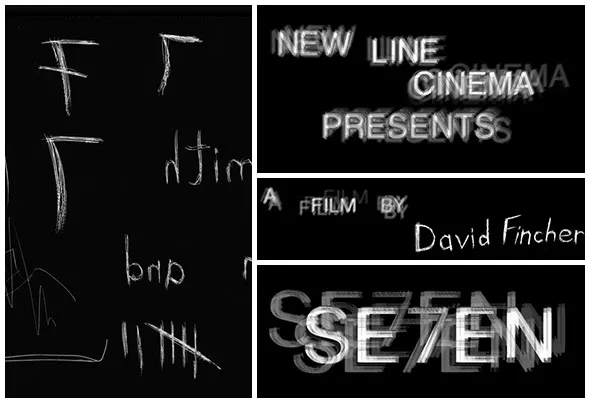
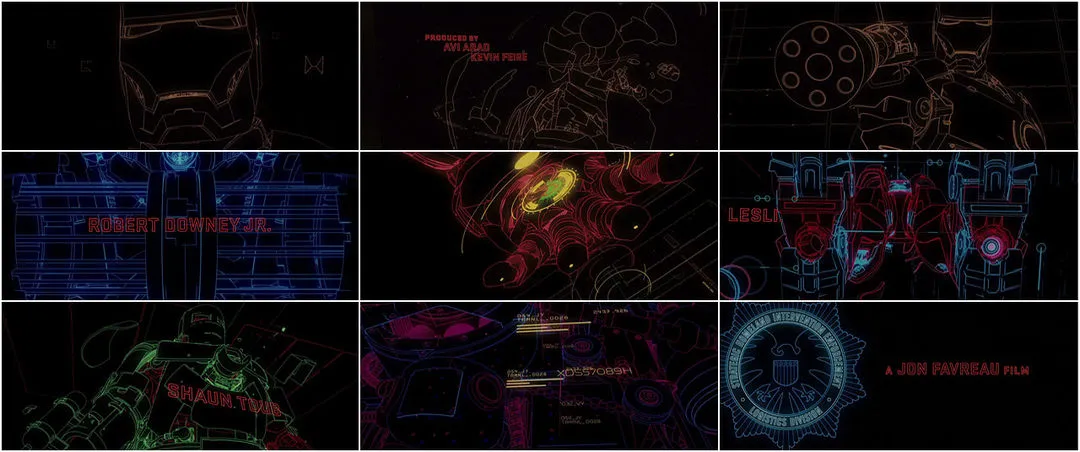
Se7en (1995) hand-drawn kinetic type; Mission: Impossible (1996); Iron Man (2008) end-title HUD build
The figure who restarted modern title design — scratched, hand-drawn typography in motion, later fully animated HUD-style end-title graphics at Prologue Films.
Frames
Imaginary Forces
MK12
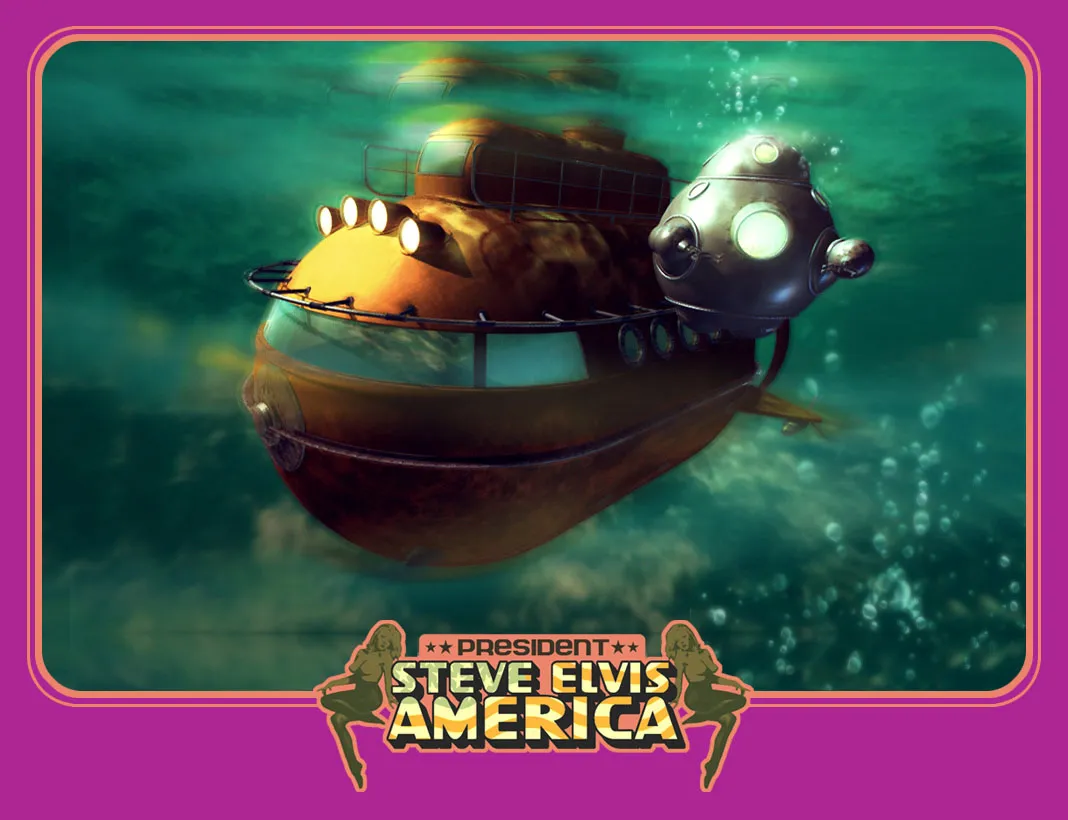
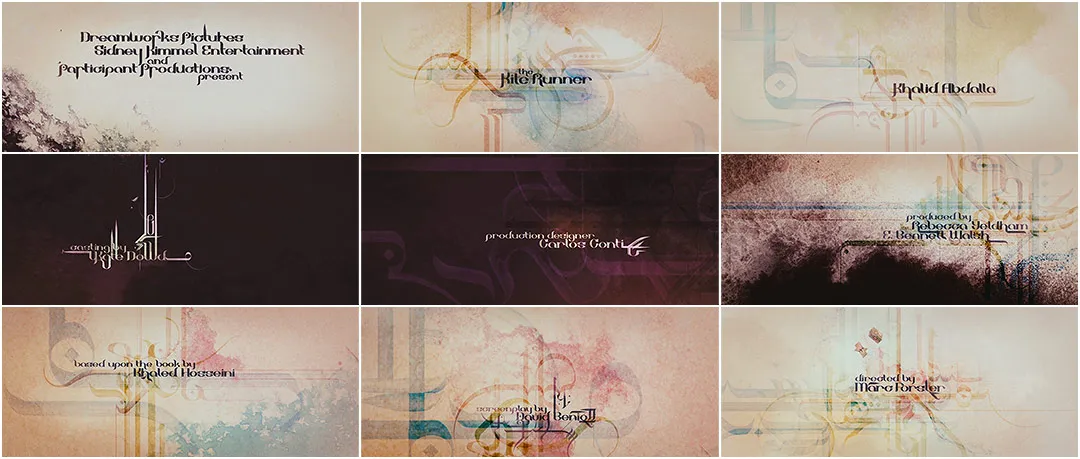
Patrick Clair
-
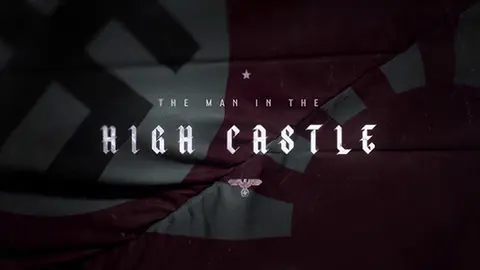
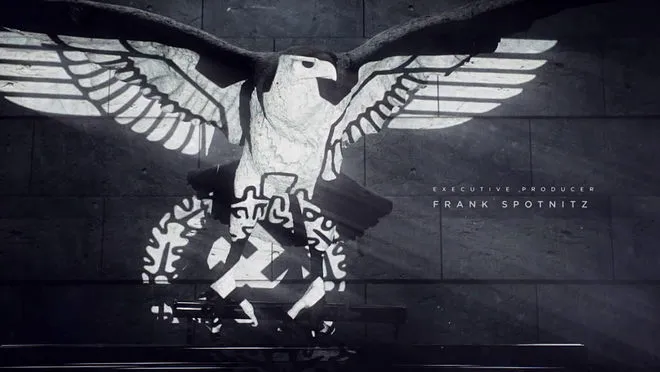
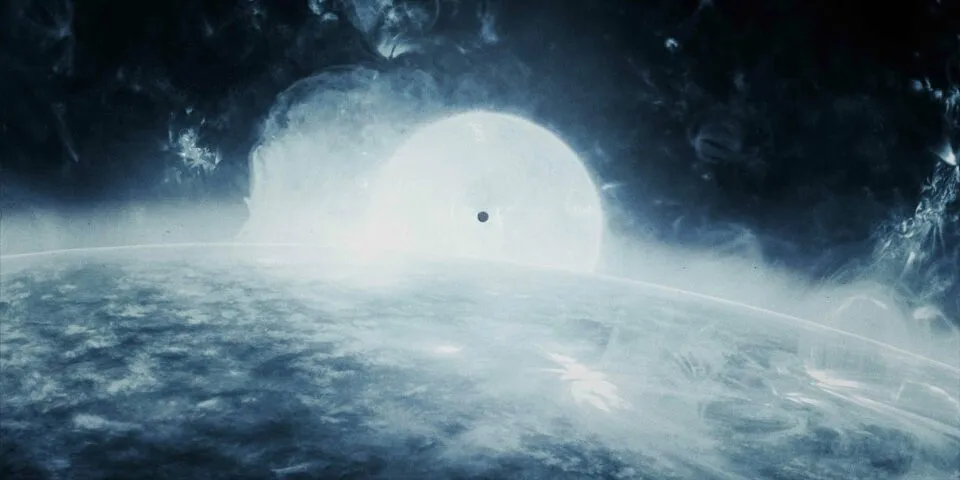
The Man in the High Castle (2015) · Patrick Clair · Source -
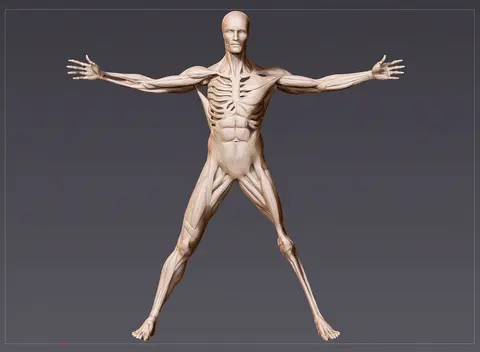
Westworld (2016) · Patrick Clair · Source -
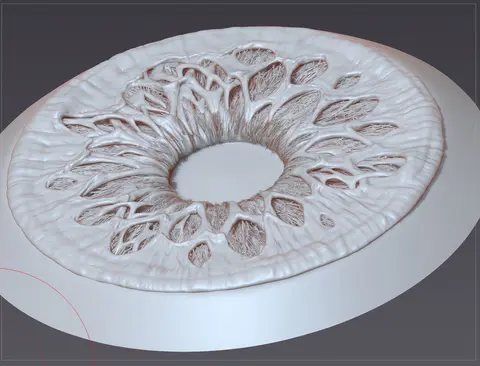
Westworld (2016) · Patrick Clair · Source -
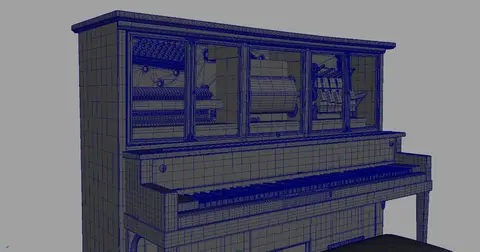
Westworld (2016) · Patrick Clair · Source -
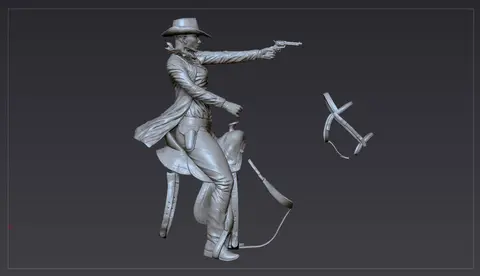
Westworld (2016) · Patrick Clair · Source -
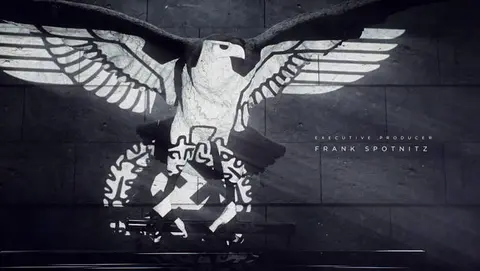
The Man in the High Castle (2015) · Patrick Clair · Source -

The Man in the High Castle (2015) · Patrick Clair · Source -
The Man in the High Castle (2015) · Patrick Clair · Source -
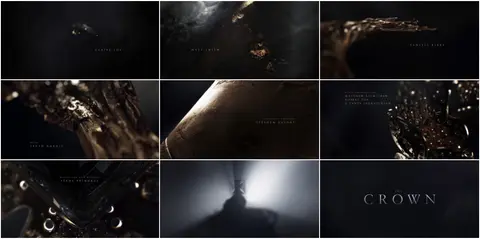
The Crown (2016) · Patrick Clair · Source

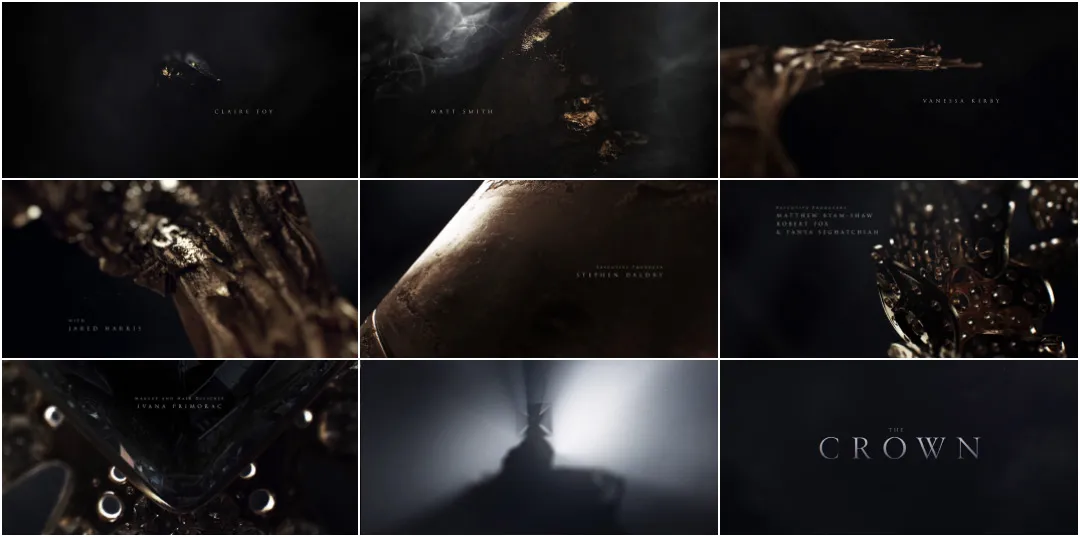
Raoul Marks
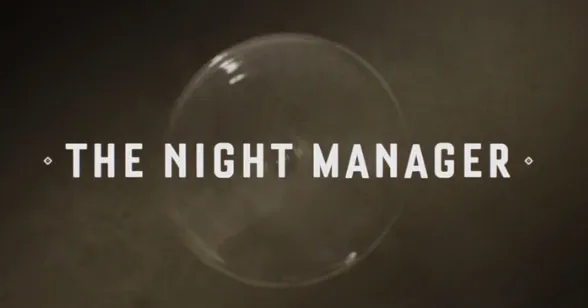
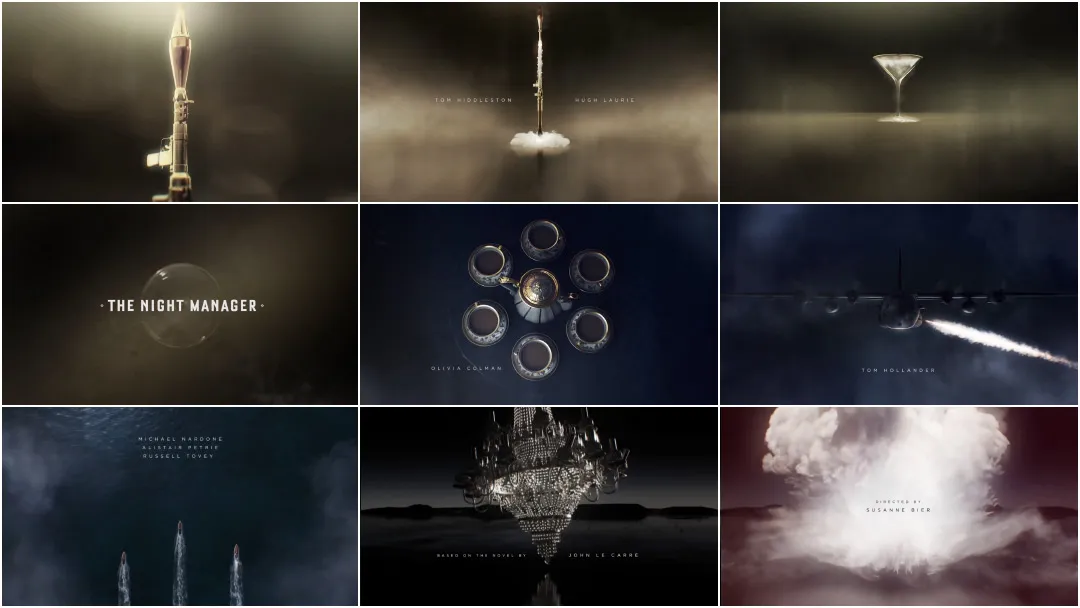
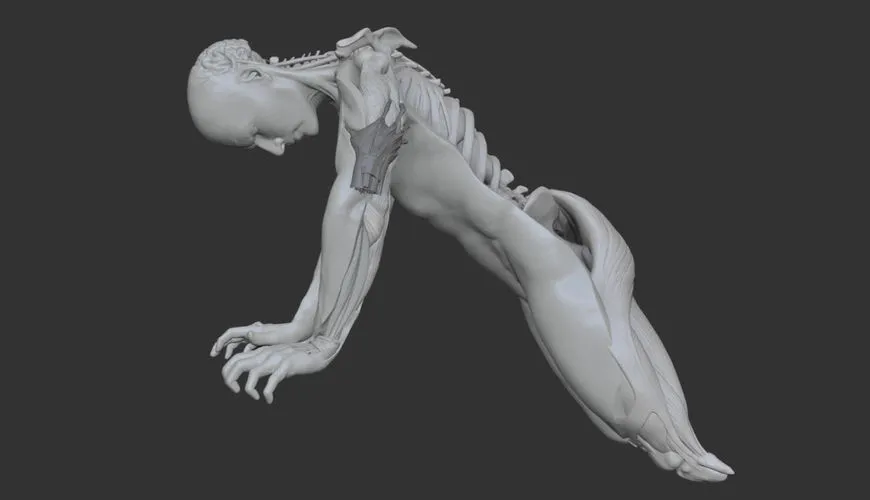
Antibody
-
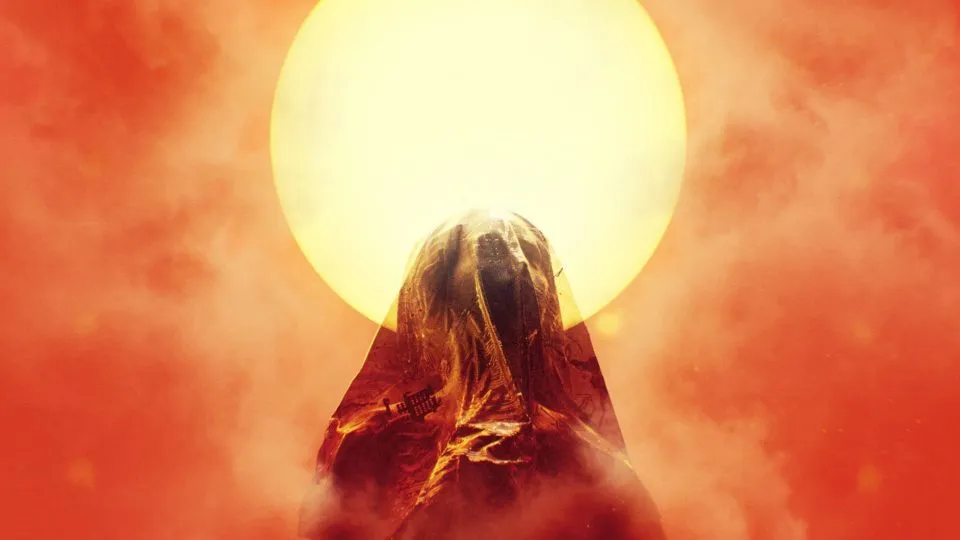
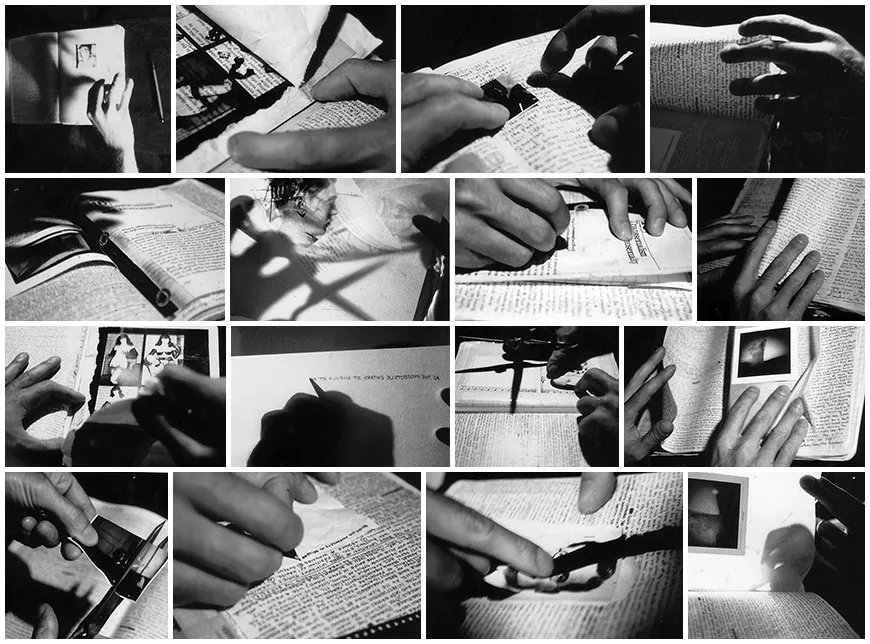
Westworld (2016) · Antibody · Source -
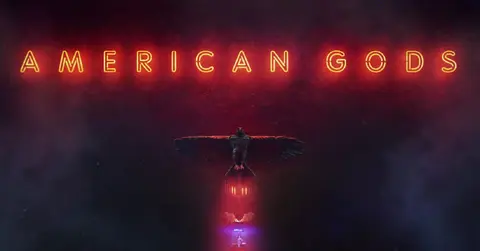
American Gods (2017) · Antibody · Source -
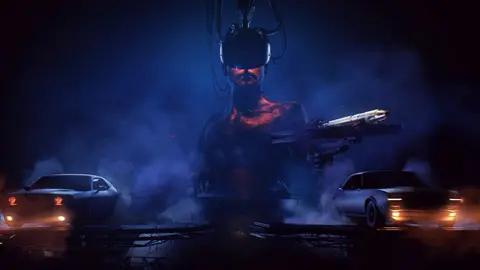
American Gods (2017) · Antibody · Source -
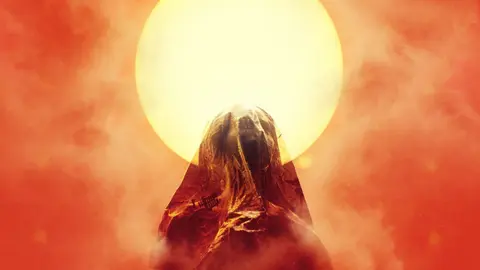
American Gods (2017) · Antibody · Source -
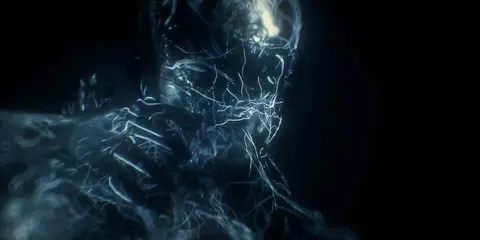
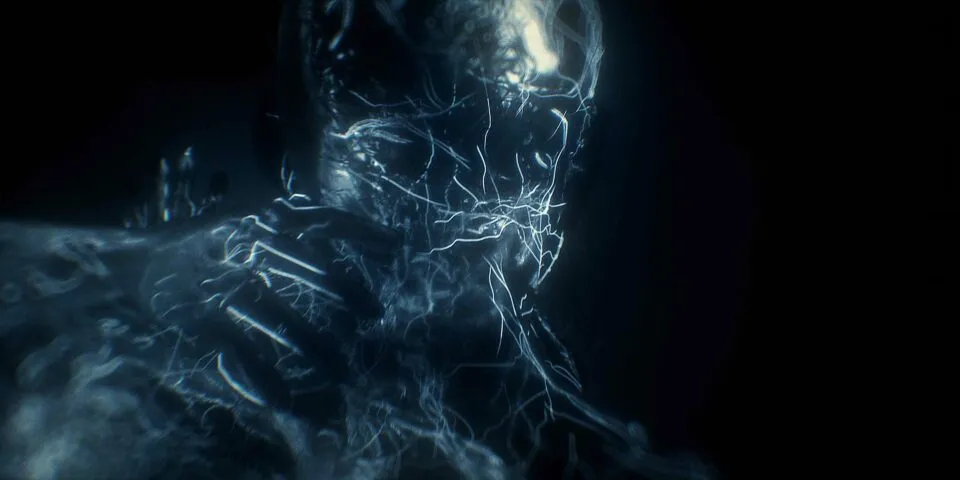
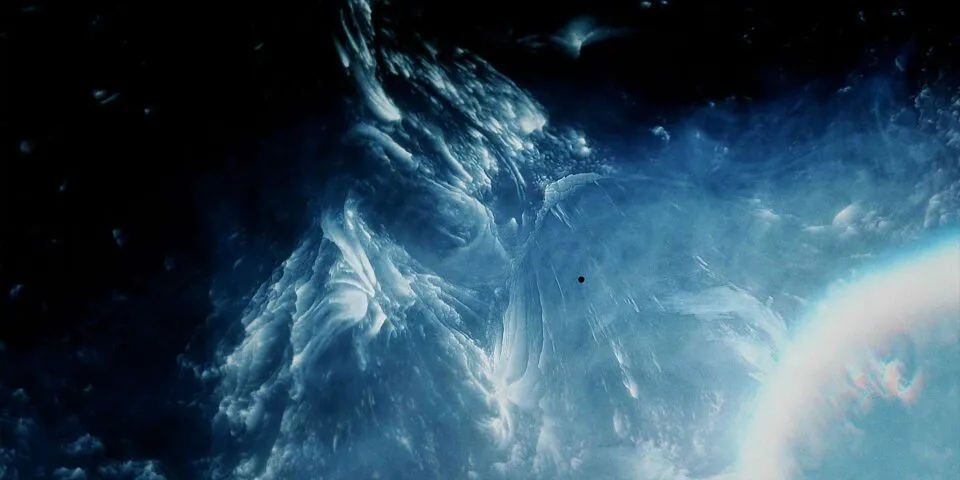
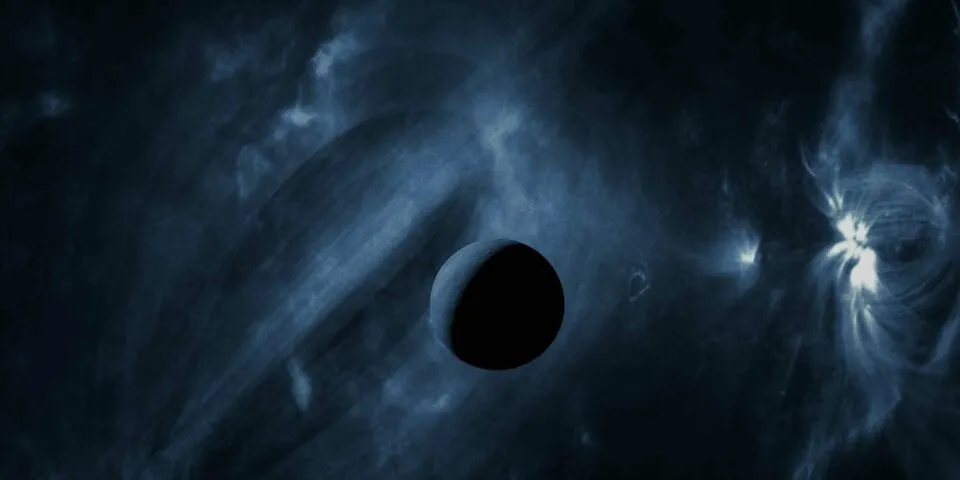
3 Body Problem (2024) · Antibody · Source -
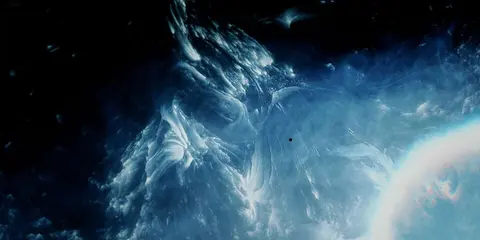
3 Body Problem (2024) · Antibody · Source -
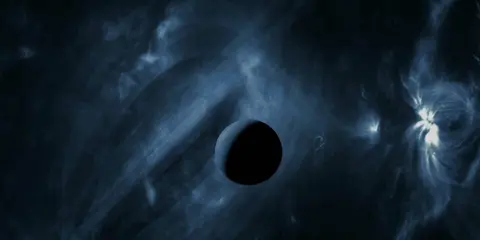
3 Body Problem (2024) · Antibody · Source -
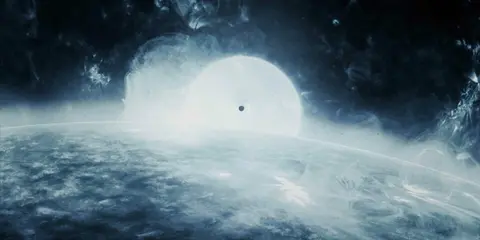
3 Body Problem (2024) · Antibody · Source
Techniques
- kinetic typography
- keyframed 2D/3D animation
- match-cut & transition design
- compositing live-action with graphics
- expression-driven motion
- cel & photographic collage
- type-on-path
- camera moves through type
- design-frame-to-motion workflow
- motion infographic / schematic build
- optical printing (historical)
Tools
- After Effects
- Cinema 4D
- Cinema 4D + MoGraph
- Houdini
- Nuke
- Illustrator
- Photoshop
- optical printer (historical)
What to take from it
Quantify the world
Lay an animated graphic system — counters, readouts, diagrams tracked to motion — over a scene to externalize a hidden process or mindset. The discipline is consistency: design one GUI grammar and apply it movie-wide rather than improvising each shot.
Build information, don't just show it
Let maps, networks and schematics assemble on screen with vector 3D geometry, 90-degree turns and fast zooms. The pleasure is watching meaning construct itself in motion — animate the act of explaining, not a static infographic.
Make type the performance
Choreograph letterforms to rhythm — weight, scale and kerning in motion — so a sequence can carry mood and information with typography alone, no footage needed. Pair a restrained palette and one strong typeface with relentless, never-resting movement.