Atlas
Atlas indexReal-Time Game-Engine Cinema & Virtual Production
The final shot rendered live, in-engine.
- game-engine
- virtual-production
- machinima
- unreal-engine
- led-volume
- in-camera-vfx
- real-time
- metahuman
What it is
A narrative school of digital image-making where the finished cinematic frame is authored and rendered live inside a real-time game engine rather than baked in an offline renderer. It runs from 1990s machinima — films puppeteered inside multiplayer shooters — to in-engine Sequencer shorts and LED-volume virtual production, where actors perform in front of a curved video wall displaying engine-rendered worlds captured in-camera. The craft trades render-farm waiting for instant iteration: change a light, a camera move or a building and see the result at frame rate. Distinct from the audioreactive installation real-time school, the imagery here is story-driven and photoreal-or-stylized, not abstract.
How it is made
Stage the film inside a live engine
Sets, characters and lighting are assembled in a game engine — Unreal, Unity, the Source or Quake engines — and a virtual camera is moved through the scene in real time. In Unreal, the Sequencer multitrack editor holds per-shot cameras, animation, lighting and set dressing; MetaHuman supplies riggable digital actors. The viewport image at frame rate is the cinematography, not a placeholder for it.
Light and geometry without baking
Unreal Engine 5's Lumen computes global illumination and reflections live, so relighting a shot needs no light-map bake, and Nanite streams film-density geometry without hand-built LODs. Photogrammetry libraries (Quixel Megascans) drop real-world-scanned rock, foliage and surfaces straight into the world. Iteration is the medium: the director changes the frame and judges the result immediately.
Shoot it in-camera on an LED volume
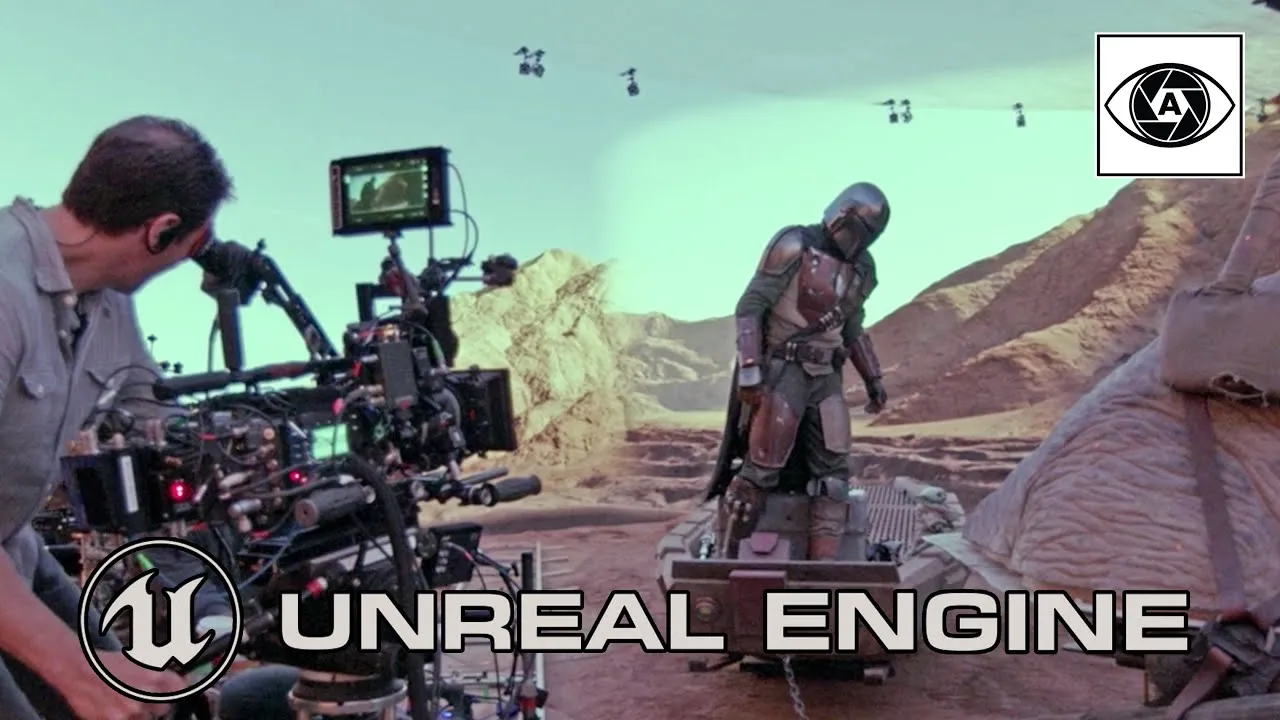
For live-action virtual production, the engine drives a large curved LED wall (ICVFX). The camera's position is tracked and fed back to the engine, which renders the wall's environment in correct perspective for that exact lens — so parallax, reflections and interactive light land in-camera on set, and the visual-effects work is largely finished when the camera stops.
Where it comes from
Quake-era machinima (1996–2000)
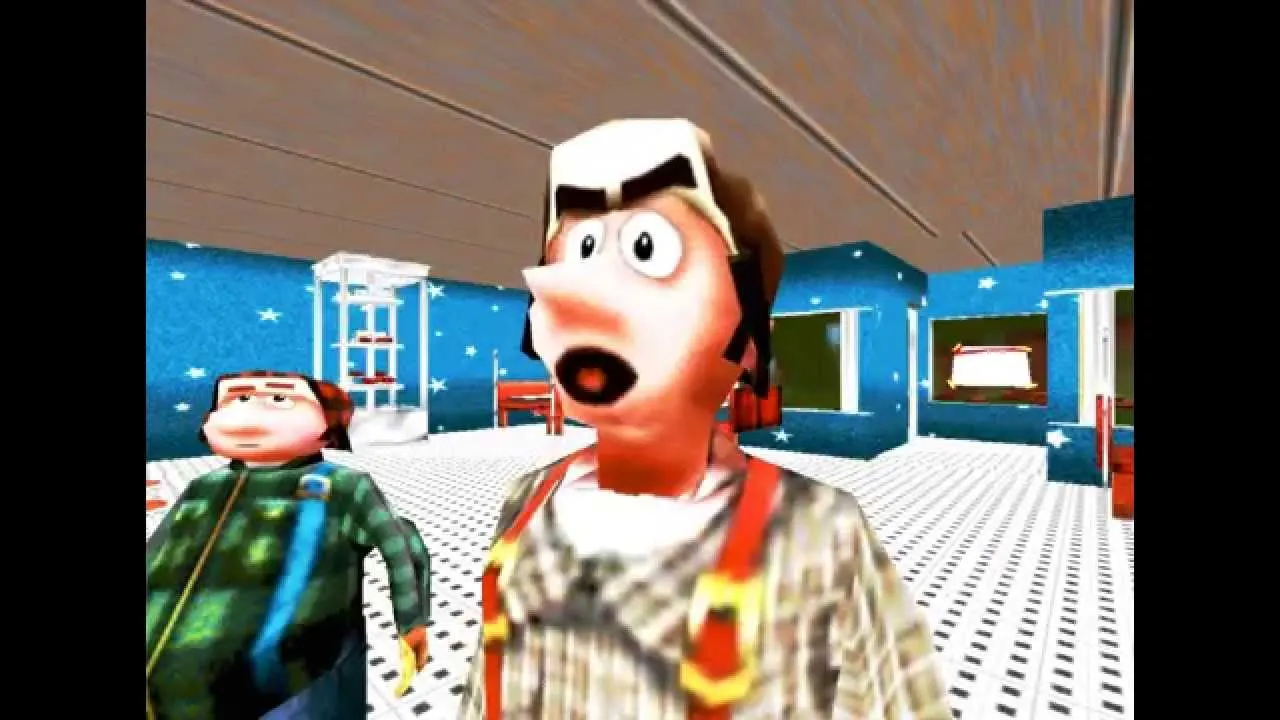
Filmmaking with a game engine began as 'Quake movie making' in 1996; the clan The Rangers' Diary of a Camper (1996) is the first narrative example, made by repositioning the camera in recorded demo files. New York's ILL Clan puppeteered Quake characters live, winning awards for Hardly Workin' (2000); the term 'machinima' was coined around 1998 and machinima.com launched in 2000.
New engines, mainstream reach (2001–2012)
Rooster Teeth's Red vs. Blue (2003), shot inside Halo: Combat Evolved, broke machinima out of the underground; The Sims 2 (2004) added in-game capture and films multiplied. Valve released Source Filmmaker publicly in 2012, packaging the WYSIWYG tools behind its Team Fortress 2 'Meet the Team' shorts so anyone could direct inside the Source engine.
Engines become a production camera (2016–2021)
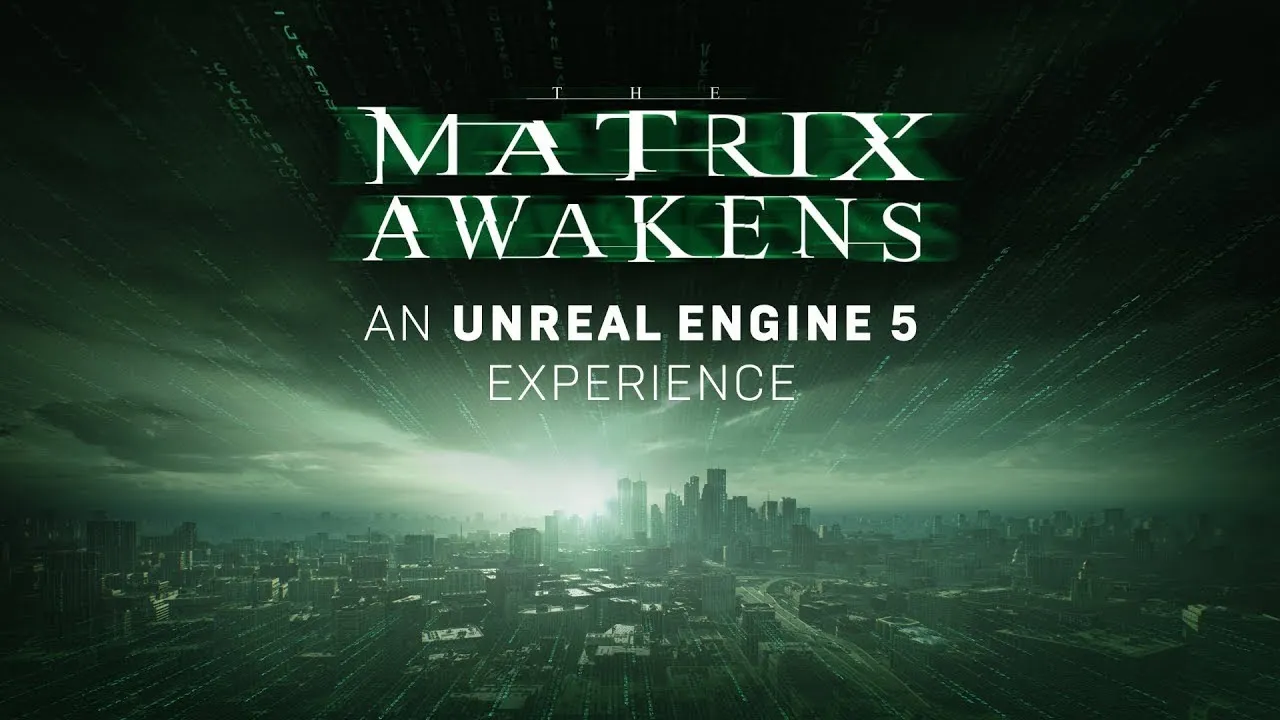
Rogue One (2016) seeded the LED-wall idea; The Lion King (2019) refined real-time visualization; ILM's StageCraft volume, driven by Unreal Engine, shot over half of The Mandalorian season one (2019) in-camera. Epic's The Matrix Awakens (2021) demonstrated Unreal Engine 5 — Nanite, Lumen, a 16-square-kilometre simulated city, MetaHuman crowds — as a cinema-grade real-time pipeline.
Artists
-
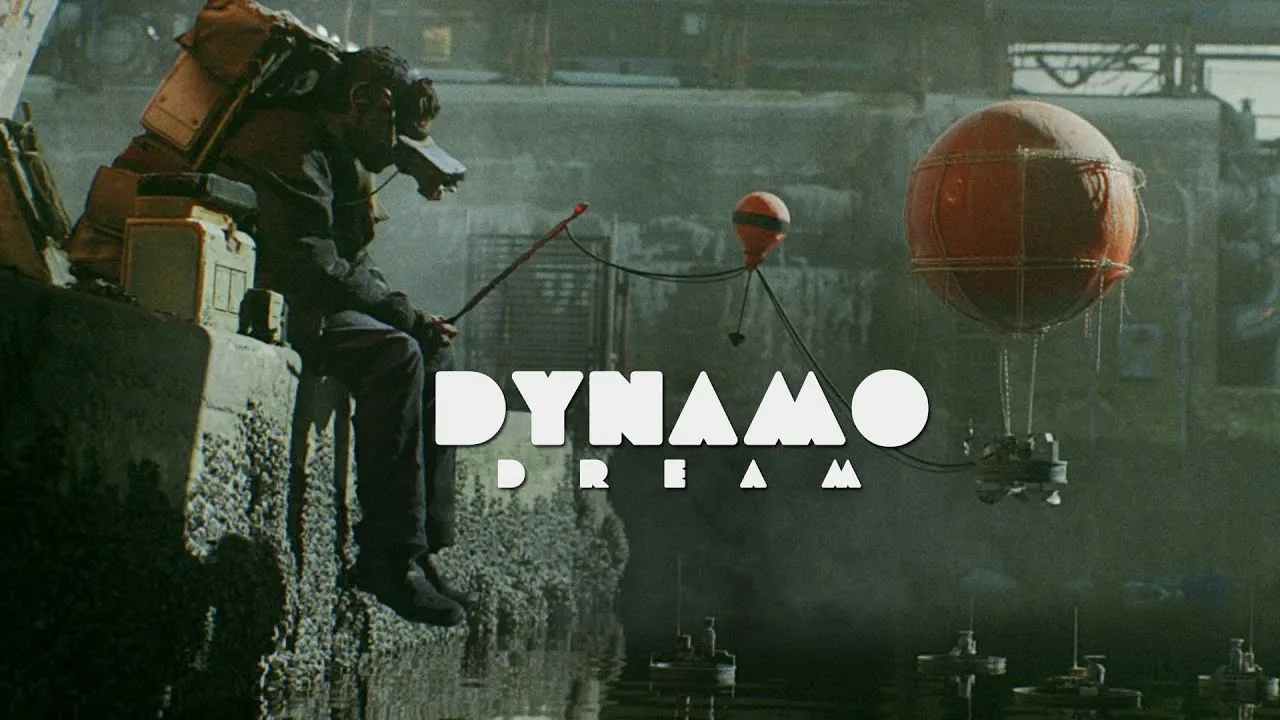
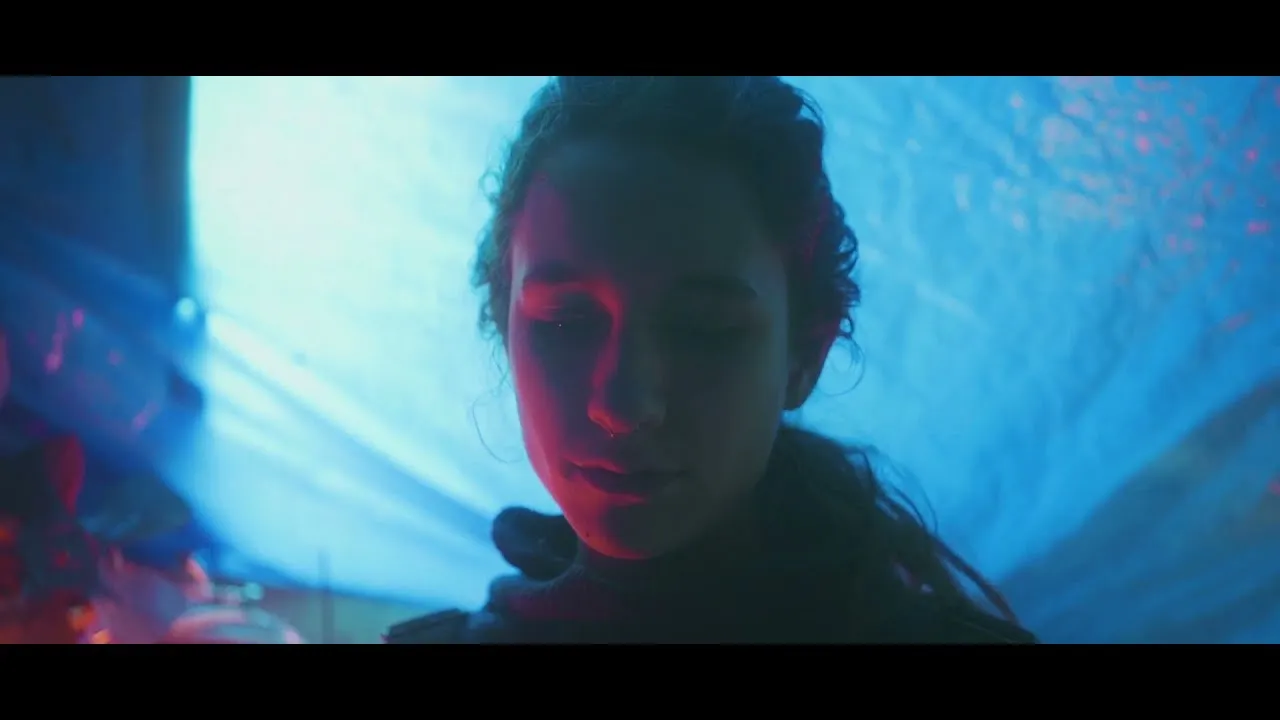
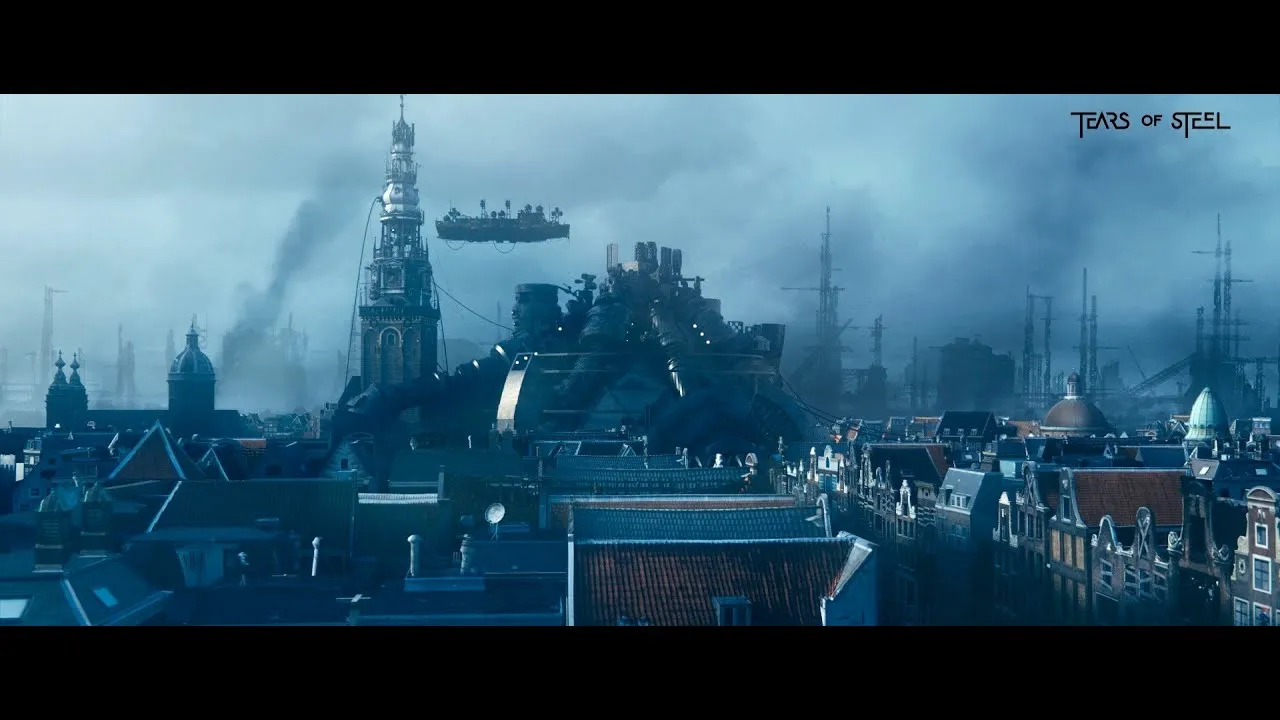
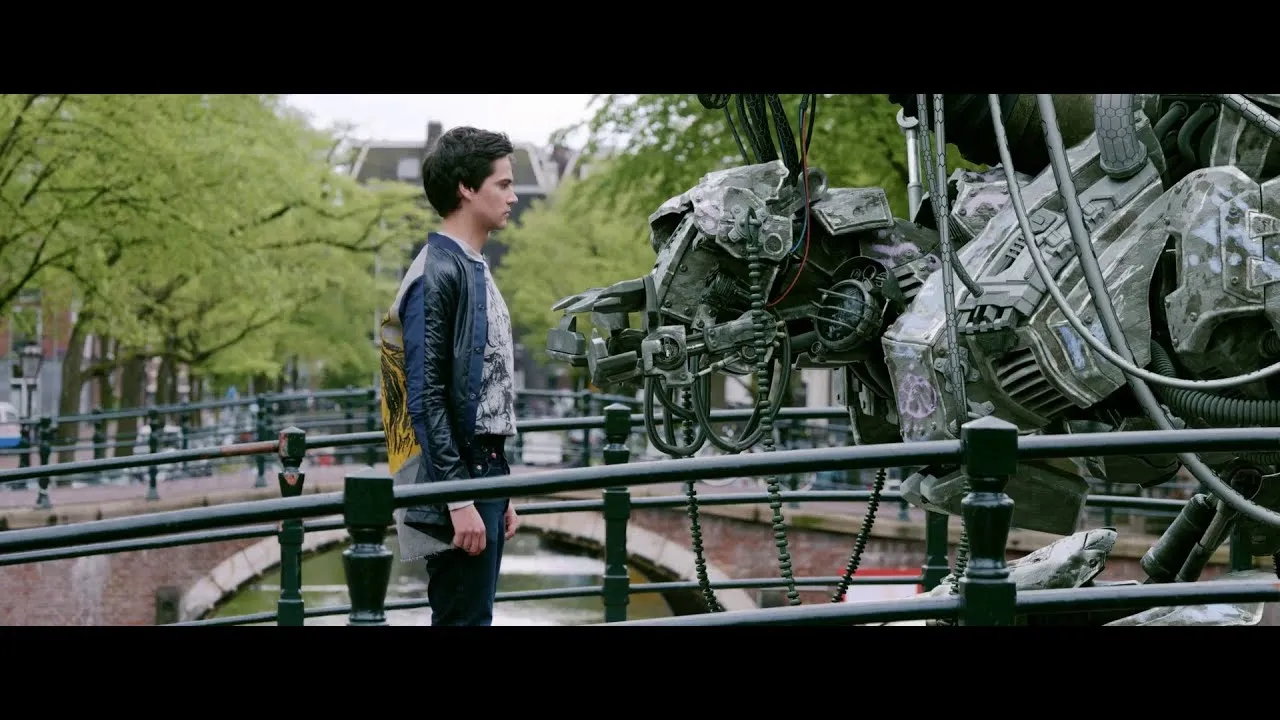
Dynamo Dream (sci-fi web series, all VFX solo); 'Lazy Tutorials' (Blender); Tears of Steel (2012, director); VFX supervisor, Prospect (2018)
Independent Blender filmmaker whose one-person sci-fi series uses fast camera-projection and set-extension tricks to build whole worlds cheaply.
-
Industrial Light & Magic (StageCraft)
The Mandalorian StageCraft LED volume (60+ real-time environments, 2019); later StageCraft/Helios proprietary pipeline
VFX studio that built the curved LED 'Volume' and the in-camera, engine-driven workflow that reset how series are shot.
-
The Eye: Calanthek (UE5 short, six weeks, 2021); NEXUS (original UE5 series); Transformers: Reactivate trailer (UE5, no compositing)
Creature-design studio that moved its full pipeline into Unreal, animating and lighting hero creatures in-engine for finished films.
-
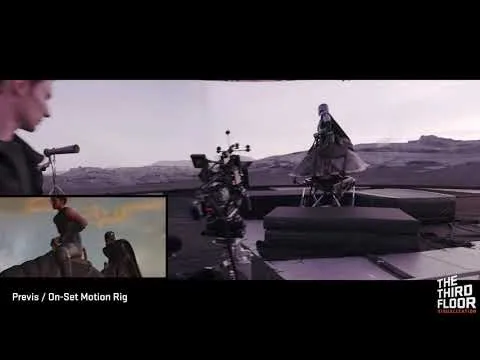
Previs, techvis and on-set virtualization for The Mandalorian, Game of Thrones, Dune (2021); Unreal tools Cyclops and Chimera; Predator: Killer of Killers (animated feature)
Visualization studio that adopted Unreal across previs and on-set work, building custom engine tools to stage shots before and during the shoot.
-
Unreal Engine (Sequencer, MetaHuman, nDisplay, Lumen, Nanite); The Matrix Awakens UE5 experience (2021); City Sample release
Maker of Unreal Engine and its real-time film toolset; built The Matrix Awakens to prove engine-rendered, cinema-grade imagery.
-
Red vs. Blue (2003–2024, shot in Halo); The Strangerhood (made in The Sims)
Studio whose long-running Halo-engine comedy took machinima mainstream, faking crane shots by standing the camera-player on a tank turret.
-
Apartment Huntin' (Quake lumberjacks); Hardly Workin' (2000, festival awards); live on-stage performances with Larry & Lenny Lumberjack
Early New York machinima troupe who puppeteered Quake characters live before an audience as improvised, in-engine theatre.
-
'Meet the Team' Team Fortress 2 shorts; Source Filmmaker tool (public 2012); Saxxy Awards community films
Maker of Source Filmmaker, the free WYSIWYG tool that let a generation direct films inside the Source game engine.
Frames
Ian Hubert
Industrial Light & Magic (StageCraft)
-
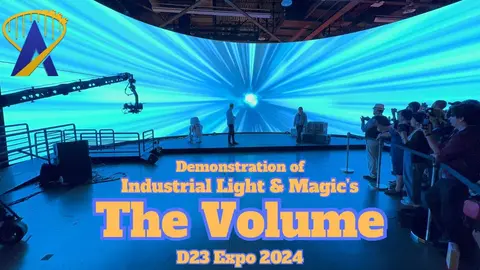
ILM StageCraft — The Volume at D23 · Industrial Light & Magic (StageCraft) · Source

Aaron Sims Creative
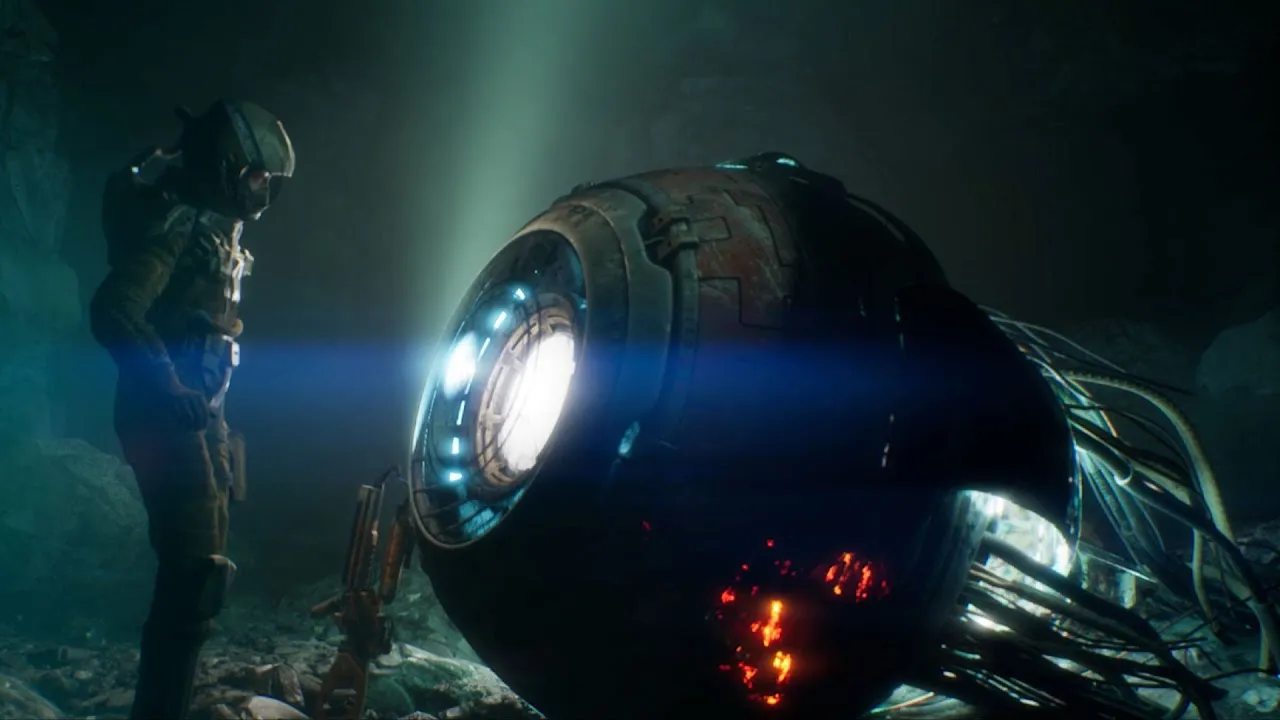
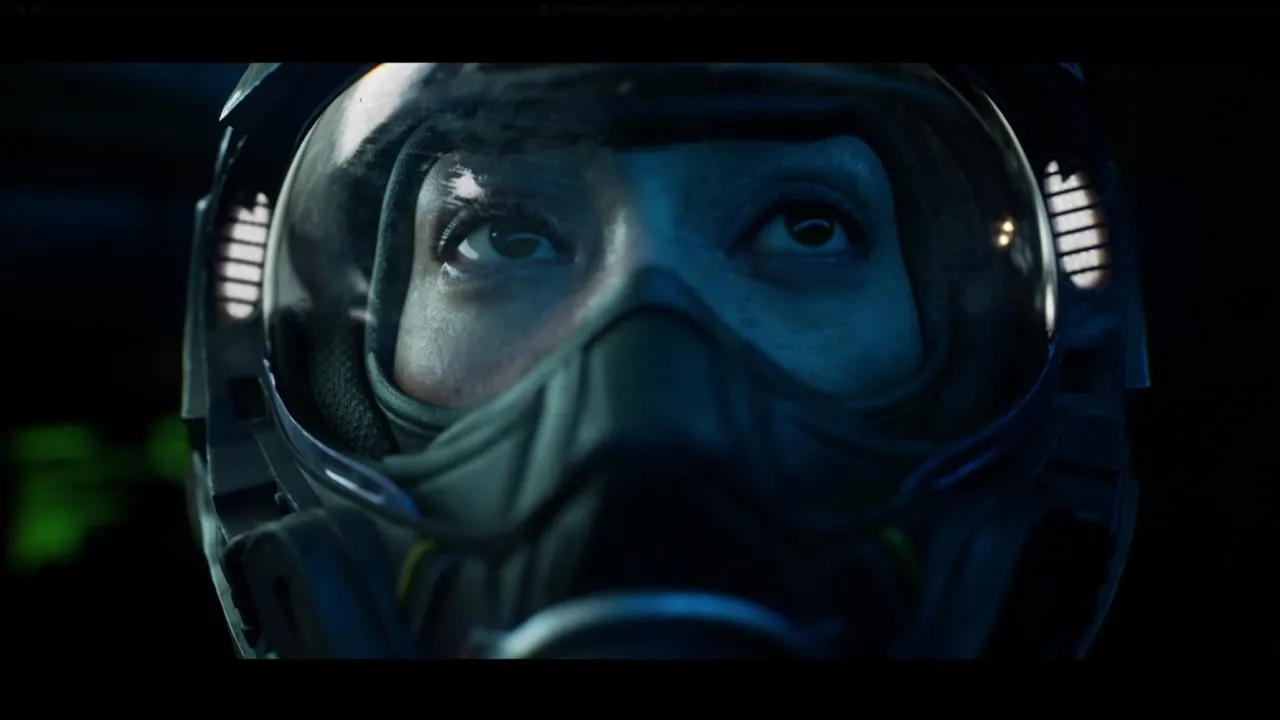
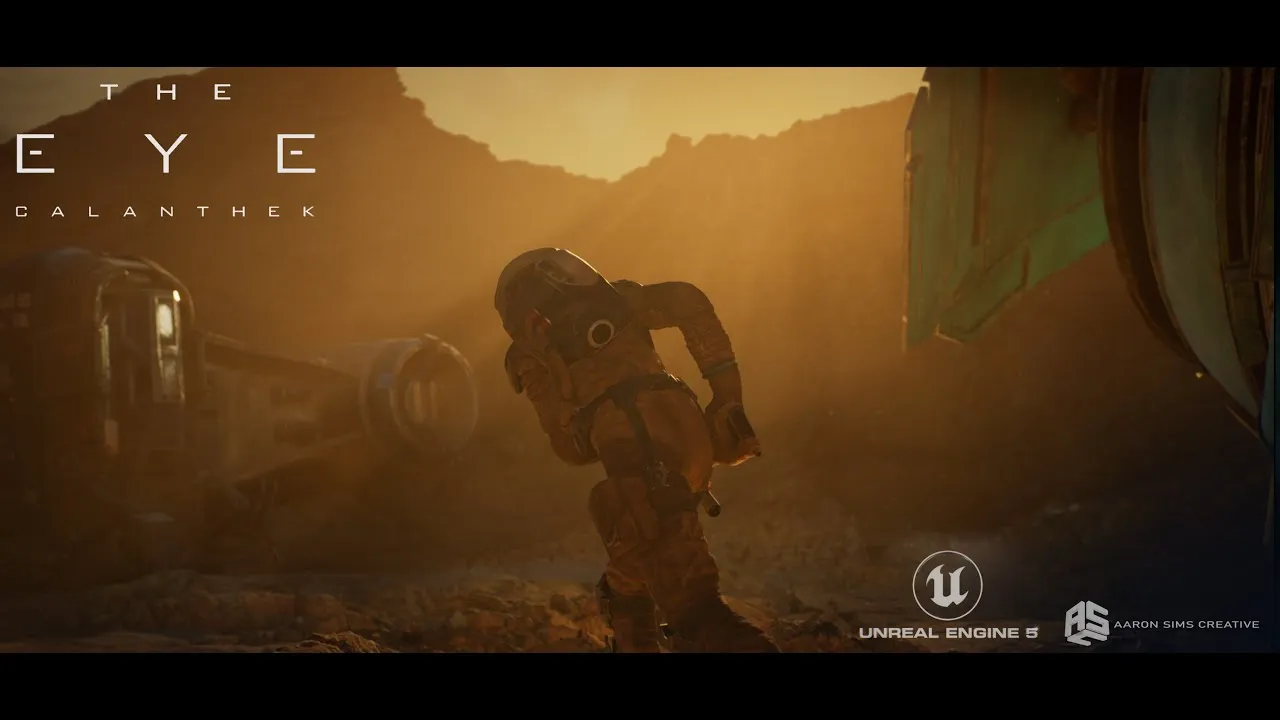
The Third Floor

Epic Games

Rooster Teeth
-

Red vs. Blue: Episode 1 — Why Are We Here? (2003) · Rooster Teeth · Source

ILL Clan




Techniques
- in-camera VFX (ICVFX) on LED volume
- camera tracking / perspective-correct rendering
- in-engine Sequencer cinematics
- MetaHuman digital performers
- real-time global illumination (Lumen)
- virtualized micropolygon geometry (Nanite)
- virtual scouting & previs
- demo-file recamming / machinima puppeteering
- camera projection & set extension
- performance & facial mocap retarget
Tools
- Unreal Engine
- Unity
- Source Filmmaker
- Blender (Eevee)
- Quixel Megascans
- nDisplay
- MetaHuman
- Quake / Halo engines
What to take from it
Judge the frame, then change it
Working in a live engine collapses the wait between a creative choice and seeing it. Block the shot, move the light, push the lens, and decide on the spot — treat iteration speed itself as the advantage, not an afterthought.
Let the constraint write the shot
Early machinima invented crane moves by standing the camera-player on a tank turret. When the tool can't do a thing directly, the workaround often becomes the signature — design within the engine's limits instead of fighting them.
Bring the background onto the set
Put the rendered world on an LED wall (or project it) so actors and camera react to real, perspective-correct light and parallax in-camera. Solving the environment before the shoot beats painting it in afterward.