Atlas
Atlas indexFUI / Synthetic Cinematography
The glowing screens, holograms and HUDs that aren't real — designed frame by frame to make a fictional world feel operable.
- fui
- hud
- screen-graphics
- motion-graphics
- holograms
- diegetic-ui
- data-visualization
- sci-fi-interface
What it is
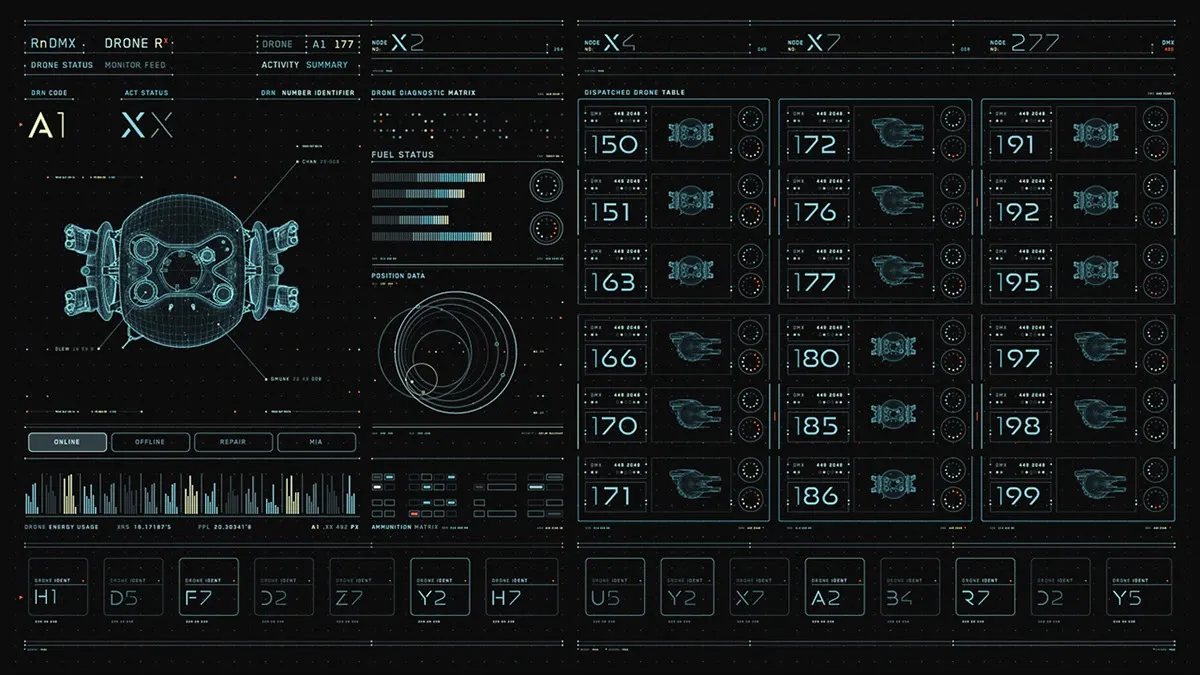
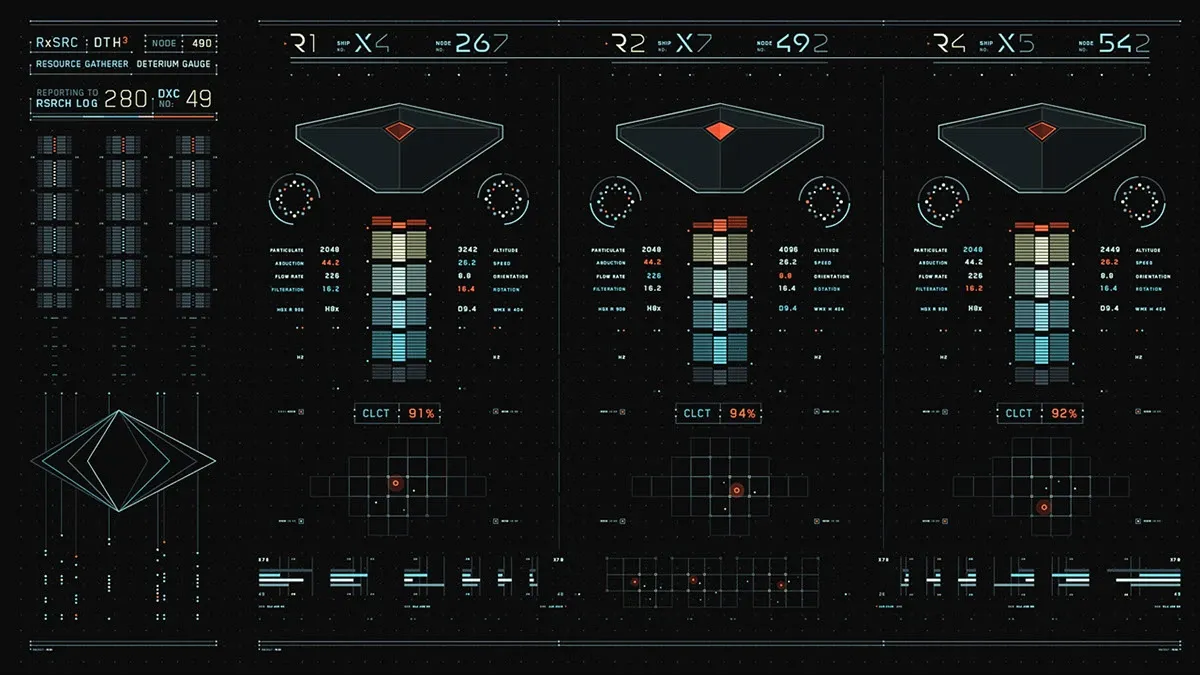
FUI (Fictional, Fantasy or Futuristic User Interface) is the craft of designing the motion graphics that live on the screens, visors, holo-tables and heads-up displays inside a fictional world. It is pure digital/CG image-making: no camera, no actor — just animated typography, data, iconography and light composited into a shot or played back on set. The goal is never a usable app but a believable, legible diegetic prop that carries story, characterizes its user, and reads as 'real' for the few seconds it's on screen.
How it is made
Design before motion
Every interface starts as static design language — a grid, a type system, an icon set, a restrained palette — locked before a single keyframe. Practitioners build a 'bible' of reusable components so dozens of screens share one coherent visual logic. Tools cluster around Illustrator/After Effects for 2D layout and animation and Cinema 4D for 3D holograms and depth, with the layer-based AE workflow prized for fast iteration.
Function implies legibility
Audiences feel randomness even at a glance, so elements are given an implied purpose — this readout tracks that, this ring decodes that — rather than 'cool-looking' noise. In stereo/3D everything is in focus and readable, which forces real hierarchy: foreground status, mid-ground data, ambient telemetry. The discipline borrows genuine reference (defrag diagrams, flight HUDs, lab telemetry) and then abstracts it just past plausibility.
On-set playback vs post VFX
Two delivery modes shape the work. On-set playback screens are looped or operated 'man-behind-the-curtain' to match an actor's performance, and must be close-up perfect because a background panel can end up shot full-frame. Post/VFX graphics are composited later, freed from real-world devices and physics, allowing more elaborate holograms, parallax and camera-reactive depth at the cost of integration work.
Where it comes from
The pioneer who named it
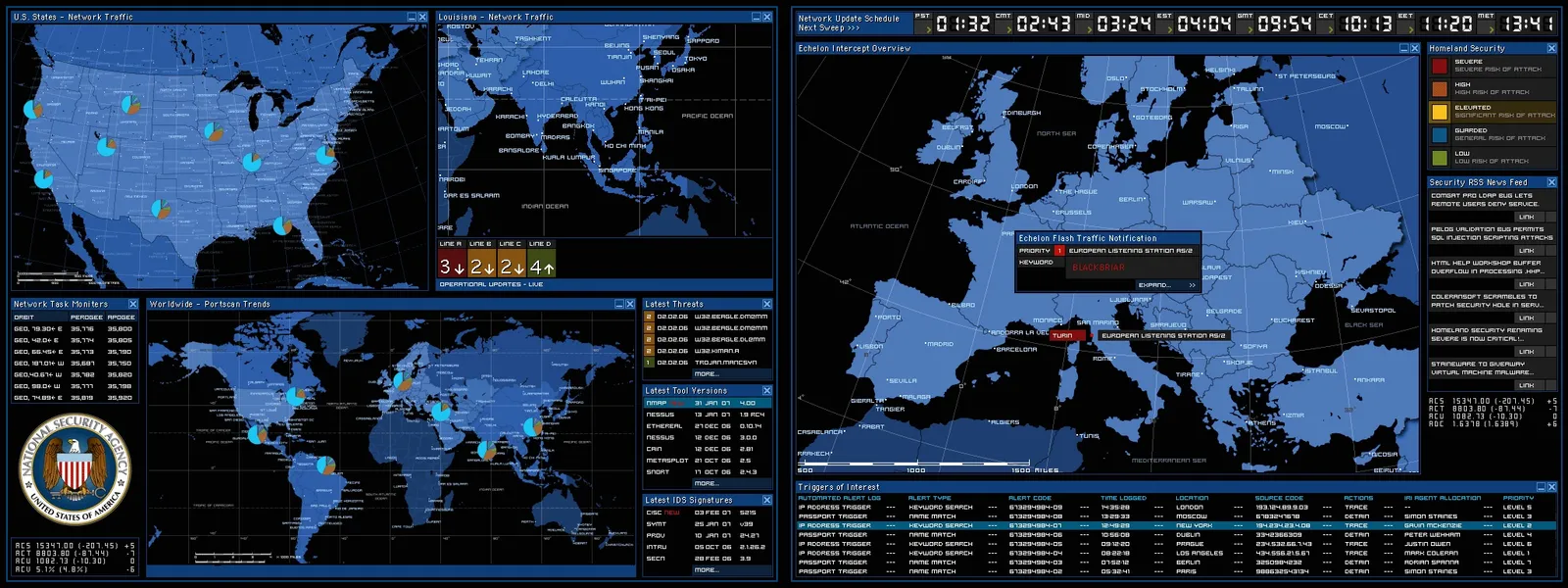
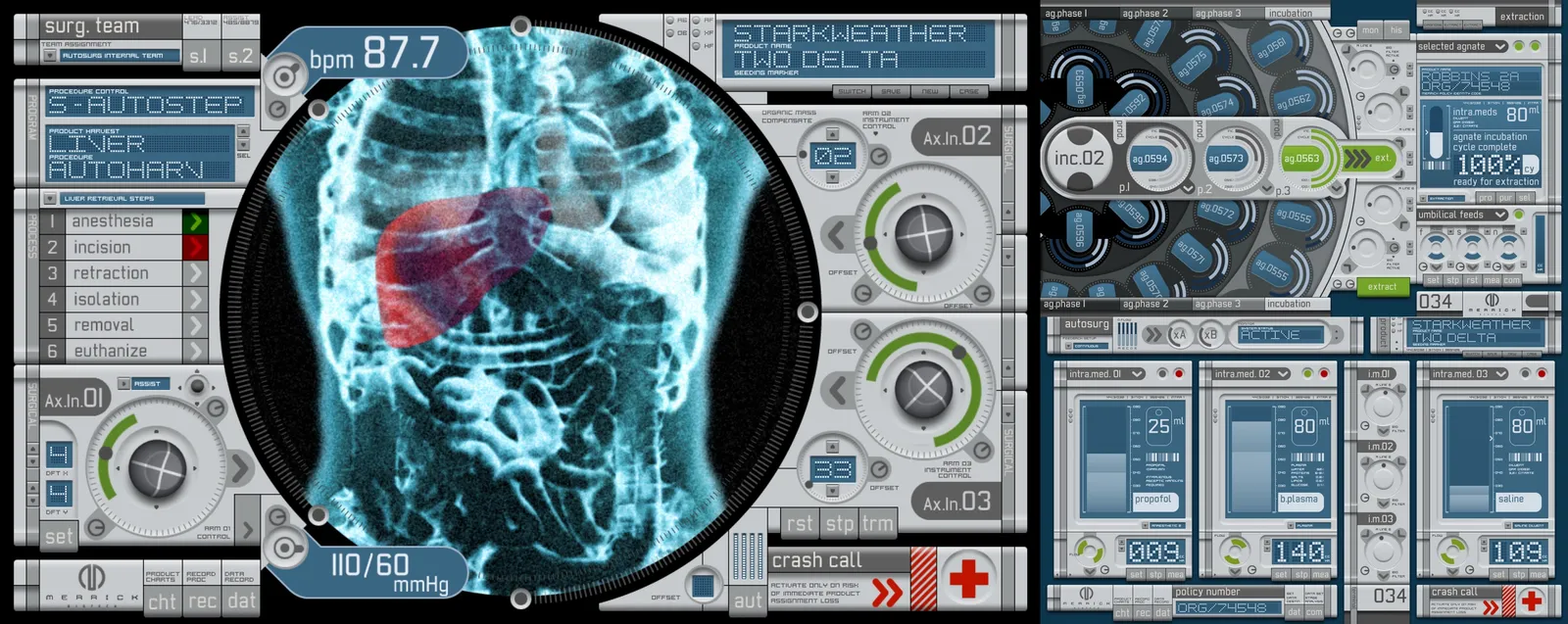
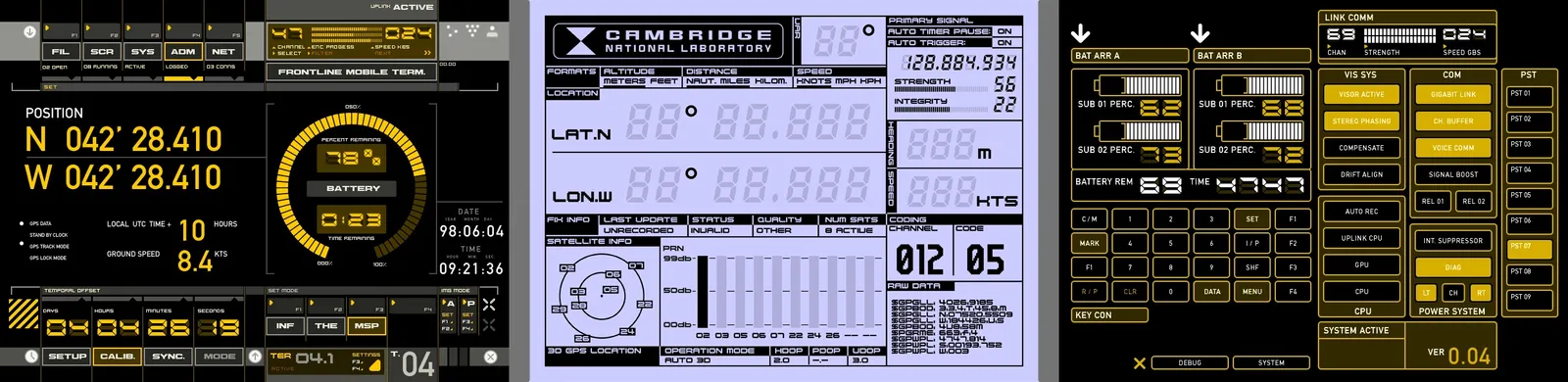
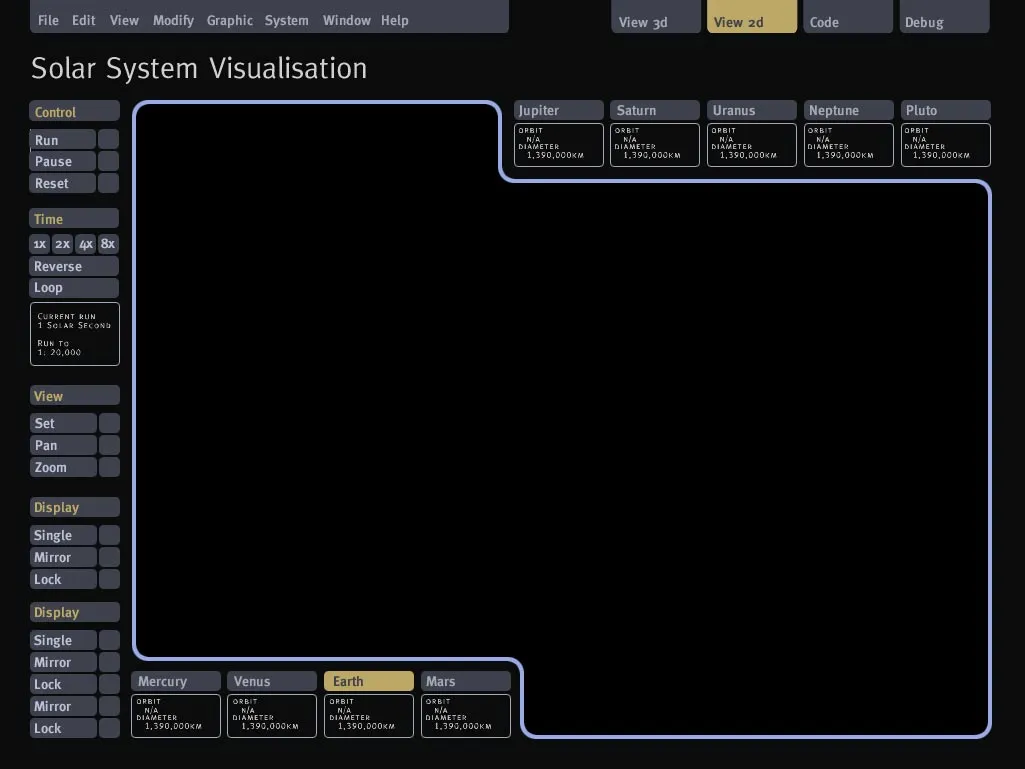
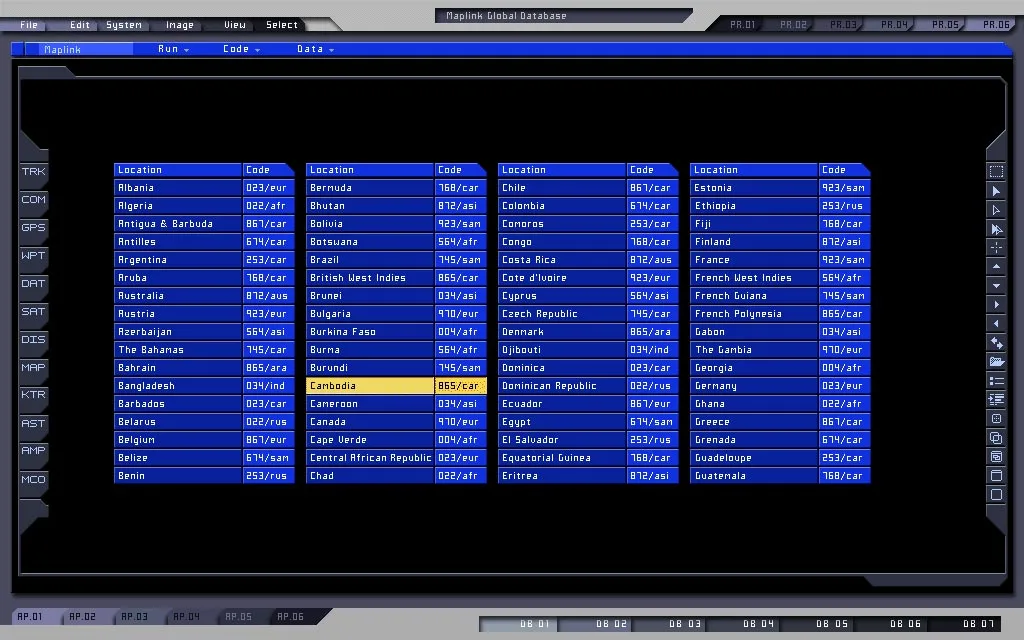
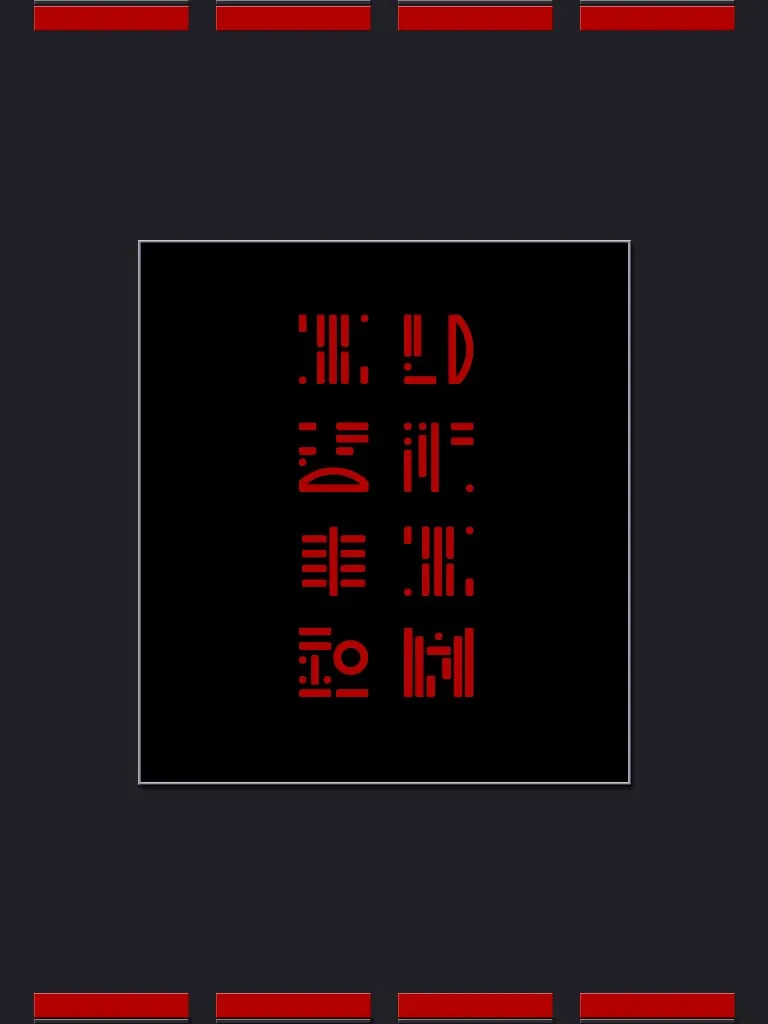
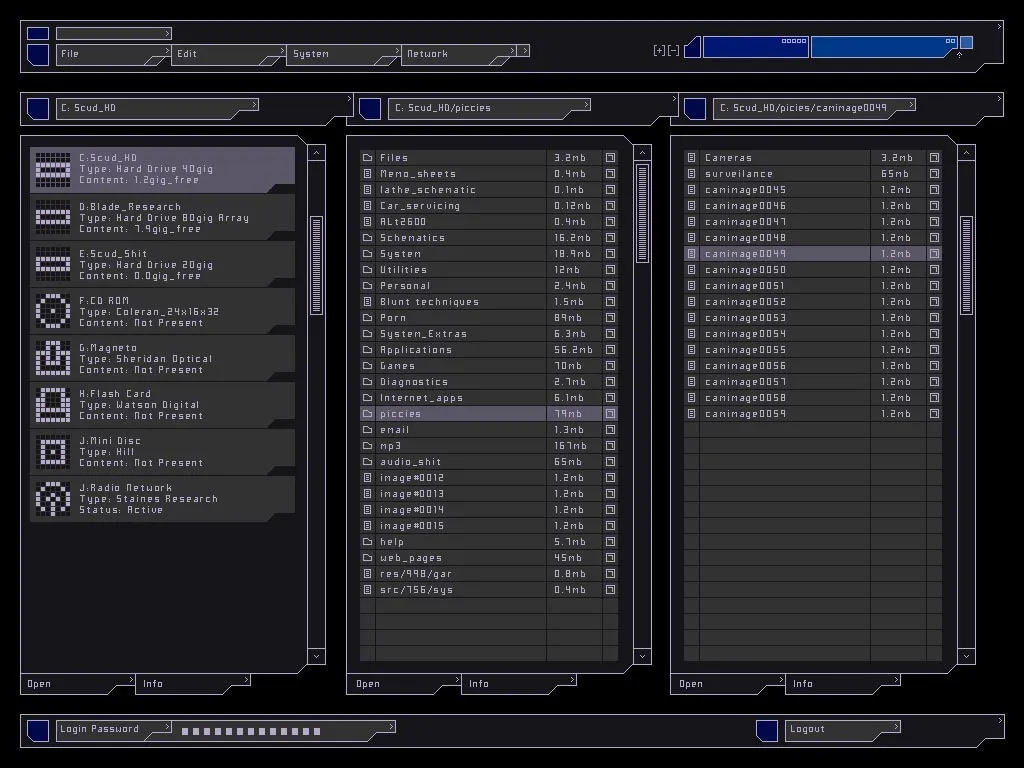
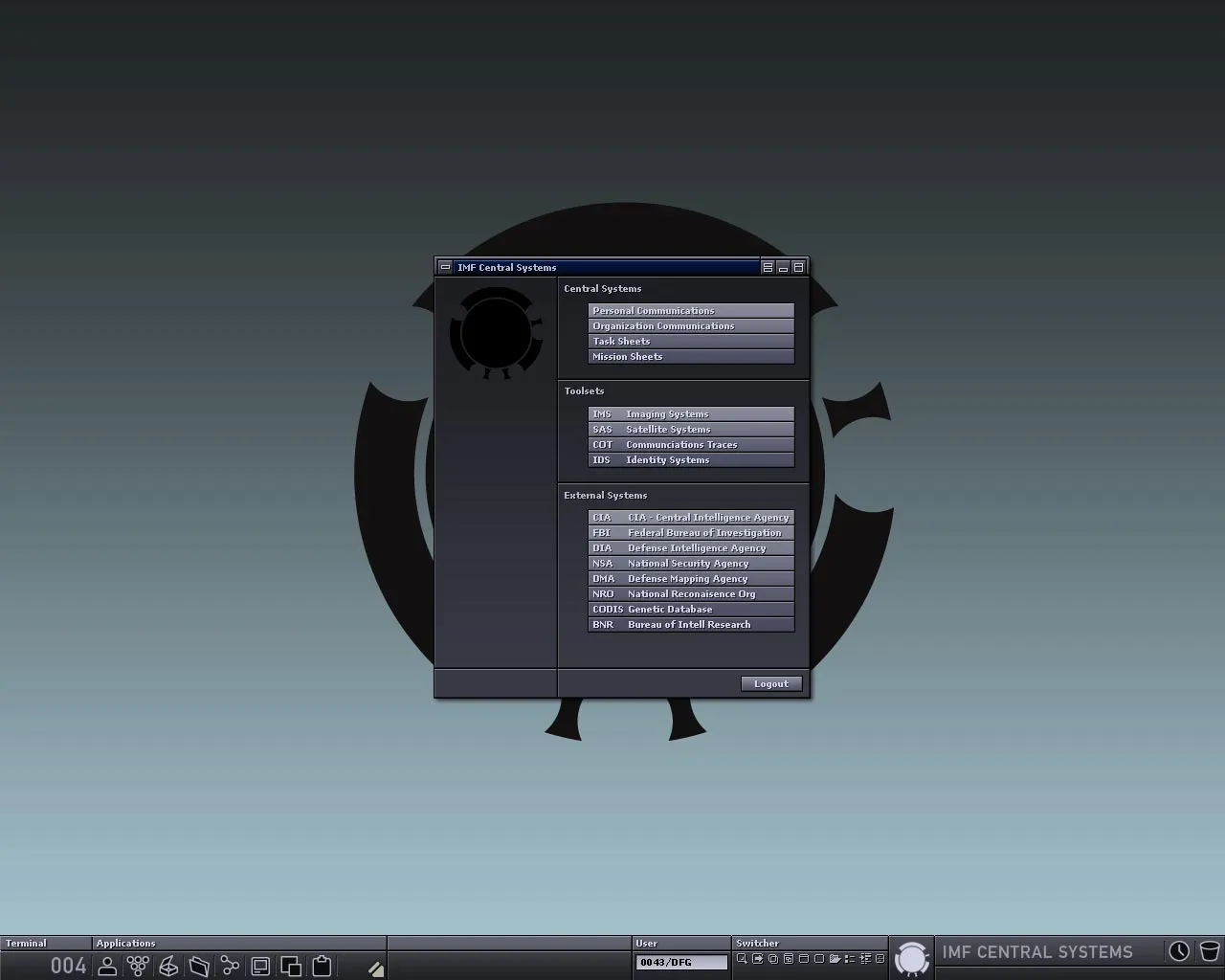
Mark Coleran (primary film run ~1999–2007, with a later return on Westworld S4 in 2022; d. 2024) is widely credited with coining 'FUI' and defining early-2000s film screen graphics across spy and sci-fi thrillers. He framed the work as making a diegetic prop — an illustration and storytelling device about the person using it — not real software, and his showreel taught a generation the grammar of fictional interfaces.
The motion-graphics inheritance
The craft descends from broadcast/title-sequence motion design rather than software UX. Many practitioners came up animating logos, cut-scenes and brand idents, then carried a motion-first sensibility into film. Title-design tradition (the Kyle Cooper / Imaginary Forces school) seeds the typographic discipline and emotional pacing that separates a memorable interface from a generic data dump.
From screen prop to real product
The genre's visual conventions — transparent glass UI, gesture control, floating holographic data, ambient telemetry — fed back into real product design, and the leading studios now design HUDs, AR/spatial interfaces and automotive/aerospace dashboards. The fiction became a moodboard for actual hardware, closing the loop between speculative screen graphics and shipping interfaces.
Artists
-
Minority Report (2002) gestural interface; g-speak spatial operating environment (Oblong)
Designed Minority Report's gestural interface and built the real g-speak system, the intellectual root of modern screen-graphics design.
-
Star Wars sequel-trilogy screen graphics; Guardians of the Galaxy; Ready Player One
London studio whose canonical Star Wars cockpit and console graphics set the template for believable sci-fi screen design.
-
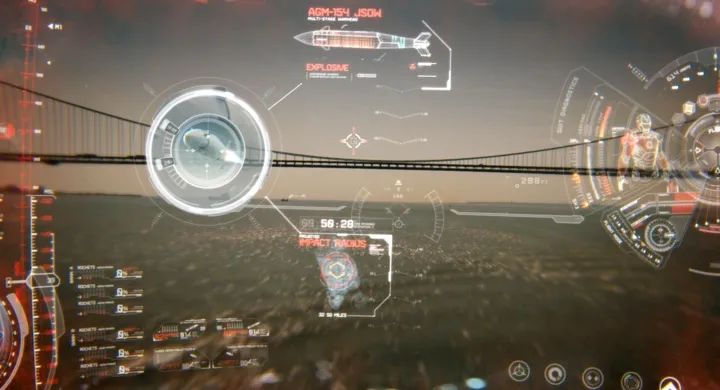
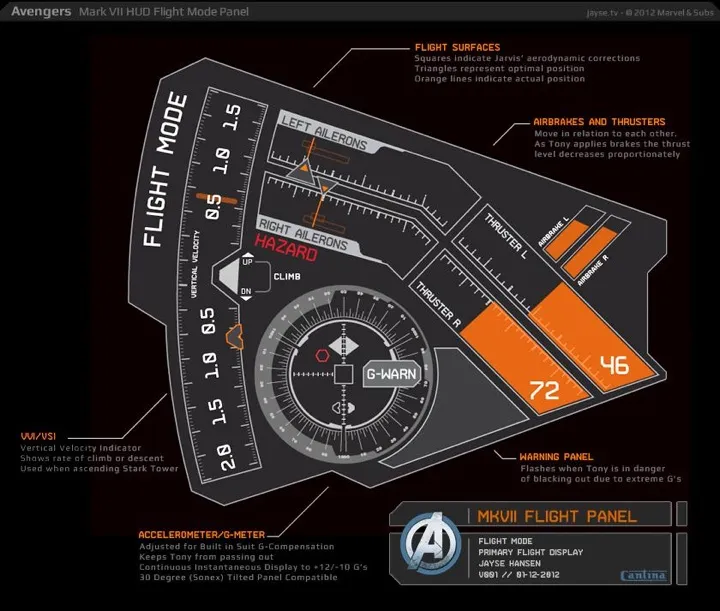
Marvel Cinematic Universe HUDs (Iron Man, Avengers); Black Panther interfaces
New York studio (John LePore) designing the Marvel holographic HUDs and interfaces that defined the MCU's on-screen tech.
-
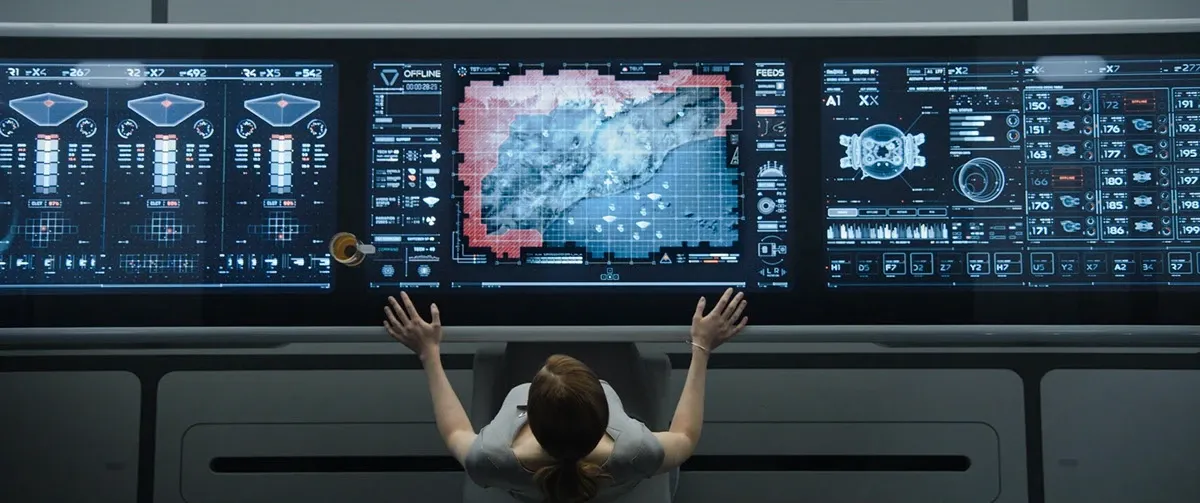
Ghost in the Shell (2017); Prometheus; Call of Duty title and UI design
Designer and director building dense, elegant interface graphics and title work for film and games.
-
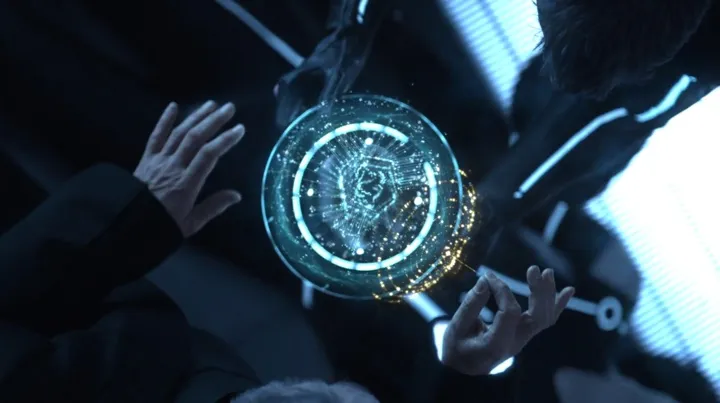
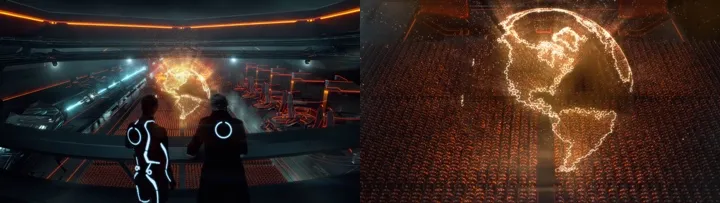
TRON: Legacy (2010) screen graphics and animation
Animator behind TRON: Legacy's screen graphics, giving the film's interfaces their precise glowing motion.
-
Feature-film holographic and screen-graphics compositing
Compositor and motion designer specialising in holographic and screen-graphic elements for feature film.
-
The World Is Not Enough (1999), The Bourne Identity (2002), Lara Croft: Tomb Raider (2001), Blade II (2002), Mr. & Mrs. Smith (2005), The Island (2005), Mission: Impossible III (2006), Deja Vu (2006), The Bourne Ultimatum (2007), Westworld S4 (2022)
The godfather of FUI — coined the term and set the early-2000s template for cinematic screen graphics as diegetic storytelling props; his reconstructed portfolio gallery is now archived on Pushing Pixels.
-
Prometheus (2012), Zero Dark Thirty (2012), Guardians of the Galaxy (2014), Ex Machina (2015), The Martian (2015), Blade Runner 2049 (2017)
London-founded screen-graphics house that scaled FUI into a studio discipline, designing story-first screens, robot schematics and on-set playback across major sci-fi productions.
-
Iron Man 2 (2010) HUD, The Avengers (2012), Iron Man 3 (2013), Avengers: Age of Ultron (2015), Captain America: Civil War (2016), Black Panther (2018)
LA design+VFX studio whose iconic armored-hero HUD made it a go-to for holograms, HUDs and photoreal monitor graphics across the Marvel films.
-
The Avengers (2012), Iron Man 3 (2013), The Hunger Games series, Big Hero 6 (2014), Star Wars: The Force Awakens (2015), Spider-Man: Homecoming (2017)
FUI specialist known for 'purpose-first' HUDs and holographic maps, documenting each build in a function-driven HUD bible so every on-screen element has a job.
-
TRON: Legacy (2010) lead GFX, Oblivion (2013), Box (Bot & Dolly, 2013)
Lead graphics designer behind holographic and elegant-minimalist interface systems, fusing sci-fi structure with a psychedelic palette.
-
Guardians of the Galaxy (2014), Avengers: Age of Ultron (2015), Mission: Impossible – Rogue Nation (2015), Blade Runner 2049 (2017), Ready Player One (2018)
British FUI art director (ex-Territory Studio) who art-directed Blade Runner 2049's Wallace Corporation interfaces and supervised on-set screen graphics across major sci-fi productions.
Frames
Mark Coleran
-
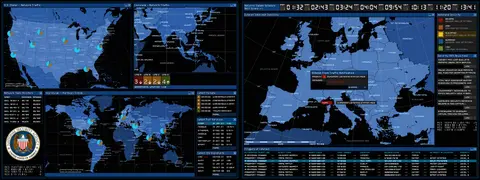
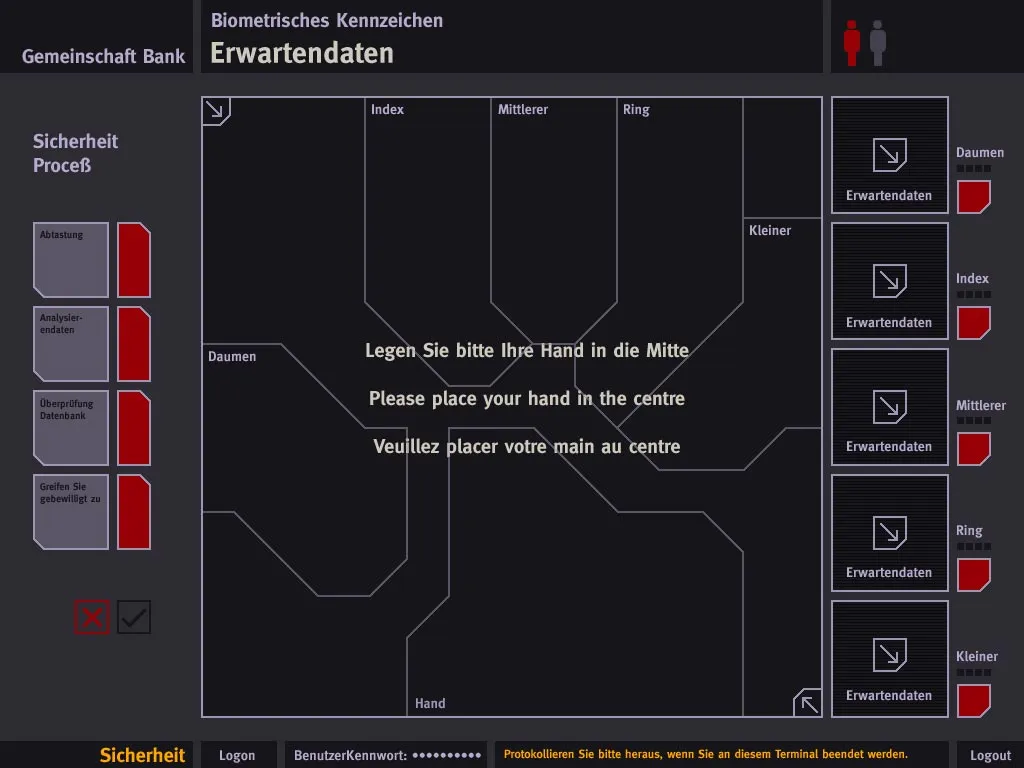
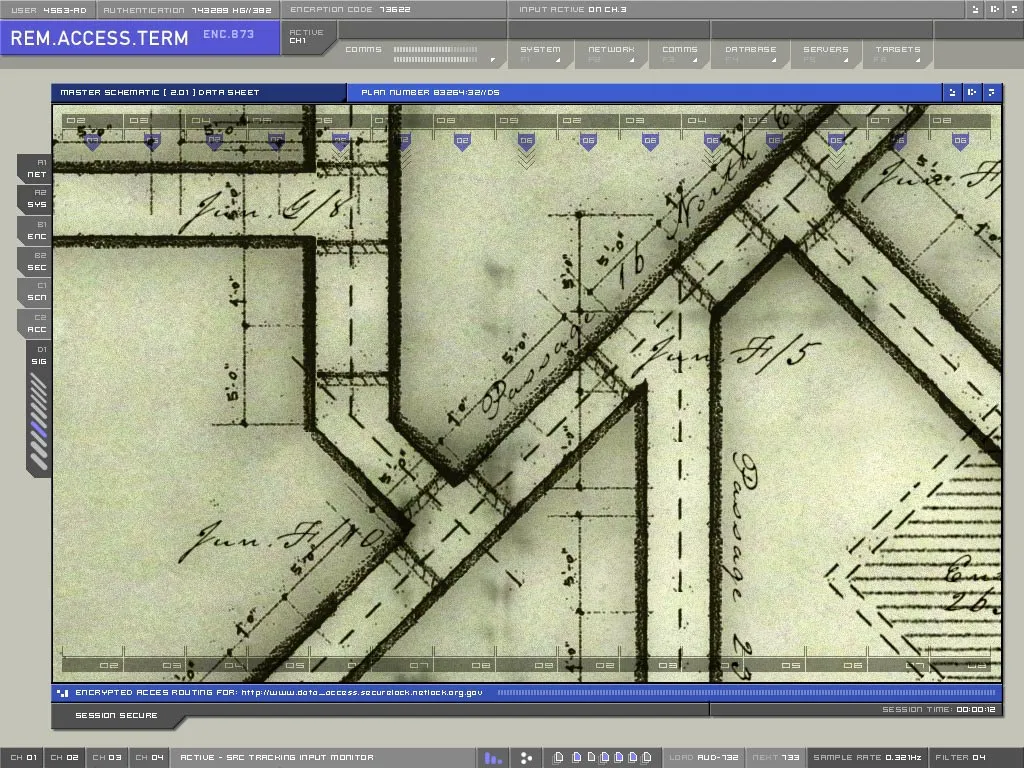
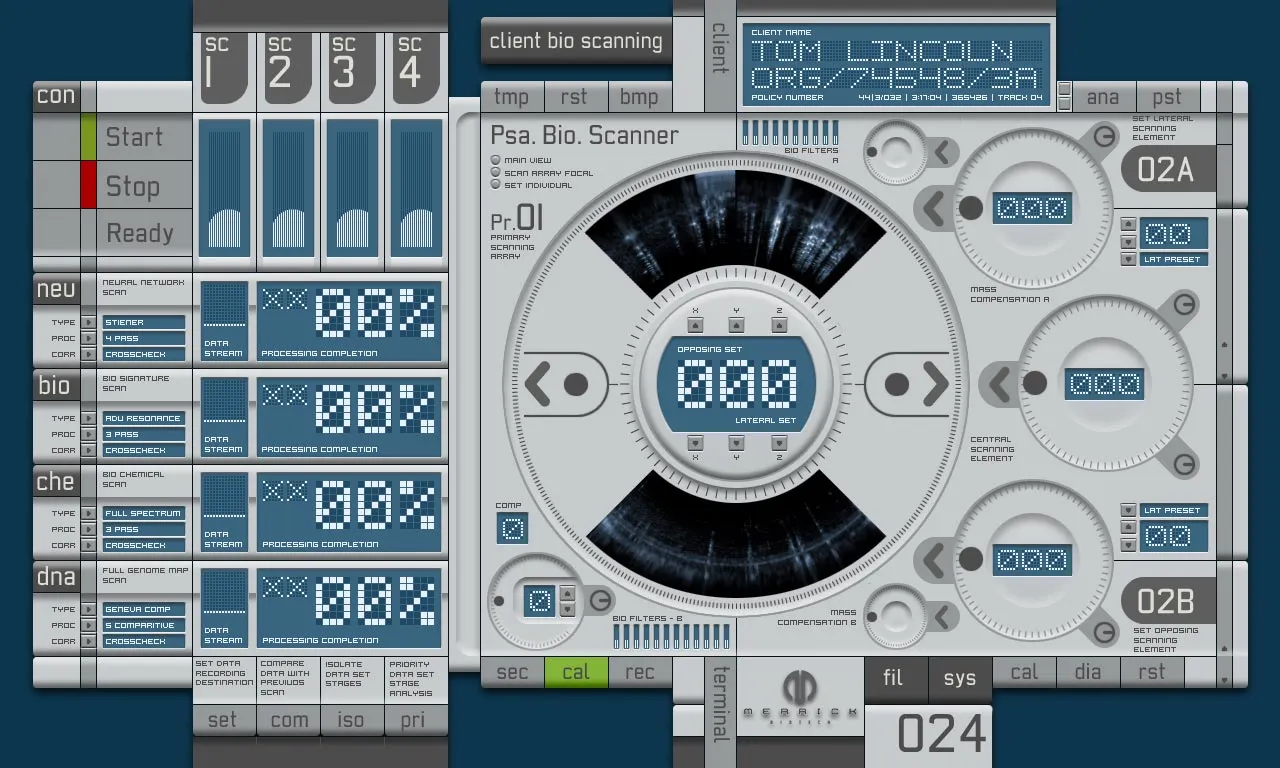
The Bourne Ultimatum (2007) · Mark Coleran · Source -
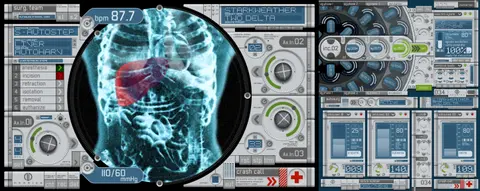
The Island (2005) · Mark Coleran · Source -
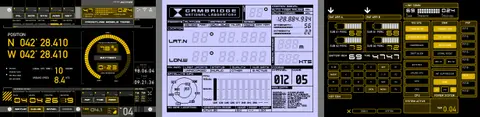
Déjà Vu (2006) · Mark Coleran · Source -
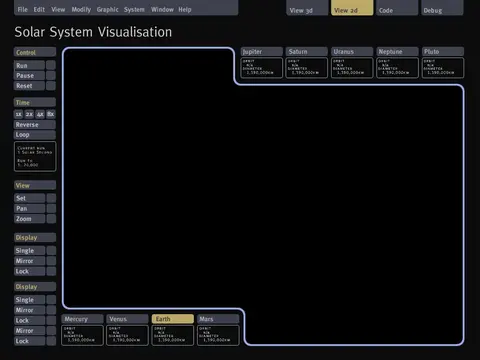
Lara Croft: Tomb Raider (2001) · Mark Coleran · Source -
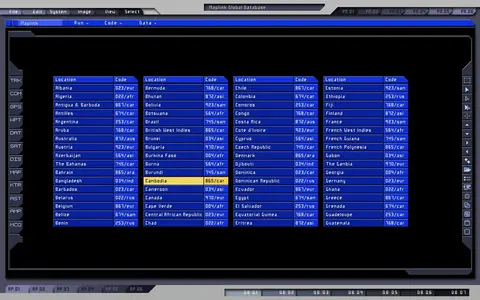
Lara Croft: Tomb Raider (2001) · Mark Coleran · Source -
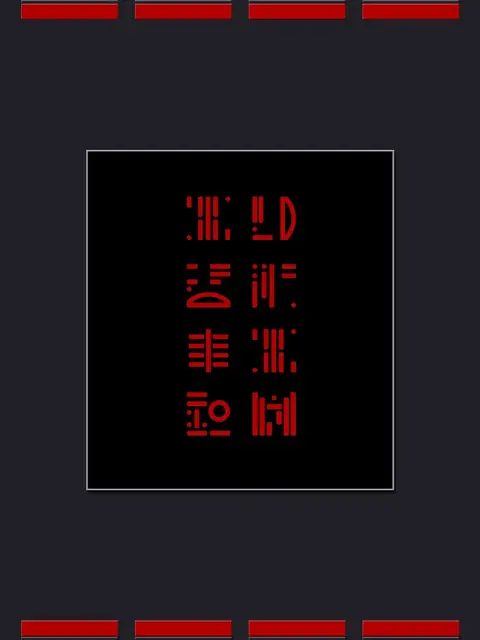
Blade II (2002) · Mark Coleran · Source -
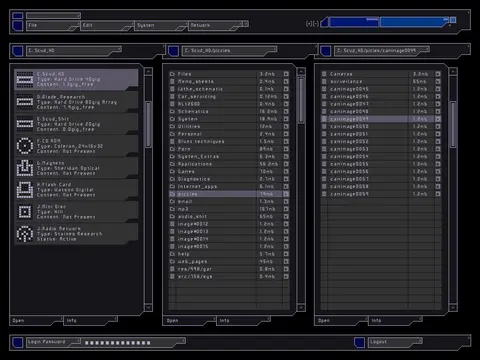
Blade II (2002) · Mark Coleran · Source -
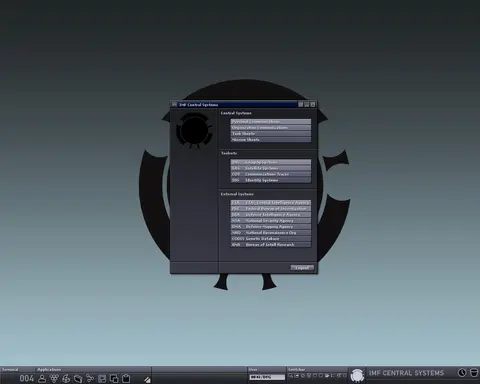
Mission: Impossible III (2006) · Mark Coleran · Source -
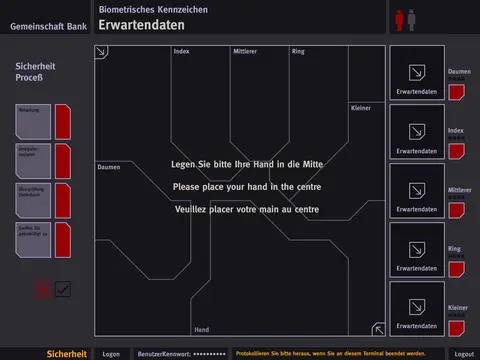
The Bourne Identity (2002) · Mark Coleran · Source -
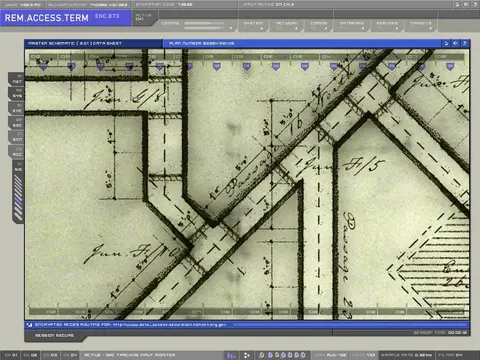
Mr. & Mrs. Smith (2005) · Mark Coleran · Source -
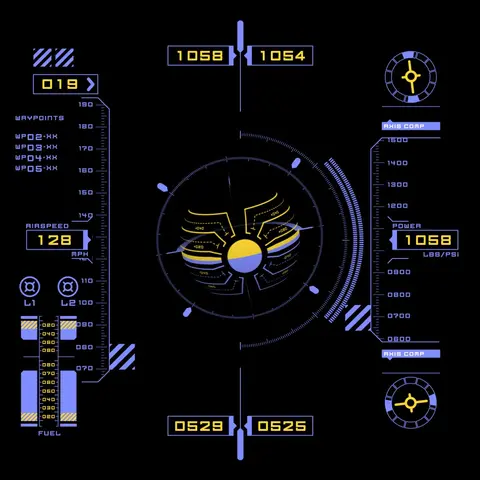
The Island (2005) · Mark Coleran · Source -
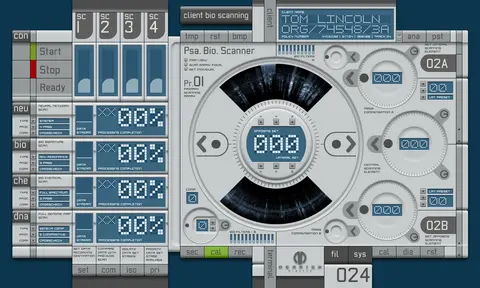
The Island (2005) · Mark Coleran · Source
Territory Studio
-
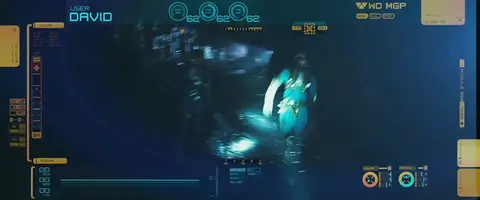
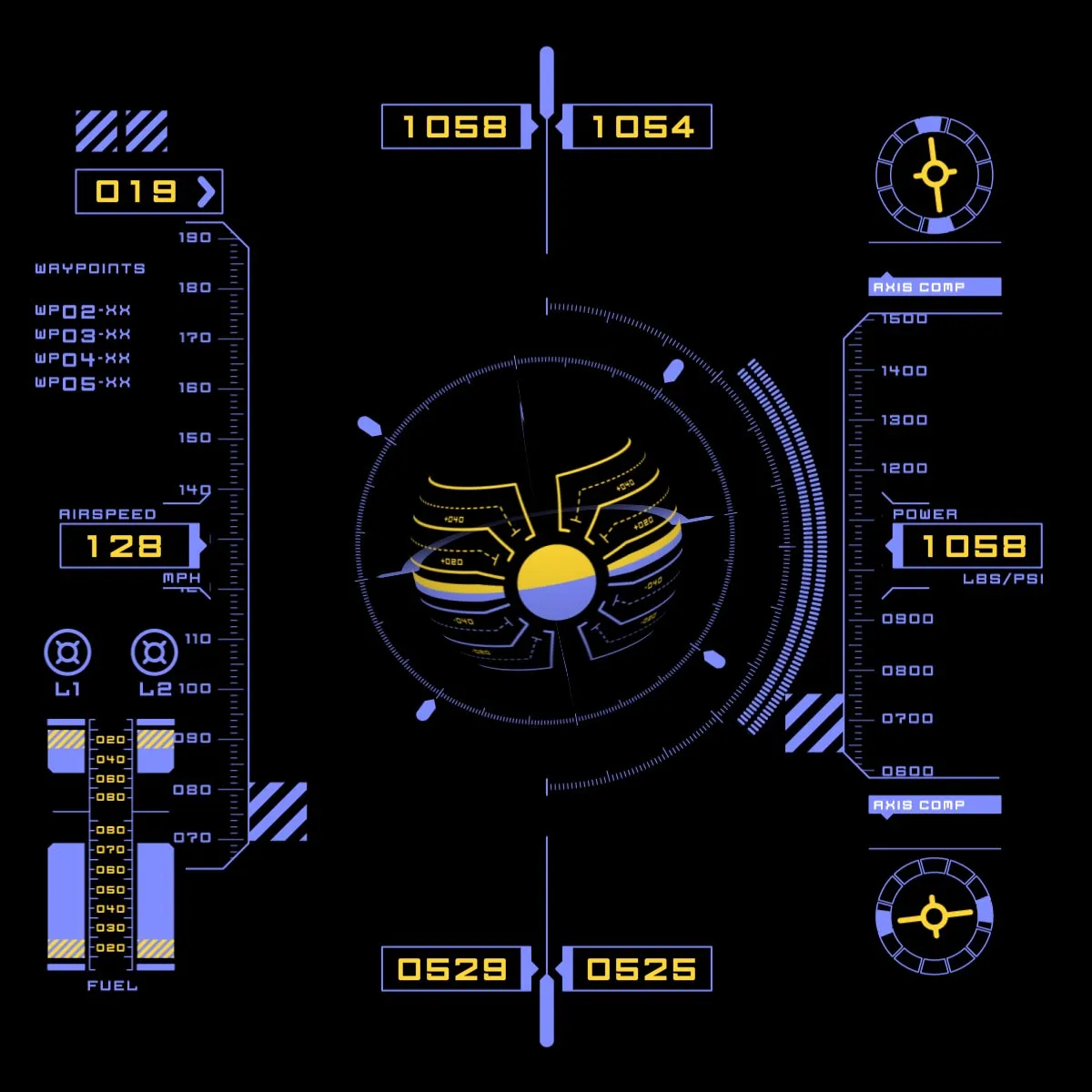
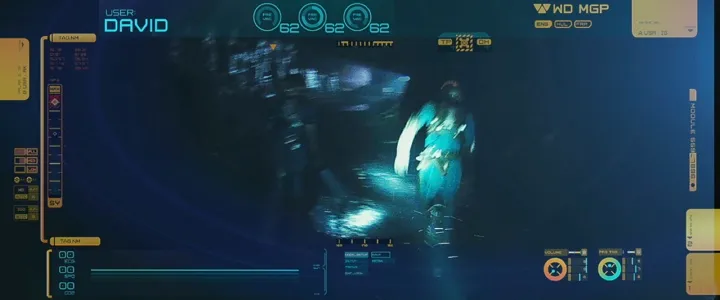
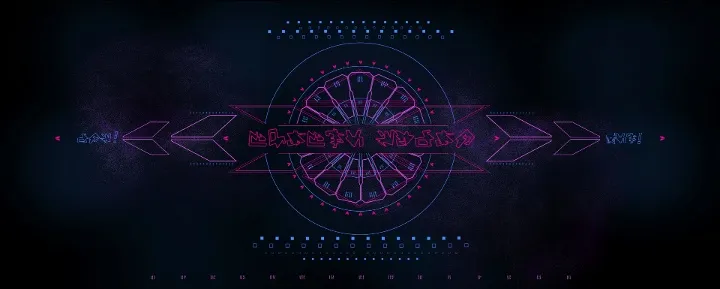
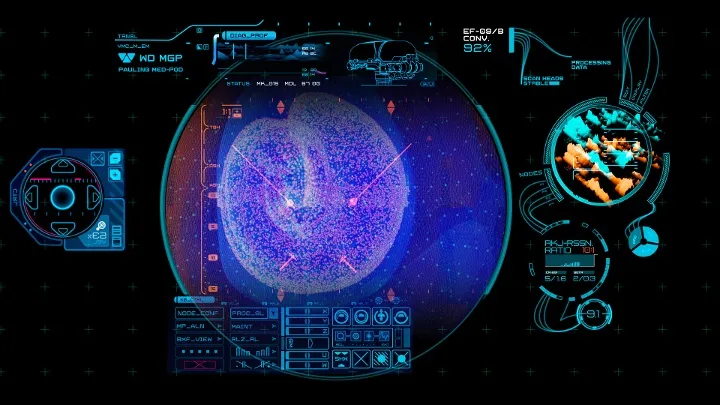
Prometheus (2012) · Territory Studio · Source -
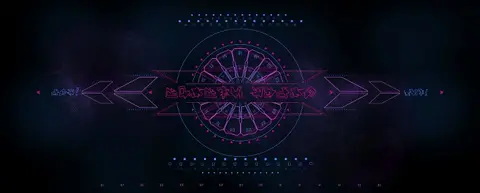
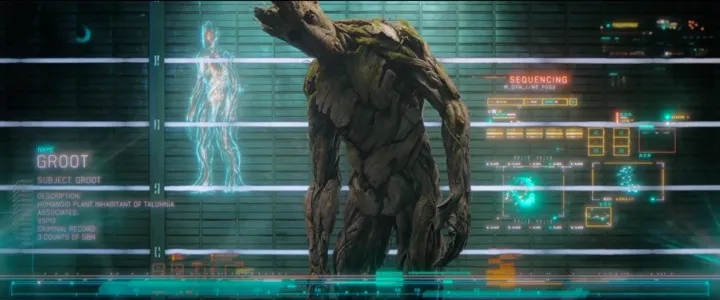
Guardians of the Galaxy (2014) · Territory Studio · Source -
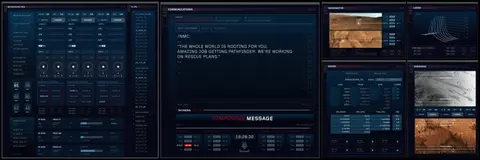
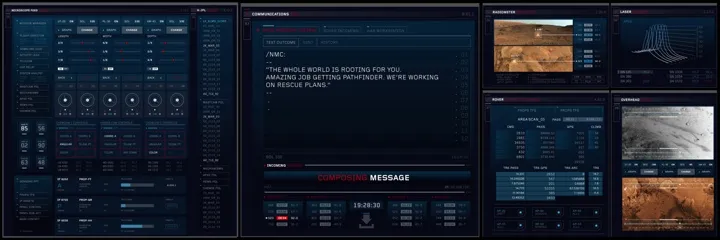
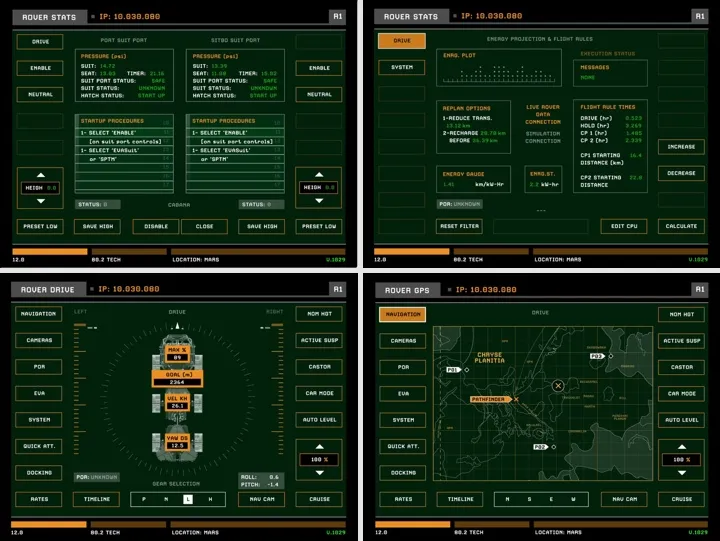
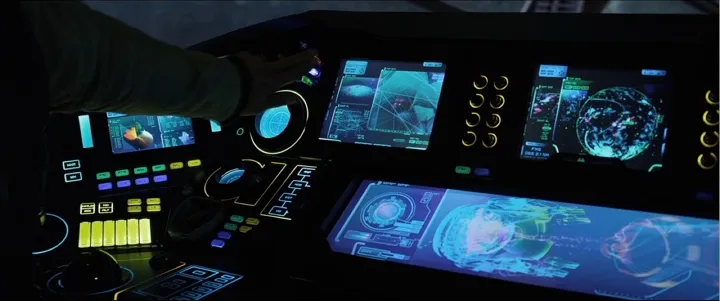
The Martian (2015) · Territory Studio · Source -
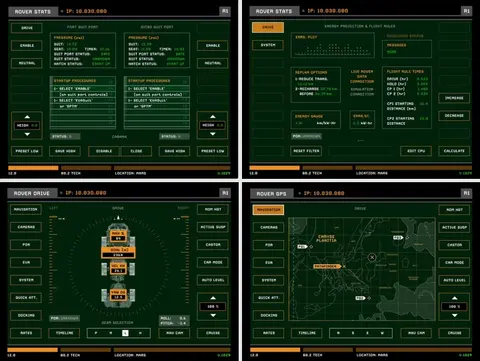
The Martian (2015) · Territory Studio · Source -
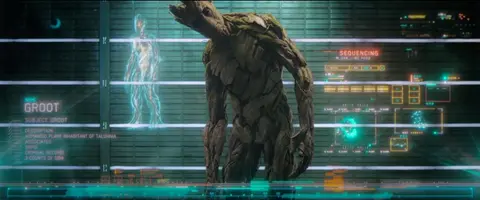
Guardians of the Galaxy (2014) · Territory Studio · Source -
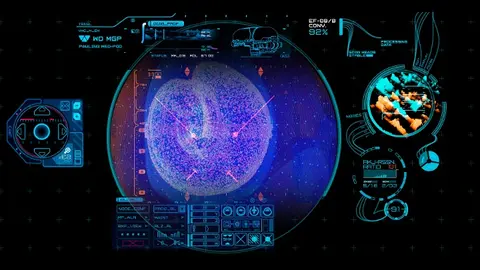
Prometheus (2012) · Territory Studio · Source -
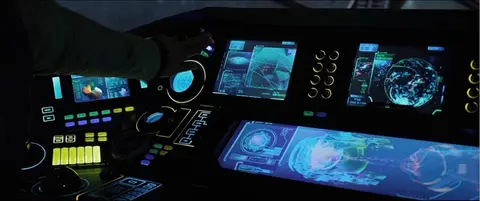
Prometheus (2012) · Territory Studio · Source -
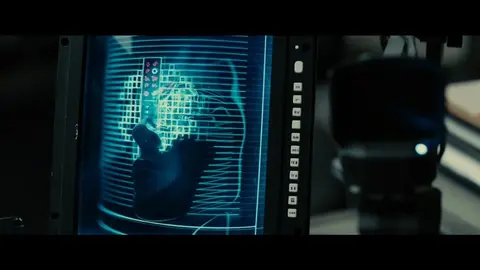
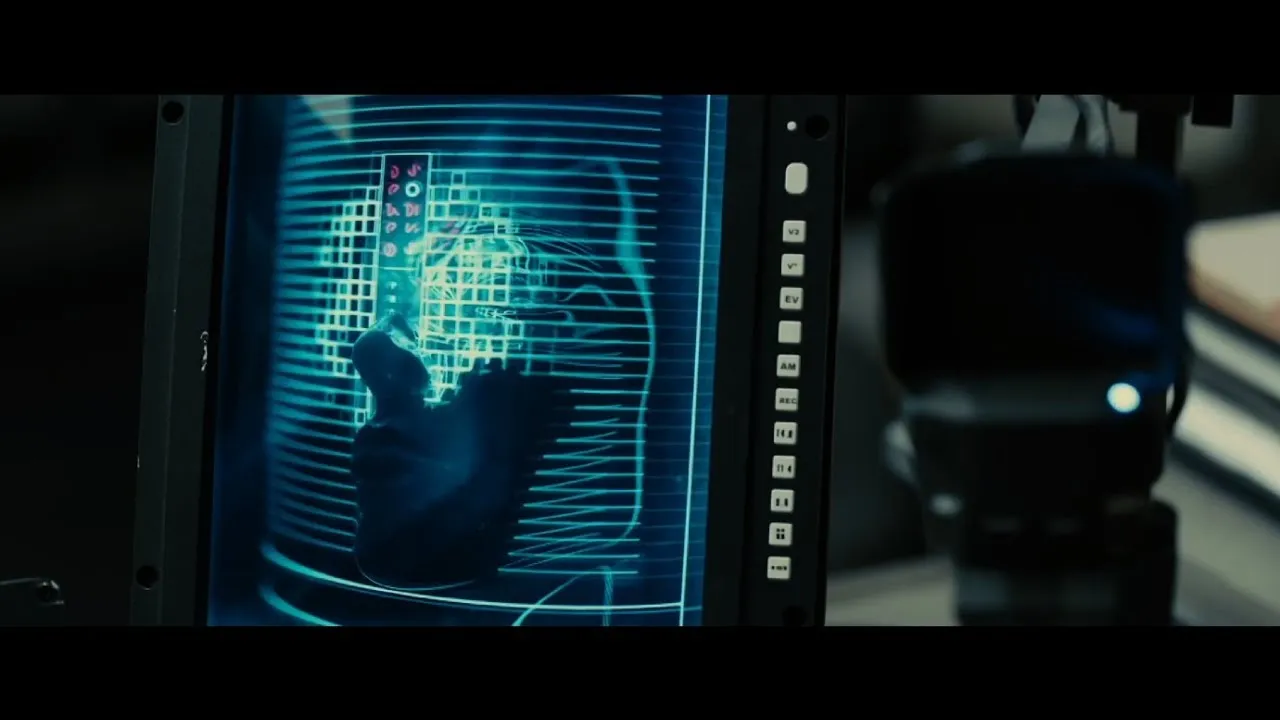
Blade Runner 2049 (2017) · Territory Studio · Source
Cantina Creative
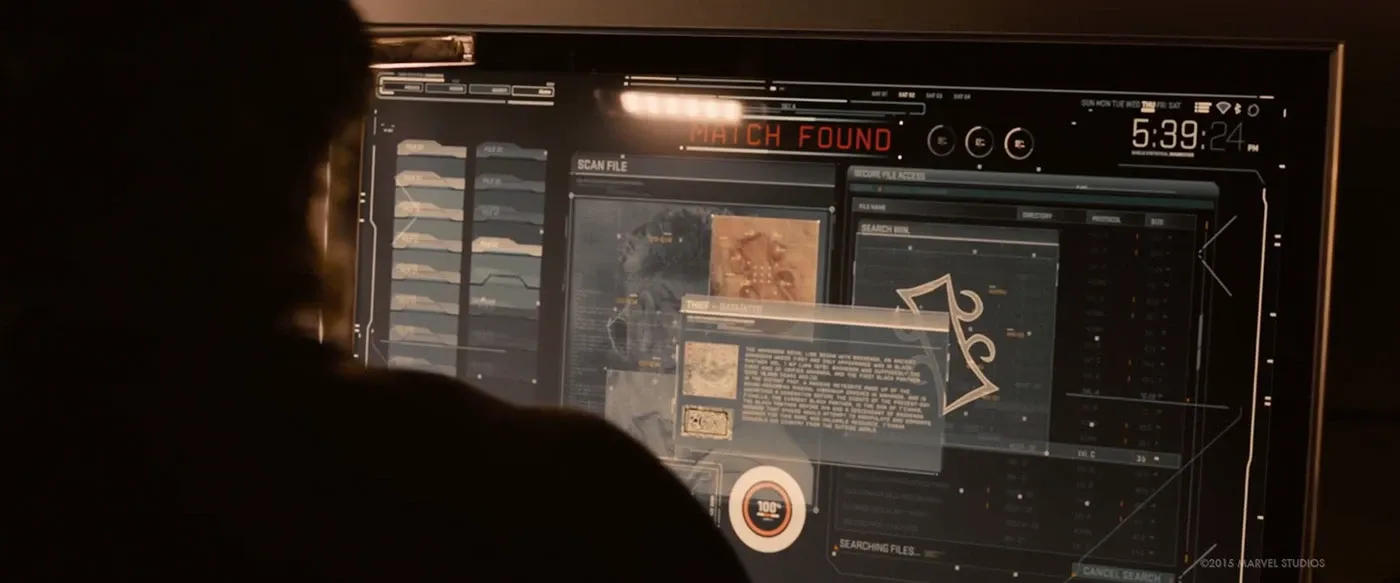
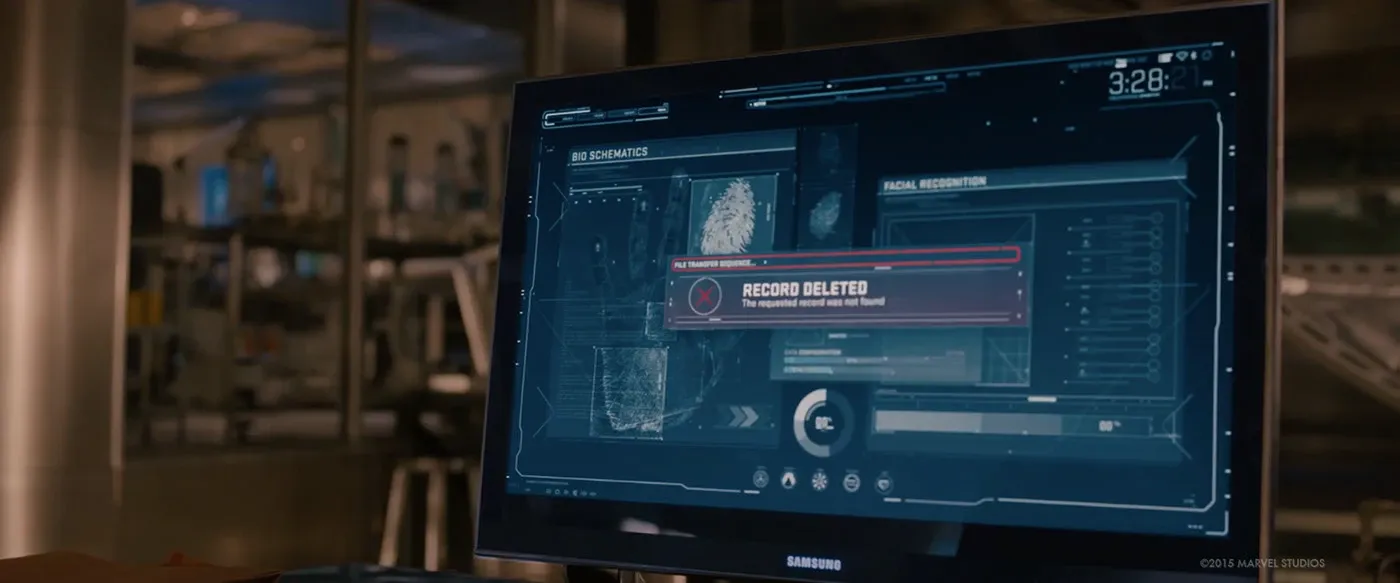
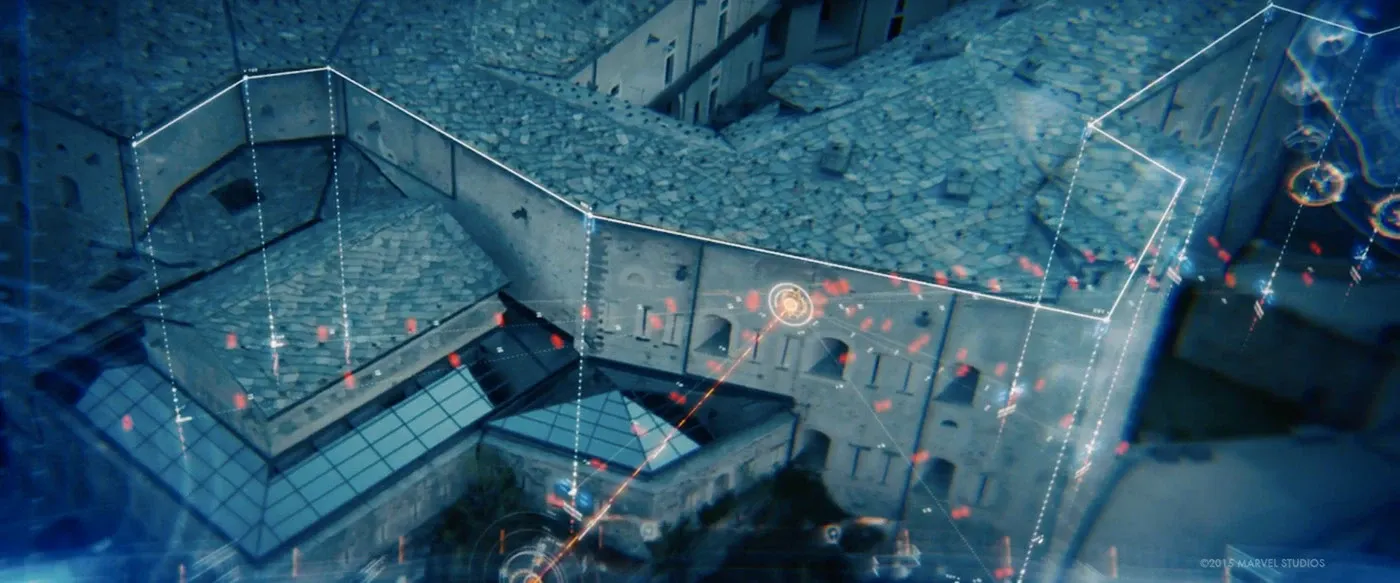
Jayse Hansen
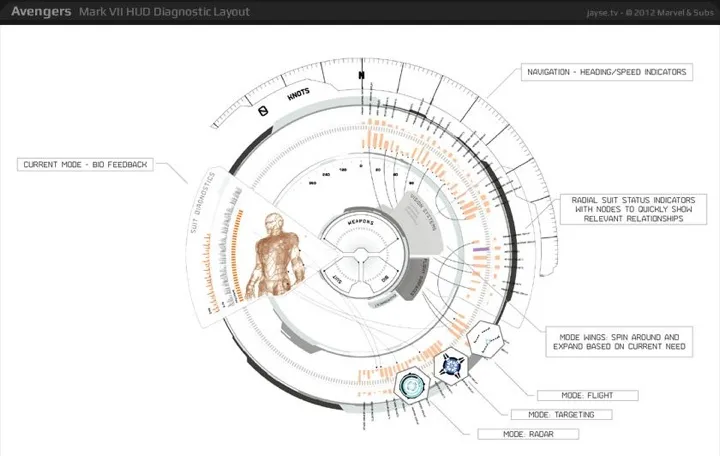
GMUNK (Bradley G. Munkowitz)
-
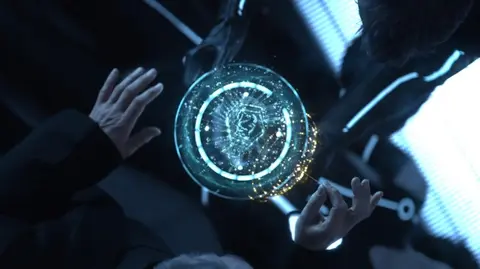
TRON: Legacy (2010) · GMUNK (Bradley G. Munkowitz) · Source -
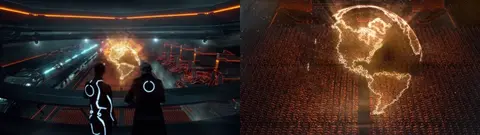
TRON: Legacy (2010) · GMUNK (Bradley G. Munkowitz) · Source -
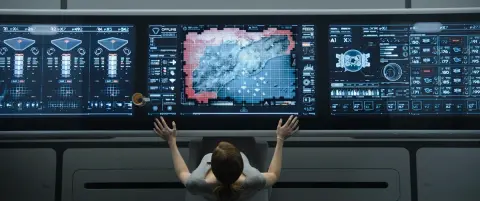
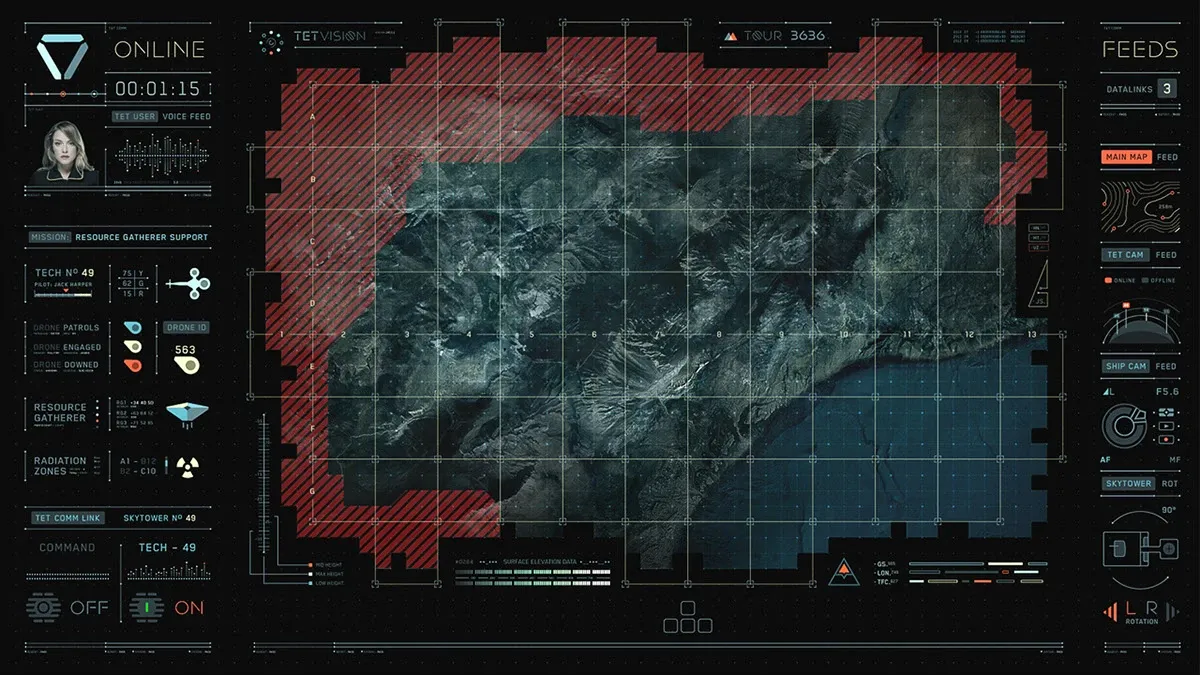
Oblivion (2013) · GMUNK (Bradley G. Munkowitz) · Source -
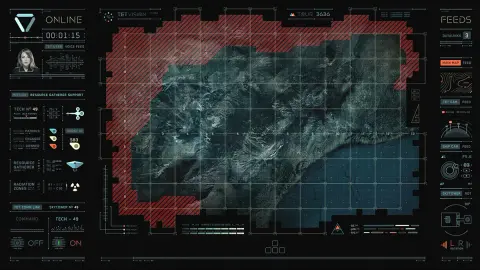
Oblivion (2013) · GMUNK (Bradley G. Munkowitz) · Source -
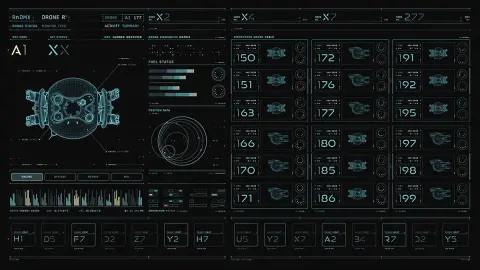
Oblivion (2013) · GMUNK (Bradley G. Munkowitz) · Source -
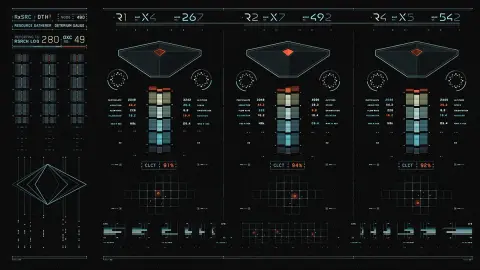
Oblivion (2013) · GMUNK (Bradley G. Munkowitz) · Source
Techniques
- motion-graphic UI animation
- holographic & volumetric HUD design
- data-visualisation as set dressing
- gestural/spatial interface choreography
- screen-comp tracking & integration
- glow, scanline & aberration treatment
- typographic & glyph systems
- procedural readout animation
- on-set computer playback
- plot/data visualization as set dressing
Tools
- After Effects
- Cinema 4D
- Element 3D
- Houdini
- Nuke
- TouchDesigner
- Illustrator
- Plexus (After Effects)
- Trapcode Suite
- Notch
What to take from it
One system, many screens
Build a tiny component kit — a grid, two weights of a mono/grotesque typeface, a fixed icon vocabulary, one accent hue on near-black — then generate dozens of panels from it. Coherence across screens reads as 'designed technology'; bespoke per-screen art reads as chaos.
Imply function, hide the app
Give every moving element a plausible job and let motion express state change (decoding, locking, scanning) rather than decoration. The viewer never operates it, so legibility-as-performance beats actual usability — animate the feeling of the system working.
Reference reality, then abstract one notch
Start from a genuine technical artifact (radar sweep, flight HUD, telemetry log, defrag map), strip it to its silhouette, and push it just past the real. Grounded reference is what keeps speculative interfaces from sliding into meaningless 'tech wallpaper.'