Atlas
Atlas indexPremium Product-CGI / The Studio Render
The flawless object built entirely in 3D — lit, surfaced and rendered until it out-photographs a real product shot.
- product-cgi
- render
- cinema-4d
- houdini
- octane
- material-study
- studio-lighting
- motion-design
What it is
Building hero objects fully in 3D software and rendering them to a hyperreal, advertising-grade finish. There is no camera and no physical product, only geometry, shaders, simulated light and a render engine. The work sits between product design, studio photography and motion graphics: surfaces must read as glass, brushed metal, anodized aluminium, liquid or soft plastic, and camera moves and assembly animations give the object precision and presence. Unlike broad VFX, the subject is the single object and its material truth, not environments, creatures or invisible compositing.
How it is made
Modelling and CAD ingest
The object is built clean in Cinema 4D, Maya or Houdini, or imported from manufacturer CAD and retopologised. Every bevel and chamfer matters because edges are where light catches and where a render betrays itself as fake. Subdivision surfaces keep silhouettes smooth at any focal length.
Materials and lighting
Physically based shaders define roughness, metalness, clearcoat, anisotropy and subsurface scattering so glass, metal and liquid behave under light like the real thing. Artists light as studio photographers do, with HDRI environments and large soft area lights and gradient reflection cards, sculpting highlights and falloff. Engines like Octane, Redshift, Arnold and V-Ray path-trace it to a noise-free finish.
Simulation, motion and finish
Houdini drives the spectacle: fluids, cloth, soft-body and particle assembly that makes parts snap together or dissolve. Camera moves are slow and deliberate to sell scale and craft. Render passes (beauty, reflection, AO, depth, cryptomatte) are composited in Nuke or After Effects for grade, depth of field, bloom and grain that push CGI toward filmic plausibility.
Where it comes from
From retouching to full CGI
London post houses such as Saddington Baynes (founded 1991) began as photographic retouchers and were among the first to move from the darkroom into digital, then into building products entirely in 3D. The trade learned the rules of photography first, then rebuilt them in software, which is why the best studio render still obeys lens and lighting logic.
The digital VFX advertising house
The Mill, opened in Soho in 1990 by Robin Shenfield and Pat Joseph as Europe's first fully digital VFX house, and Method Studios (founded 1998, later absorbed into Framestore) established the high-end commercial CG pipeline. Their advertising work proved that brands would pay for photoreal computer-generated objects, seeding the specialist product-render studios that followed.
The motion-design render studios
A wave of design-led studios fused motion graphics with hyperreal 3D: Aixsponza in Munich (founded 2006), ManvsMachine in London (founded 2007) and Tendril in Toronto. They treated the render as a designed image, not just an effect, and the rise of GPU engines like Octane plus daily-render culture (Beeple's Everydays began in earnest in Cinema 4D and Octane in 2015) democratised the look.
Artists
-
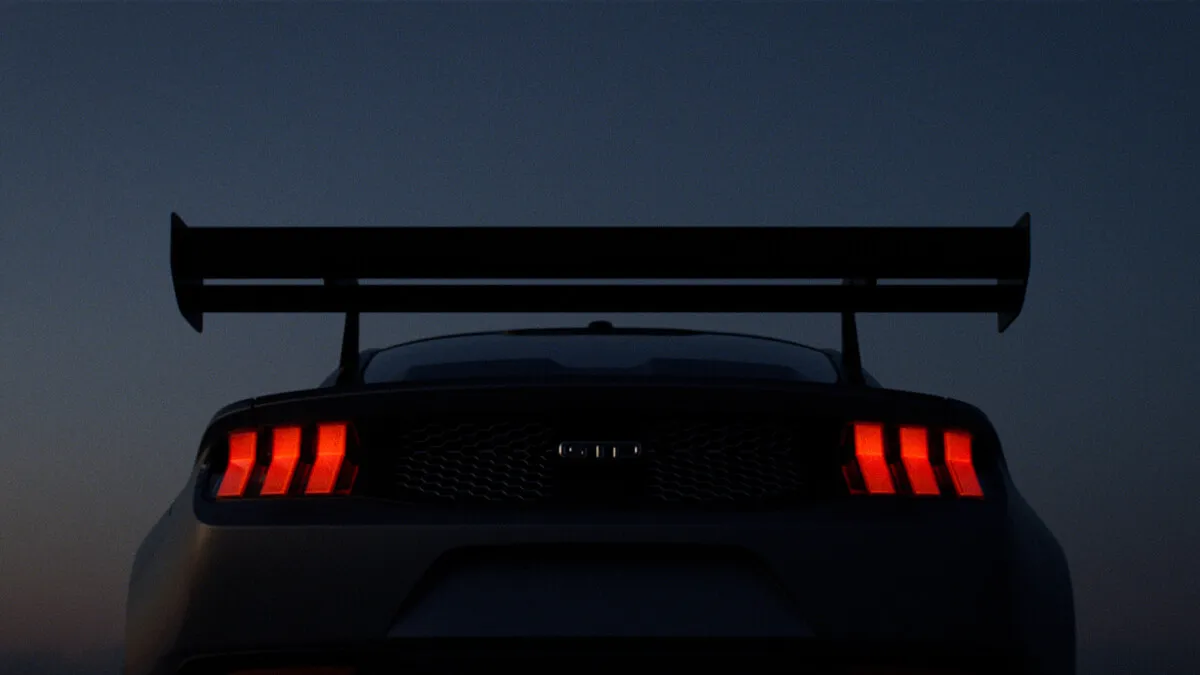
reMarkable Paper Pro, Ford Mustang GTD, OpenAI Images 2.0, Canva Affinity, Robinhood
London/LA design-and-direction studio: restraint as spectacle, single hero objects rendered to advertising-grade studio finish.
-
adidas Terrex Agravic, adizero Boston, Weleda Skin Food, Nike Vapormax, BMW Concept i4
Munich studio with a deep Cinema 4D / Houdini / Octane pipeline and in-house 3D scanning, building photoreal product packshots and material studies.
-
Tiffany & Co. Holiday Icons (2024), Volvo Tech Films (2024), Deloitte CyberSphere (2024), Nucor (2023), Cash App (2023)
Toronto/Sao Paulo design-and-animation studio pushing material elegance and Houdini-grown motion toward hyperreal product CG.
-
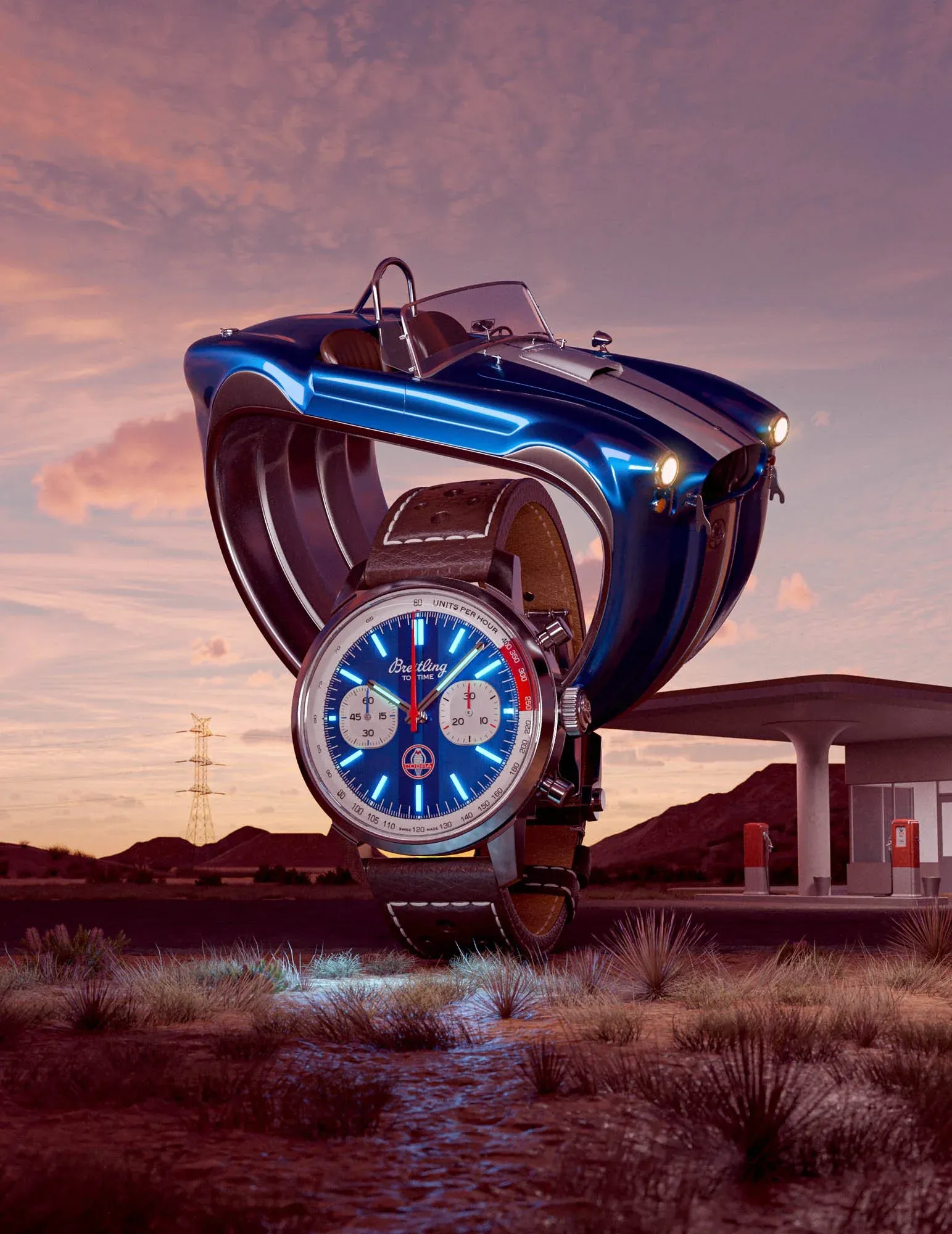
Garden of Eames (2019), Pool Pictures (2020-24), Lamborghini Diablo (2020), Breitling Top Time (2023), Plywood Paradise (2024)
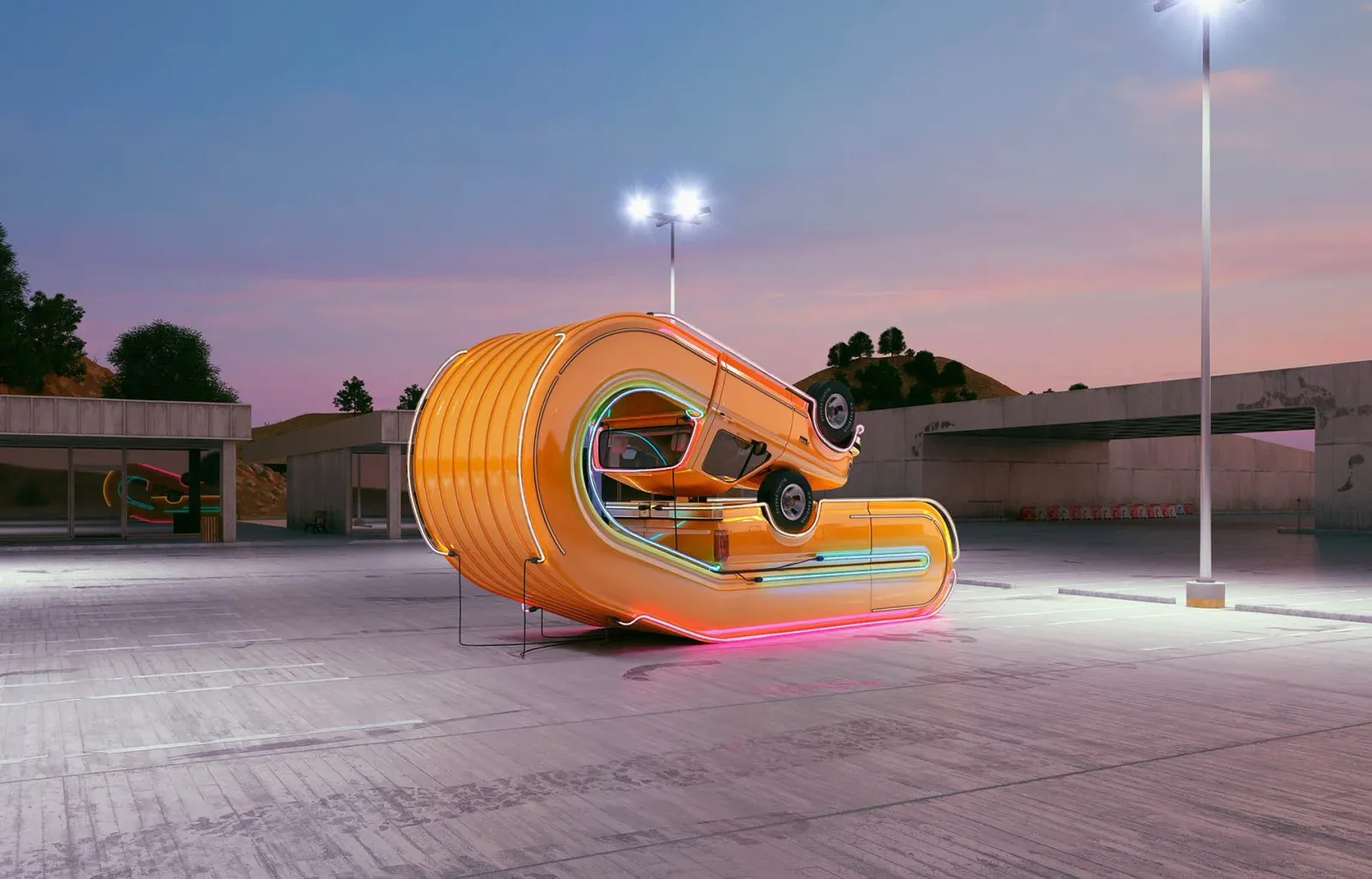
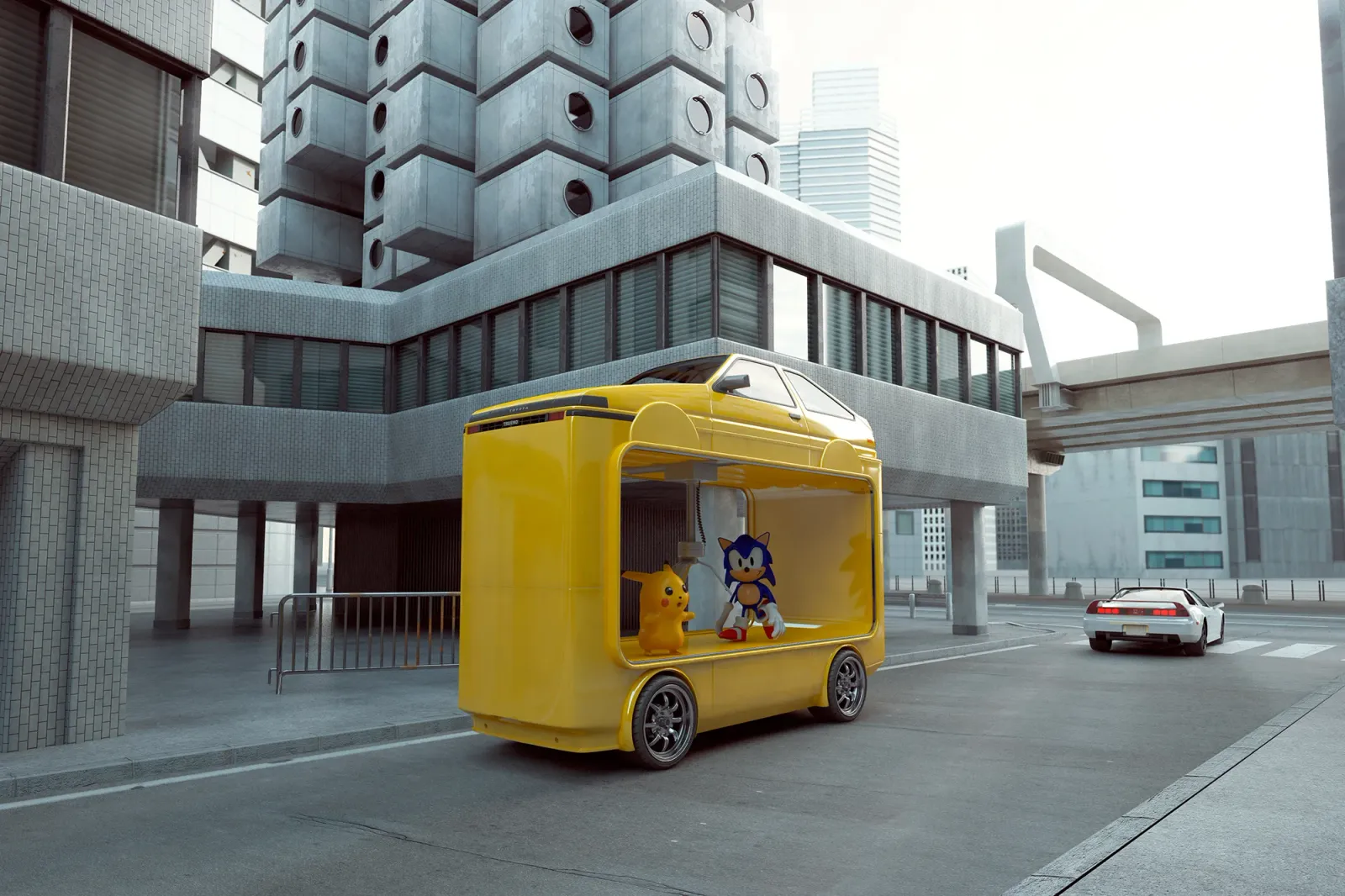
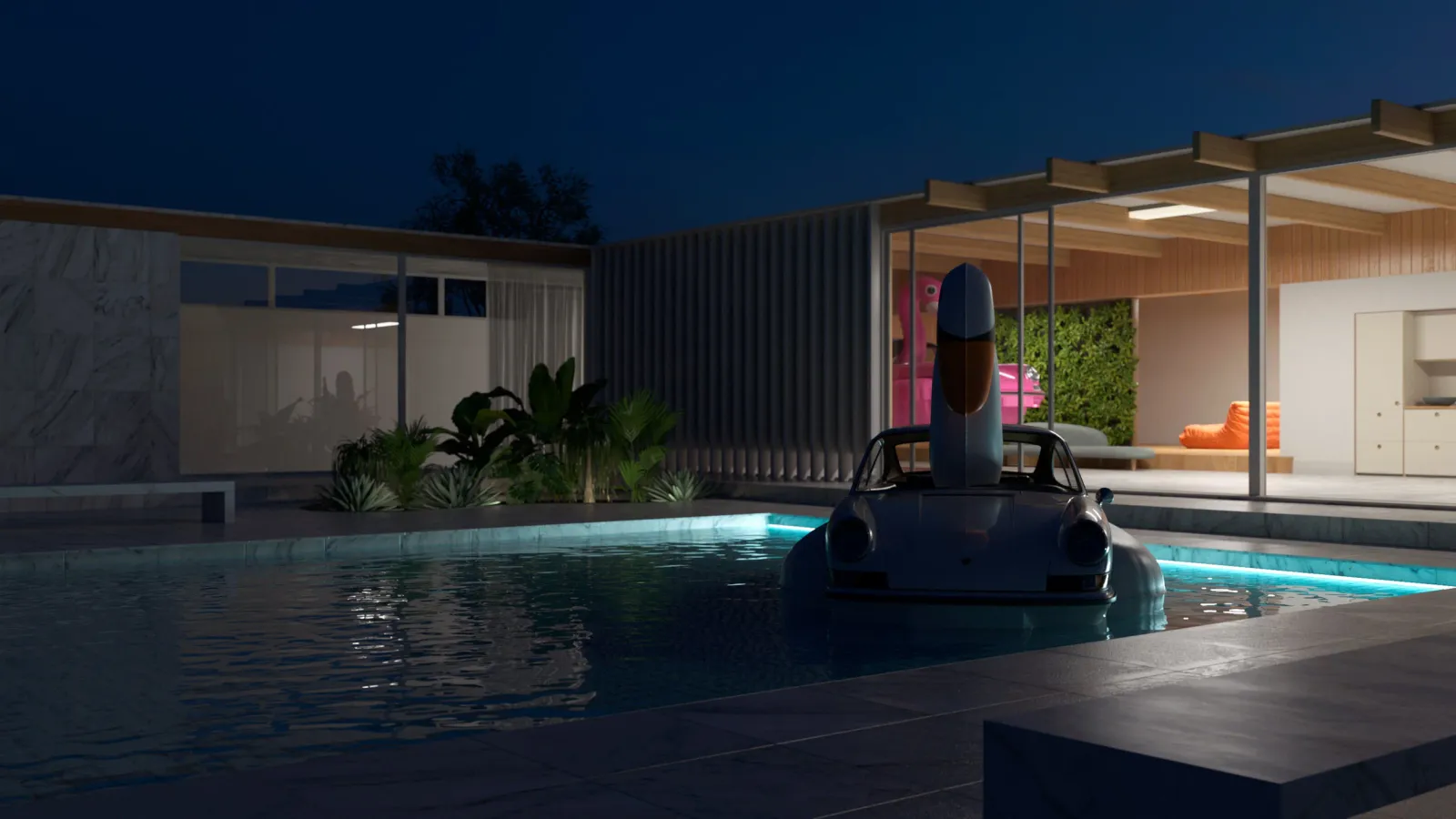
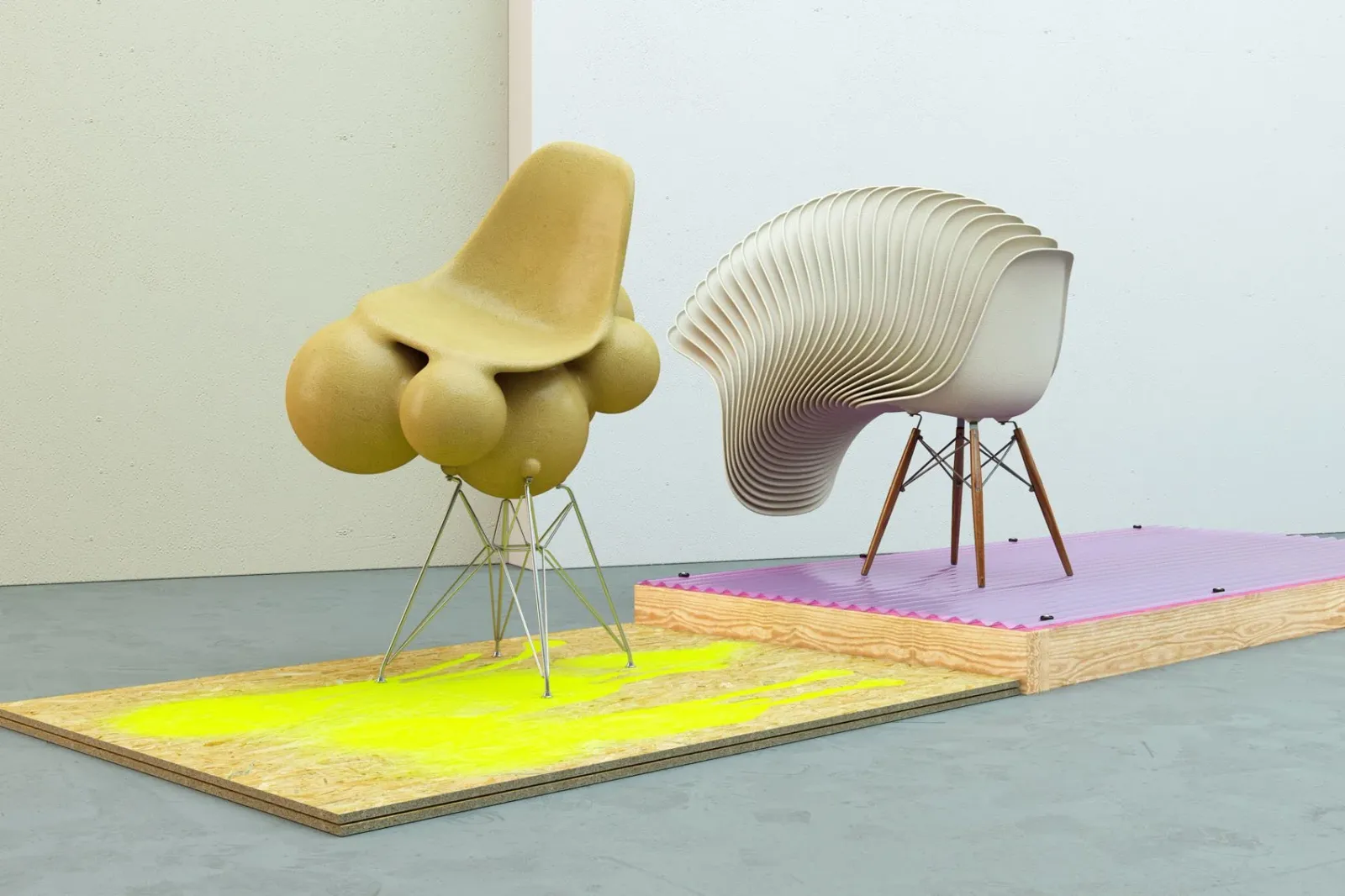
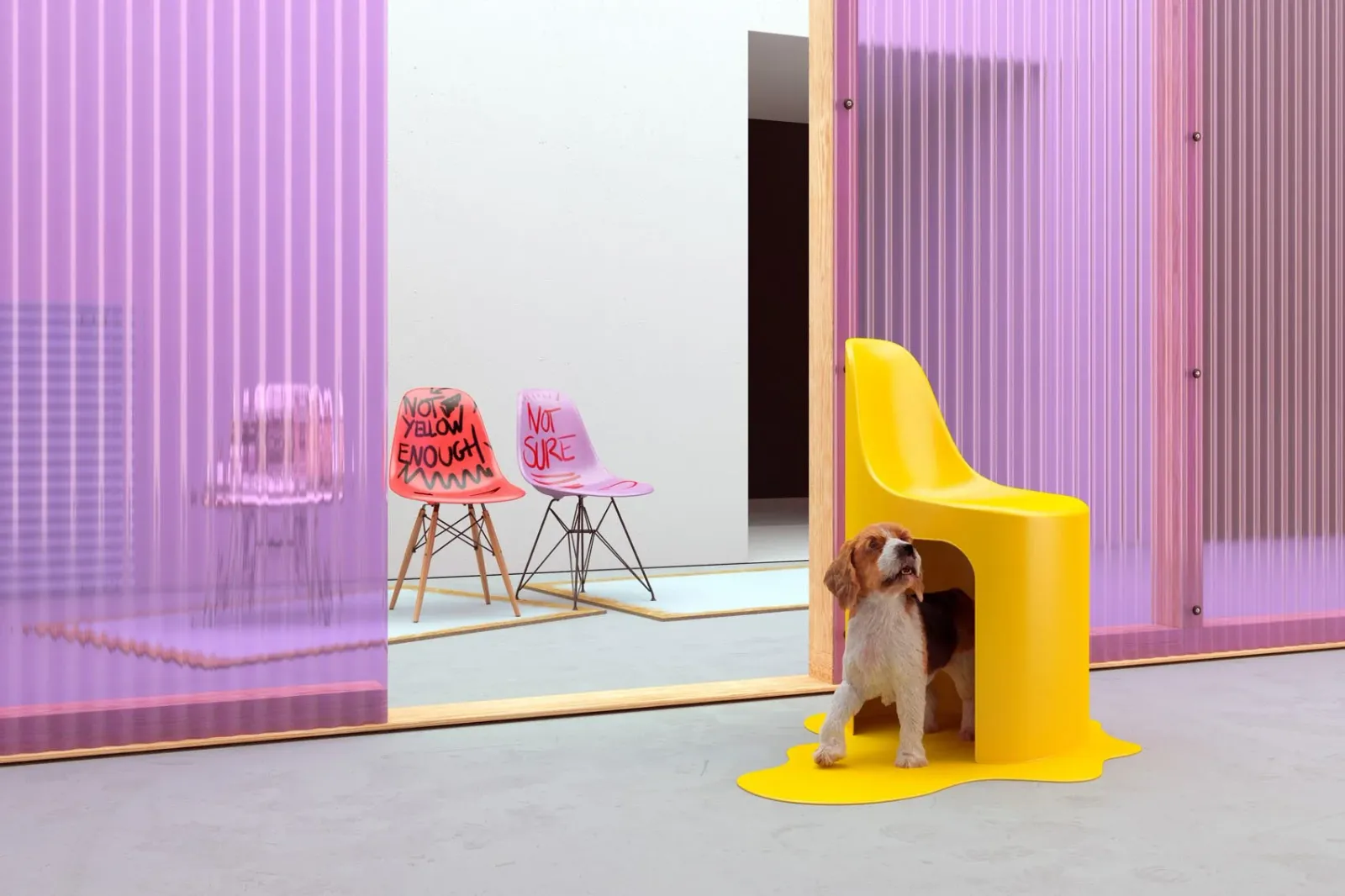
Solo CGI artist who warps and stretches cars and design objects into glossy, photoreal surreal sculptures rendered in immaculate studio light.
-
Graphite, Multi Shot, Gamma, Caliban
Cologne CG artist building obsessively detailed single-frame artworks where material truth — graphite, metal, plastic, grime — is rendered to hyperreal conviction.
-
Content-production studio, London, founded 1991; digital-retouching pioneers turned full-CGI
Trains artists to obey the rules of photography first, then build the whole image in 3D to photographic-grade realism.
-
Fully-CG automotive and hero-product campaigns for premium brands
London/Hamburg studio building fully-CG car and product hero images indistinguishable from a high-end photographic shoot.
-
Title and brand films, Mate Steinforth-led CG spots
German studio (Mate Steinforth) making polished CG brand films where surface, light and motion are tuned to advertising finish.
-
CG-and-photo hybrid advertising imagery for Nike, Microsoft, HP
American artist blending CG and photography so the rendered object out-photographs the photograph beside it.
-
Design-led CG brand films and product launches
London studio making design-led CG films where premium material and lighting craft carries the brand story.
-
High-end CG product and liquid/material studies for drinks and beauty brands
London studio specialising in high-end CG product, liquid and material studies shot to commercial-grade finish.
-
"Oddly Satisfying" looping 3D sculptures; brand collaborations
Swedish artist making clean looping 3D sculptures whose precise materials and motion read as satisfying mechanical perfection.
-
Volumes; Layers; Computations; PlayStation 5 launch art; brand films for Apple, Google, Nike, Samsung
London digital artist (b.1985) making CG 'motion sculptures' from millions of particles, applying physically-based material and lighting craft to brand product films.
-
Entangle; Forms; FITC Tokyo 2015 title sequence; HoloLens 2 brand work; spots via Buck
Seattle computational designer who pairs procedural simulation with photoreal surfacing, rendering plastic, flesh and synthetic materials to physical conviction.
Frames
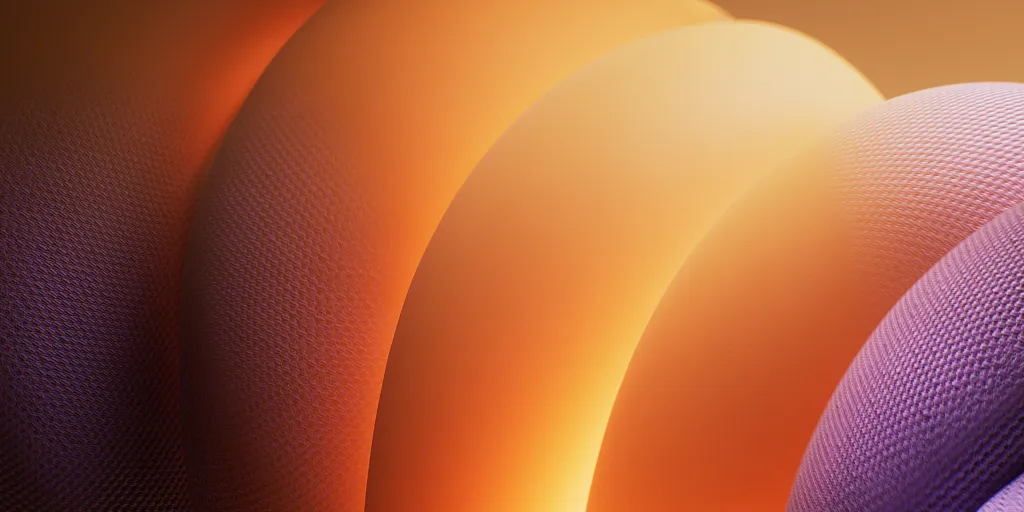
ManvsMachine
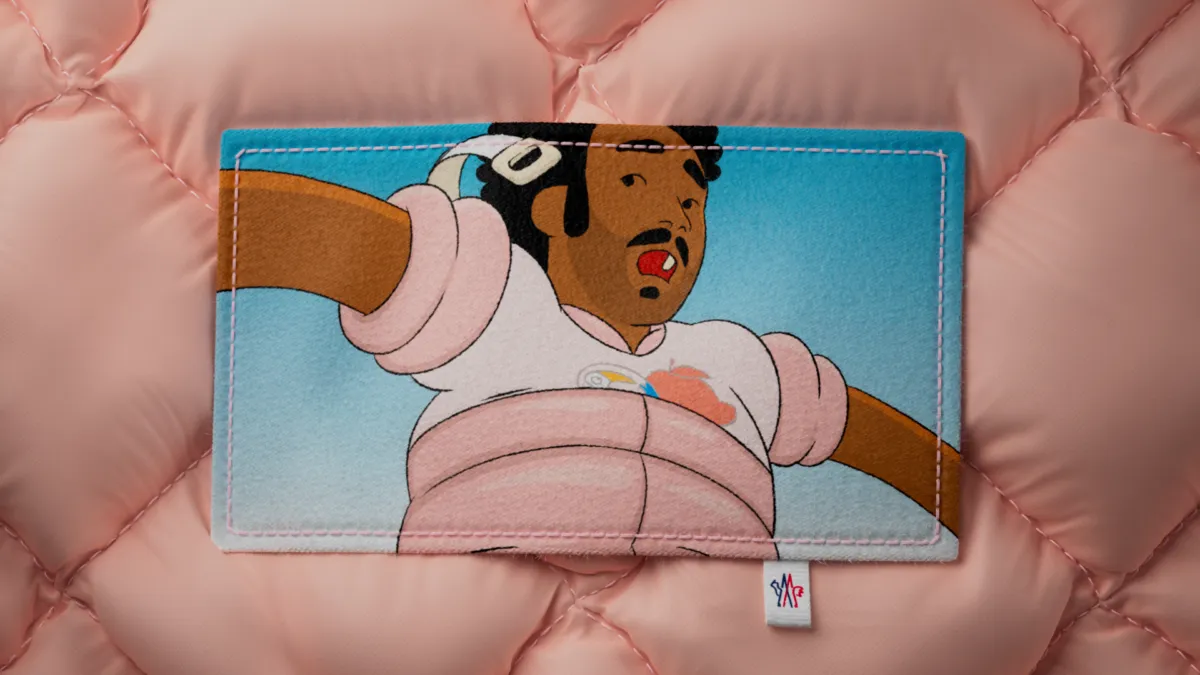
Aixsponza
-

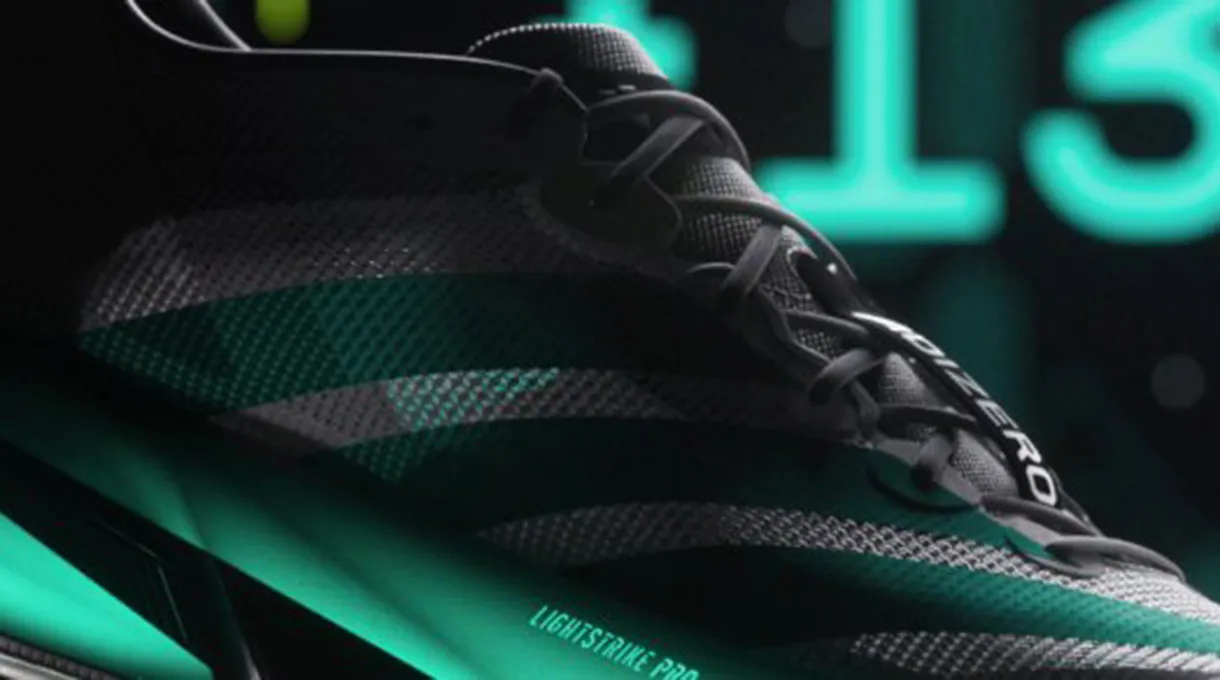
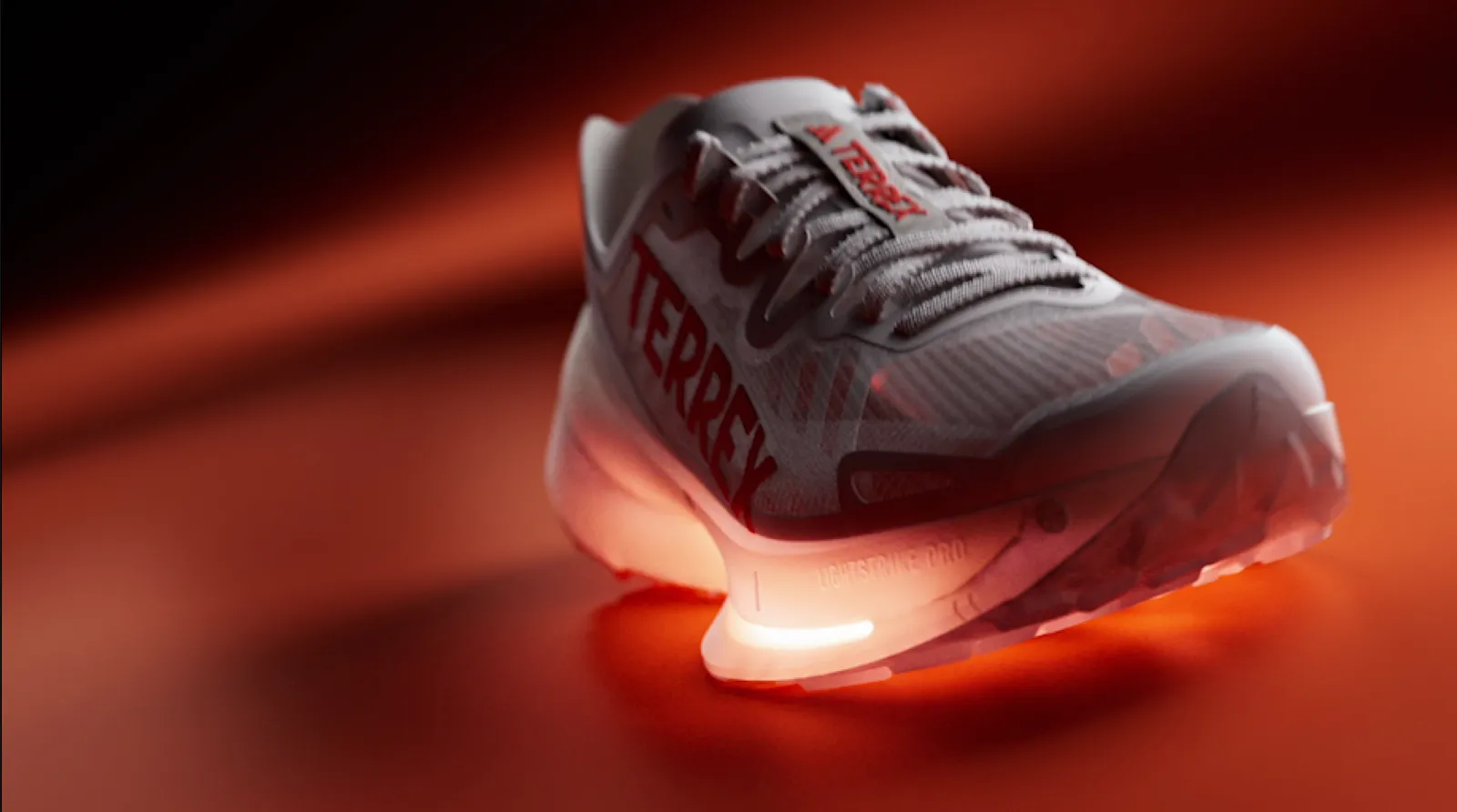
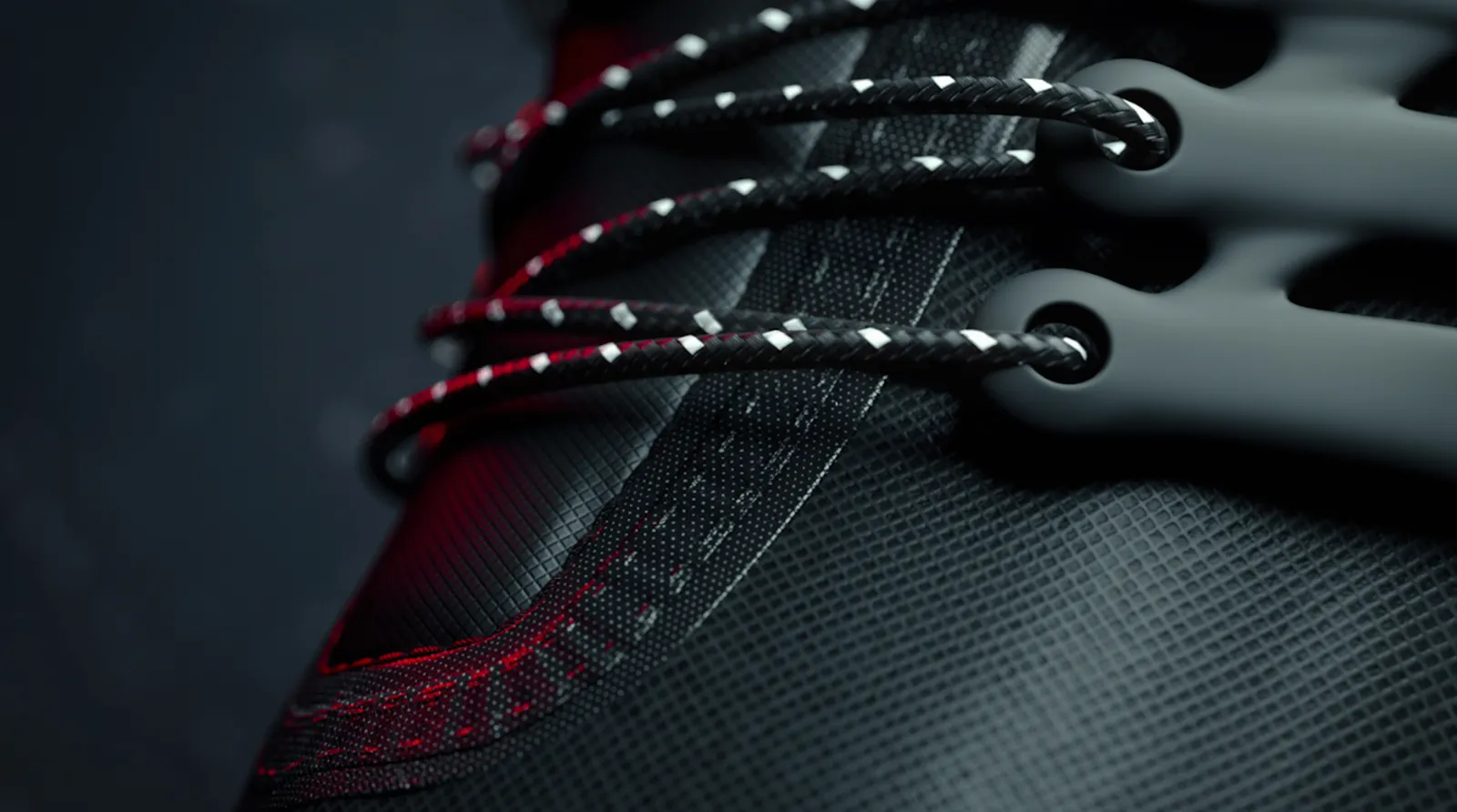
adidas Terrex Agravic · Aixsponza · Source -
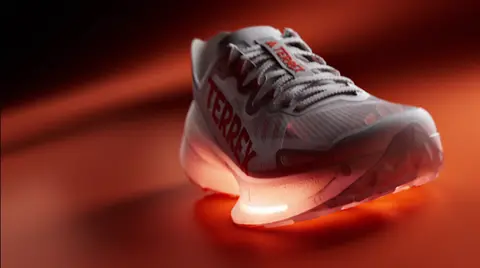
adizero Boston · Aixsponza · Source -

Weleda Skin Food · Aixsponza · Source -

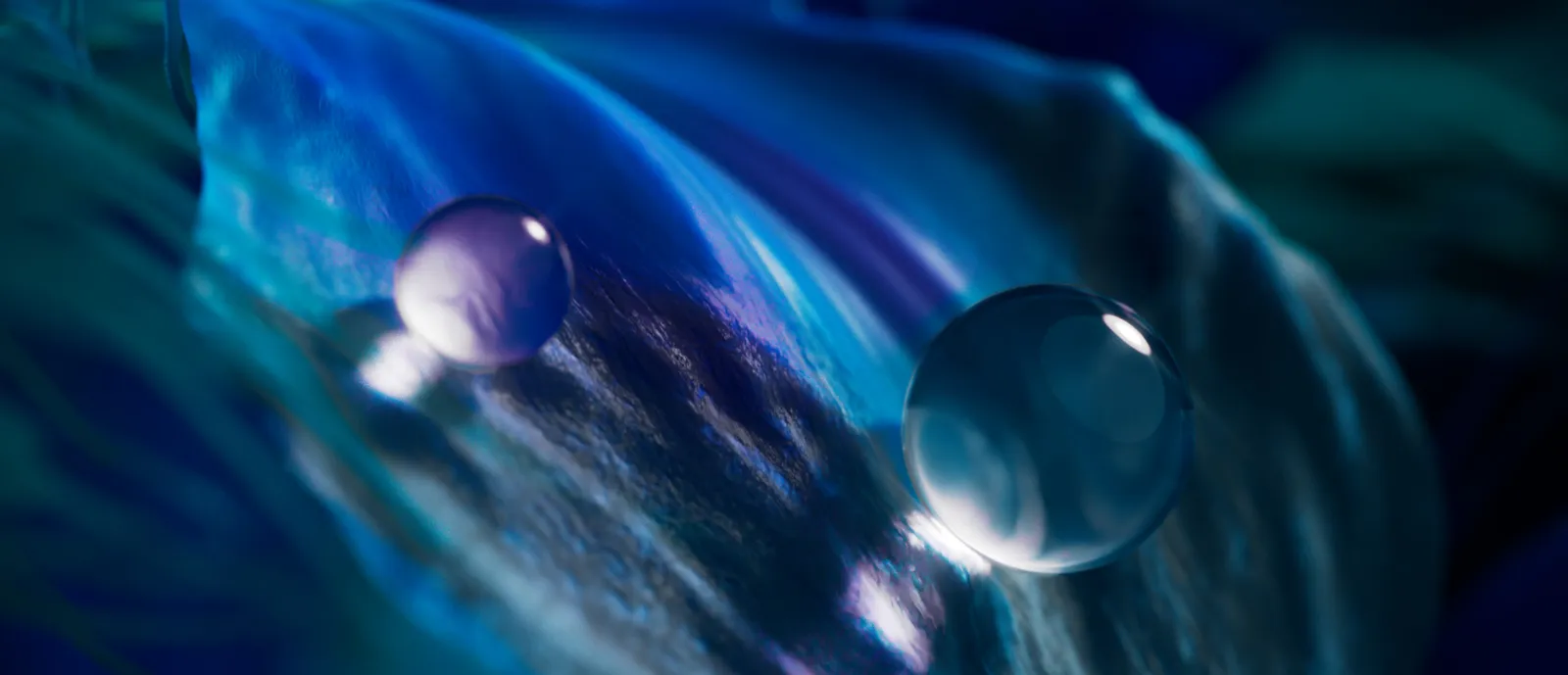
Weleda Blue Gentian · Aixsponza · Source -

Weleda Lotus Face · Aixsponza · Source -

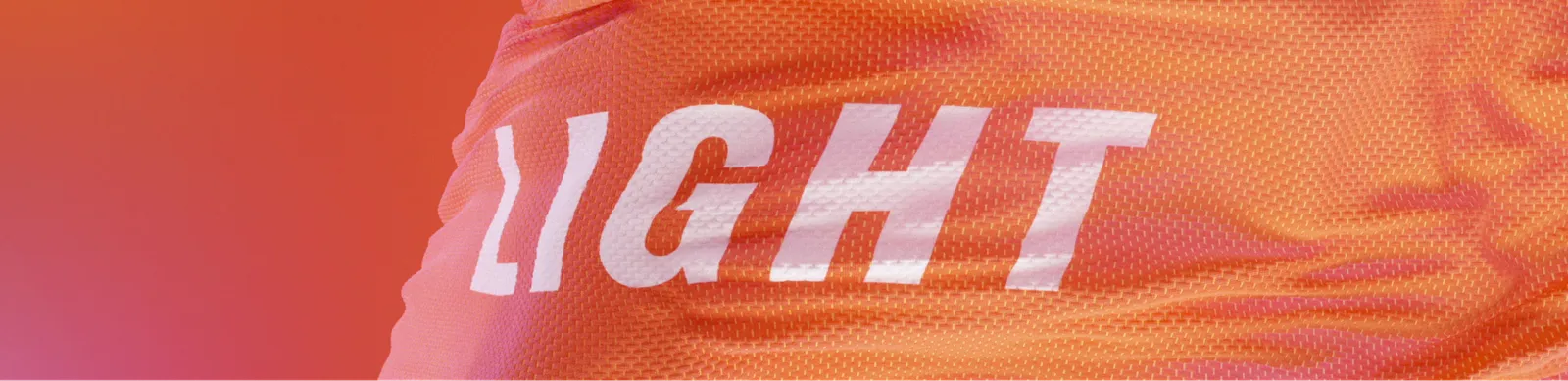
Nike Vapormax Mesh · Aixsponza · Source -
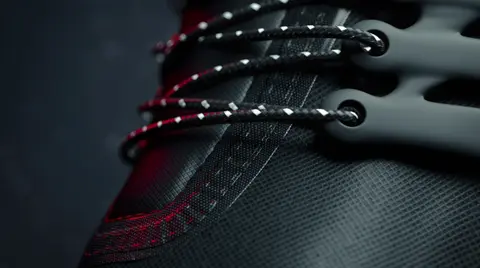
Nike Presto Sneakerboot · Aixsponza · Source -

BMW Concept i4 · Aixsponza · Source


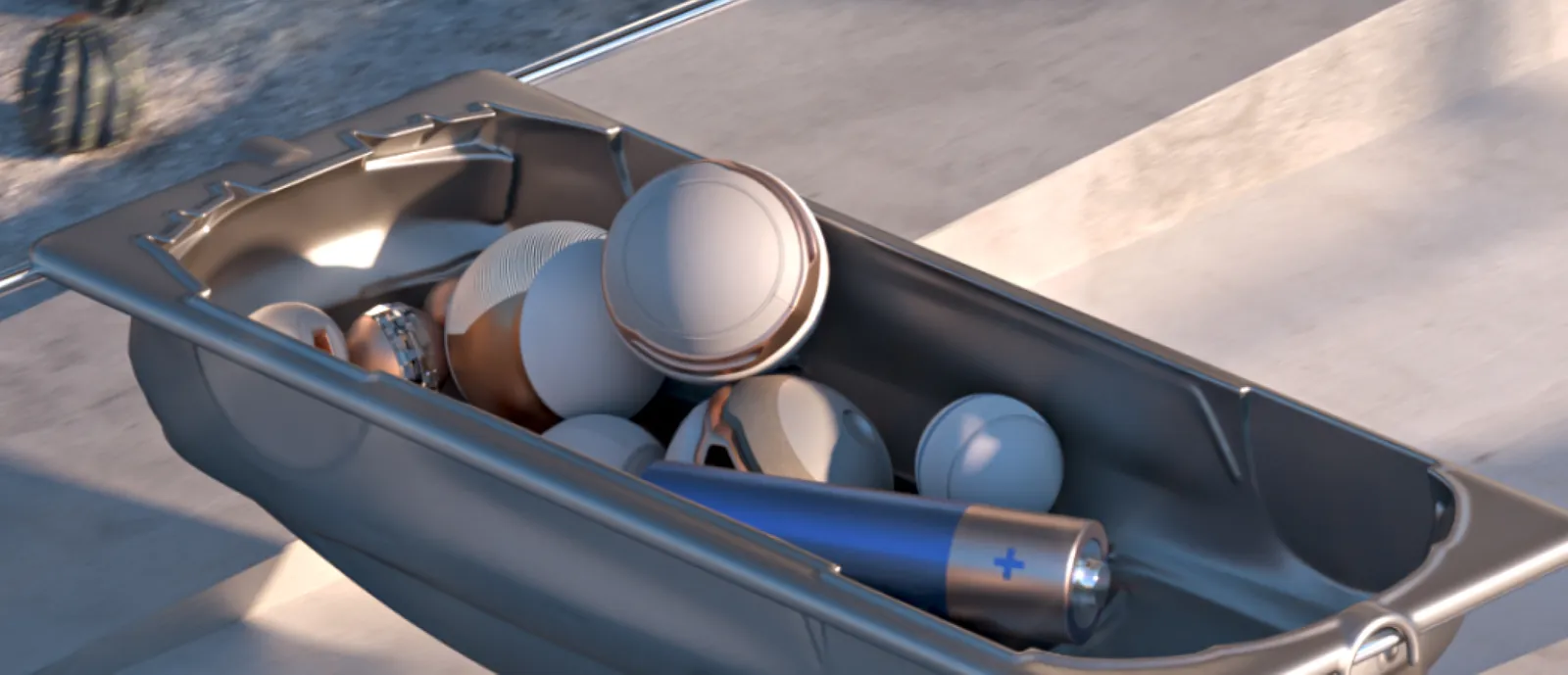
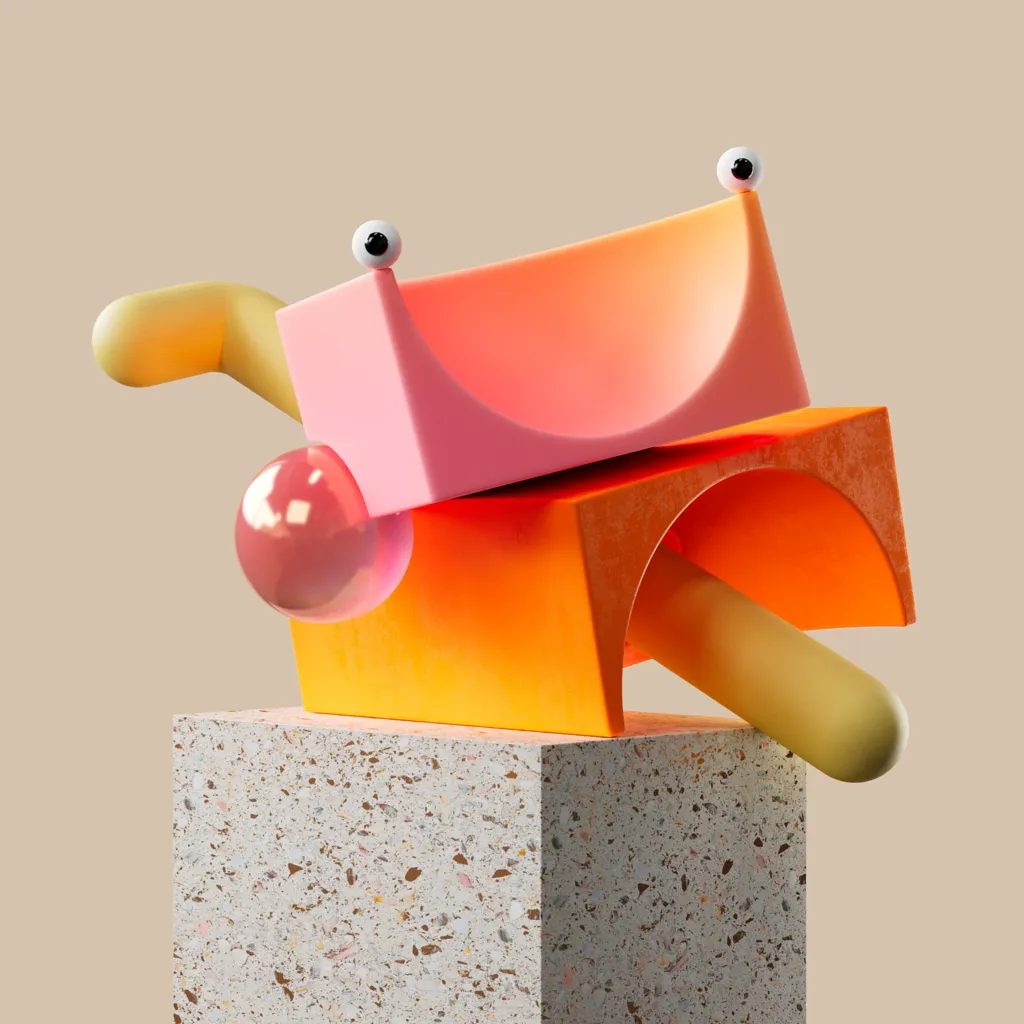
Tendril
-

Tiffany & Co. Holiday Icons (2024) · Tendril · Source -

Volvo Tech Films (2024) · Tendril · Source -
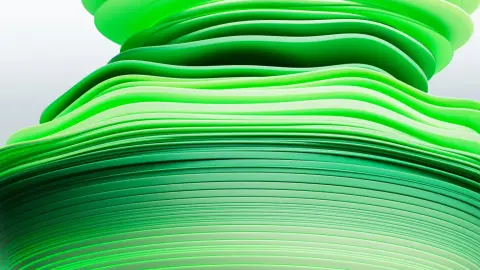
Deloitte CyberSphere (2024) · Tendril · Source -
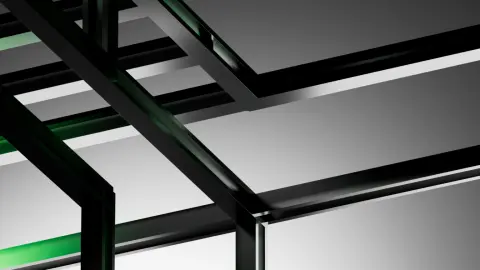
Nucor (2023) · Tendril · Source -
Cash App (2023) · Tendril · Source -

Microsoft Avatars (2022) · Tendril · Source -

Heineken biaxis styleframe (2023) · Tendril · Source

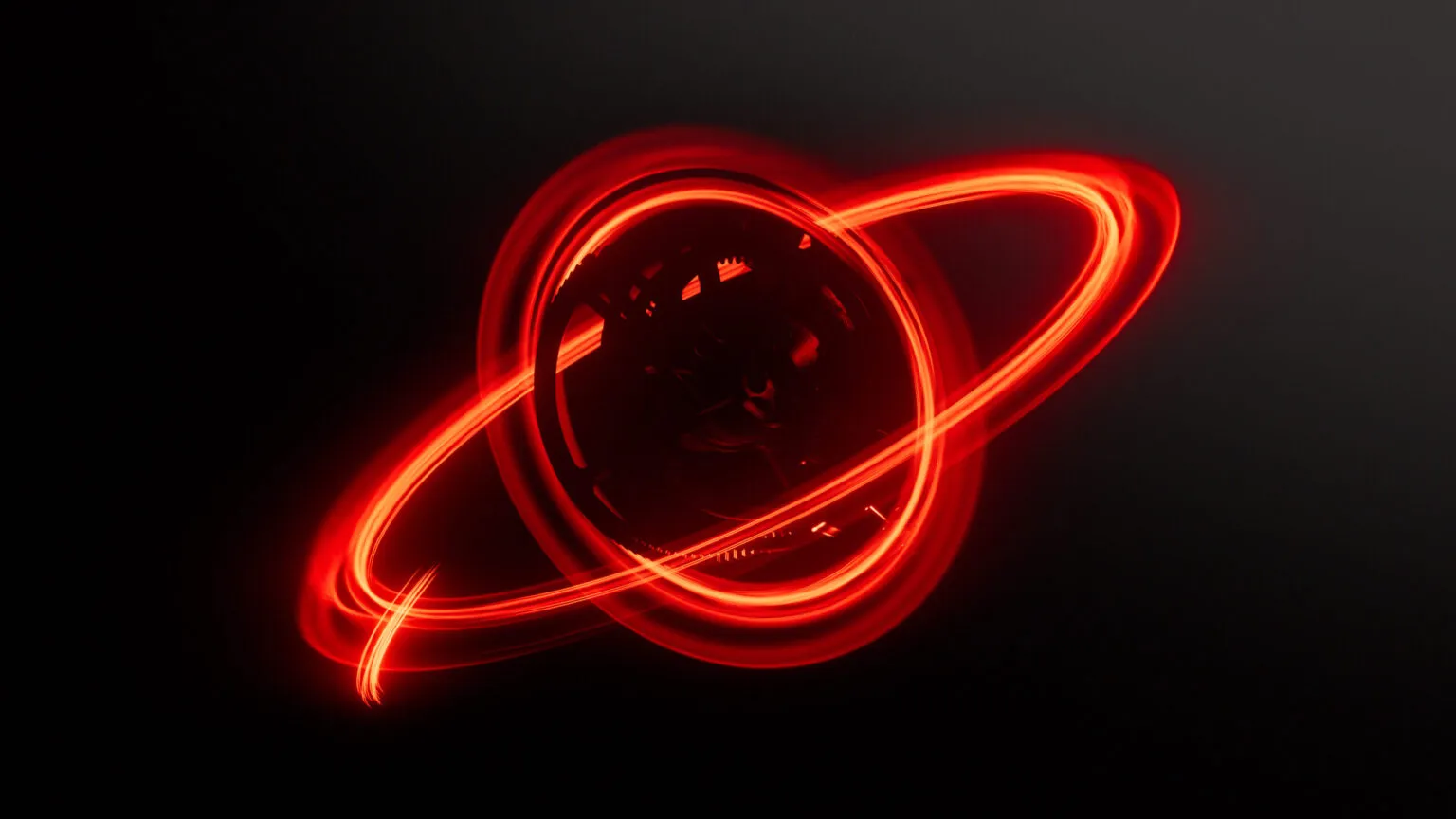
Chris LaBrooy
-
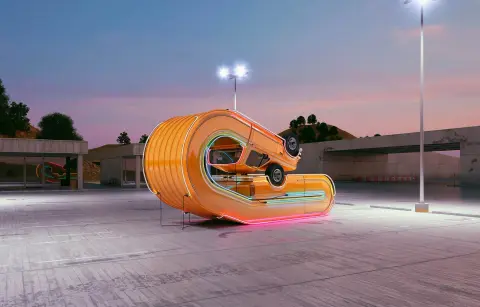
Tales of Auto Elasticity (2014) · Chris LaBrooy · Source -

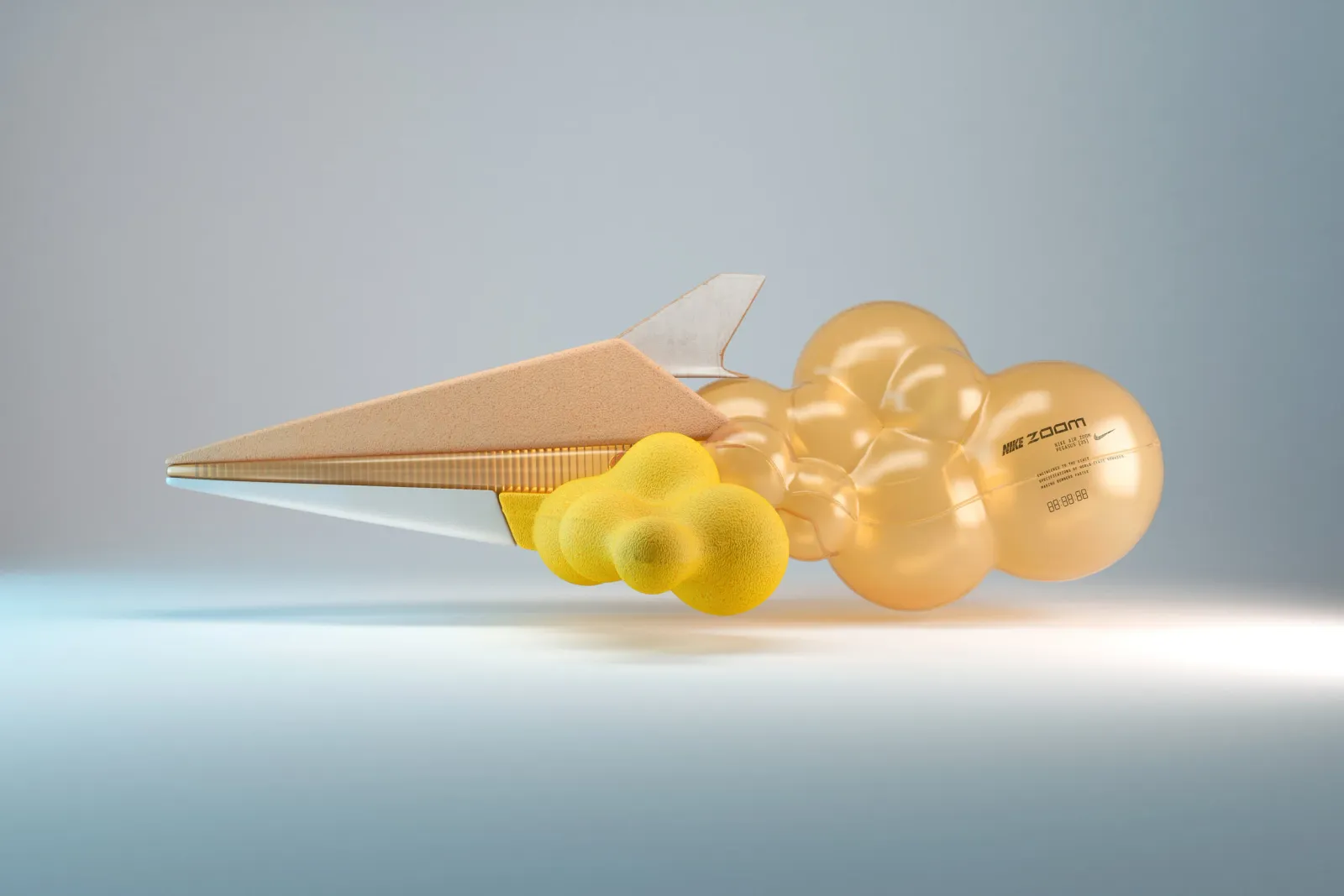
Pegasus prototype study · Chris LaBrooy · Source -

Tokyo car series · Chris LaBrooy · Source -
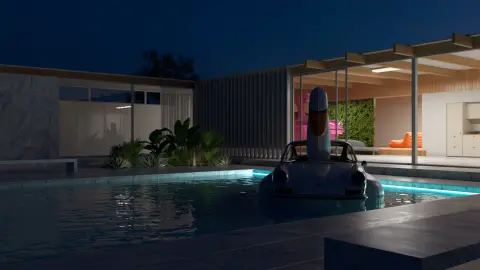
Pool series · Chris LaBrooy · Source -
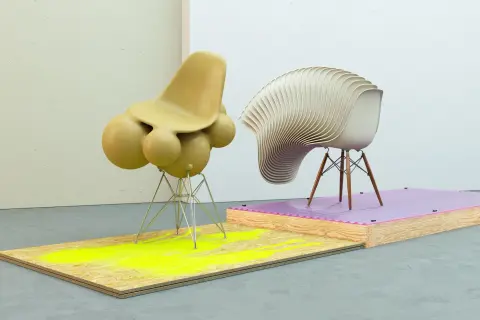
Garden of Eames (2019) · Chris LaBrooy · Source -
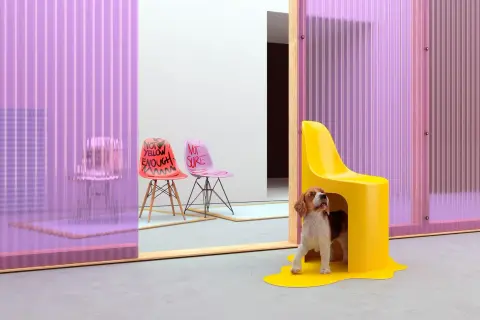
Garden of Eames (2019) · Chris LaBrooy · Source -
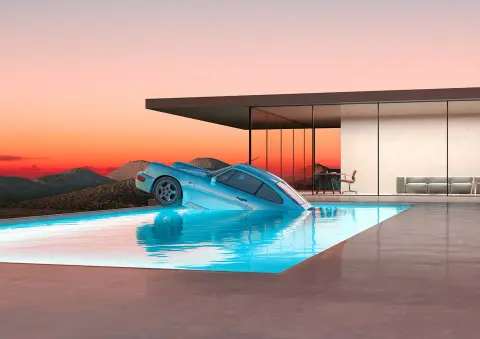
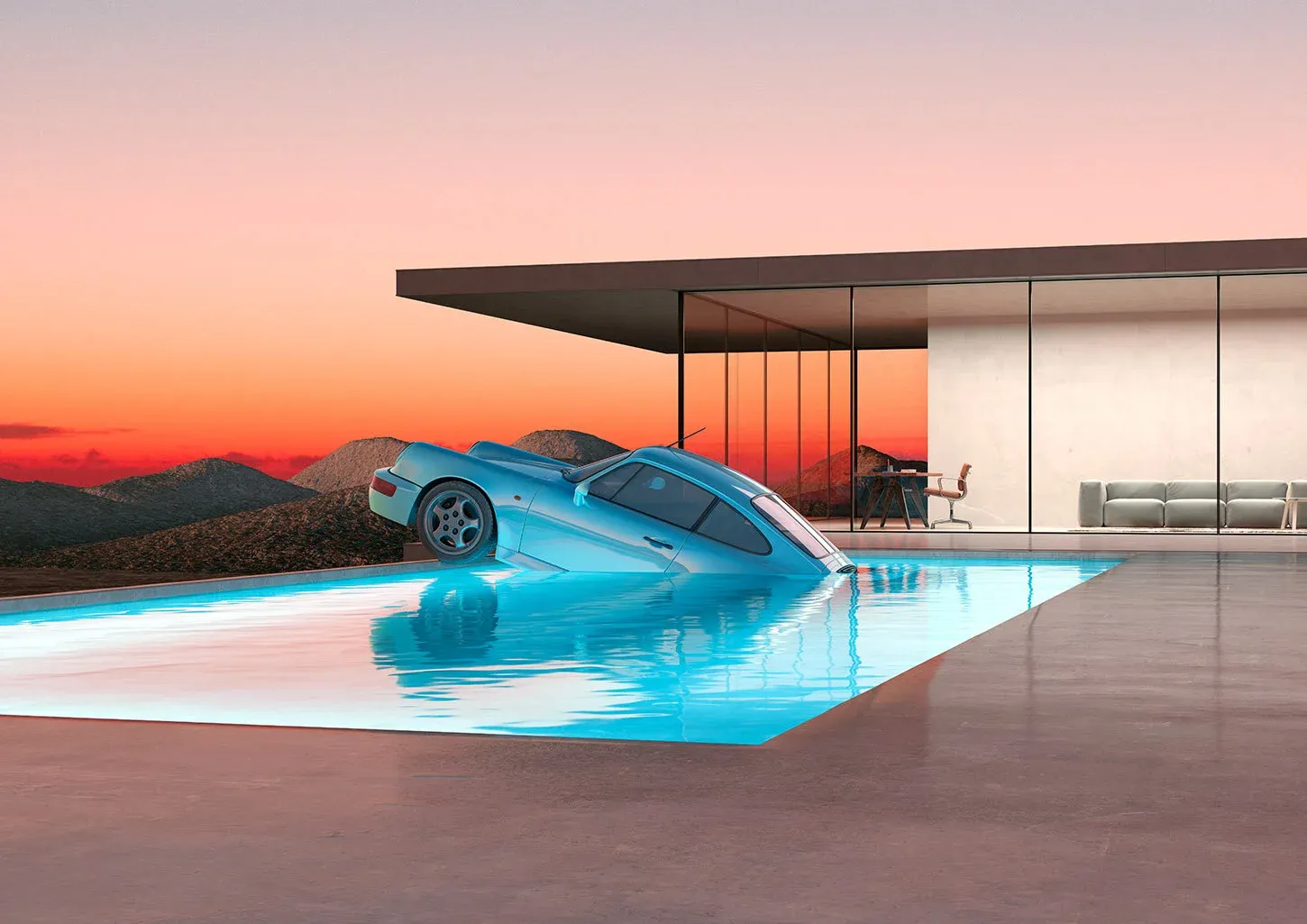
Pool Pictures — 964 in a pool (2020-24) · Chris LaBrooy · Source -

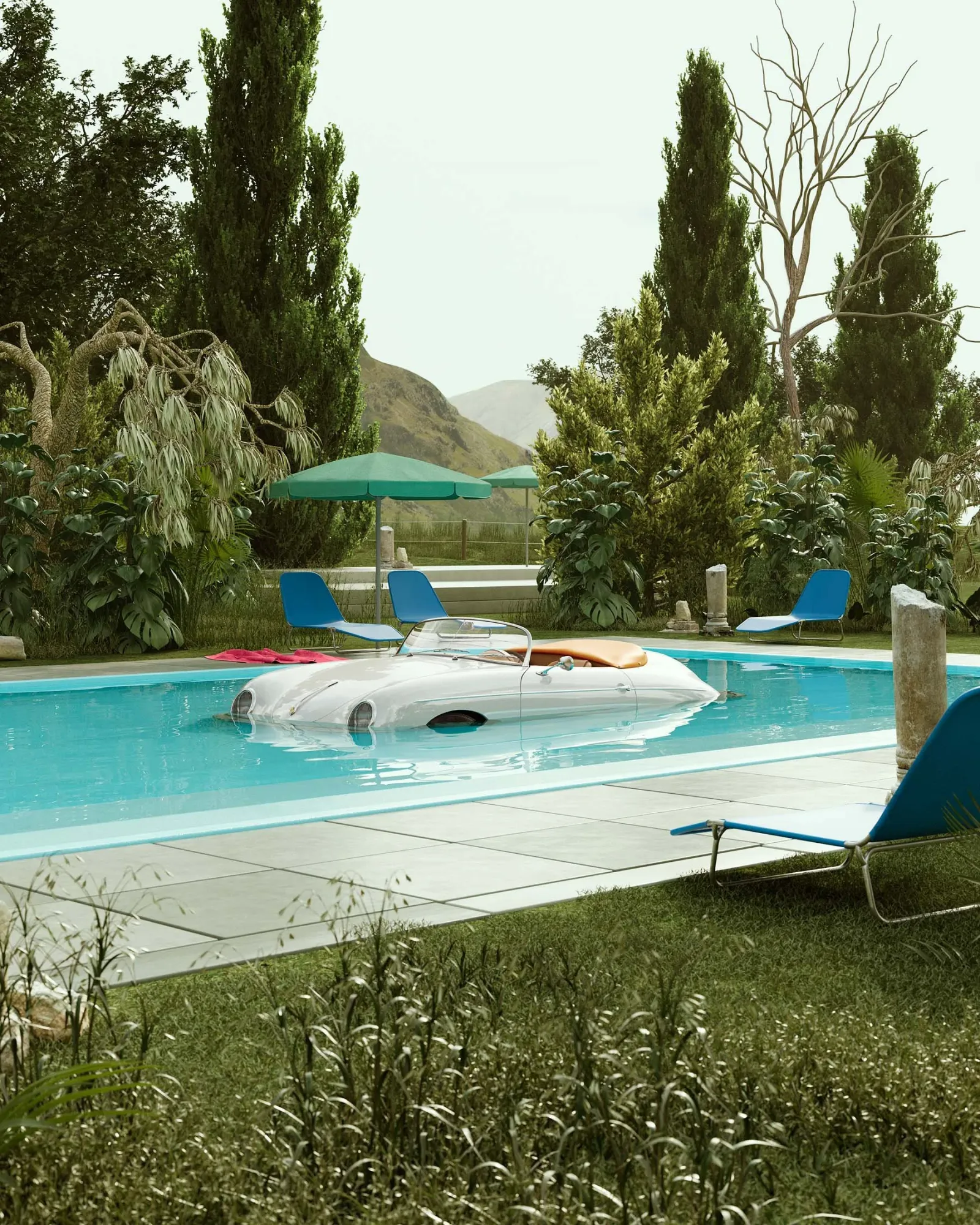
Pool Pictures — white 356 in a pool (2020-24) · Chris LaBrooy · Source -

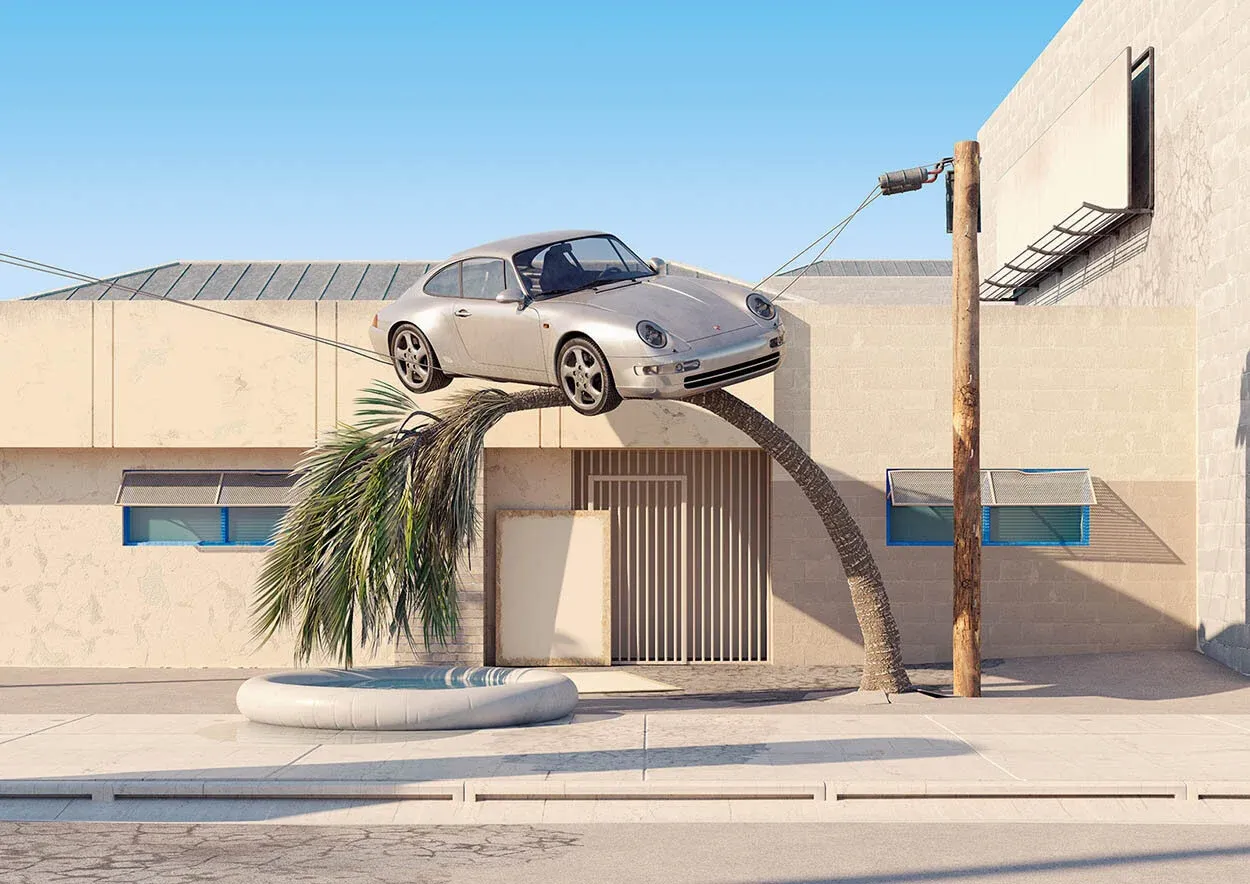
Pool Pictures — 993 on a palm tree (2020-24) · Chris LaBrooy · Source -
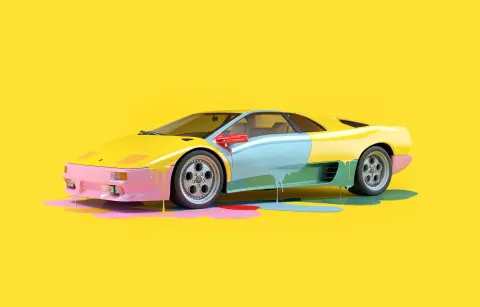
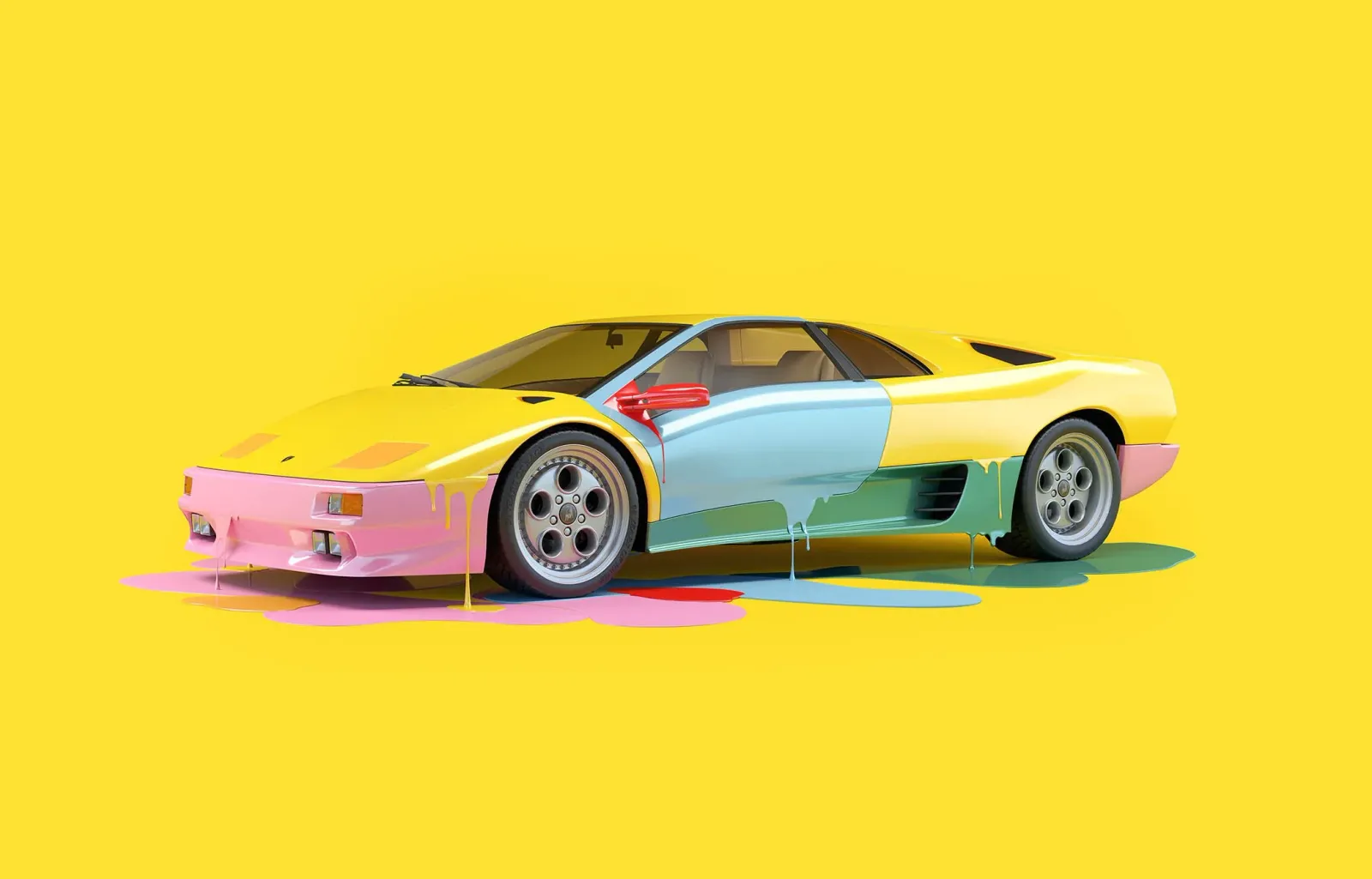
Lamborghini Diablo (2020) · Chris LaBrooy · Source -
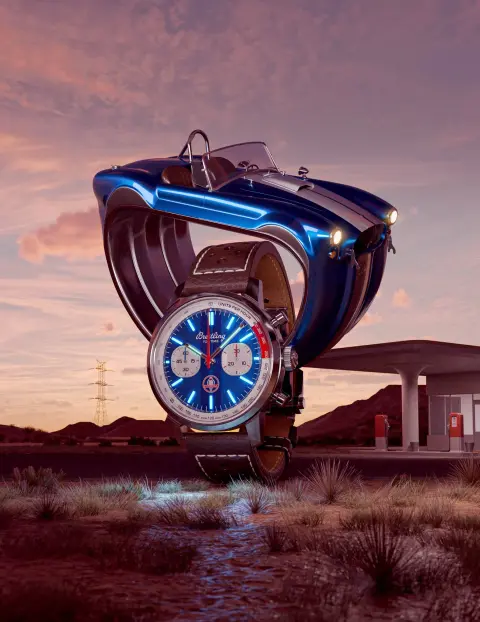
Breitling Top Time (2023) · Chris LaBrooy · Source


Techniques
- physically-based rendering (PBR)
- studio lighting & HDRI setups
- subsurface scattering & accurate reflections
- high-resolution displacement & micro-detail
- procedural & scanned materials
- path-traced global illumination
- depth-of-field & lens emulation
- compositing & color grading to photographic finish
Tools
- Cinema 4D
- Houdini
- Octane
- Redshift
- Arnold
- V-Ray
- ZBrush
- Substance
- Nuke
What to take from it
Light like a photographer, not a 3D artist
Reach for big soft area lights, HDRI environments and reflection cards before point lights. Shape the highlight roll-off and the dark side of the object; a believable render is a lighting problem, not a shader problem.
Edges and roughness sell the lie
Never leave a perfectly sharp 90-degree edge; a tiny bevel gives a specular catch that reads as manufactured. Break uniform roughness with subtle smudge, fingerprint and micro-scratch maps so surfaces feel touched rather than computed.
Move slow and finish in comp
Use a slow, deliberate camera and shallow depth of field to imply scale and preciousness. Render in passes and grade in Nuke or After Effects, adding bloom, chromatic aberration and fine grain so the clinical CG image inherits the imperfections of a real lens.