Atlas
Atlas indexVolumetric / NeRF & Gaussian-Splat Cinema
Capture the radiance, fly a camera through it.
- nerf
- gaussian-splatting
- photogrammetry
- lidar
- point-cloud
- radiance-fields
- volumetric-capture
- novel-view-synthesis
What it is
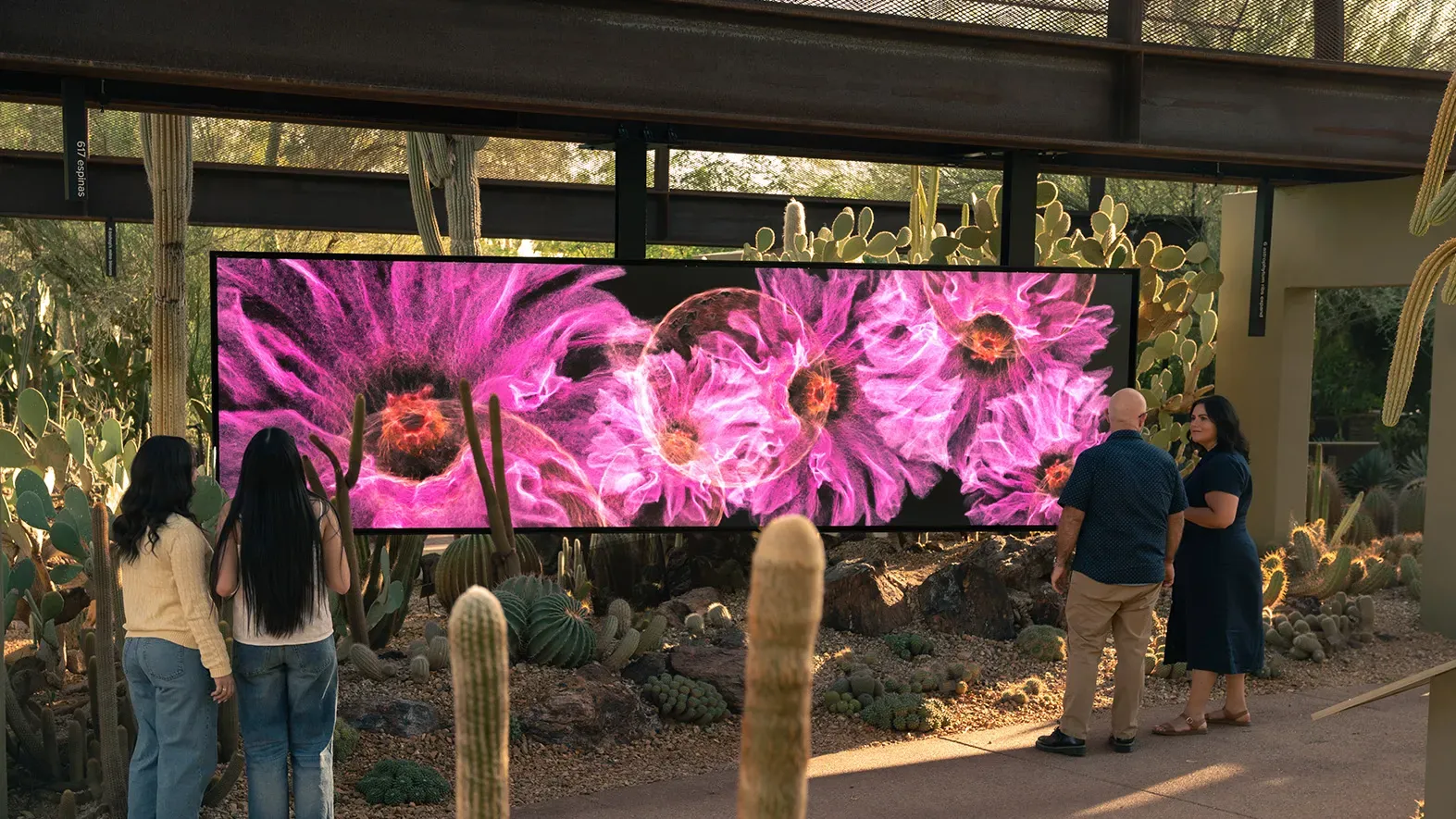
A capture-and-reconstruct school where the image is neither modeled nor diffused nor conventionally filmed, but recovered as a radiance volume that a virtual camera moves through after the fact. A scene is recorded from many viewpoints — photos, laser pulses, depth frames — then solved into a point cloud, neural field or set of 3D Gaussians whose color and density can be re-rendered from any angle. The native look comes from the reconstruction itself: floating outlier 'floaters', soft fuzz at silhouette edges, point shimmer, and frozen-moment parallax where a single instant holds full spatial depth. It spans the whole family from photogrammetry and LiDAR through NeRF to 3D Gaussian splatting.
How it is made
Capture from many viewpoints
The source is a dense set of overlapping observations of one scene: a ring of photos or video frames, sweeps from a rotating LiDAR, or color-plus-depth frames from a sensor. Coverage and parallax matter more than any single 'good shot' — every surface must be seen from several angles, because the angles are what reconstruct depth. Camera positions are usually unknown at this stage.
Solve poses, then a volume
Structure-from-Motion (COLMAP) recovers where each camera was by matching features across frames. From those poses the scene is fit into a representation: a point cloud or mesh (photogrammetry), an implicit neural field that maps a 5D coordinate to color and density (NeRF), or millions of anisotropic 3D Gaussians with position, covariance, color and opacity (Gaussian splatting). Training is an optimization that minimizes the difference between rendered and captured views.
Render and fly through
Once solved, the volume is re-rendered from new virtual cameras the original capture never occupied — that is the whole point of novel-view synthesis. Gaussian splats rasterize in real time, NeRFs query the network along rays, point clouds composite as sprites. The camera move is authored in post, so a frozen instant can be orbited, pushed through walls, or held while parallax does the work.
Where it comes from
Photogrammetry and the scan as image (2000s)
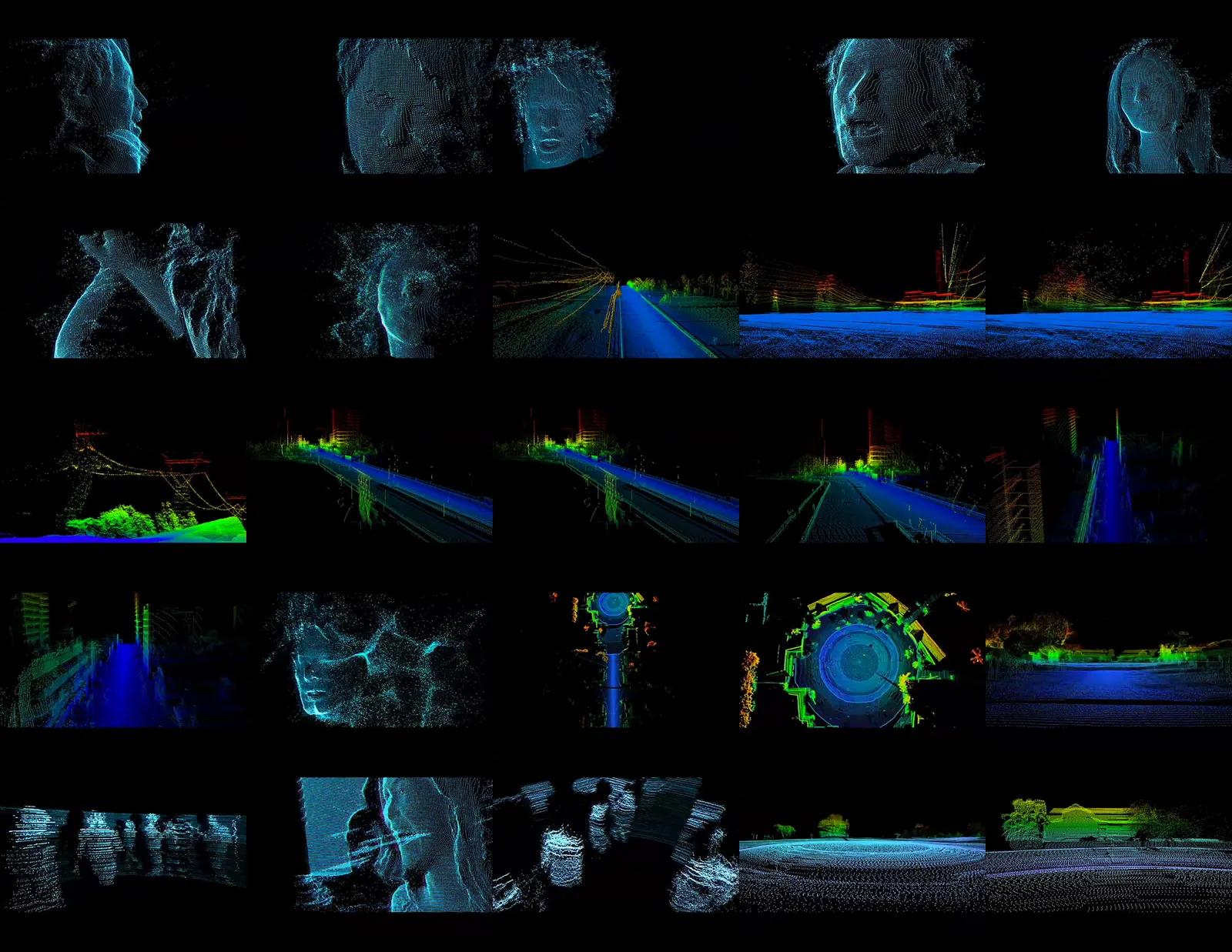
Structure-from-Motion and multi-view stereo turned overlapping photographs into 3D points and meshes; LiDAR brought direct laser ranging. Radiohead's 'House of Cards' (2008), directed by James Frost with Aaron Koblin as technical director, was shot with Velodyne LiDAR and Geometric Informatics structured-light scanners and no camera at all, then released as open-source point-cloud data. ScanLAB Projects, founded 2010 in London, established the point cloud as a deliberate artistic medium.
NeRF makes the volume neural (2020)
Mildenhall, Srinivasan, Tancik, Barron, Ramamoorthi and Ng published 'NeRF: Representing Scenes as Neural Radiance Fields for View Synthesis' at ECCV 2020, encoding a whole scene in the weights of a small network queried by ray. It produced photoreal novel views from a handful of photos but was slow to train and render, spawning a wave of accelerations like Instant-NGP.
Gaussian splatting makes it real-time (2023)
Kerbl, Kopanas, Leimkühler and Drettakis published '3D Gaussian Splatting for Real-Time Radiance Field Rendering' at SIGGRAPH 2023, swapping the implicit network for explicit Gaussians that rasterize at over 100 fps at 1080p. Real-time playback and editable primitives moved radiance fields out of the lab and into consumer apps, game engines and compositing pipelines.
Artists
-
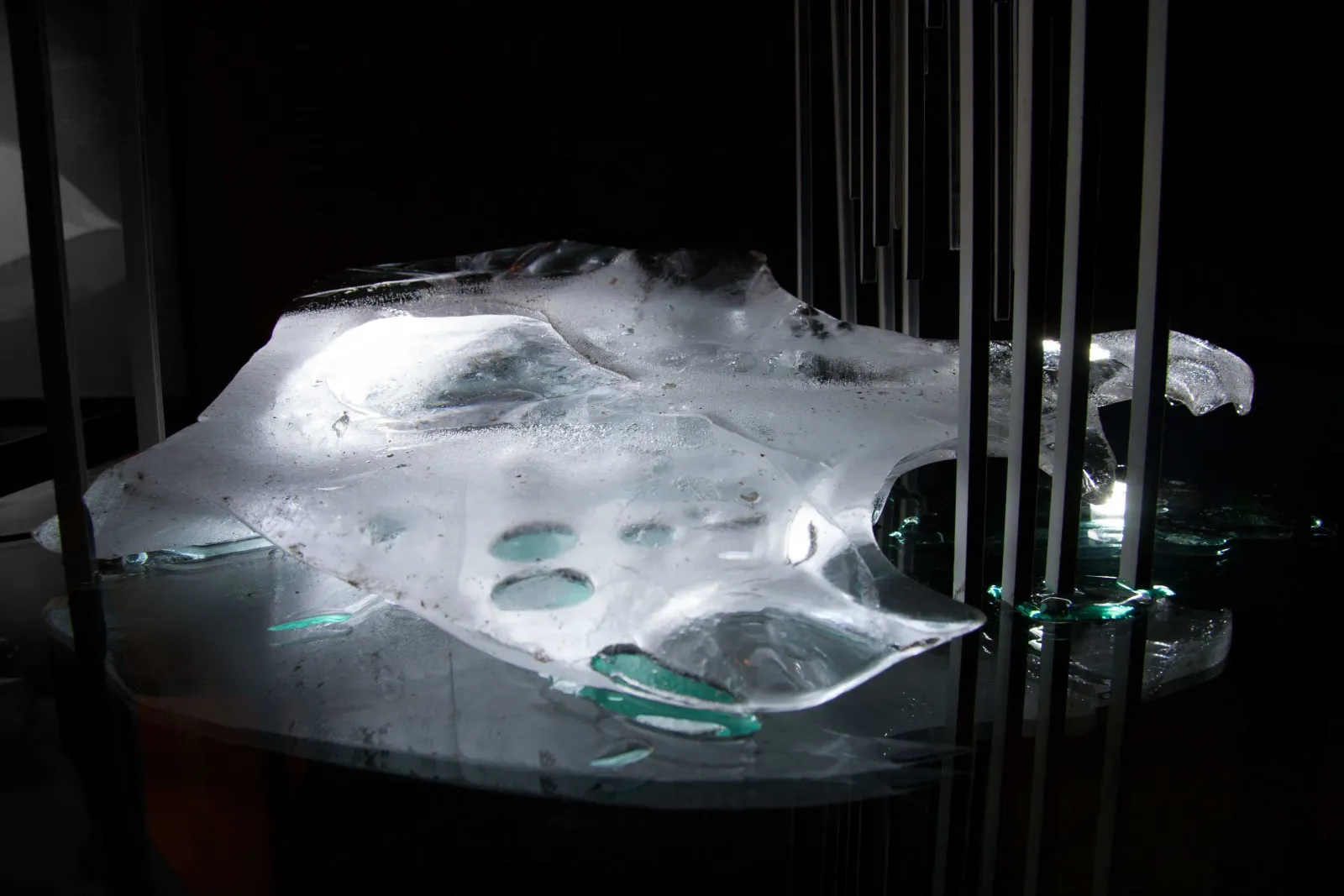
Living Death Camps (2012); Frozen Relic: Arctic Works (2012); Post-lenticular Landscapes (LACMA, 2016); FRAMERATE: Pulse of the Earth (Venice, 2022); FRAMERATE: Desert Pulse (2025)
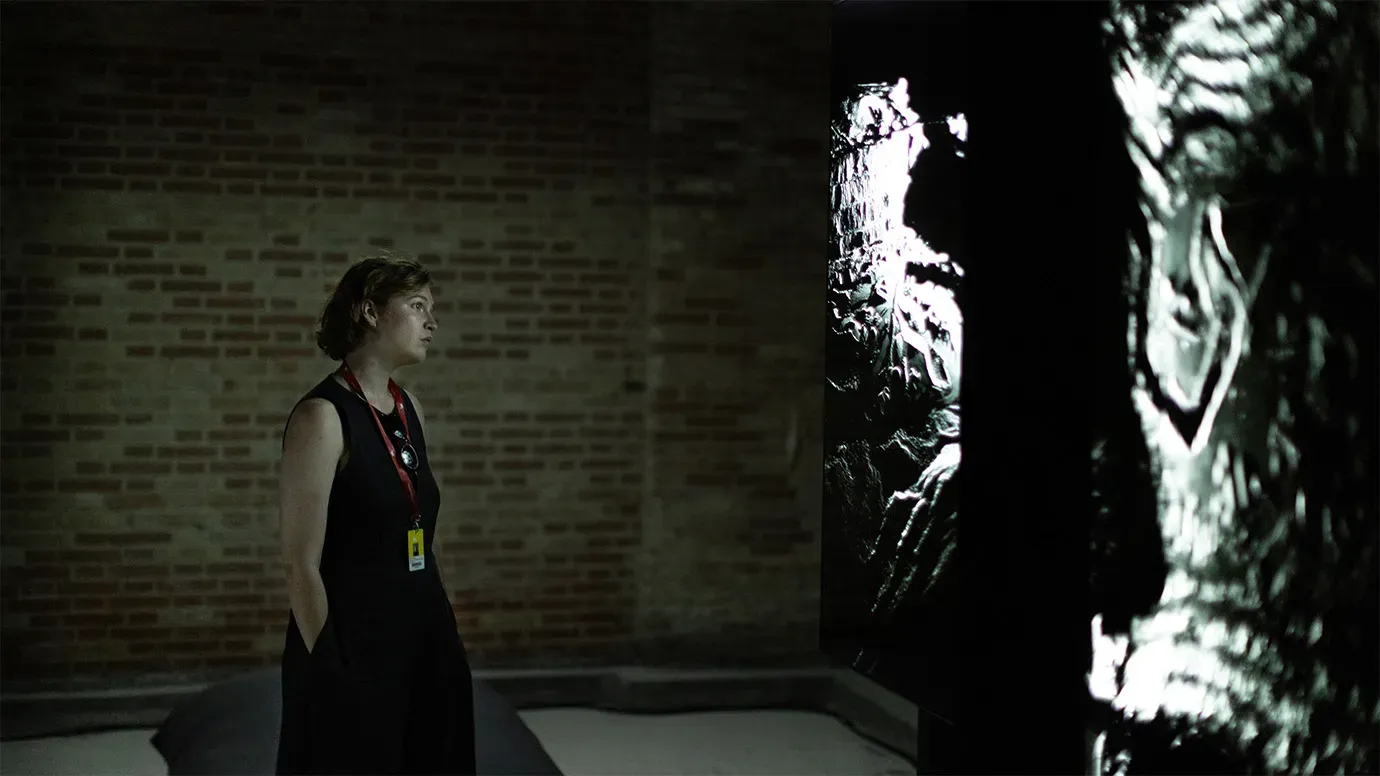
London studio founded in 2010 by Matt Shaw and William Trossell that treats LiDAR as a camera, building a defined point-cloud aesthetic around landscapes, heritage sites and machine vision.
-
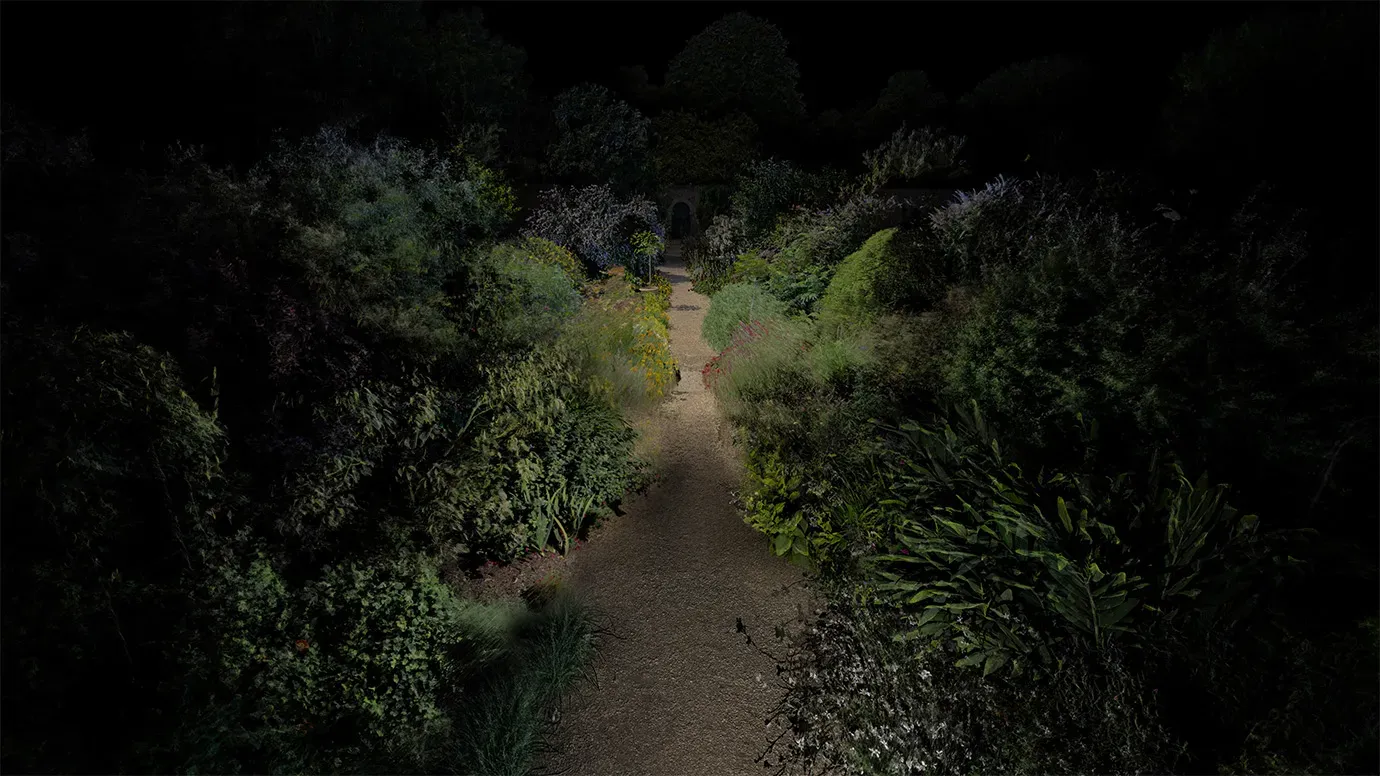
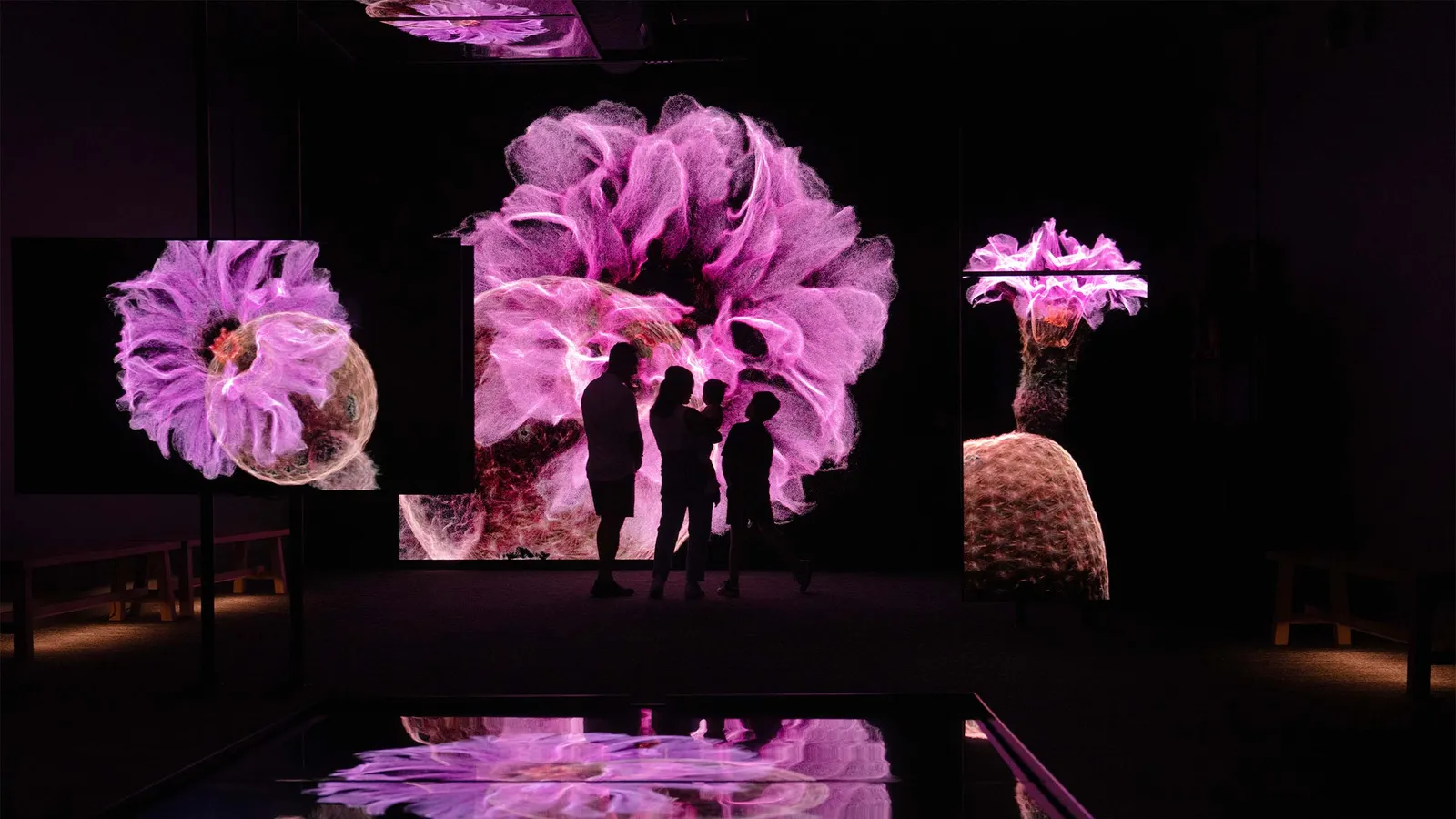
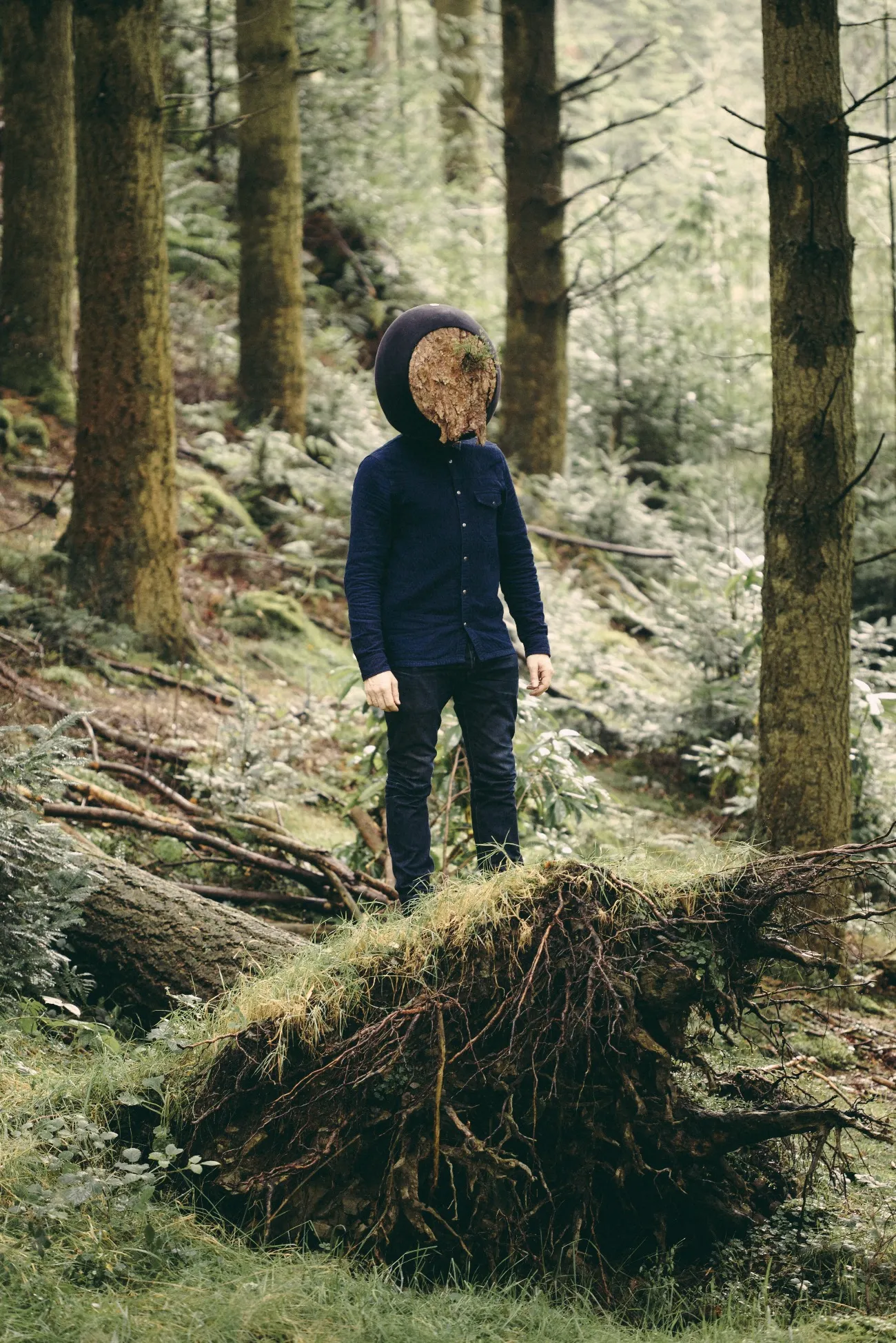
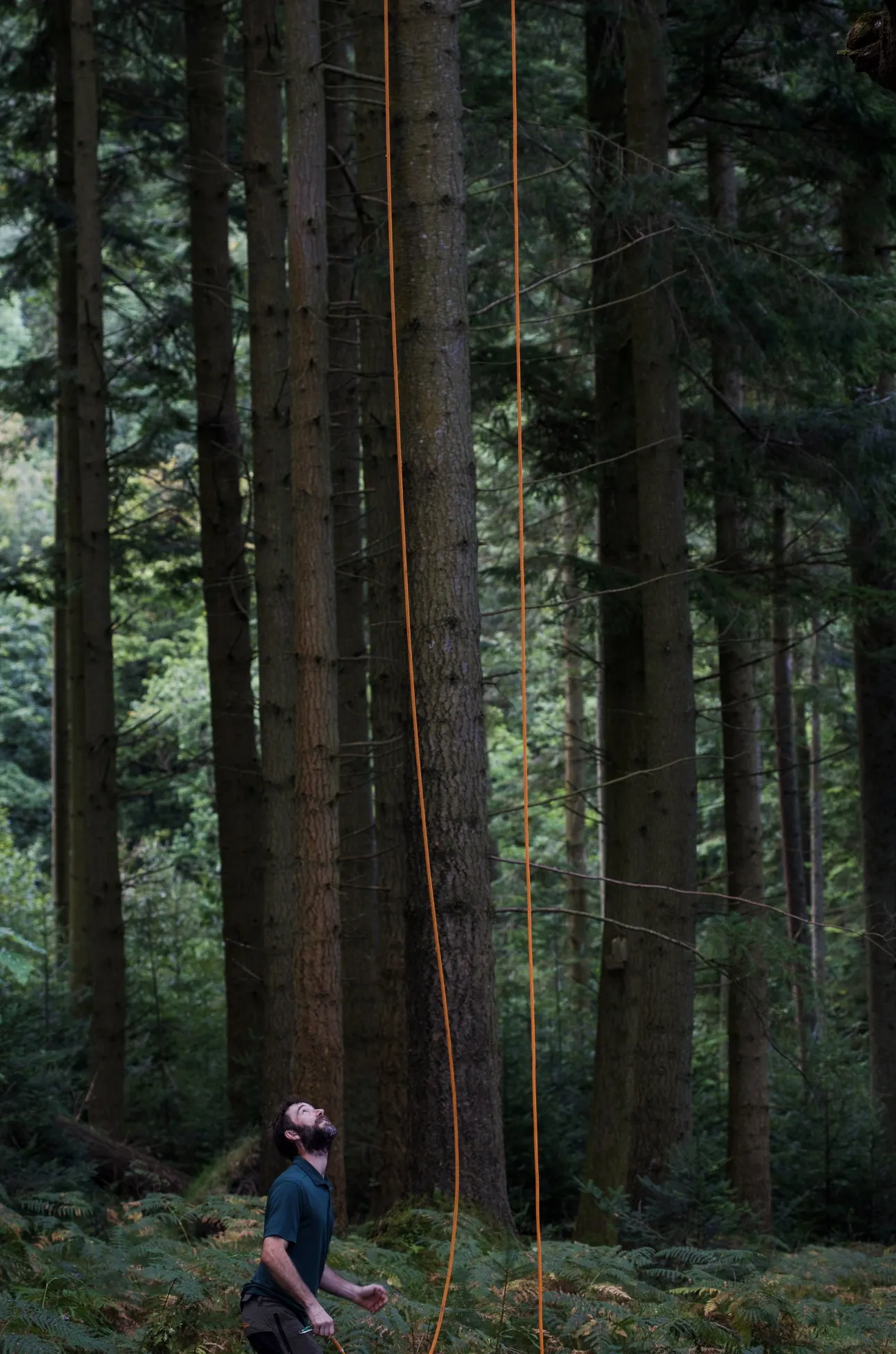
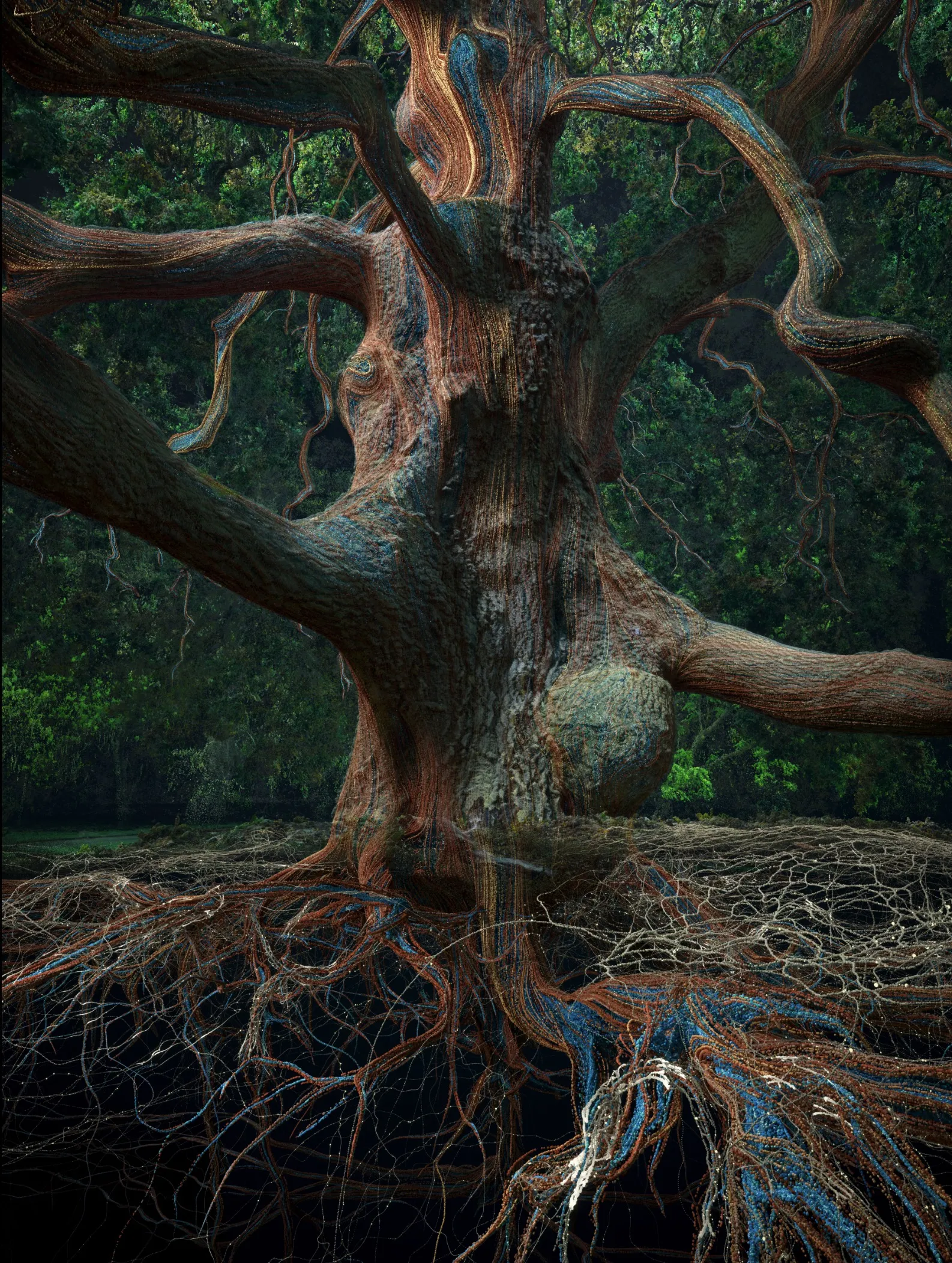
In the Eyes of the Animal (2016); Evolver; Of the Oak (Kew Gardens); YOU:MATTER
Immersive studio that builds entire experiences from point clouds, fusing LiDAR, photogrammetry, CT and ground-penetrating radar to render nature as volumetric data.
-
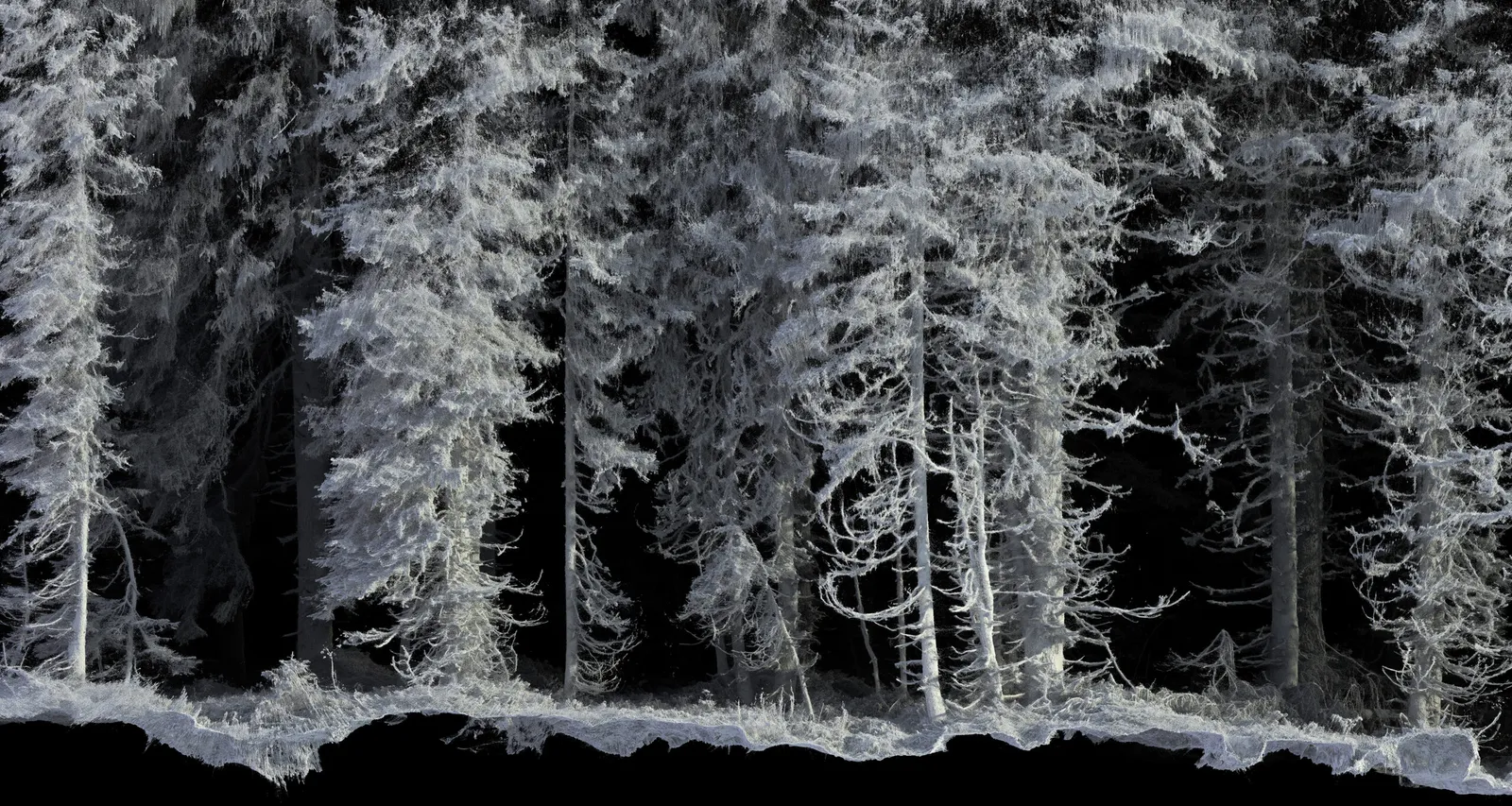
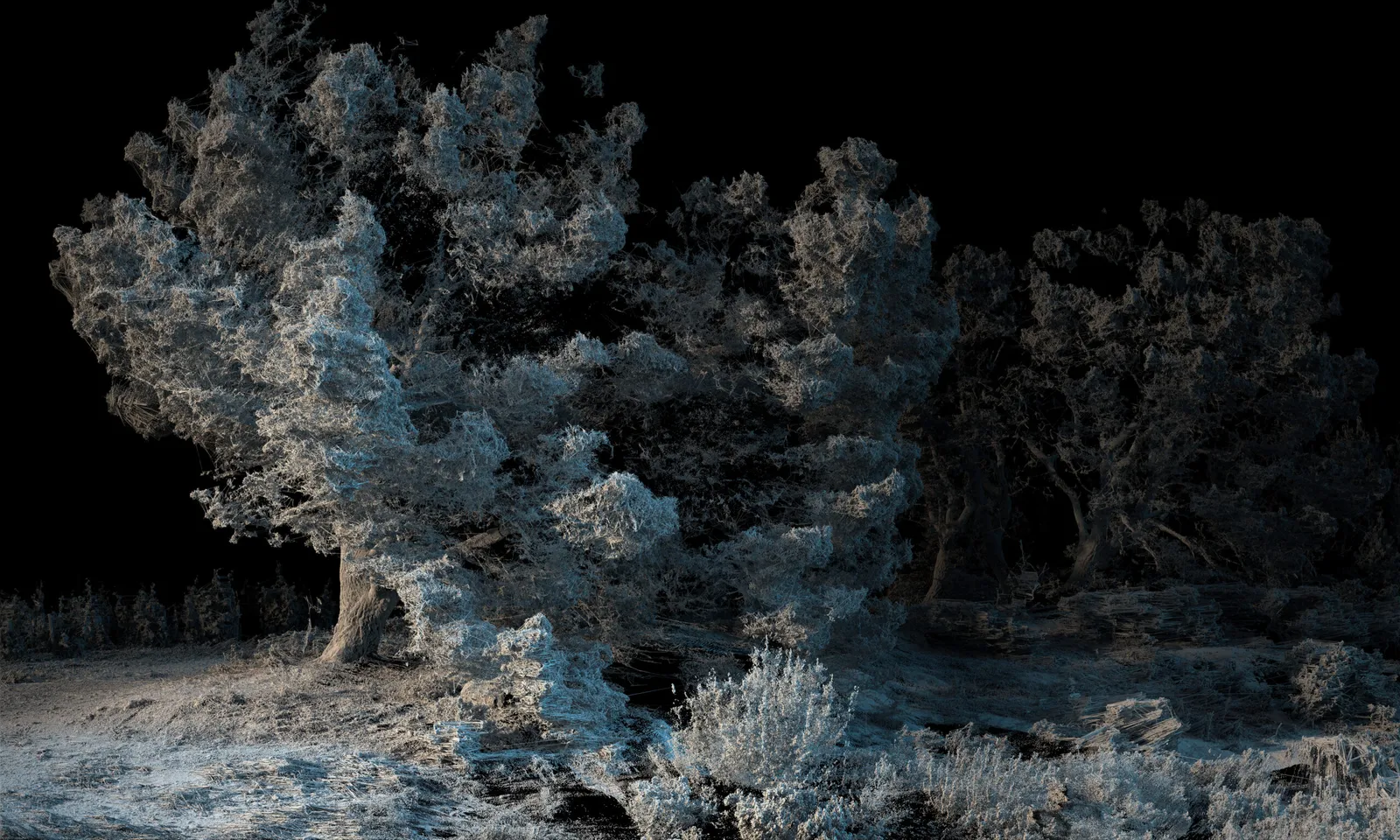
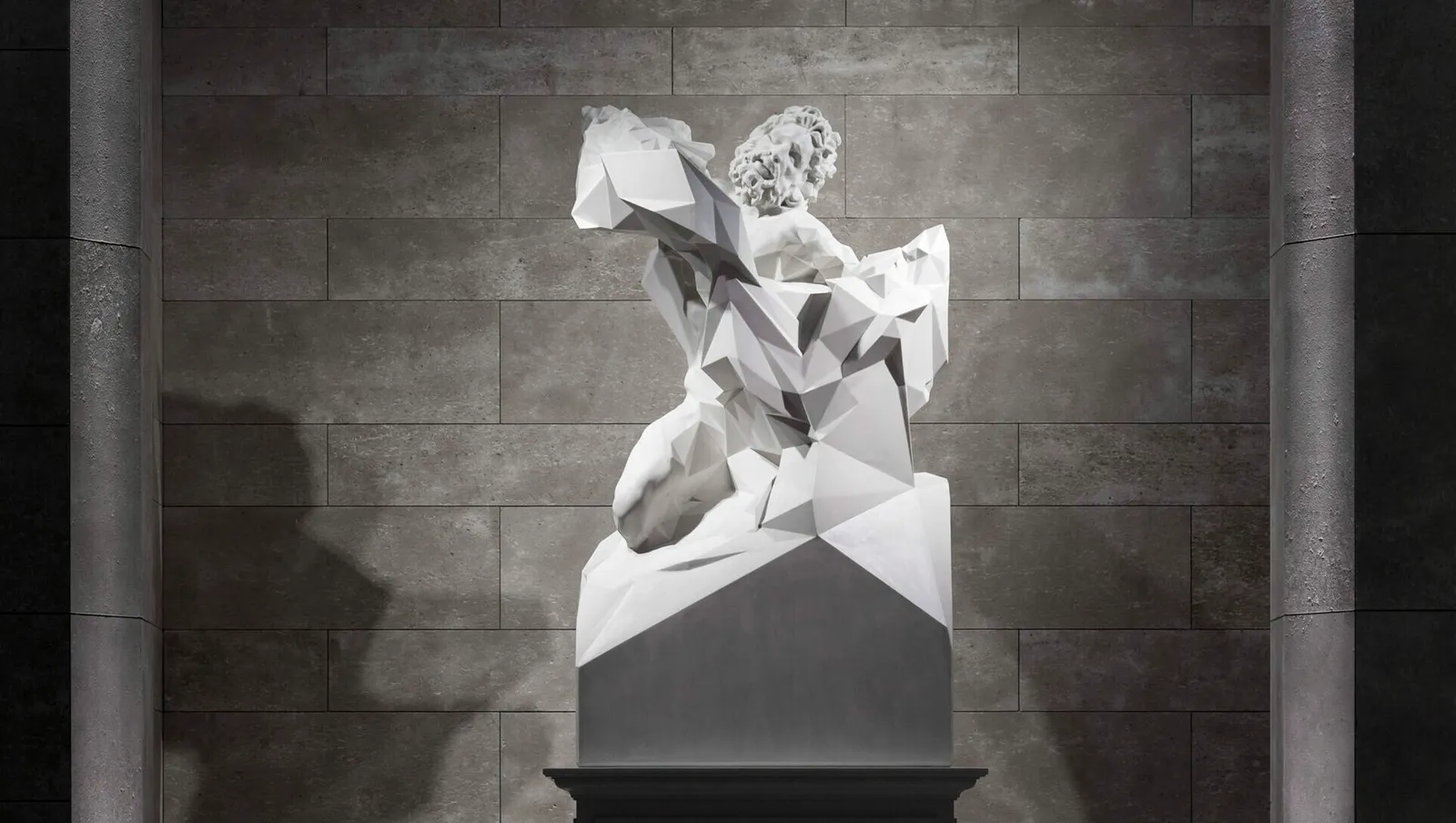
Remains (laser-scanned forests); Texas Surveys (billions of points); Strata; Laocoön; Unfinished Sculptures
Italian-born, London-based artist who misuses engineering and vehicle laser scanners to translate landscapes and classical art into points and polygons.
-
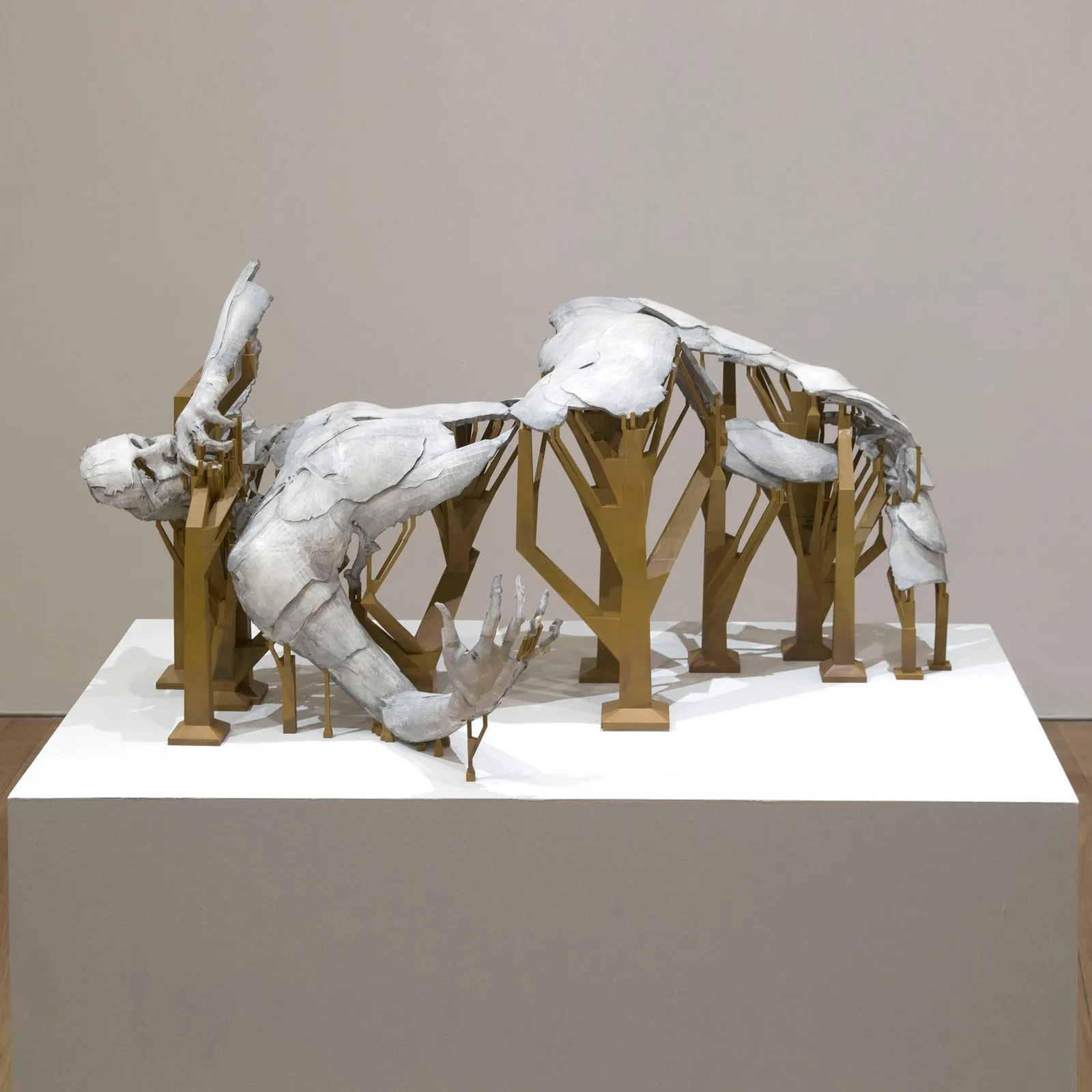
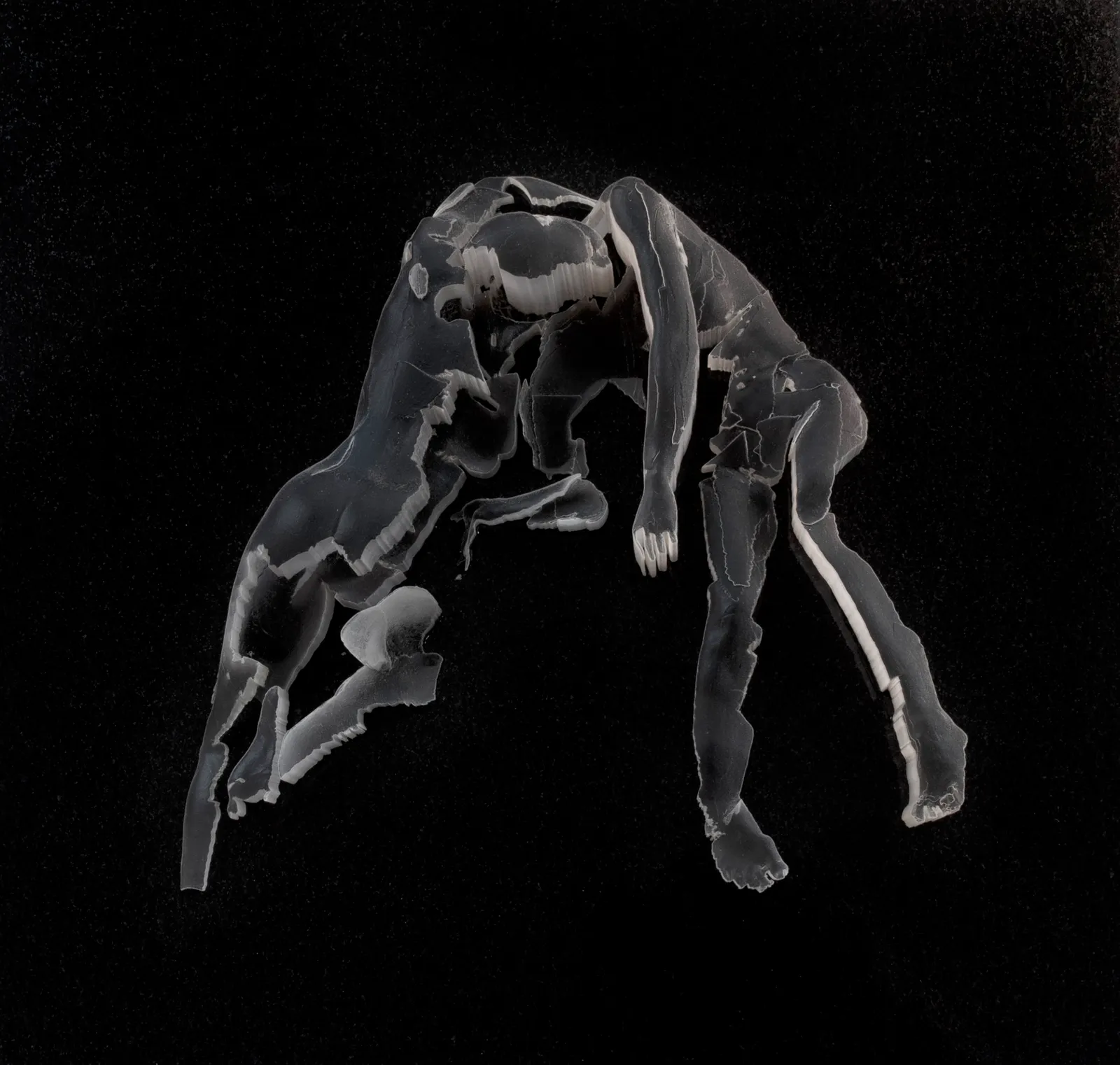
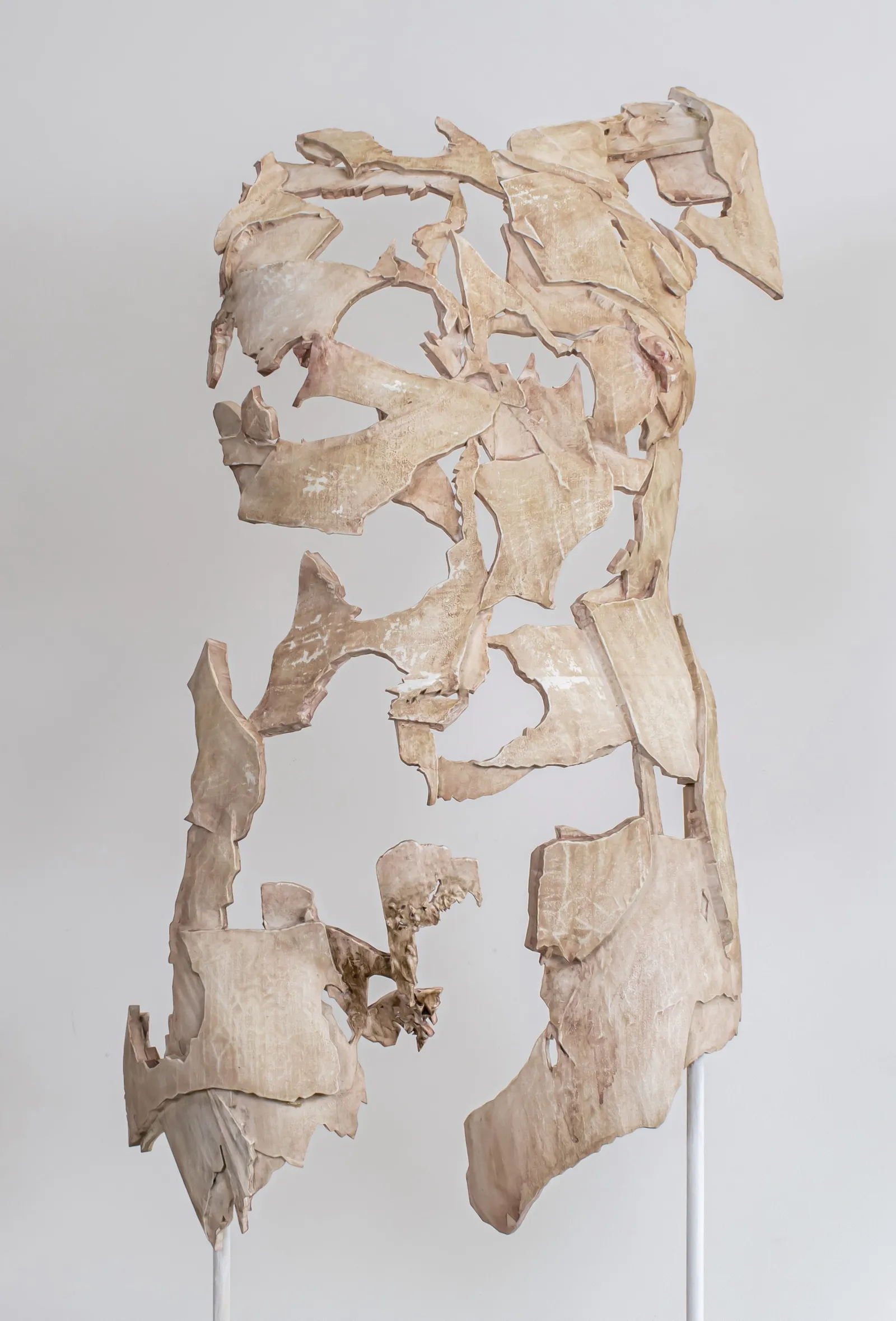
Machines for Suffering; The Divers; Transfigured; 3D-scanned, fragmented figurative sculpture and video since 2003
Artist who scans moving bodies with a tool built for static objects, harvesting the broken, conflicting data into fragmentary sculptures and video.
-
NeRF and Gaussian-splatting capture breakdowns; '10 Things You Can Do With 3D Gaussian Splatting'; TED talks; ex-Google Maps Immersive View / ARCore PM
Creator and former Google spatial-computing PM who popularized radiance-field capture workflows through deep-dive videos and live demonstrations.
-
Founder and managing editor of RadianceFields.com; View Dependent podcast; talks at SIGGRAPH, NVIDIA GTC, GeoWeek
Journalist who built the leading publication chronicling NeRFs and Gaussian splatting after established outlets declined to cover the field.
-
Radiohead — 'House of Cards' (2008), shot with LiDAR and structured-light scanners instead of cameras; open-sourced point-cloud dataset
Technical director and director of the 2008 music video made entirely from laser-scan data, an early public demonstration of capture-as-cinema.
Frames
ScanLAB Projects
-
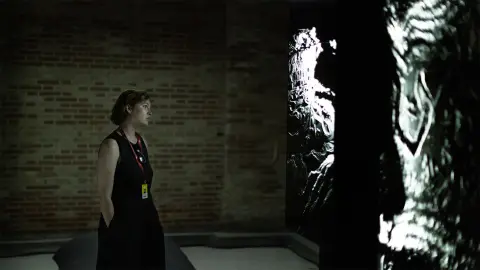
FRAMERATE: Pulse of the Earth (2022) · ScanLAB Projects · Source -
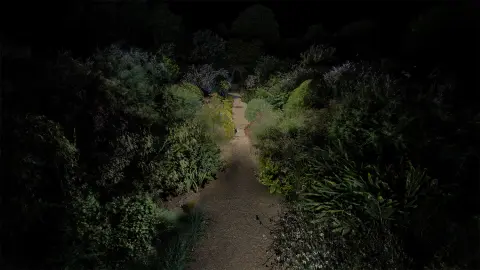
FRAMERATE: Pulse of the Earth (2022) · ScanLAB Projects · Source -
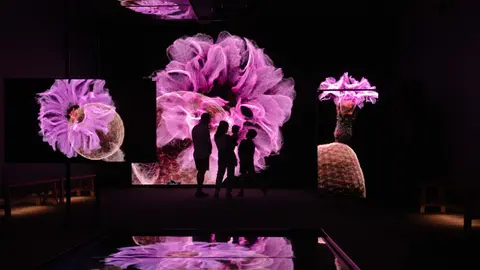
FRAMERATE: Desert Pulse (2025) · ScanLAB Projects · Source -
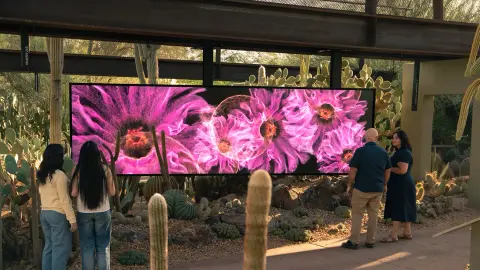
FRAMERATE: Desert Pulse (2025) · ScanLAB Projects · Source -
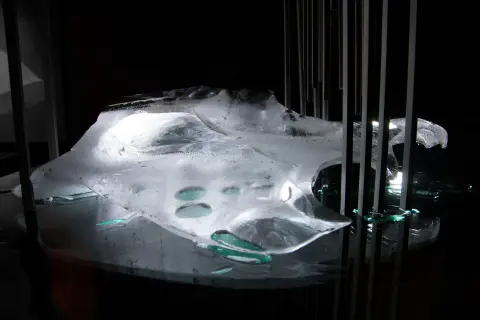
Frozen Relic: Arctic Works (2012) · ScanLAB Projects · Source
Marshmallow Laser Feast
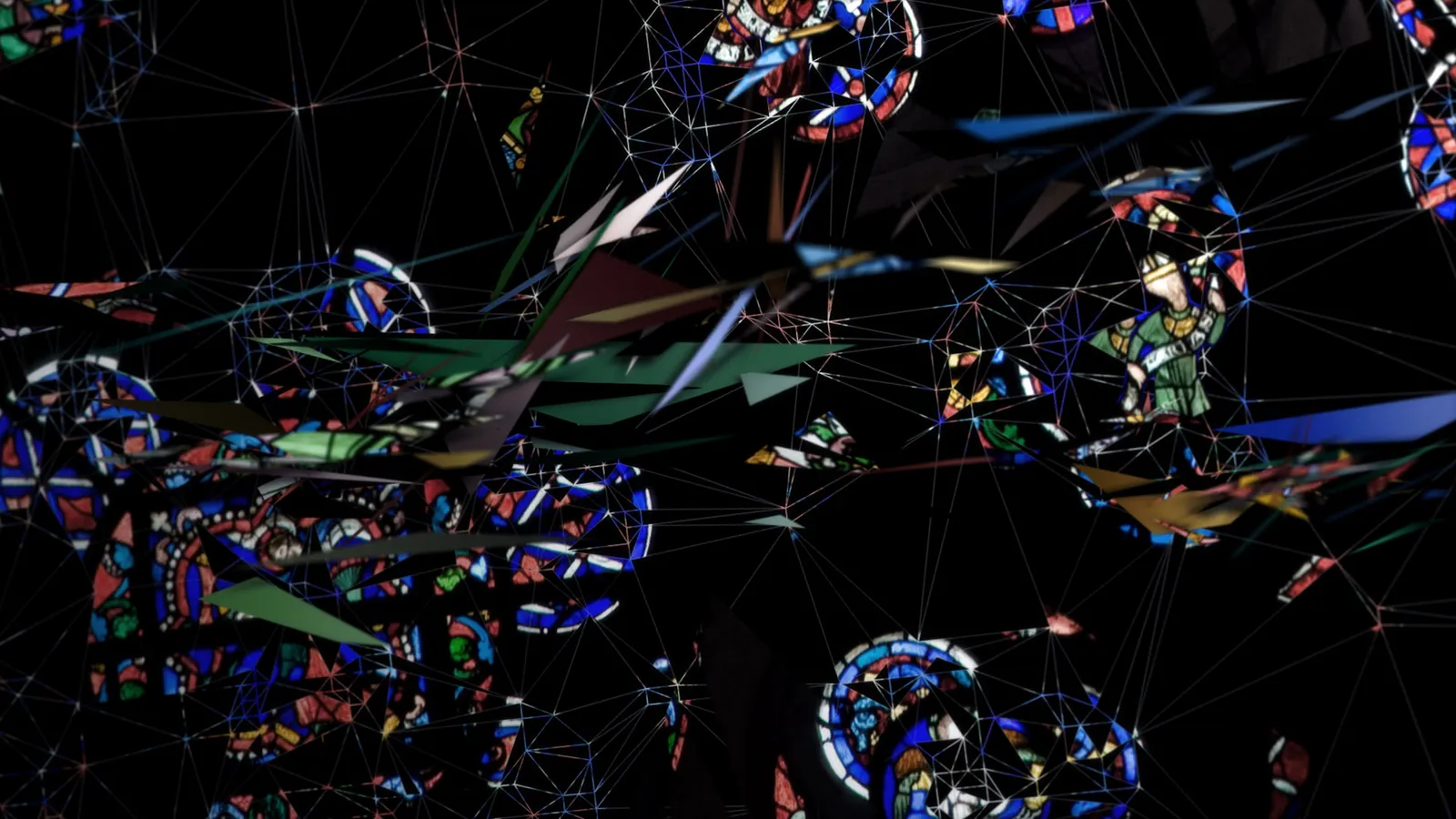
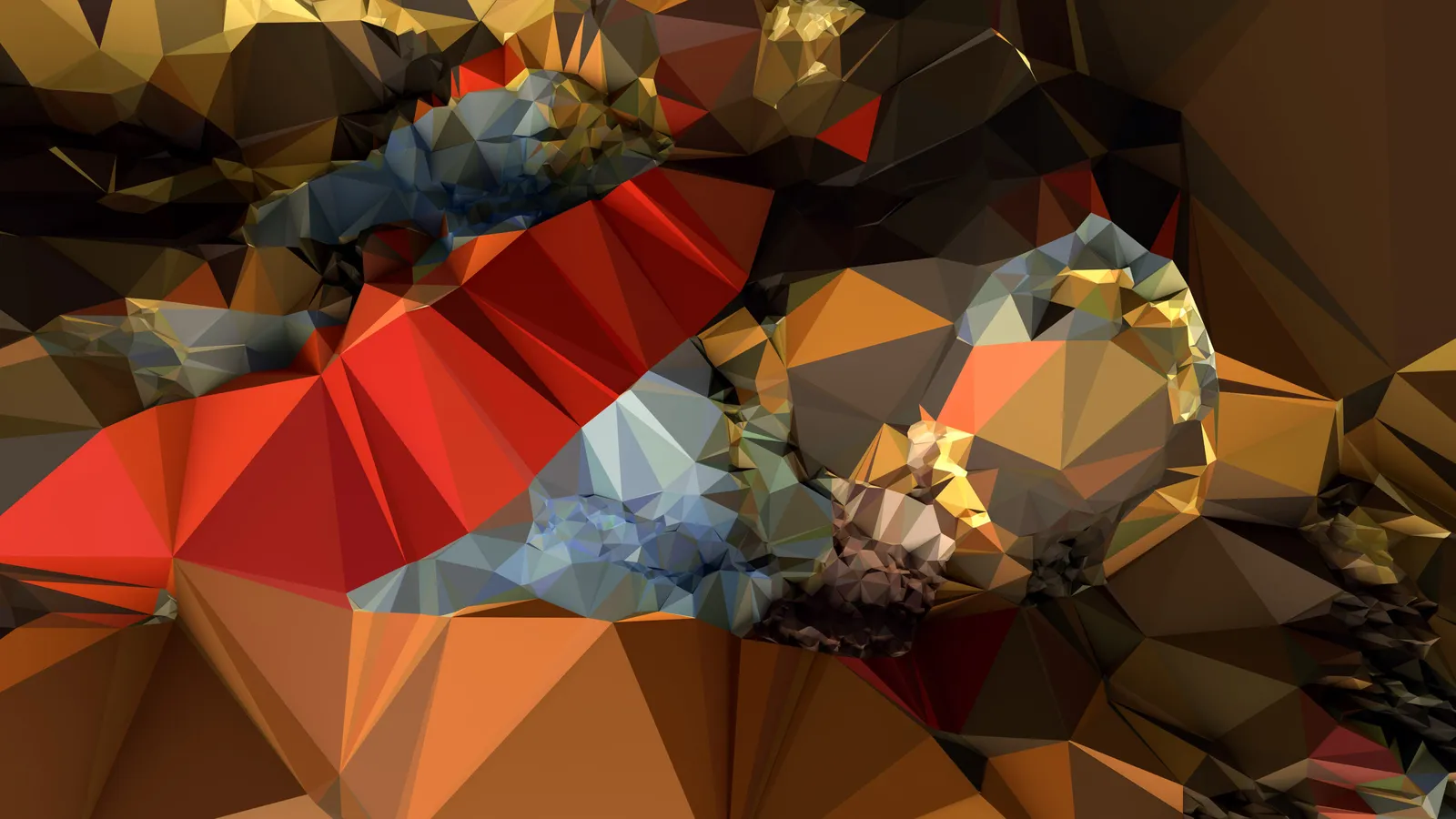
Quayola
Sophie Kahn
Aaron Koblin & James Frost
-
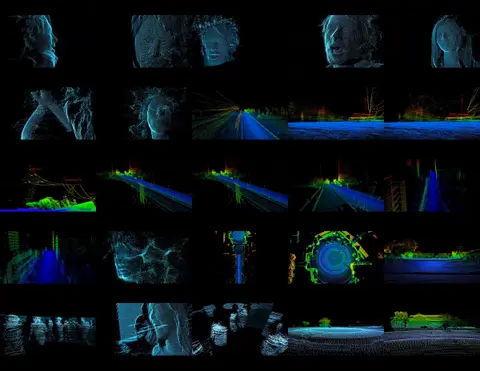
Radiohead — House of Cards (2008) · Aaron Koblin & James Frost · Source
Techniques
- multi-view photographic capture
- LiDAR / laser scanning
- structured-light scanning
- Structure-from-Motion pose recovery
- multi-view stereo reconstruction
- neural radiance field training
- 3D Gaussian splat optimization
- point-cloud compositing
- novel-view synthesis
- virtual camera fly-through
- floater / outlier cleanup
Tools
- Luma AI
- Polycam
- Jawset Postshot
- Nerfstudio / gsplat
- COLMAP
- RealityScan (formerly RealityCapture)
- Depthkit
- Velodyne LiDAR scanners
- Instant-NGP
What to take from it
Move the camera after the capture
Because the scene is stored as a volume, the camera move is a post decision, not a shoot decision. Capture once thoroughly, then author orbits, push-ins and impossible fly-throughs the original rig could never have made — including holding a single frozen instant while parallax reveals its depth.
Let the reconstruction artifacts be the look
Floaters, edge fuzz, point shimmer and torn surfaces are the medium's fingerprint, not failures to hide. Leaning into the incomplete, ghosted data — as Sophie Kahn and ScanLAB do — produces an image that reads as captured-yet-impossible, distinct from both photography and clean CGI.
Misuse the instrument
A scanner built for static rooms or self-driving cars, pointed at a moving body or a forest, returns conflicted, expressive data. Running a tool against its design intent is a reliable route to imagery that neither realism nor hand-modeling produces.